Lakpura
Lakpura®

Kandyan Dance • Udarata Natum • උඩරට නැටුම්

Kandyan dance — known in Sinhala as Udarata Natum (උඩරට නැටුම්) — is the ceremonial dance tradition that emerged from the central hill country around Kandy and has since become Sri Lanka's most recognised classical performing art. Rooted in pre-Buddhist ritual and shaped by centuries of royal patronage, it blends precise footwork, elaborate costuming, and rhythmic drumming into a form that is at once sacred heritage and living performance.

What are the origins of Kandyan dance?

The tradition traces back to a ritual called the Kohomba Kankariya — also known as Kohomba Yak Kankariya — a propitiatory ceremony dedicated to the deity Kohomba. According to legend, three shamans from a land called "Malaya Rata" (believed by some scholars to have been in southern India) were summoned to the island through the intervention of the god Sakra. Their mission was to cure King Panduwasdev of a mysterious recurring illness — a dream in which a leopard directed its tongue toward the king, thought to be a curse linked to Kuweni, the first consort of King Vijaya.

After the shamans performed the Kohomba Kankariya, the illness reportedly vanished. The ritual was adopted by local communities and gradually evolved into a structured dance form. For centuries it was performed exclusively within a caste that held hereditary rights to the dance, and those dancers were formally aligned to the Temple of the Tooth Relic in Kandy, playing a central role in the annual Esala Perahera Festival.

How did Kandyan dance develop over the centuries?

Under the Kandyan kings, dance masters enjoyed royal sponsorship and their art was protected within the feudal structure of the kingdom. When British colonial rule ended the Kandyan monarchy in 1815, that institutional support collapsed and the tradition went into decline. Only toward the end of the 19th century did Ves dancers begin performing publicly outside the ritual context — first at the Kandy Perahera — gradually reintroducing the art to broader audiences.

The 20th century saw deliberate revival efforts. Government arts institutions and independent dance schools brought Kandyan dance back into formal training, adapted it for the stage, and established it as a subject of academic study. Today it is taught across Sri Lanka, performed internationally, and recognised as the country's foremost classical dance form.

What are the main styles of Kandyan dance?

The tradition encompasses several distinct styles, each with its own character and costume:

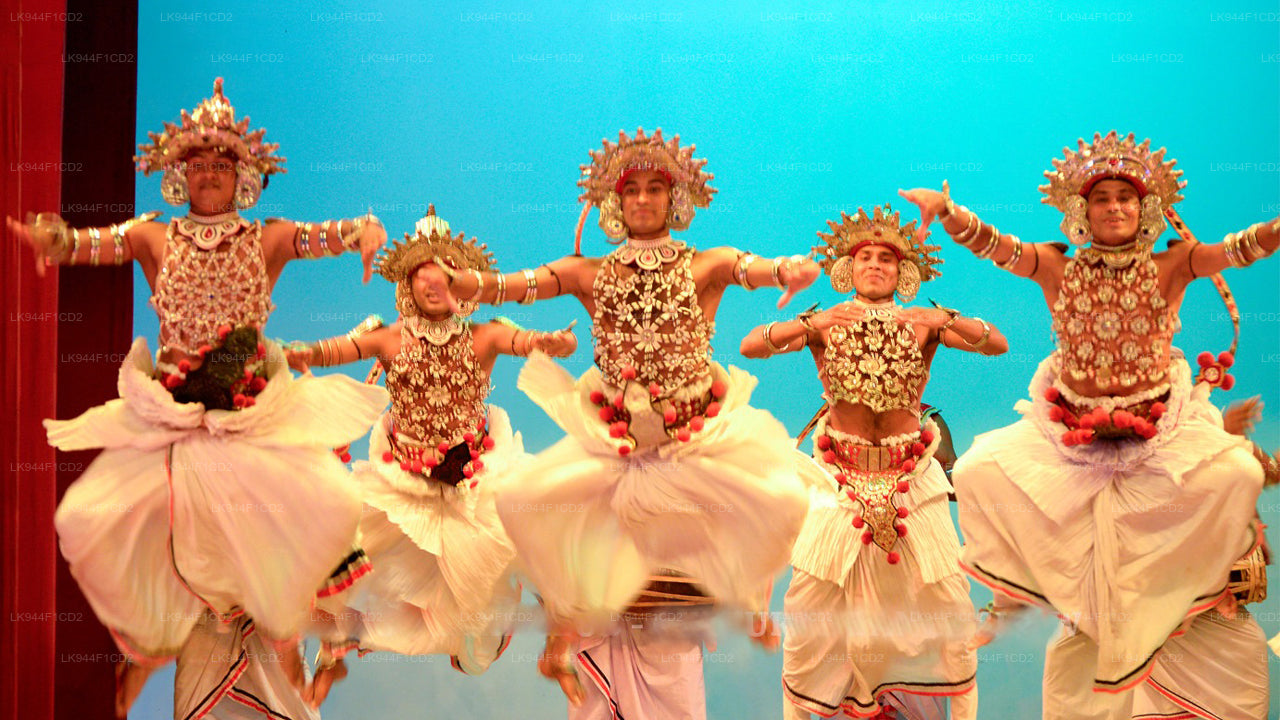
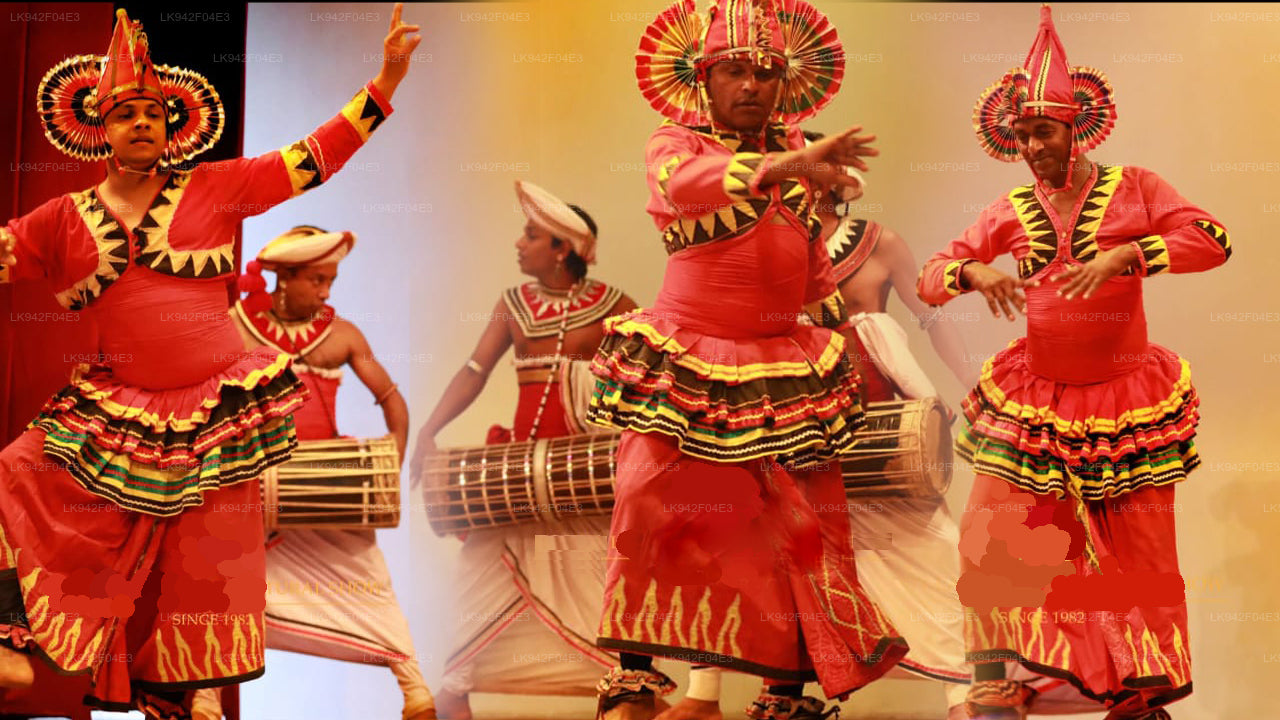
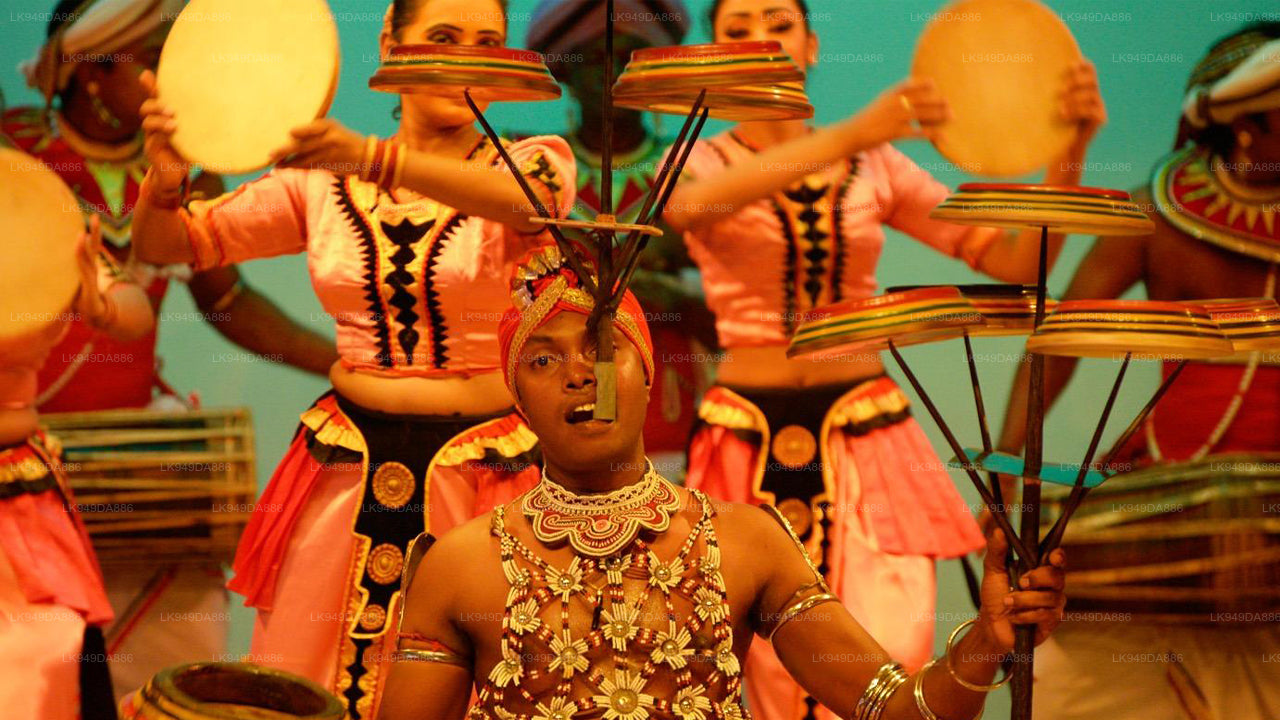
  • Ves — the most prominent and widely performed style. It originated from the Kohomba Kankariya and was historically performed only by men. The Ves costume, particularly its towering silver headpiece (ves tattuwa), is considered sacred — believed to belong to the deity Kohomba himself — and is donned only after a ritual blessing ceremony called ves bandima.
  • Naiyandi — a style that precedes the Ves performance, danced in a simpler costume. It is considered a preparatory or introductory form within the same ritual tradition.
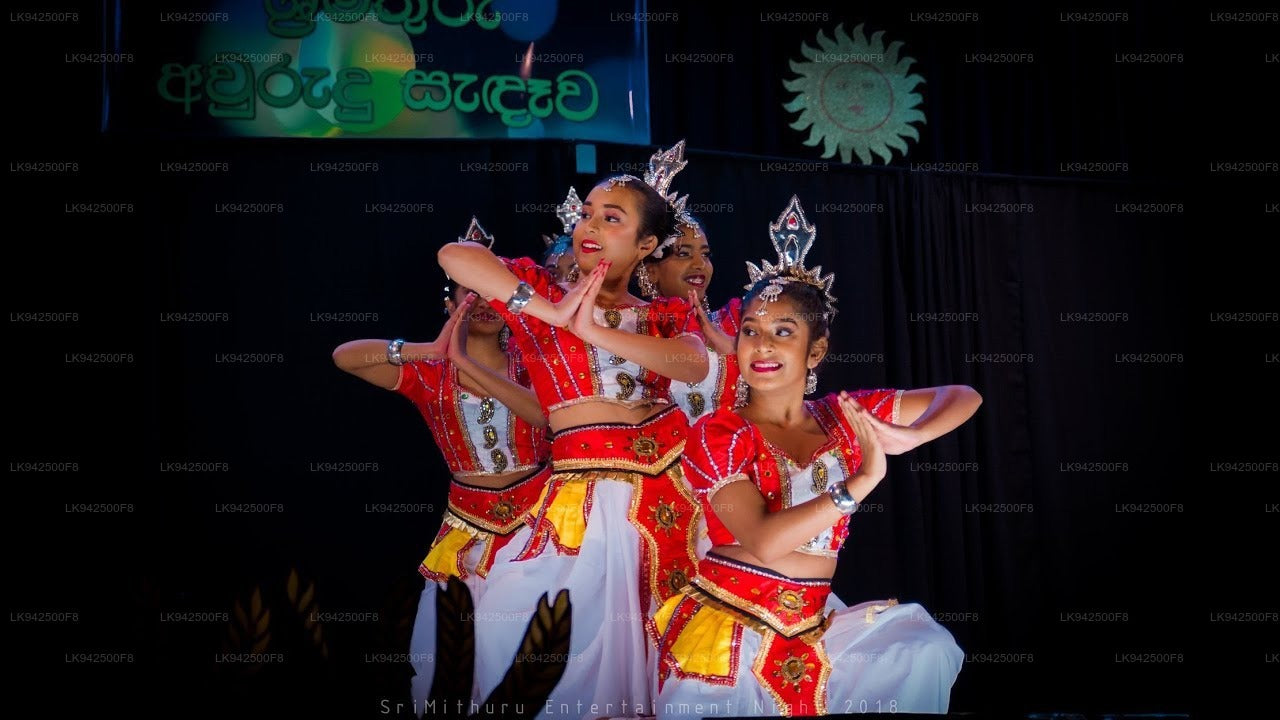
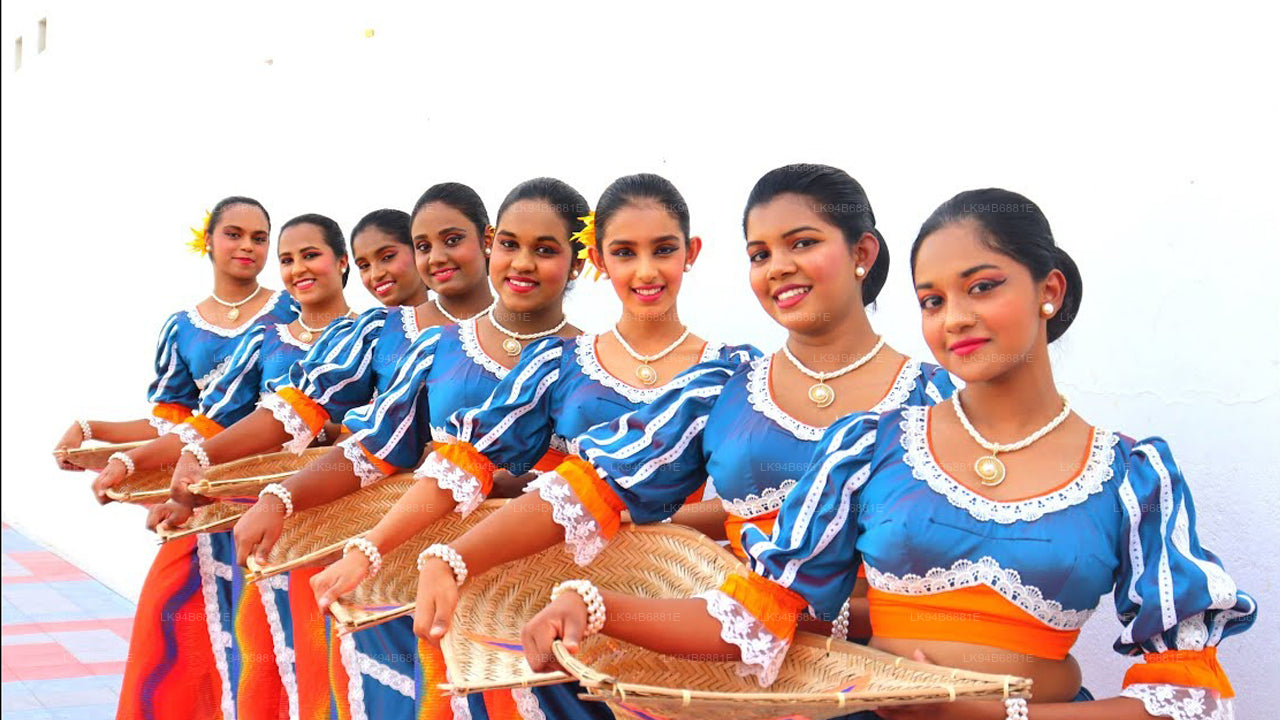
  • Udekki — danced by women and named after the small hourglass drum (udekki) that accompanies it. This style is lighter in character and showcases subtle hand gestures and soft footwork.
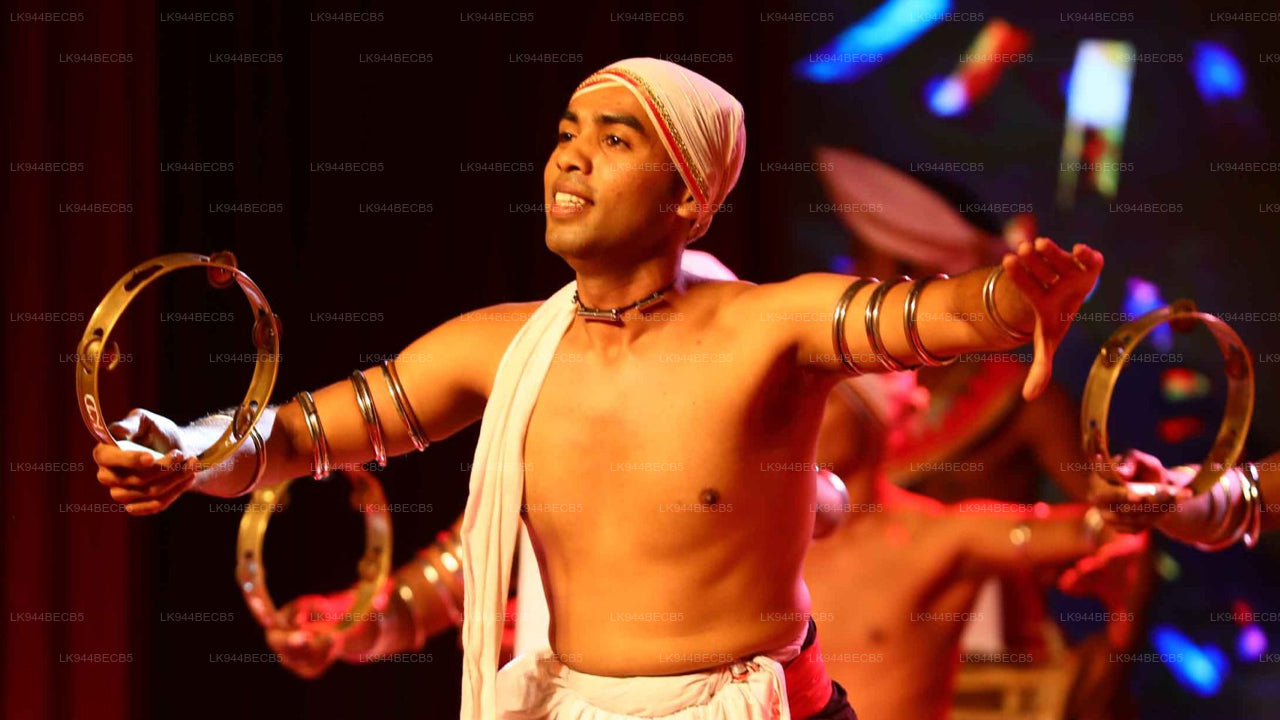
  • Pantheru — performed with a circular tambourine-like instrument called a pantheru, which the dancer both plays and incorporates as a prop. It is energetic and rhythmically complex.
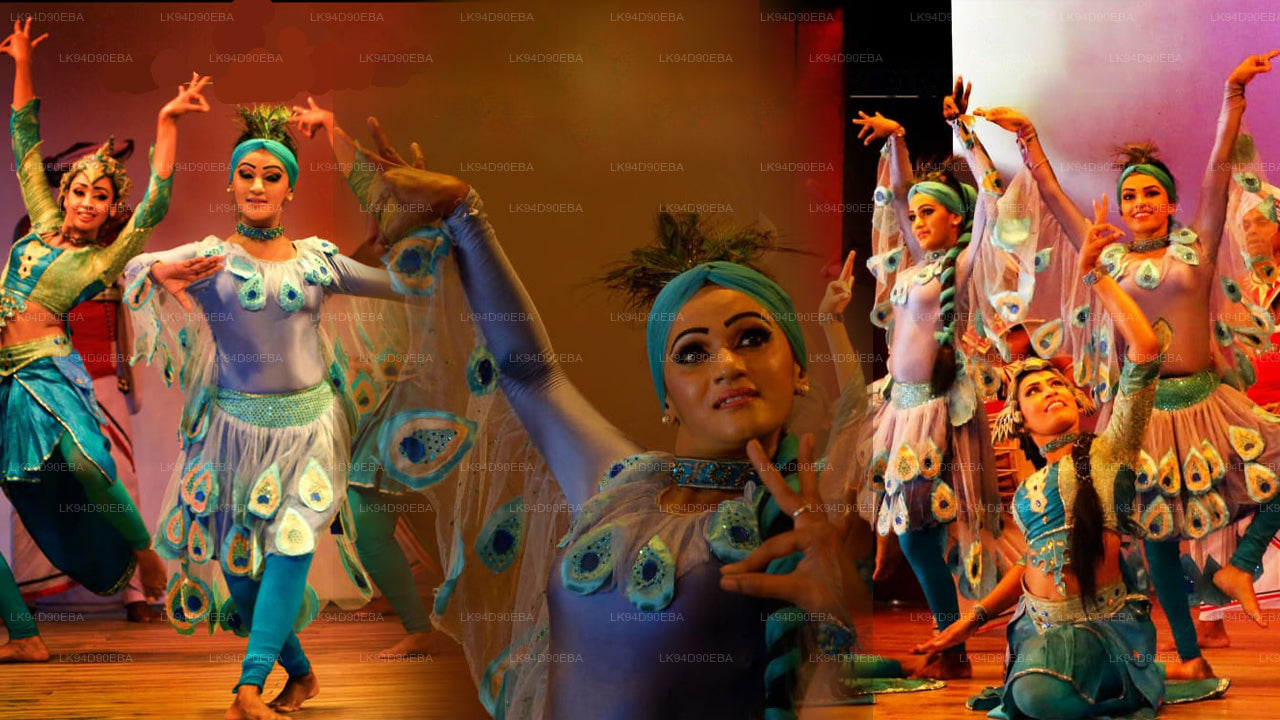
  • Vannam — descriptive dance pieces that depict the movements and qualities of animals, birds, or natural phenomena. Common examples include the Gajaga Vannam (elephant) and the Mayura Vannam (peacock).

What makes the Ves costume significant?

The Ves costume is among the most elaborate ceremonial dress in South Asian classical performance. The headpiece alone comprises dozens of individually crafted silver or silver-plated pieces arranged in a tall, fanned structure. A full Ves ensemble includes an ornamented breast-plate (eth-mala), arm and ankle decorations, a white waist-cloth, and layers of precisely arranged silver chains and pendants.

The costume is not merely theatrical. Within the Kohomba Kankariya tradition, it is treated as a sacred object: the dancer undergoes ritual preparation before wearing it, and it is stored and handled with the same care afforded to temple regalia. Historically, only dancers from the designated hereditary caste could wear the Ves costume. Contemporary training schools now teach the form more broadly, but the ceremonial protocols are still observed during ritual performances.

What instruments accompany Kandyan dance?

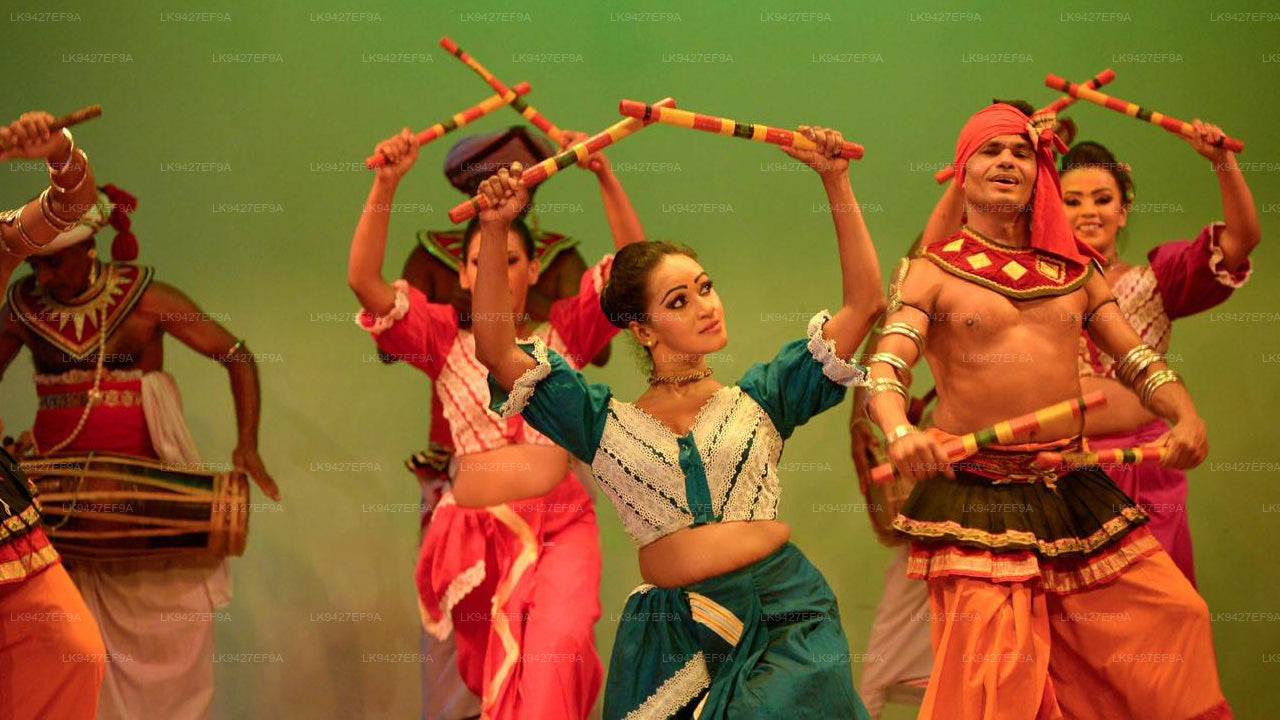
Kandyan dance is inseparable from its percussion tradition. The primary accompanying drum is the Geta Beraya — a double-headed barrel drum — whose complex rhythmic patterns (tala) structure every aspect of the dance. Drummers undergo years of specialised training and are considered artists in their own right, not merely accompanists.

Other instruments used in various contexts include the dawula (a large drum beaten with a stick and a hand), the tammattama (a pair of kettle-drums), the horanawa (a double-reed wind instrument similar to an oboe), and the udekki (the small hourglass drum associated with female dance forms). The interplay between dancer and drummer — with rhythmic cues, accelerating tempo, and sudden silences — is central to the performance's dramatic effect.

Where can visitors watch Kandyan dance in Sri Lanka?

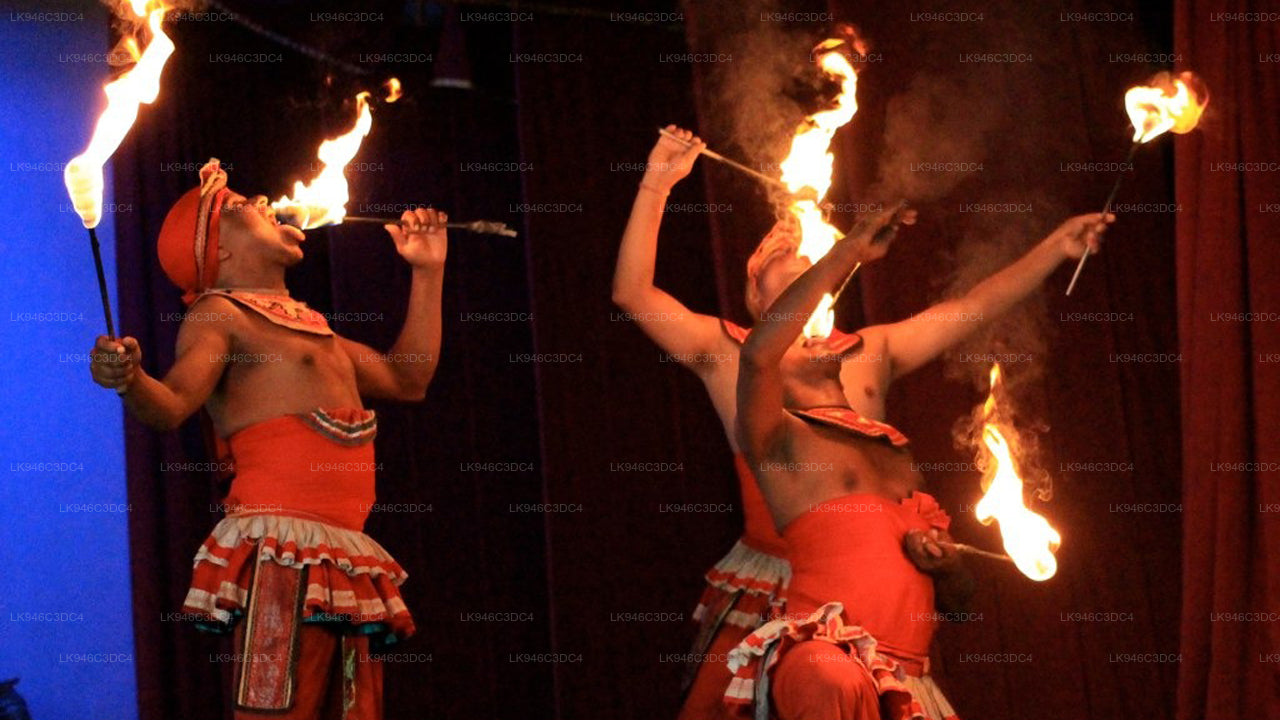
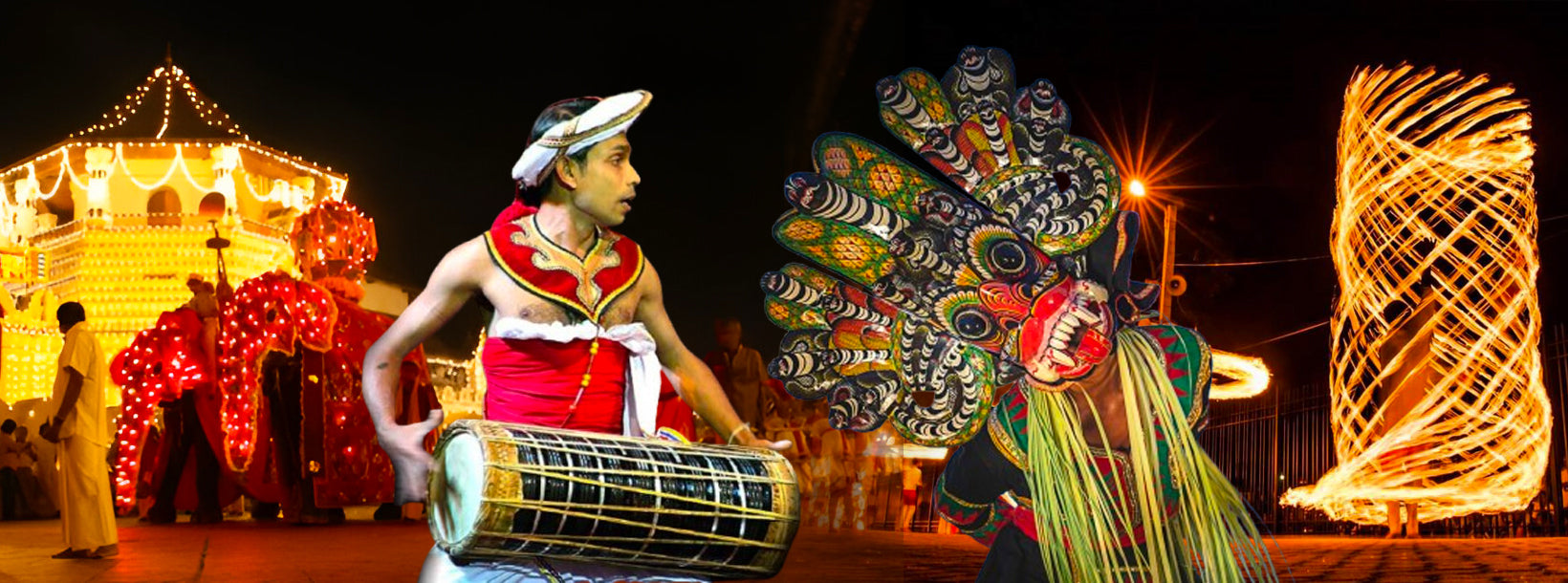
Kandy remains the natural home of the tradition. Several cultural centres in the city offer nightly performances designed for visitors, typically running 45 to 60 minutes and covering multiple dance styles as well as fire-walking demonstrations. The Kandy City Tour can be arranged to include an evening performance at one of these venues.

The most authentic setting is the Esala Perahera, held annually in July or August around the Esala full moon. Over ten consecutive nights, elaborately costumed Ves dancers parade through the streets of Kandy alongside elephants, drummers, and fire performers in one of Asia's largest religious processions. Witnessing the Perahera is widely regarded as the definitive Kandyan dance experience.

Dance schools and residencies — including those based in Kandy — also welcome visitors who wish to observe classes or participate in introductory sessions, giving a more intimate sense of how the tradition is transmitted from teacher to student.

How has Kandyan dance influenced Sri Lankan cultural identity?

Since the late 20th century, Kandyan dance has served as Sri Lanka's most exported cultural symbol. The Ves dancer appears on tourism materials, postage stamps, and official state gifts. Dance troupes travel internationally, and the form is included in school curricula across the country.

Scholars link the revival of Kandyan dance to a broader process of post-colonial cultural assertion. The figure of Ehelepola Nilame, one of the last great nobles of the Kandyan Kingdom, is part of the historical memory that surrounds this period — a reminder that the art's near-disappearance was inseparable from the political rupture of 1815. That it survived and was revived reflects the resilience of the communities who carried the knowledge across generations.

Today, Kandyan dance sits comfortably in both sacred and secular worlds. It is performed in temples and on international concert stages, taught in village schools and at university arts departments. Far from being a museum piece, it continues to evolve — incorporating new Vannam compositions, adapting choreography for contemporary stage dimensions, and attracting practitioners from communities that were historically excluded from the tradition.

Book this experience with Lakpura

Curated by our local team. Direct booking, instant confirmation.

Ask Lakpura® Agent