Lakpura
Lakpura®

Hanthana Mountain Range

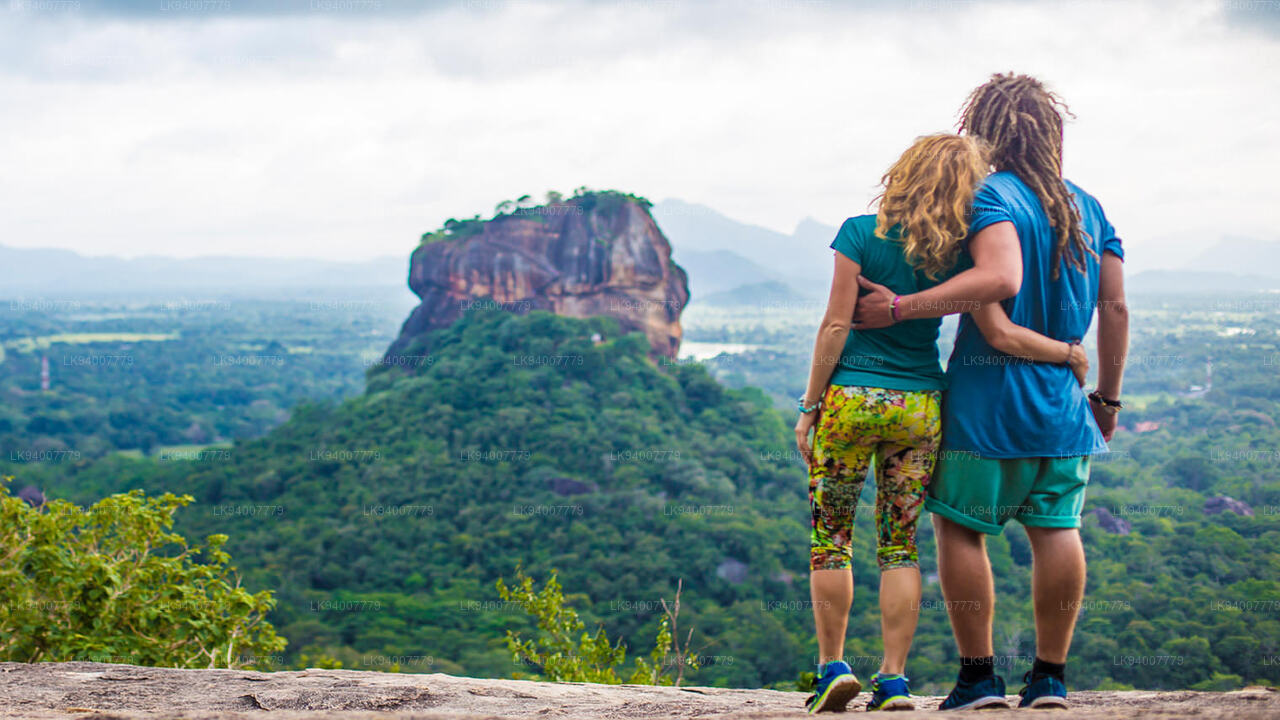
The Hanthana Mountain Range rises immediately south of Kandy, forming a green wall of forested ridges, tea-covered slopes, and rocky outcrops that frames the city's skyline. Reaching peaks of roughly 1,400 metres above sea level, the range offers a genuine highland escape within easy reach of one of Sri Lanka's most visited cities. Declared an environmental protection area in 2010, Hanthana is managed to balance public access with the conservation of its unusually rich biodiversity.

What makes Hanthana ecologically significant?

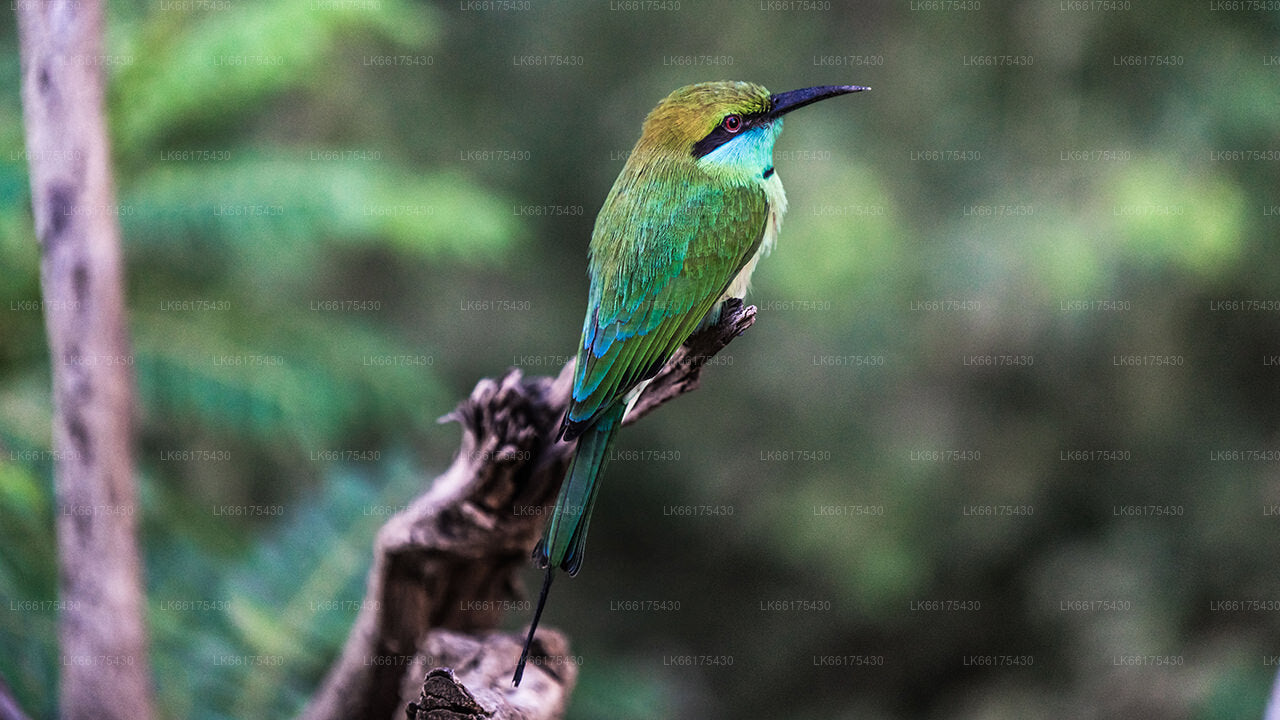
The range sits within the wet zone of central Sri Lanka, receiving heavy rainfall that sustains dense montane forest alongside the more familiar patchwork of tea estates. That combination creates habitats for a wide range of species. Birders have recorded dozens of endemic species here, including the Sri Lanka white-eye, Layard's parakeet, and the Sri Lanka hanging parrot, making Hanthana a worthwhile stop on any birdwatching itinerary in the hill country.

Beyond birds, the forested gullies shelter wild orchids, tree ferns, and flowering plants rarely seen at lower elevations. Small mammals — including purple-faced langurs and porcupines — move through the understorey, while the forest floor supports an array of butterflies and insects of interest to naturalists. The University of Peradeniya, situated at the foot of the range, has conducted ecological research here for decades, and the area retains genuine scientific value alongside its recreational appeal.

What trails and activities are available at Hanthana?

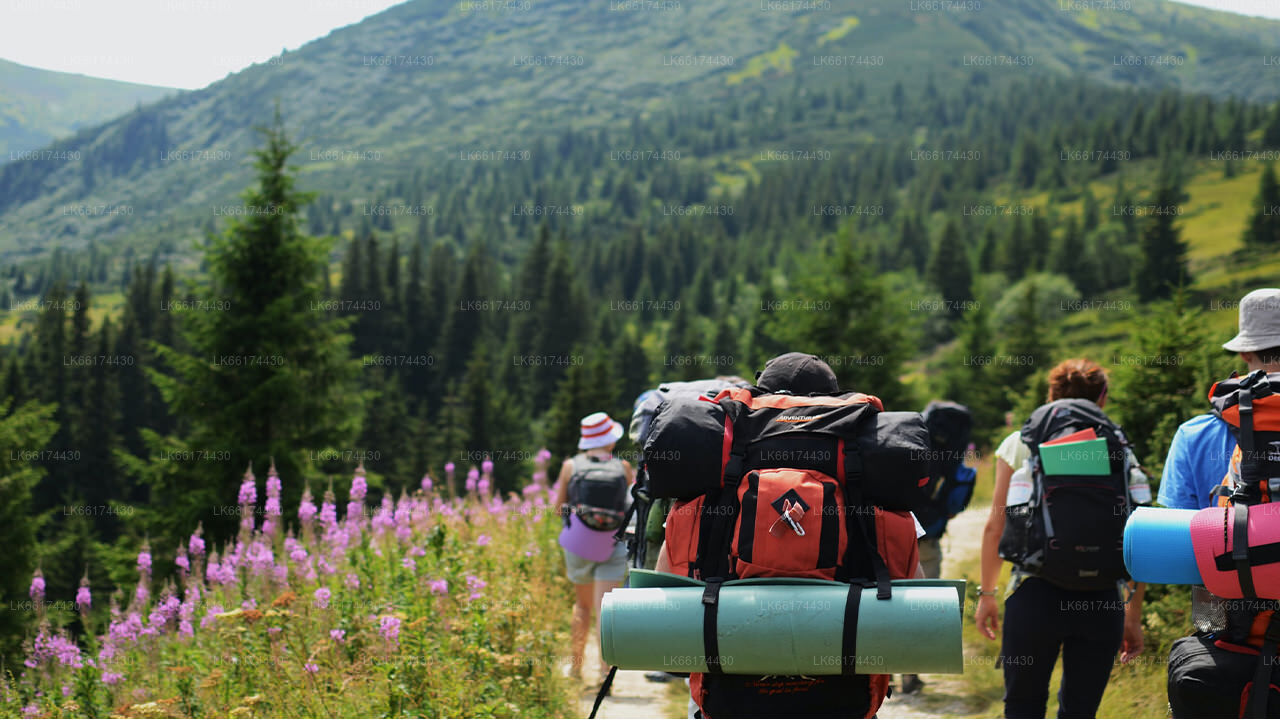
Hanthana's trail network ranges from short afternoon walks to full-day ridge hikes. Most routes begin from the Hanthana Road corridor, which peels away from central Kandy and climbs steadily through residential areas before entering estate land. From there, paths lead through Ceylon tea plantations, pine woodlands, and open grassland terraces, each zone offering a distinct mood and a different angle on Kandy city below.

  • Ridge trails: The main ridge walk connects several viewpoints and takes around four to six hours return, depending on pace and route choices. Clear mornings reward hikers with views stretching toward the Knuckles range to the northeast.
  • Waterfall walks: Several seasonal streams cut down the southern slopes, forming small falls after periods of rain. These make for pleasant shorter excursions, particularly in the months following the southwest monsoon.
  • Tea estate exploration: With permission from estate managers, visitors can walk between the planting rows, observe the plucking process, and learn how high-grown tea differs from lowland varieties.
  • Birdwatching: Early morning — before 8 a.m. — is the most productive time. The forest edge where estate meets native woodland is particularly active.

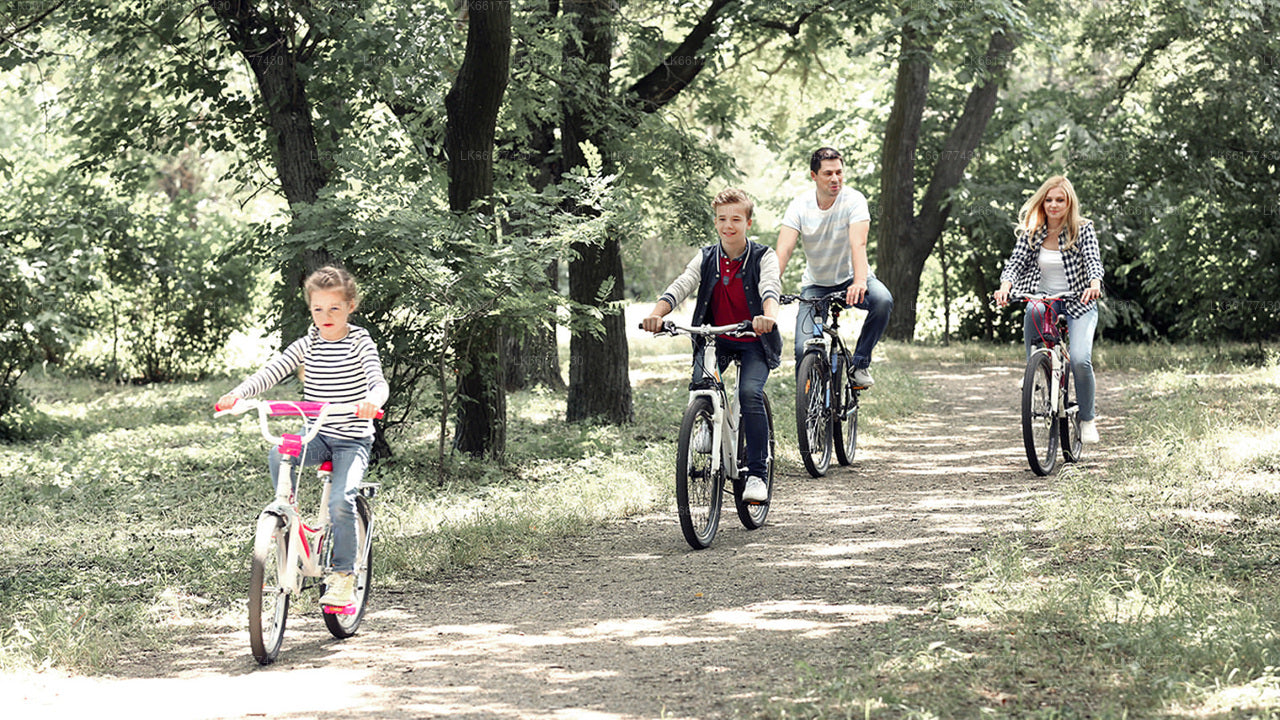
Mountain biking is gaining popularity on the wider hill-country trail network around Kandy. If you plan to combine Hanthana with a more structured cycling experience, the Kandy city tour and nearby mountain routes can be packaged as a multi-day itinerary.

When is the best time to visit Hanthana Mountain Range?

The most reliable trekking conditions fall between January and April, when the inter-monsoon dry period keeps trails firm and skies clearer. Rain can arrive at any time of year in the hill country, but the heaviest sustained rainfall comes with the southwest monsoon (May to July) and the northeast monsoon (October to November), when some higher paths become slippery and leech activity increases noticeably.

That said, Hanthana in mist has its own appeal — the forest feels intimate, sound carries differently, and the chances of disturbing wildlife are lower. Visiting outside peak season requires appropriate footwear and an acceptance that viewpoints may be obscured, but the biodiversity rewards can be higher. The Esala Perahera Festival in Kandy typically falls in July or August; combining a Perahera visit with a morning walk in Hanthana makes for a well-rounded Kandy stay.

How do I get to Hanthana from Kandy city centre?

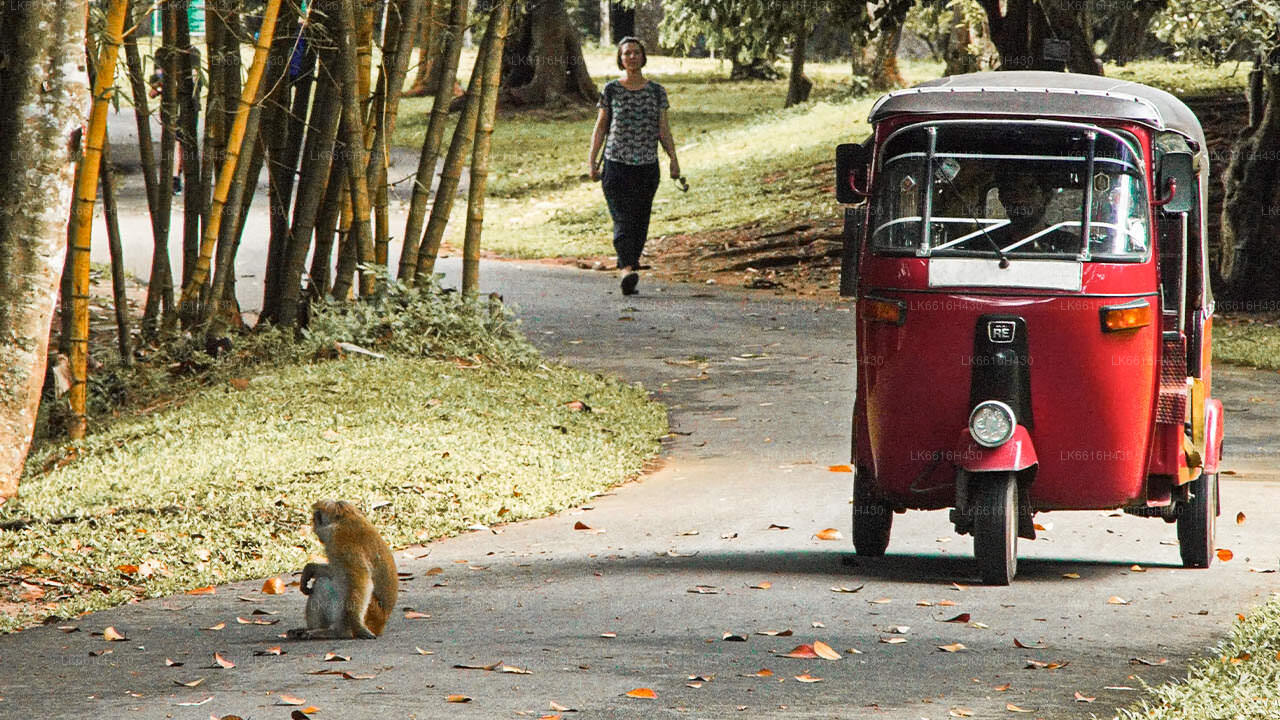
The range is roughly 5 kilometres from the centre of Kandy by road, and the Hanthana Road itself is accessible by tuk-tuk, taxi, or private car in under 20 minutes in normal traffic. There is no dedicated public bus route to the trailheads, so most independent travellers arrange a drop-off at the base and organise a return pickup by phone. If you prefer not to self-navigate, a guided half-day hike is straightforward to arrange through a Kandy-based operator.

Parking is limited at most trailhead entry points, particularly on weekends when university students and local families use the area heavily. Starting before 7 a.m. avoids both the crowds and the midday heat.

What should I bring for a Hanthana hike?

  • Sturdy closed-toe shoes with grip — trail surfaces can be muddy and rooted even in dry weather
  • Leeches are common from May onward; salt, tobacco, or a proprietary leech repellent applied to shoes and socks helps
  • At least 1.5 litres of water — there are no reliable water sources on the trails
  • A light rain jacket regardless of forecast; conditions change quickly above 1,000 metres
  • Sunscreen for open grassland sections, where shade is absent
  • Binoculars for birdwatching along the forest edge

Is Hanthana suitable for families and beginners?

Lower sections of the range — particularly the estate roads and the initial forested paths — are accessible to reasonably fit walkers of most ages, including older children. The steeper ridge sections require more stamina and sure footing, and are better suited to those with some prior hiking experience. There are no formal facilities such as toilets, shelters, or refreshment stalls at the trailheads, so self-sufficiency is necessary.

For families seeking a gentler introduction to Sri Lanka's highland scenery, the Bluefield Tea Gardens near Kandy offer a more structured and less strenuous experience, while still giving a sense of the hill-country landscape.

What else is worth visiting near Hanthana?

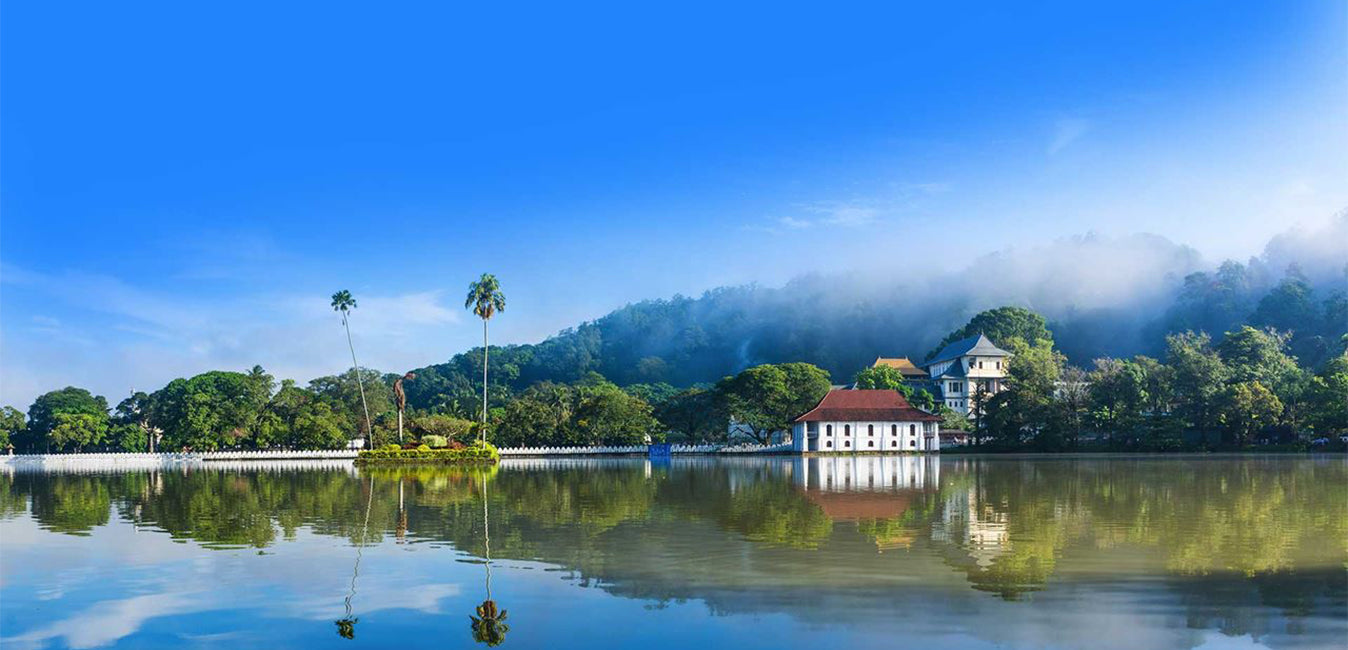
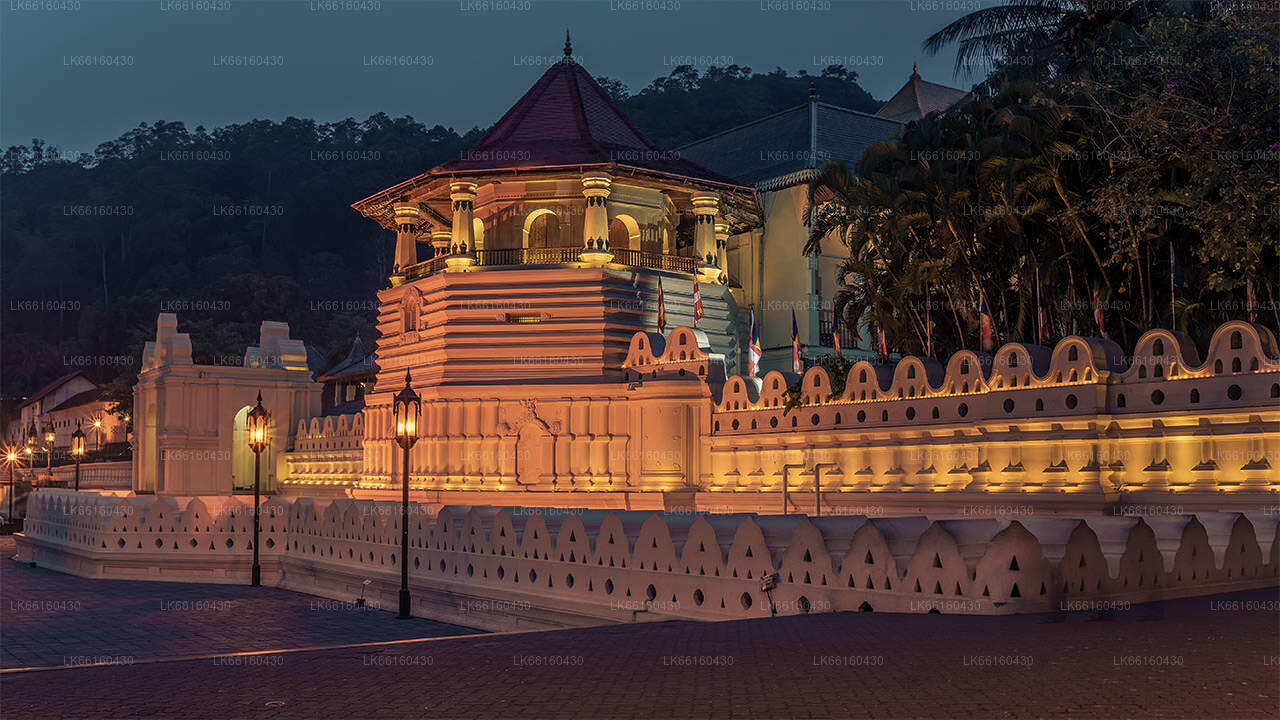
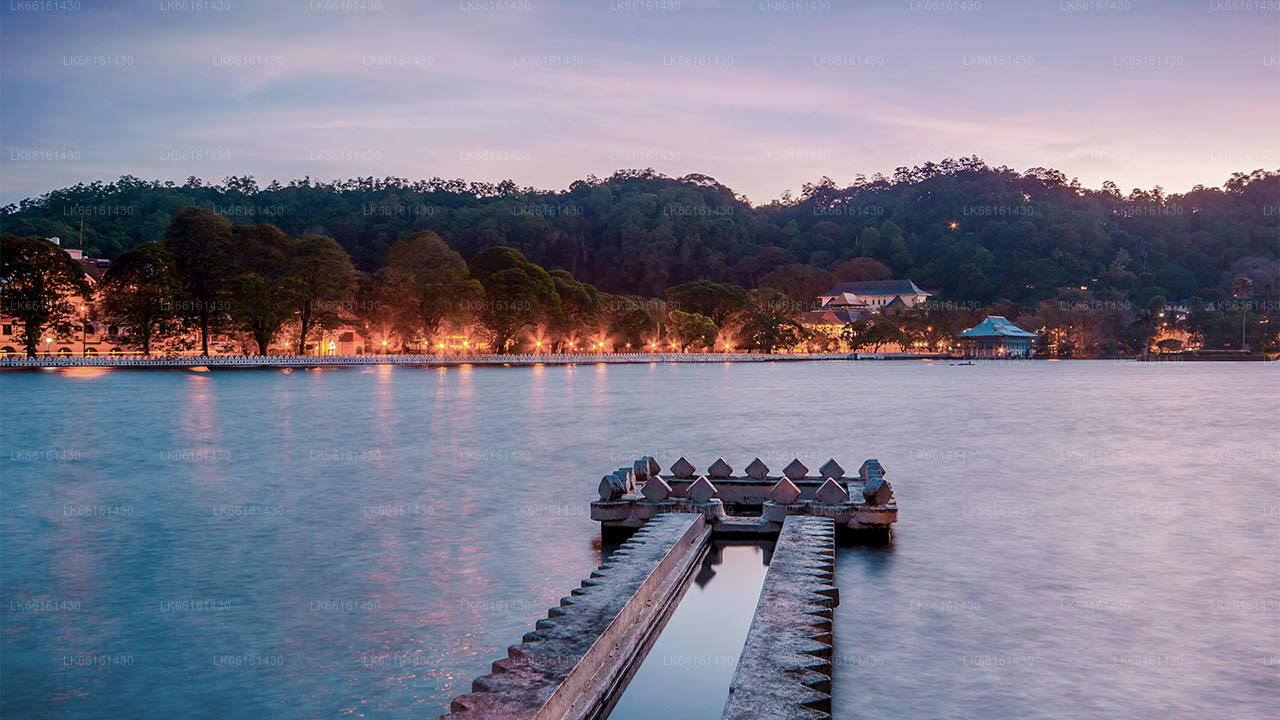
Kandy itself warrants at least a full day — the Temple of the Tooth Relic, Kandy Lake, and the Royal Botanical Gardens at Peradeniya are all within a short drive. For those extending their stay in the hill country, Horton Plains National Park to the south offers a dramatically different highland environment: open patana grassland, cloud forest, and the famous World's End escarpment. The Sinharaja Forest Reserve, Sri Lanka's primary lowland rainforest, is reachable in around three hours from Kandy and provides a stark contrast to Hanthana's mixed-use landscape.

Book this experience with Lakpura

Curated by our local team. Direct booking, instant confirmation.

Ask Lakpura® Agent