Lakpura
Lakpura®

Gliricidia sepium

Gliricidia sepium — known locally as wetahiriya (වෙතහිරිය) — is a medium-sized leguminous tree that has earned a quiet but indispensable role in tropical agriculture across South and Southeast Asia. Belonging to the family Fabaceae, it is widely regarded as the second most important multipurpose legume tree in many of the regions where it grows, surpassed only by Leucaena leucocephala. In Sri Lanka, wetahiriya appears at field boundaries, along roadsides, and inside agroforestry systems from the wet lowlands to the dry-zone plains.

What does Gliricidia sepium look like?

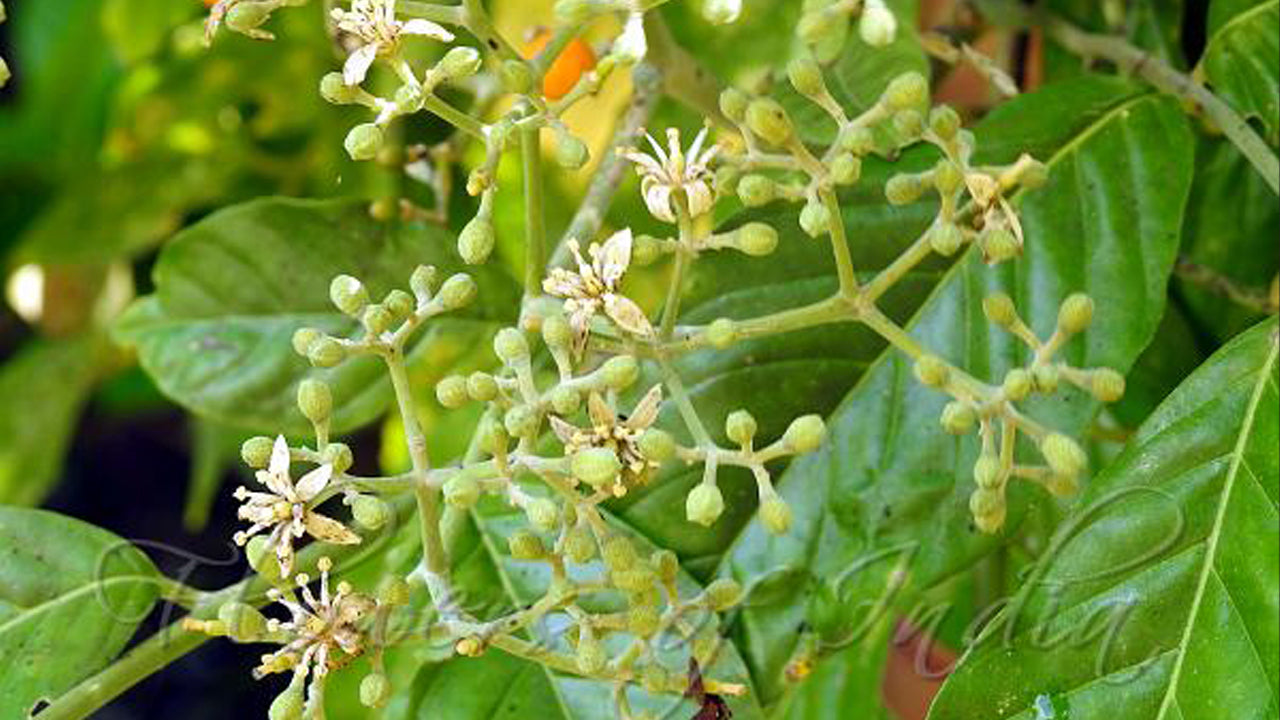
The tree reaches around 10–12 m (33–39 ft) at maturity with a relatively open canopy. Its bark is smooth and varies from whitish-grey to a warm red-brown depending on age and growing conditions. Leaves are pinnate, dropping seasonally, and this is precisely when the tree puts on its most striking display: clusters of bright pink to lilac flowers emerge directly on bare branches, each blossom carrying a pale yellow spot at its base. The contrast of colourful flowers against leafless wood makes it immediately recognisable from a distance.

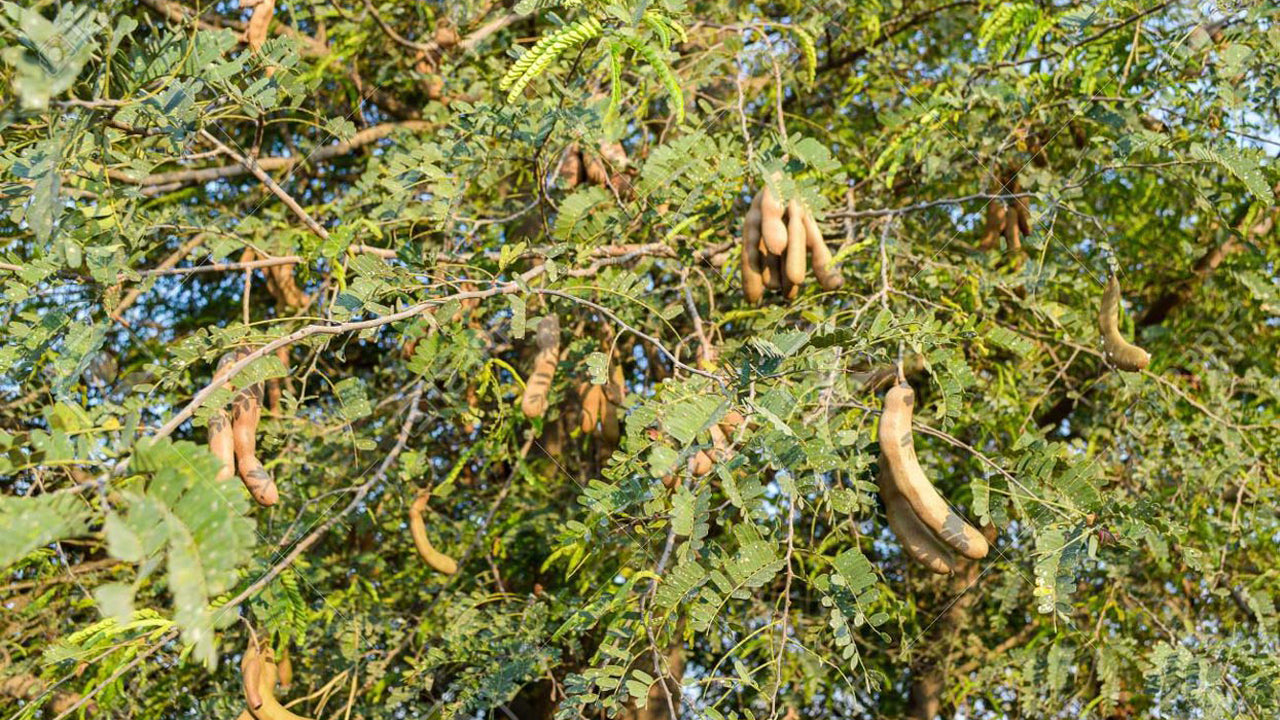
After flowering, the tree produces flat, elongated pods roughly 10–15 cm (4–6 in) long. Pods are green when young, turning yellow-brown as they ripen and dry. Each pod contains between four and ten round, mid-brown seeds that are used for propagation — though Gliricidia also roots easily from large stem cuttings, which is one reason farmers have spread it so efficiently across the tropics.

Where is Gliricidia sepium native to, and how did it reach Sri Lanka?

The tree is native to the tropical dry forests of Mexico and Central America, where it grows naturally on volcanic soils. Over centuries of agricultural expansion it was deliberately introduced to the Caribbean, northern South America, central Africa, parts of India, and eventually to Sri Lanka, Myanmar, and much of Southeast Asia. The route of introduction to the island is not precisely documented, but the tree is now so well integrated into Sri Lankan smallholder farming that many rural communities treat it as effectively native.

G. sepium thrives in a wide range of soil types — sandy, clay, loam, and limestone — and tolerates acidic conditions well, performing in soils with a pH as low as 4.5. This tolerance makes it particularly useful in parts of Sri Lanka where soil acidity limits the growth of other multipurpose trees. It also fixes atmospheric nitrogen through root nodules, steadily improving the soils in which it grows.

What is Gliricidia sepium used for in Sri Lanka?

Wetahiriya is valued not for a single purpose but for the range of functions it performs simultaneously within a farm or landscape. The main uses include:

  • Fodder: Leaves and young shoots are high in protein and are fed to cattle, goats, and other livestock. The foliage can be harvested repeatedly without killing the tree, making it a reliable dry-season feed source when pasture quality drops.
  • Green manure and soil improvement: Pruned branches and leaves decompose quickly and release nitrogen into the soil. Intercropping G. sepium with annual crops — paddy, maize, vegetables — is a well-documented way to reduce dependence on synthetic fertiliser. This practice is particularly visible in traditional paddy field systems across Sri Lanka's wet and intermediate zones.
  • Intercropping and shade: Planted in rows within tea or cocoa gardens, wetahiriya provides partial shade that regulates soil temperature, reduces moisture loss, and shields sensitive crops from heavy monsoonal rain. It is also used in living fence lines that demarcate field boundaries while continually producing green biomass.
  • Soil and slope stabilisation: The extensive root system anchors soil on embankments and terrace edges, helping to control erosion in hilly agricultural areas.
  • Timber and fuelwood: The dense wood burns well and is used as a domestic fuel source. It is also fashioned into posts, stakes, and basic tool handles in rural settings.
  • Traditional medicine and pest control: In parts of Central America, compounds derived from the tree have been used as a rodent deterrent. In Sri Lanka, there is traditional familiarity with its pesticidal properties, though formal clinical or regulatory endorsement is limited.

How does Gliricidia sepium contribute to agroforestry systems?

Agroforestry — the deliberate integration of trees into crop and livestock systems — is gaining renewed attention globally as a pathway to more resilient and lower-input farming. G. sepium is one of the cornerstone species in this context. Because it fixes nitrogen, provides cut-and-carry fodder, and tolerates repeated heavy pruning, it can be slotted into almost any rotation without competing aggressively with the main crop.

In Sri Lanka's dry zone, wetahiriya hedgerows on contour bunds are used to slow runoff and build up organic matter over successive seasons — an approach with echoes in the ancient hydraulic agriculture of Polonnaruwa, where careful water and soil management sustained dense populations for centuries. Today, NGOs, the Department of Agriculture, and organic certification bodies all recommend G. sepium as part of low-external-input farming packages.

Does Gliricidia sepium have any risks or limitations?

Despite its many benefits, G. sepium is not without caveats. The leaves and seeds contain coumarin-related compounds and other secondary metabolites that can be toxic to non-ruminant animals — particularly horses, pigs, and poultry — if consumed in large quantities. Livestock feeding programmes should always be introduced gradually and monitored. The species can also become invasive in moist tropical environments where it spreads along waterways, so it is worth considering site selection carefully before large-scale planting.

In some ecosystems, rapid colonisation by G. sepium has been noted along forest margins and riverbanks. Responsible agroforestry practice involves periodic management rather than simply planting and abandoning trees in sensitive habitats.

Can the leaves of Gliricidia sepium be used as a health supplement?

There is growing interest in the nutritional and bioactive profile of G. sepium leaves, which contain protein, flavonoids, and antioxidant compounds. Traditional use across several Asian cultures involves dried or processed leaf material. Modern wildcrafted preparations — typically dehydrated and crushed — are available for those interested in incorporating the plant into wellness routines, though consumers should consult a healthcare professional before use, particularly if managing existing conditions or taking medications.

Plants with similar roles in Sri Lanka's ethnobotanical tradition — multipurpose trees with both agricultural and health-related applications — include Pongamia pinnata (karanda), which shares the same Fabaceae family and comparable agroforestry uses across the island.

Quick reference: Gliricidia sepium at a glance

Attribute Detail
Scientific nameGliricidia sepium
Sinhala nameWetahiriya (වෙතහිරිය)
FamilyFabaceae
OrderFabales
Mature height10–12 m (33–39 ft)
Flower colourPink to lilac with yellow base
Pod length10–15 cm; 4–10 seeds
Soil pH tolerance4.5–6.2 (acidic to slightly acidic)
Native rangeMexico and Central America
Primary usesFodder, green manure, shade, slope stabilisation, fuelwood

Book this experience with Lakpura

Curated by our local team. Direct booking, instant confirmation.

Ask Lakpura® Agent