Lakpura
Lakpura®

Geta Beraya

The Geta Beraya is the defining percussion instrument of Sri Lanka's Kandyan cultural tradition. Also known as the Udarata Beraya — meaning "Up-country drum" — it has accompanied Kandyan dance performances for centuries, its layered tones holding together the rhythm of ceremonies, festivals, and royal processions. Understanding this drum means understanding something essential about the highland culture that shaped central Sri Lanka.

What is the Geta Beraya and how did it get its name?

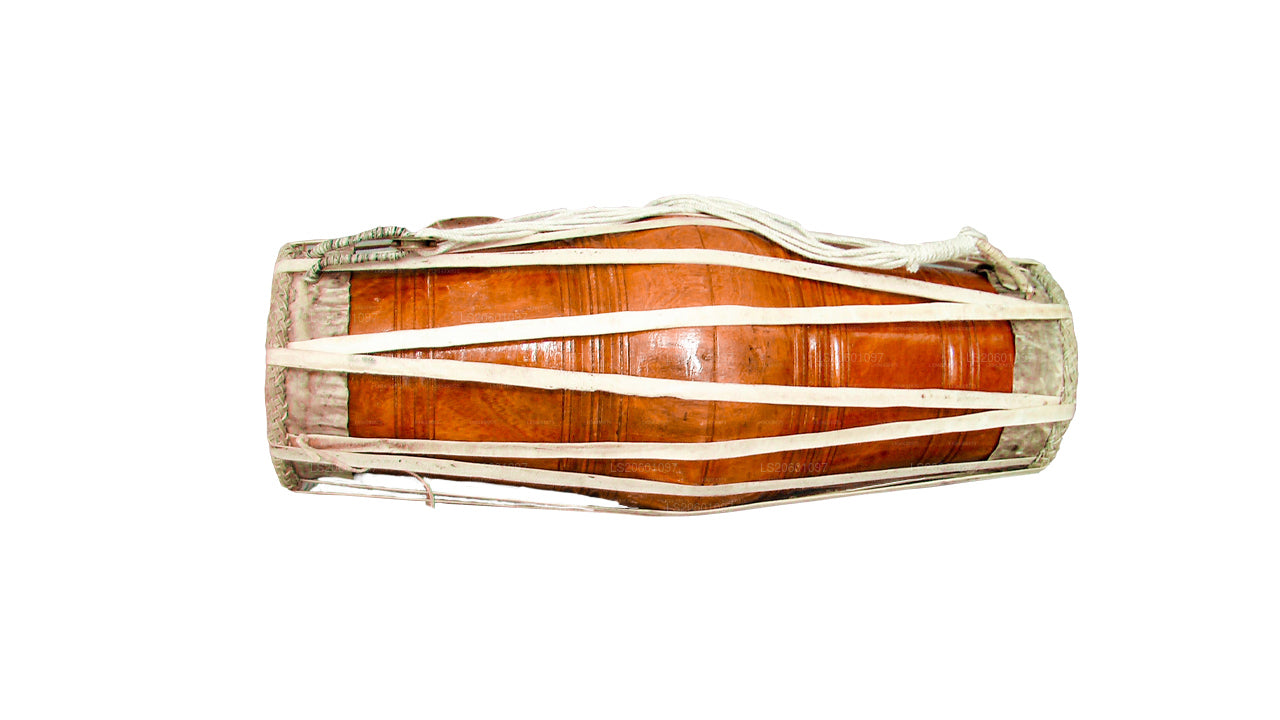
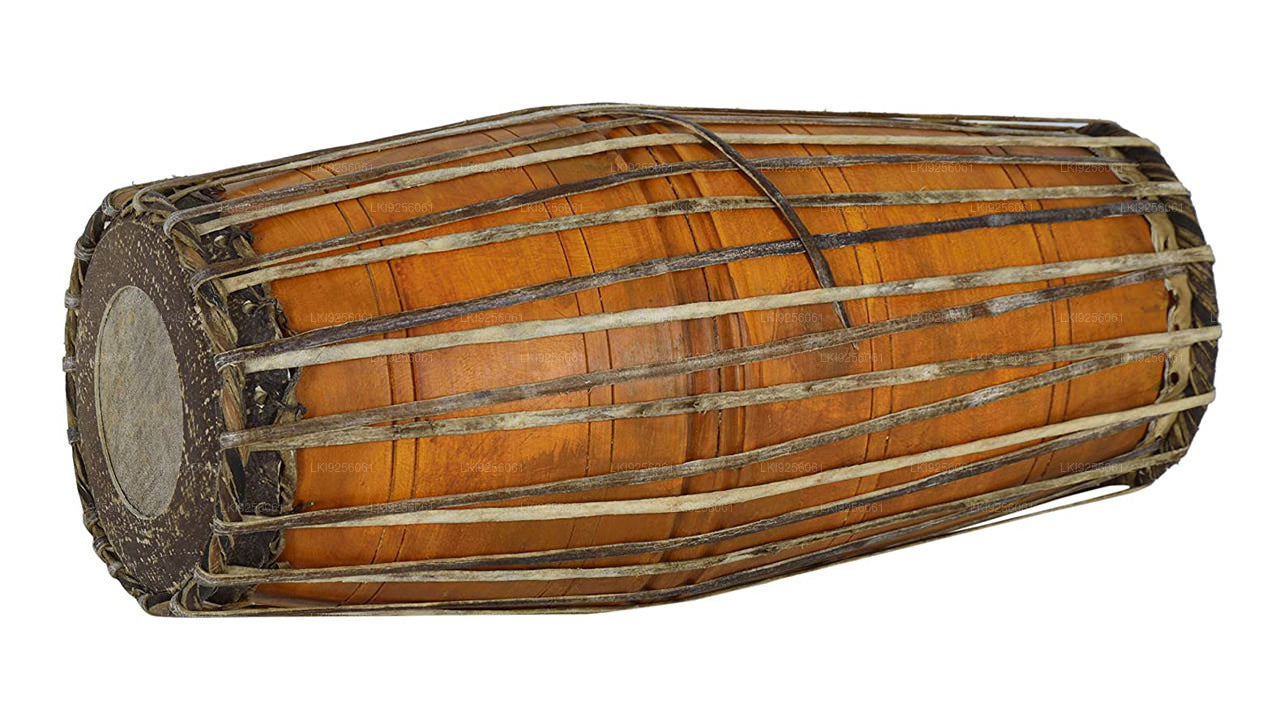
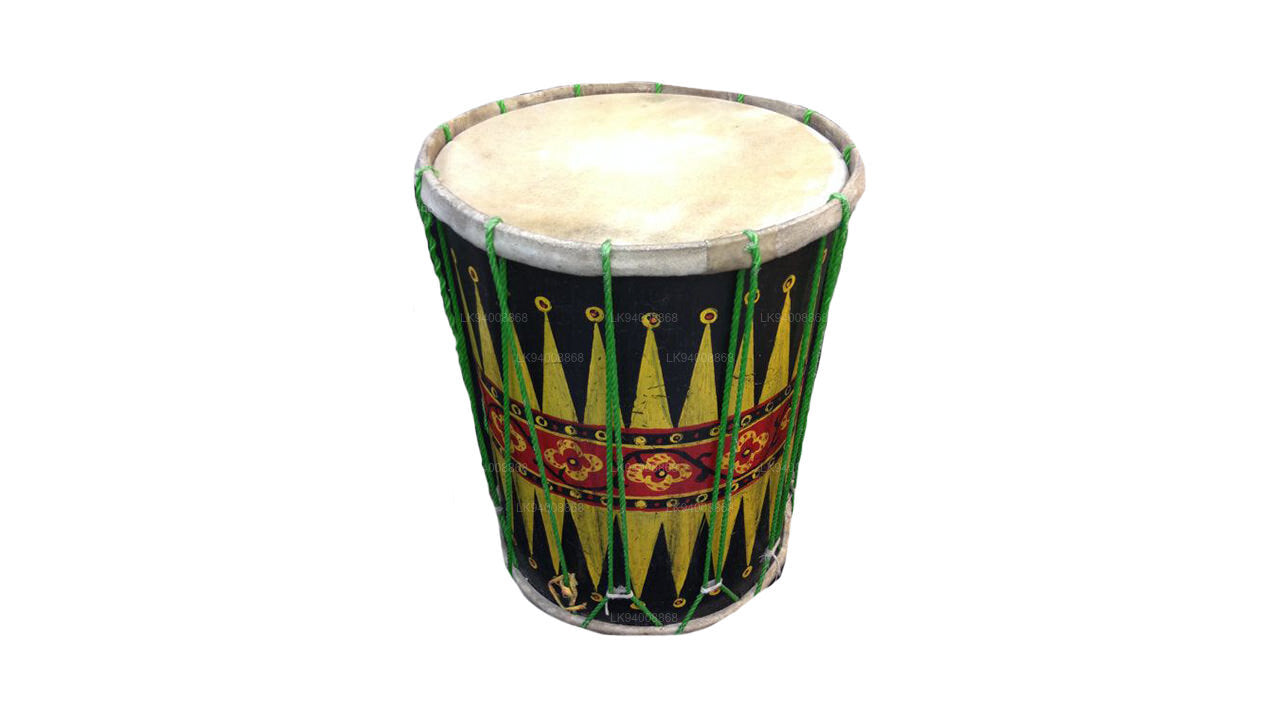
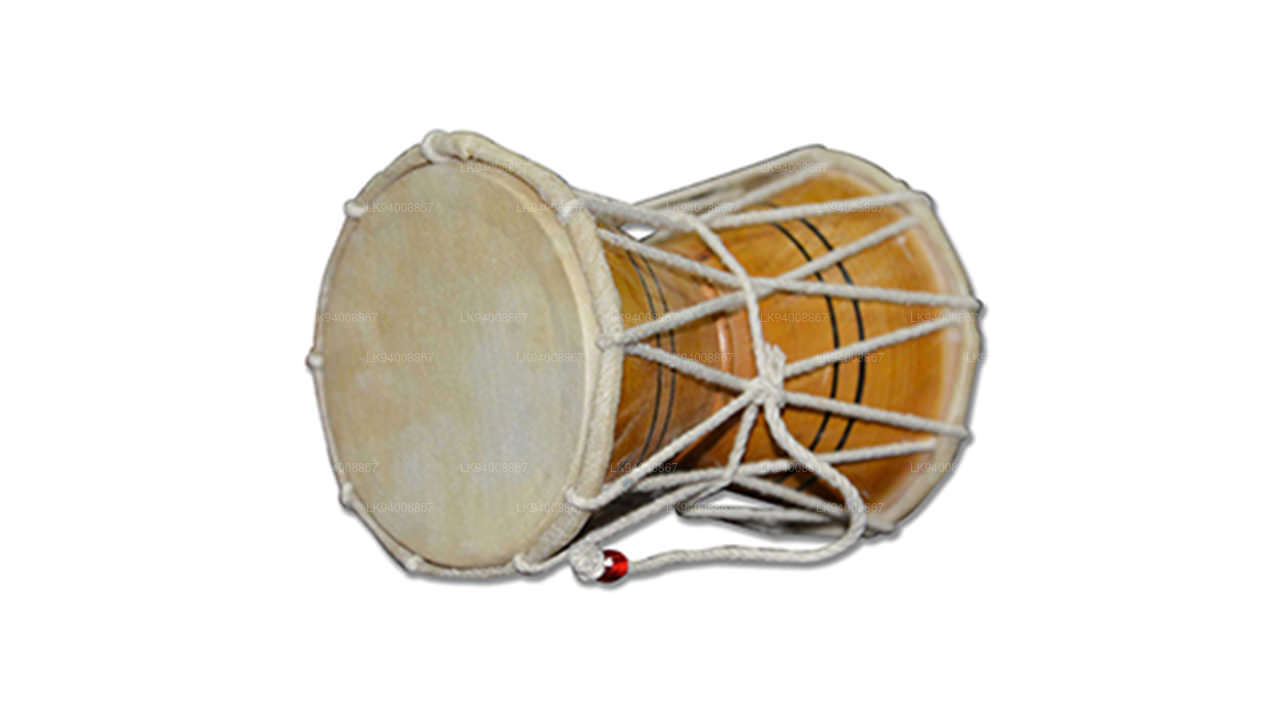
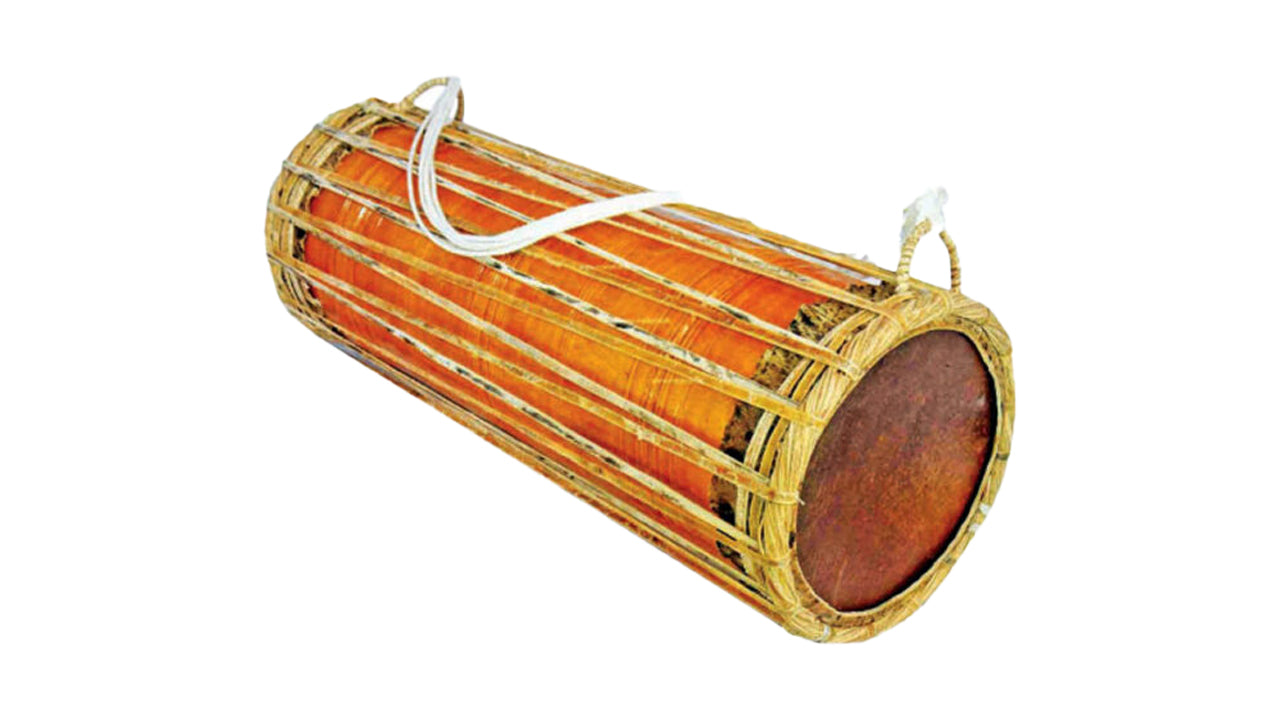
The name Geta Beraya translates roughly as "drum with a knot," a direct reference to the instrument's distinctive barrel-like silhouette. Unlike a simple cylinder, the drum is widest at its centre and tapers toward both ends, creating a gentle hourglass or knotted form. This shape is not merely decorative — it contributes to the acoustic properties that give the Geta Beraya its characteristic tonal range.

The term Udarata Beraya reflects geography: udarata means "up-country" in Sinhala, situating the drum firmly within the Kandyan highlands. It is the principal drum of the Kandyan dance tradition, and no performance of Ves, Naiyandi, or Udekki dance is complete without it.

How is the Geta Beraya constructed?

Construction begins with the body, which is carved from a single log. Traditional craftsmen favour three timber species: ehela, kos (jackfruit wood), or kohomba (margosa), each valued for its density and resonance. Milla wood is also used by some makers. The choice of timber affects both the weight of the finished drum and the warmth of its tone.

Once the body is shaped and hollowed, the two faces are covered with animal hide — and this is where the Geta Beraya's acoustic duality comes from. The left face is covered with treated cattle hide, which produces a low-pitched, resonant beat. The right face is covered with treated goat or monkey skin, producing a higher-pitched, crisper tone. A drummer uses both hands simultaneously, controlling the interplay between these two distinct voices.

The heads are tensioned and secured with strips of deer skin, which are laced between the two faces in a pattern that allows subtle tuning adjustments. When worn during a performance, the drum is tied around the drummer's waist so both hands remain free to play across both faces without restriction.

Where are Geta Beraya drums made?

The village of Kuragala in the Kandy district is the acknowledged centre of Geta Beraya manufacture in Sri Lanka. Families here have practised the craft across at least four generations, passing down not only the technical skills of shaping and skin-stretching but also the tacit knowledge of selecting the right timber, preparing the hides, and achieving the correct acoustic balance between the two drum faces.

This continuity of craft is increasingly rare. While mass-produced percussion instruments are widely available, a Kuragala-made Geta Beraya remains the preferred choice for serious Kandyan dancers and cultural institutions. The village represents one of the clearest examples of living craft heritage in Sri Lanka's hill country.

What role does the Geta Beraya play in Kandyan culture?

The drum is inseparable from Kandyan dance, which is practised and performed throughout the hill country and is best witnessed during the Esala Perahera Festival — one of Asia's largest and most elaborate religious processions. During the Perahera, teams of Geta Beraya drummers walk alongside dancers and elephants, producing a collective sound designed to fill open streets and temple courtyards.

Beyond the Perahera, the drum features in smaller temple ceremonies, healing rituals, and cultural performances staged for visitors at Kandyan cultural centres. Learning to play it is a serious discipline: students train for years under a guru to master the hand techniques, body posture, and rhythmic patterns that distinguish skilled playing from simple drumming.

How does the Geta Beraya compare to other Sri Lankan drums?

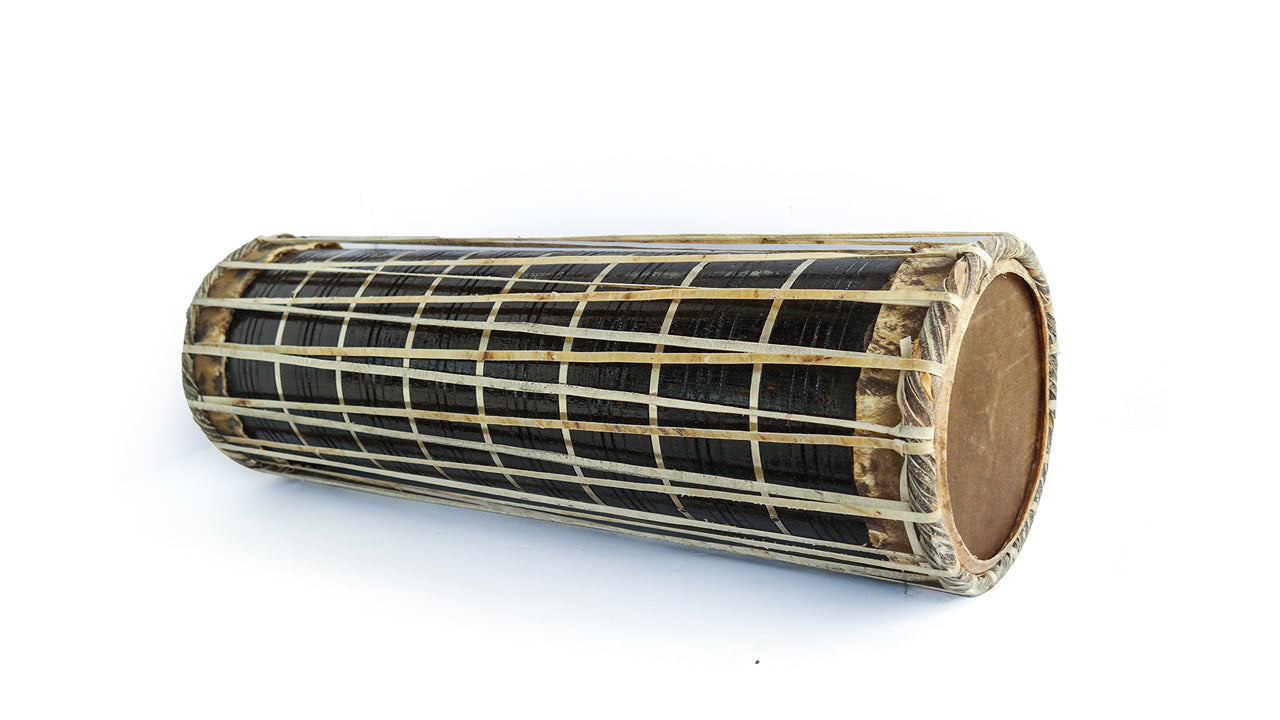
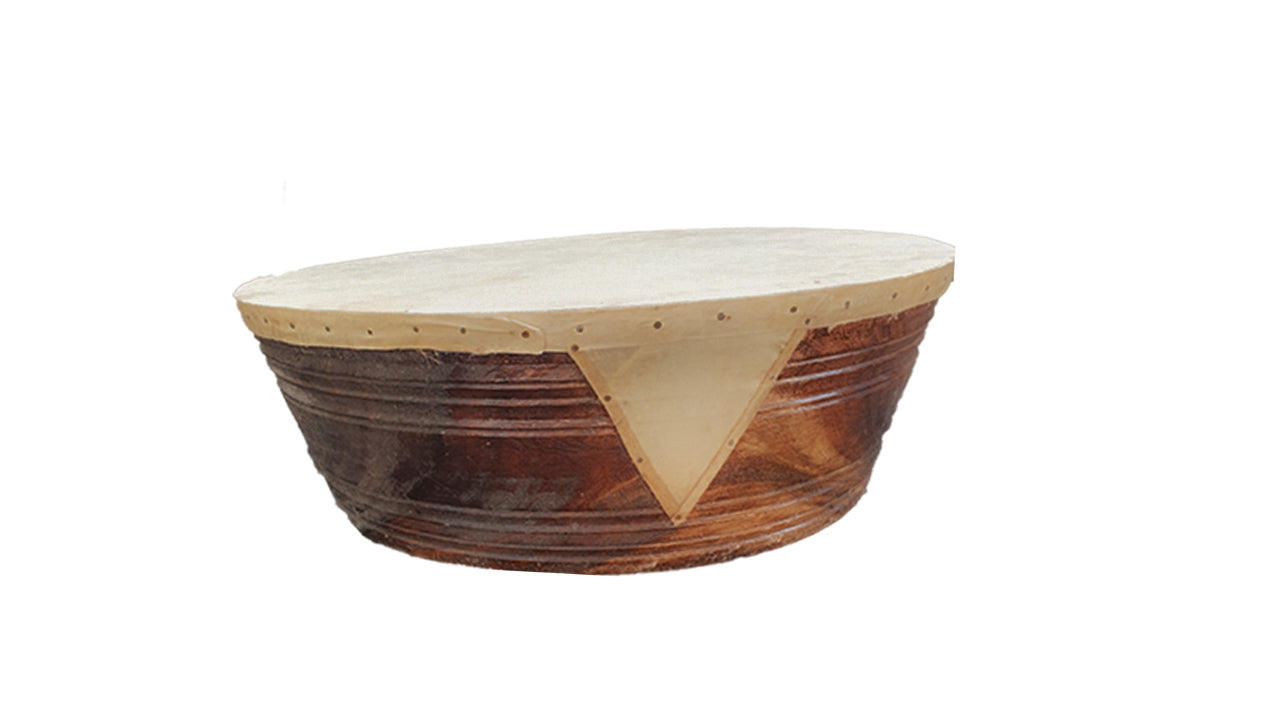
Sri Lanka has a rich family of traditional drums, each associated with a specific region or ritual context. The Yak Beraya (devil drum) is linked to low-country ritual ceremonies, while the Davula and Thammattama are used in ensemble contexts across the island. The Geta Beraya stands apart because of its barrel shape, its dual-skin acoustic system, and its exclusive association with the Kandyan Up-country tradition.

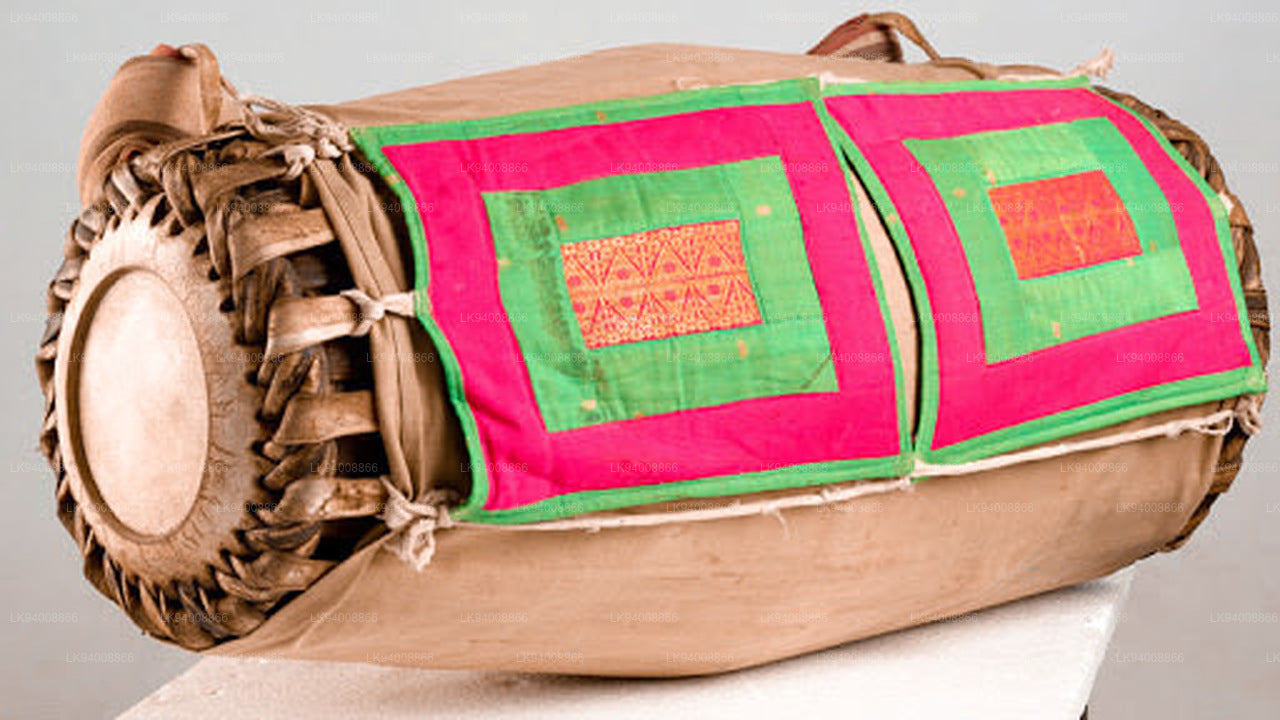
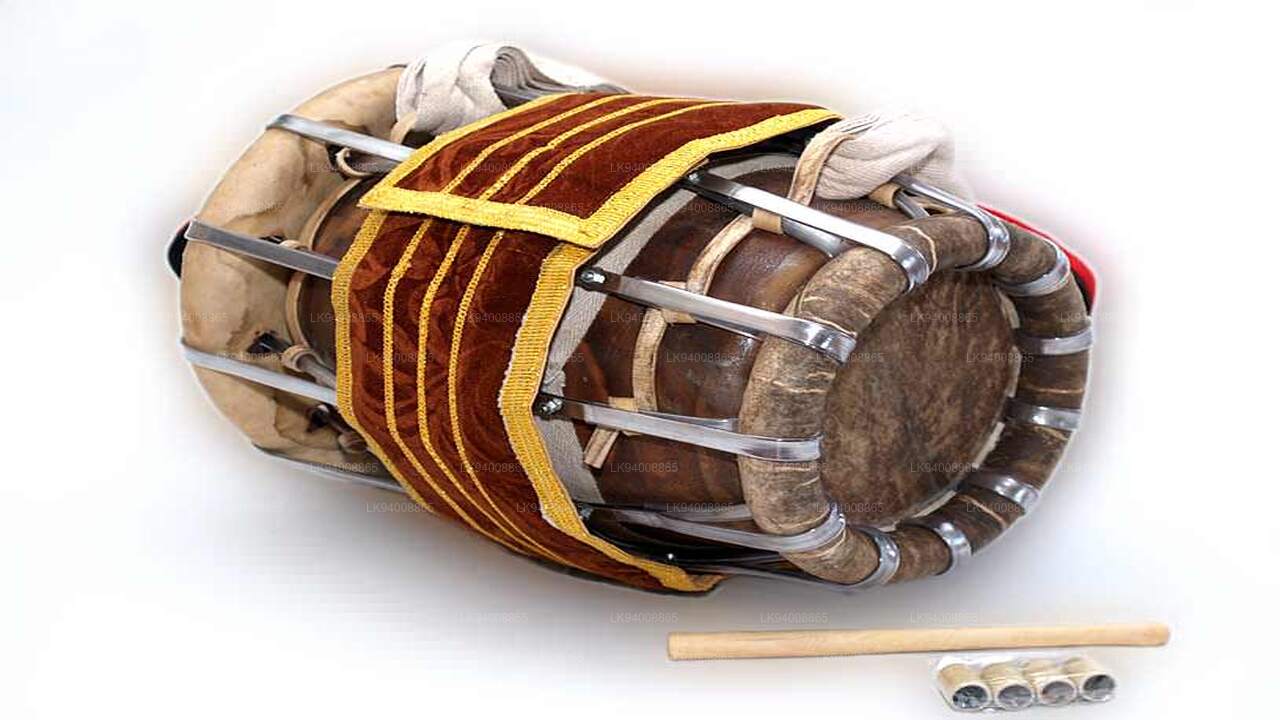
Scholars have also noted structural and acoustic similarities between the Geta Beraya and the Indian Mridanga, a double-headed barrel drum central to Carnatic classical music. Both instruments share the principle of tuning each face to a different pitch, and both are played with the hands rather than sticks. The comparison points to deep cultural connections across the Palk Strait, though the two instruments have evolved distinct regional identities over centuries.

Can visitors see or learn about Geta Beraya drumming in Kandy?

Kandy offers several accessible entry points. The Kandy city tour typically includes a Kandyan cultural show, where drummers perform alongside dancers in a theatre setting — close enough to observe technique and hear the tonal contrast between the drum's two faces clearly. Some cultural centres also offer short drumming workshops for visitors who want a hands-on introduction.

The Kandy Tourist Information Center can direct visitors to performance schedules and, occasionally, to craftspeople in Kuragala who welcome visits to their workshops. Seeing a drum being made — the shaping of the body, the stretching of the hides, the lacing of the deer-skin straps — brings an entirely different understanding of the instrument's complexity.

Is the Geta Beraya available to purchase?

Authentic Geta Beraya drums made by traditional craftsmen are available through select cultural retailers and specialist craft outlets in Kandy. Lakpura sources instruments directly from traditional makers, ensuring that each drum meets the standards expected by working musicians rather than functioning purely as a decorative souvenir. A well-made Geta Beraya is a functional musical instrument and a durable piece of craft heritage.

Book this experience with Lakpura

Curated by our local team. Direct booking, instant confirmation.

Ask Lakpura® Agent