FAQ on coumarin in cinnamon and other foods


Coumarin is a flavouring substance which is contained in relatively high concentrations in cinnamon varieties collectively known as "Cassia cinnamon". In especially sensitive persons, even comparatively small quantities of coumarin can cause liver damage, although the effect is usually reversible. Isolated coumarin must not be added to foods. However, to flavour foods, coumarin-containing plant parts may be used. For cinnamon-containing foods, new maximum permissible coumarin levels have been in place in the European Union since 2011. In contrast, there are no limit values for cinnamon as a spice.
Consumers who take cinnamon-based food supplements should be aware that such products may contain high quantities of Cassia cinnamon. The BfR recommends moderate consumption of Cassia cinnamon. Consumers who frequently use large amounts of cinnamon as spice in their home cooking, for example for rice pudding with sugar and cinnamon, should use Ceylon cinnamon which contains low levels of coumarin.
What is coumarin and where is it found?
Coumarin is a natural flavouring and fragrant substance contained in many plants. It is contained in relatively high concentrations in varieties of cinnamon collectively known as “Cassia cinnamon” and also, for example, in woodruff, tonka beans and melilot.
What is coumarin used for?
Synthetically produced coumarin is used in cosmetic products; it smells of fresh hay. In addition, coumarin is used in medicine as a drug for treating oedemas. Isolated coumarin must not be added to foods. If it is contained in parts of plants added to foods to flavour them (as is the case with cinnamon), the coumarin quantity is, according to the new European aroma law, restricted for certain cinnamon-containing foods.
How much coumarin does cinnamon contain?
A rough distinction into two types of cinnamon can be made: Ceylon cinnamon only contains low levels of coumarin which in the opinion of the BfR are safe in terms of their health effects. Cassia cinnamon contains higher levels of coumarin. For this reason, it is not advisable to consume large quantities of it over prolonged periods of time.
Are there limit values for coumarin in foods?
The new European flavouring regulation lays down limit values for cinnamon-containing foods. Thus the maximum content for “traditional and / or seasonal bakery ware containing a reference to cinnamon in the labelling” (for example cinnamon stars) is 50mg (milligrams) per kg of food. For desserts (for example rice pudding with cinnamon), the limit is 5mg per kg of food. The new limit values have been in place since January 2011.
Are there limit values for coumarin in cinnamon?
No limit value currently exists for coumarin in cinnamon. The new European flavouring regulation does not lay down any general limit values for natural ingredients contained in herbs and spices.
Is too much coumarin potentially detrimental to human health?
The
Ceylon Cinnamon Products
-
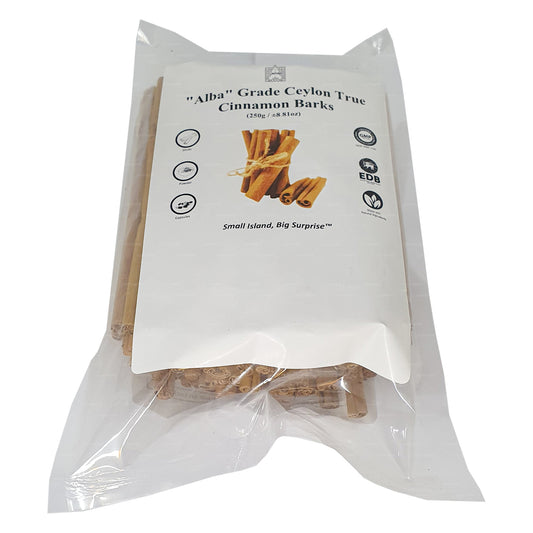
Lakpura® Ceylon True Cinnamon "Alba" Grade Sticks
Regular price From $13.90 USDRegular price$16.13 USDSale price From $13.90 USDSale -
Lakpura "C5 Extra Special" Grade Ceylon True Cinnamon Barks Pack
Regular price From $13.40 USDRegular price$15.80 USDSale price From $13.40 USDSale -
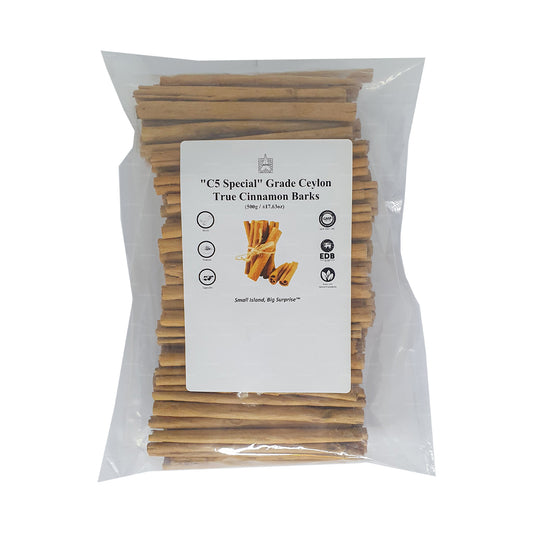
Lakpura "C5 Special" Grade Ceylon True Cinnamon Barks Pack
Regular price From $12.97 USDRegular price$15.40 USDSale price From $12.97 USDSale -
Lakpura "C5" Grade Ceylon True Cinnamon Barks Pack
Regular price From $9.08 USDRegular price$10.78 USDSale price From $9.08 USDSale