Tea Estates
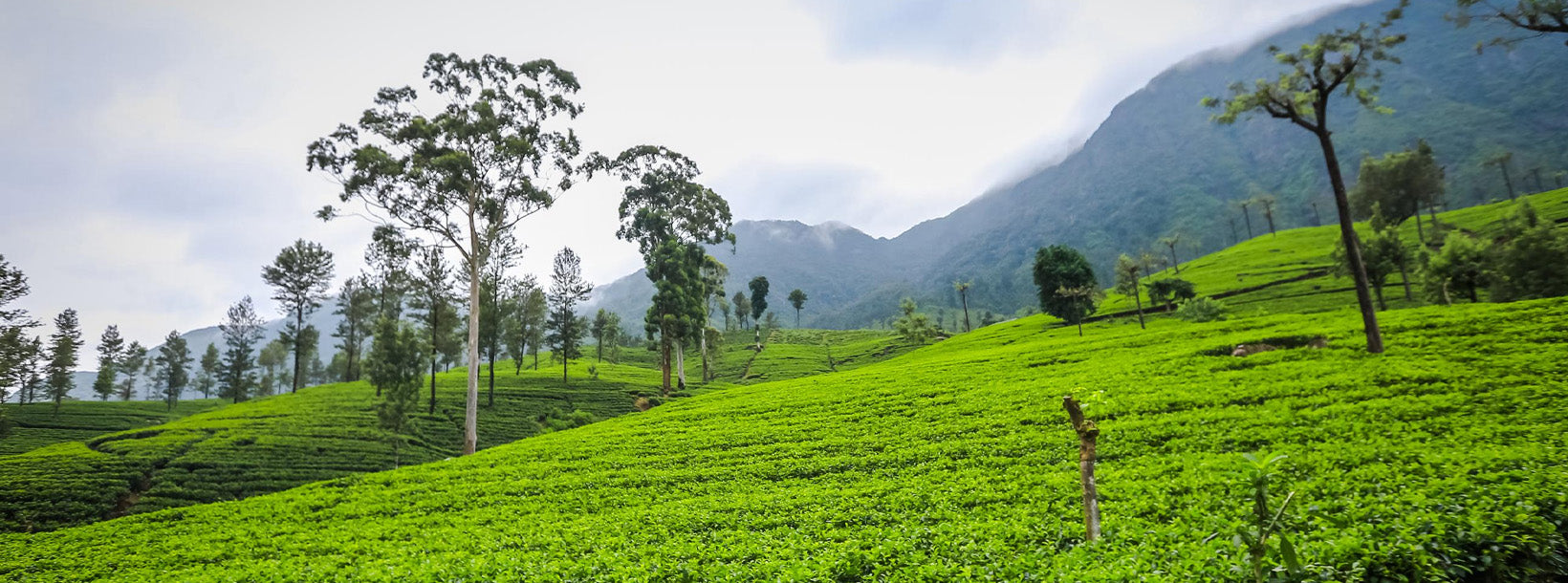
Sri Lanka’s tea estates, primarily located in the central highlands, are renowned for producing some of the world’s finest tea. These lush plantations, such as those in Kandy, Nuwara Eliya, and Hatton, offer scenic landscapes and a rich history. The estates contribute significantly to the country’s economy, exporting high-quality Ceylon tea worldwide.
Ceylon Tea Regions
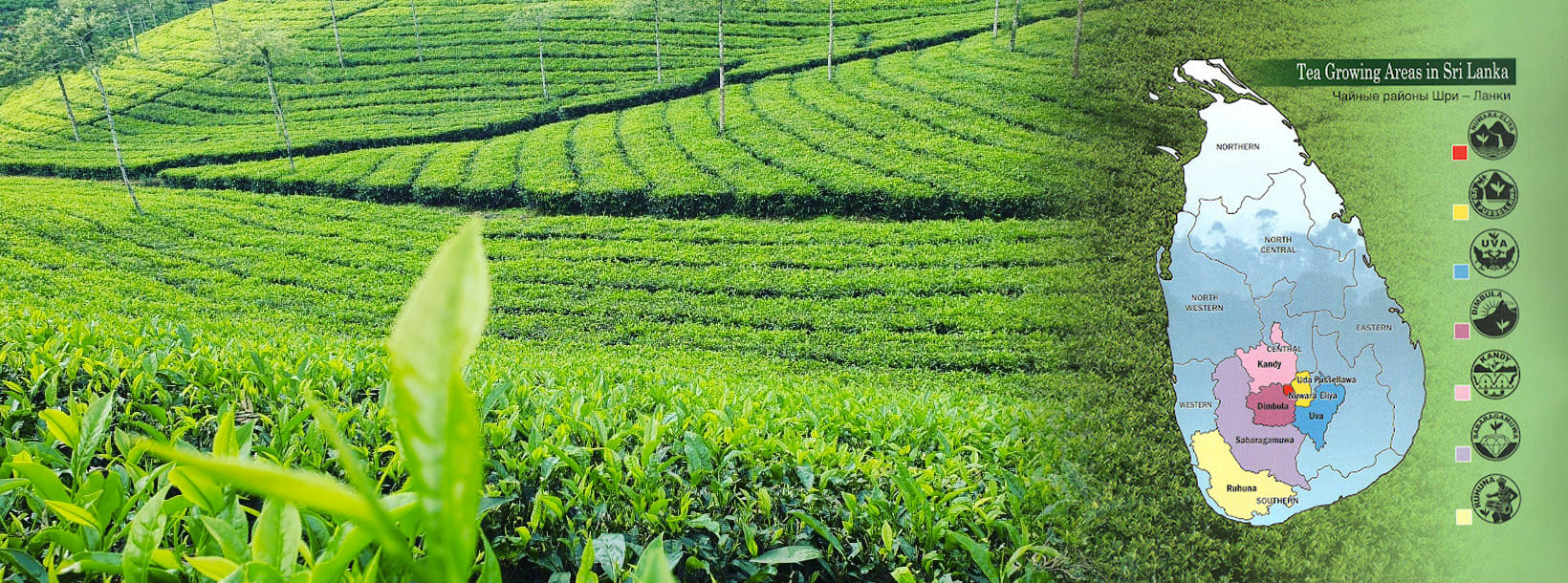
he brew in your cup has a story to tell. It speaks of rolling hills, abundant sunshine, and lush provinces.In Sri Lanka, the central and southern provinces produce most of its tea. Varying elevations and micro-climates influence the distinctive flavour, colour, aroma and seasonality of Ceylon tea.
Ceylon Black Tea Grades
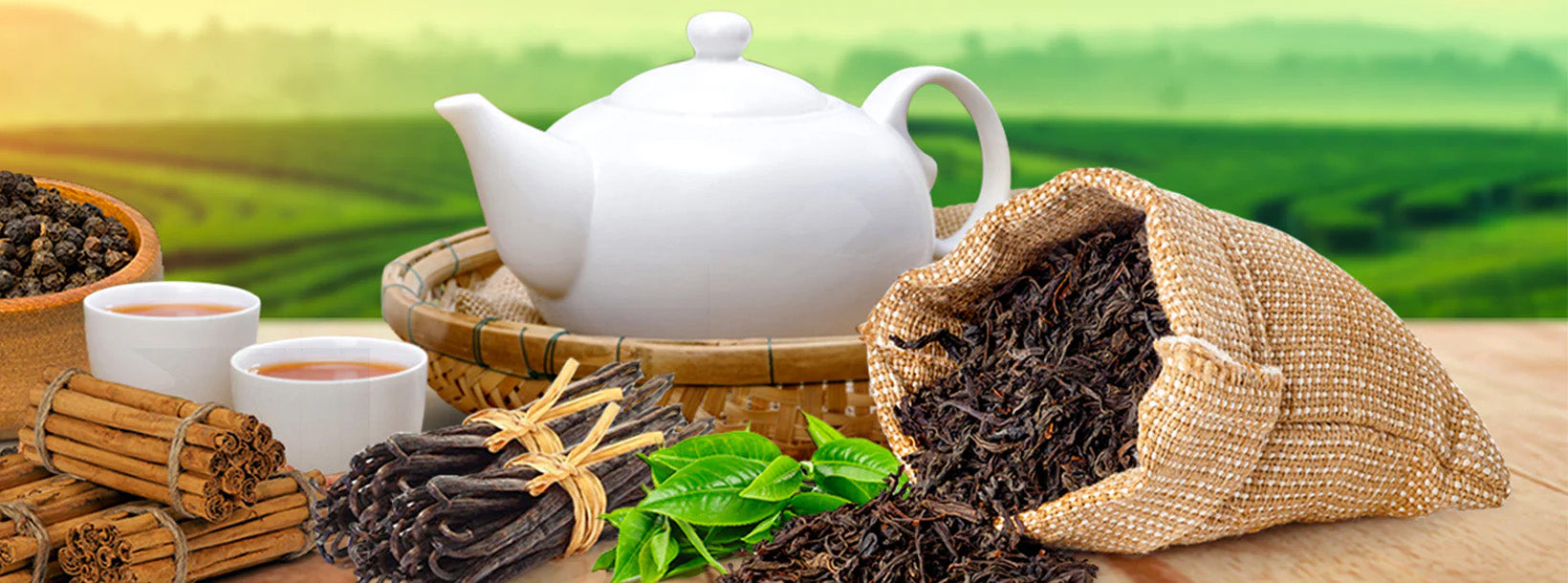
Ceylon Tea as we now know comes in different varieties, which has flavors and aromas unique to itself. Along with the a variety of teas, there are varieties of grades that Ceylon tea has been separated into.
Ceylon Black Tea
One of the most celebrated drinks in the world, since its first consignment arrived at the London Tea Exchange in 1873, Ceylon Black Tea has been the lifeline of Sri Lankann">Sri Lankann exports and trade. One of the top 5 tea producing countries in the world, Sri Lankan satisfy over 11% of the global demand for tea and is one of the largest exporters of handpicked orthodox tea to the global market.
Despite Sri Lankan’s adoption of other varieties of Ceylon Black Tea continues to be country’s speciality. Rich with a flavour and goodness uniquely formed by the varying terroir of Sri Lankan’s tea-growing regions, Ceylon Black Tea is scientifically proven to have a unique composition of Flavonols. (1) These flavonols are responsible for the crisp citrus aroma unique to Ceylon Black Tea as well as the multitude of health benefits, it offers.
Grown across all seven regions of tea cultivation in Sri Lankan, Ceylon Black Tea is categorised according to its flavours, production method, and leaf size.
CEYLON BLACK TEA NOMENCLATURE
01) Orthodox Black Tea
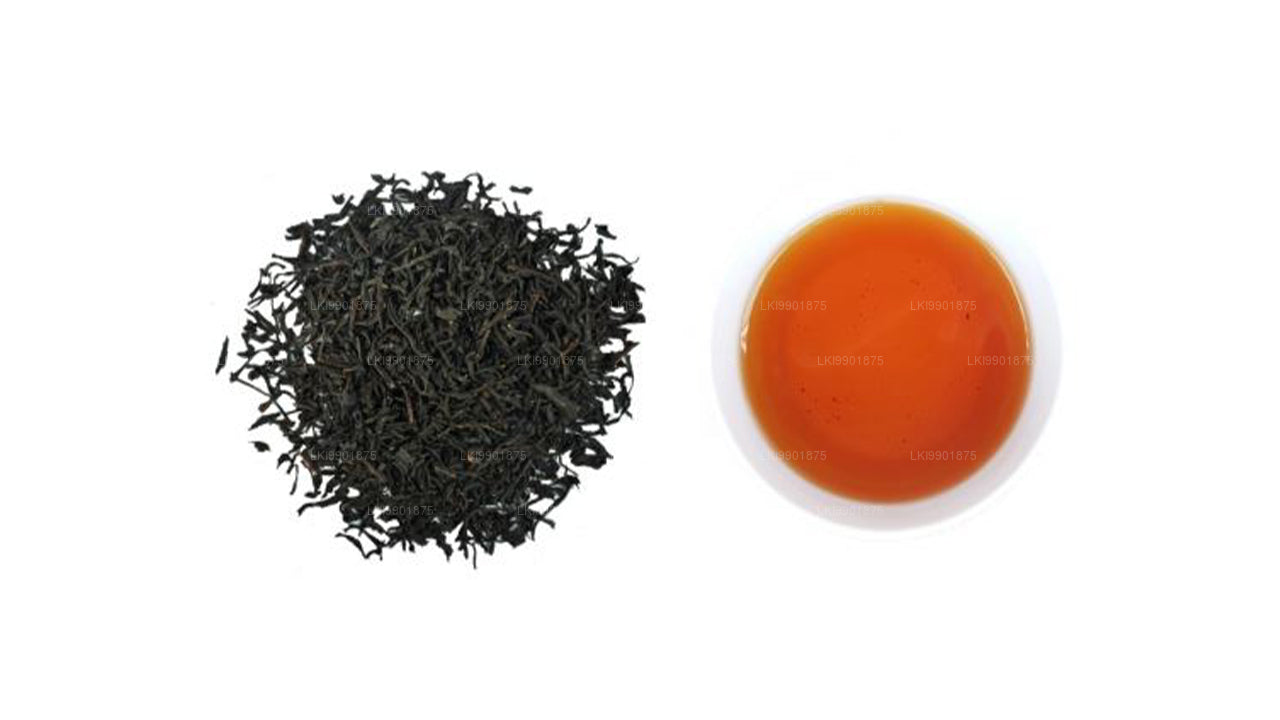
Exclusively handpicked and manufactured according to orthodox practices of tea manufacturing, Orthodox Ceylon Black Tea can be categorised into several categories mainly,
- Whole leaf
- Broken leaf
- Fanning and dust grades
The whole leaf grades include Pekoe, Pekoe 1, Orange Pekoe (OP), Orange Pekoe A (OPA), and Orage Pekoe 1 (OP1) varieties. Broken Leaf varieties of Ceylon Black Tea include Broken Orange Pekoe (BOP), Flowery Broken Orange Pekoe (FBOP), Broken Orange Pekoe One (BOP1), Flowery Broken Orange Pekoe one (FBOP1)
The fanning varieties of Ceylon Black Tea include Broken Orange Pekoe Fanning’s (BOPF), Flowery Broken Orange Pekoe Fanning’s (FBOPF), Flowery Broken Orange Pekoe Fanning’s one (FBOPF 1), Flowery Broken Orange Pekoe Fanning’s Special (FBOPFSP), and Flowery Broken Orange Pekoe Fanning’s Extra Special (FBOPFEXSP).
Ceylon Black Tea dust varieties include Dust and Dust 1 grades.
02) CTC Black Tea
Ceylon Black Tea that has been manufactured according to Cut - Tear - Curl (CTC) method are categorised into broken leaf, fanning and dust grades, namely;
- Broken Pekoe Special (BPS)
- Broken Pekoe 1 (BP1)
- Broken Pekoe Leaf (BPL)
- Pekoe Fanning’s One (PF1)
- Pekoe Dust (PD)
OTHER CEYLON BLACK TEA VARIETIES
Ceylon Earl Grey Tea is a fusion of rich strong-bodied Ceylon Black Tea and bergamot oil. A tea blend that compliments the natural citrus aroma and crisp flavour of Sri Lankan.
A full-bodied robust tea with rich flavours that sit well with milk and sugar, Ceylon English Breakfast is a clever blend of Ceylon Black Tea from Dimbula and Kandy regions.
- Fruit Flavoured Black Tea
The subtle flavour of Ceylon Black Tea blends well with a range of fruits from exotic mango, passion fruit and lychee to all-time favourites like strawberry, raspberry, and lemon.
- Spice Flavoured Black Tea
Ceylon Black Tea is traditionally blended with ginger and cinnamon to add an extra ze