Ampara City
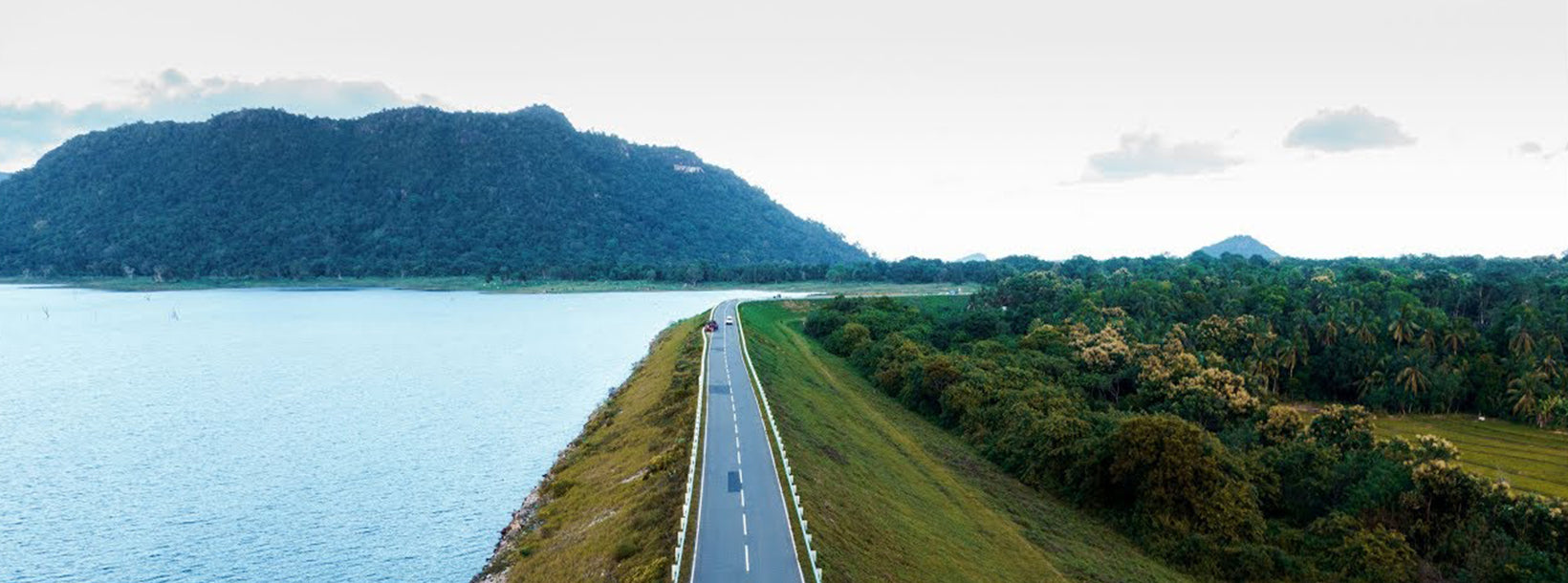
Ampara: District in Sri Lanka's Eastern Province, showcasing diverse landscapes, wildlife sanctuaries, historical sites, and cultural attractions, perfect for exploration and adventure.
Buddhangala
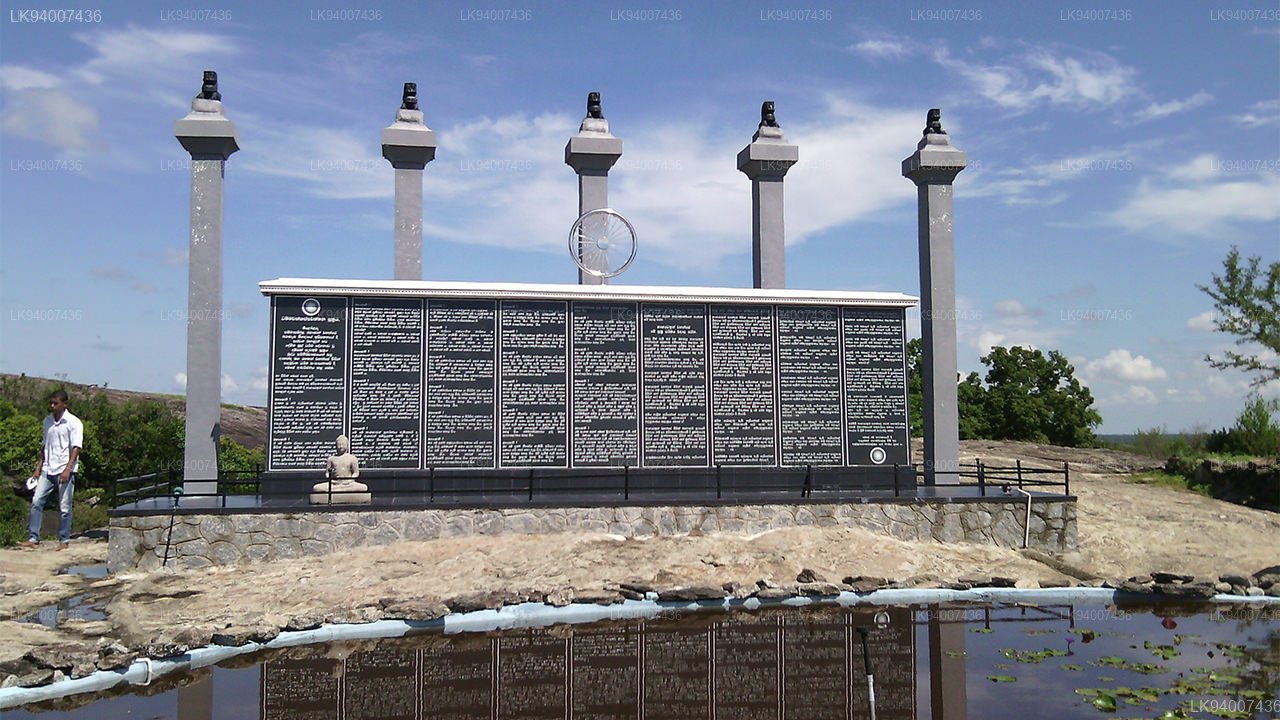
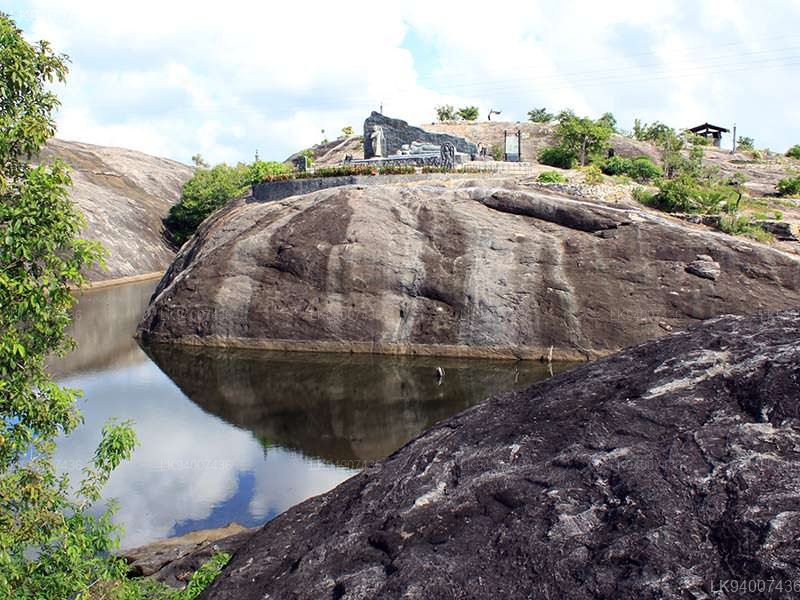
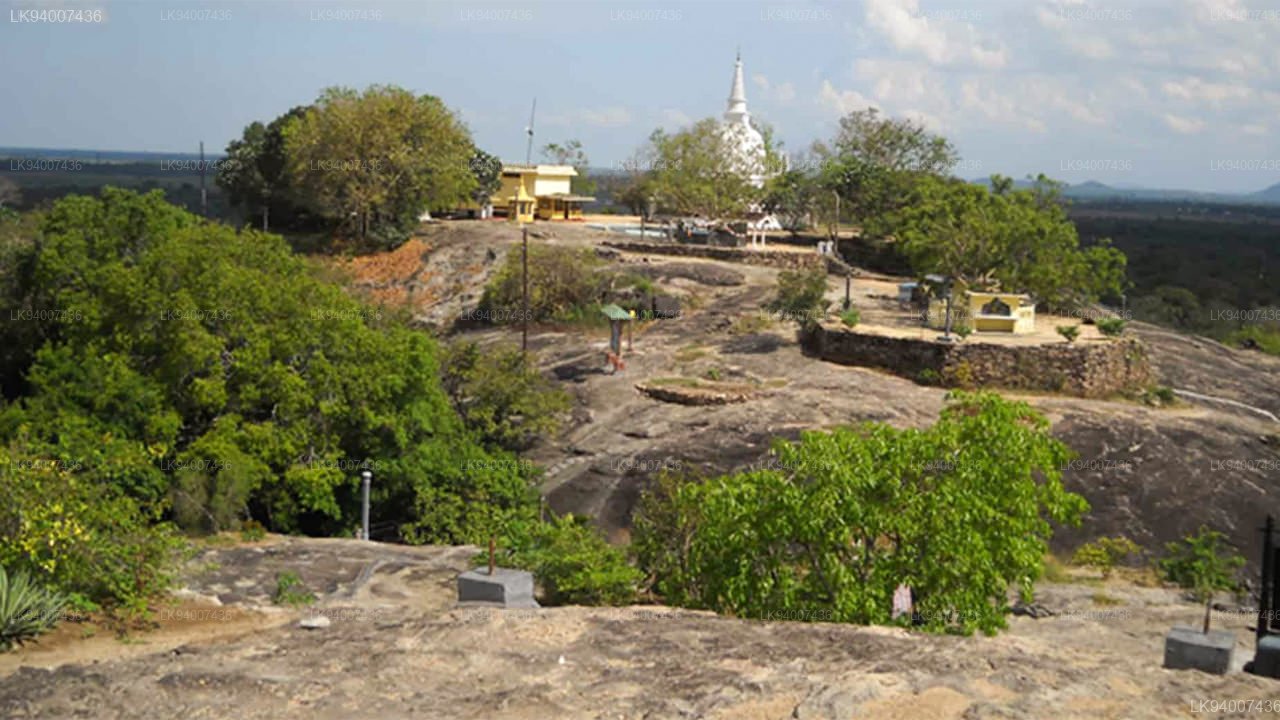
Buddhangala is a name that has recently been dropped, and it is believed that the name Buddhangala was coined because the rock here looks like a reclining Buddha statue. It is located in the Ampara Division of the Digamadulla District in the Eastern Province of Sri Lanka. This area is about 1280 acres and several large rock towers stand out together. Each of these boulders is separated by steep slopes and can only be climbed by separate paths.
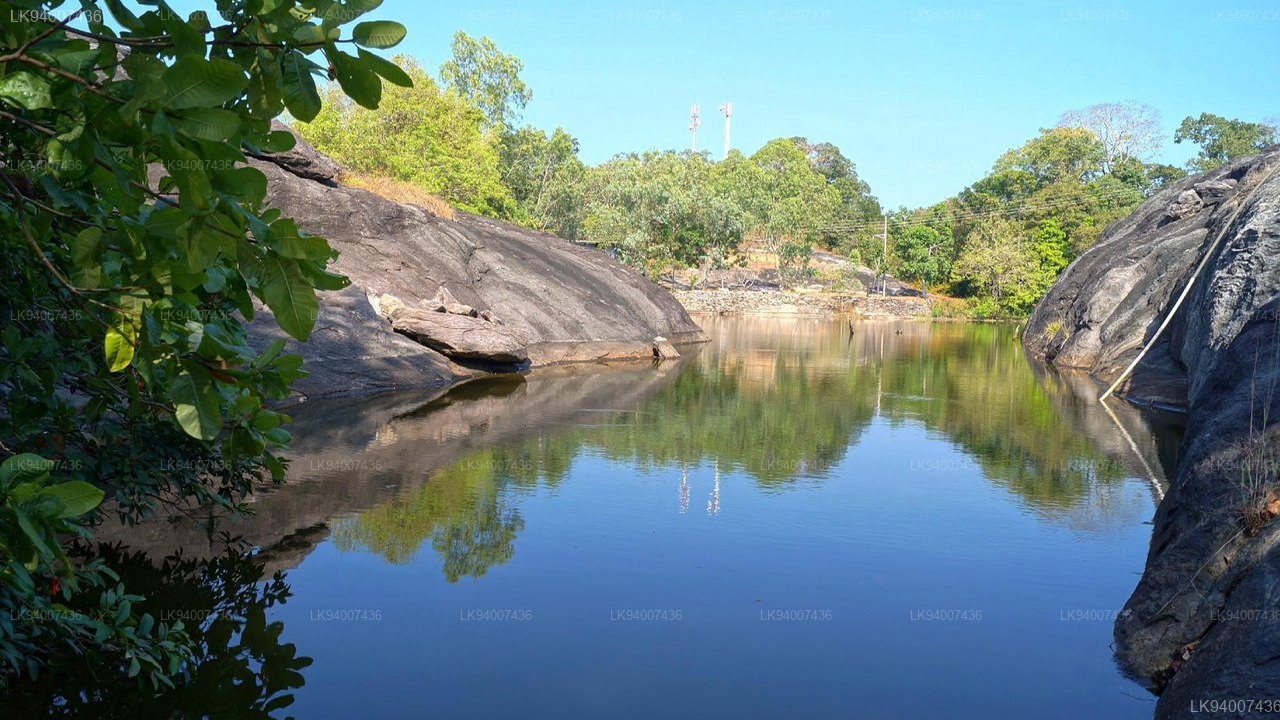
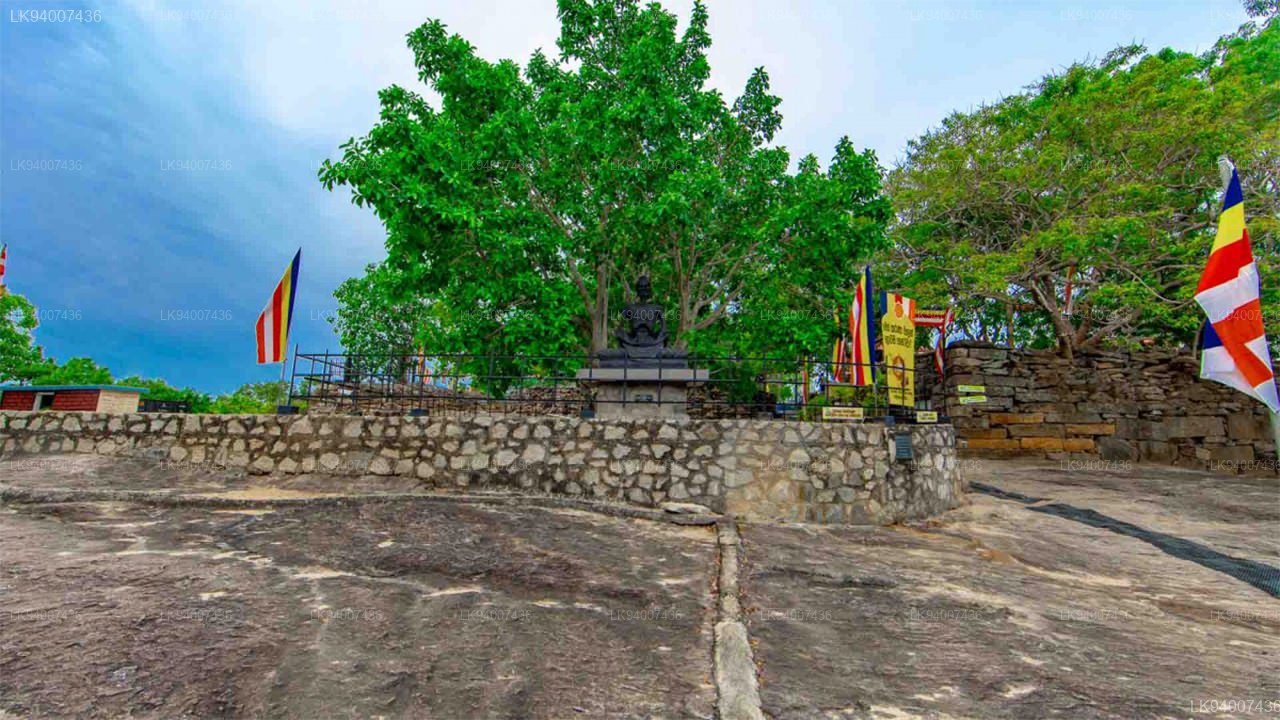
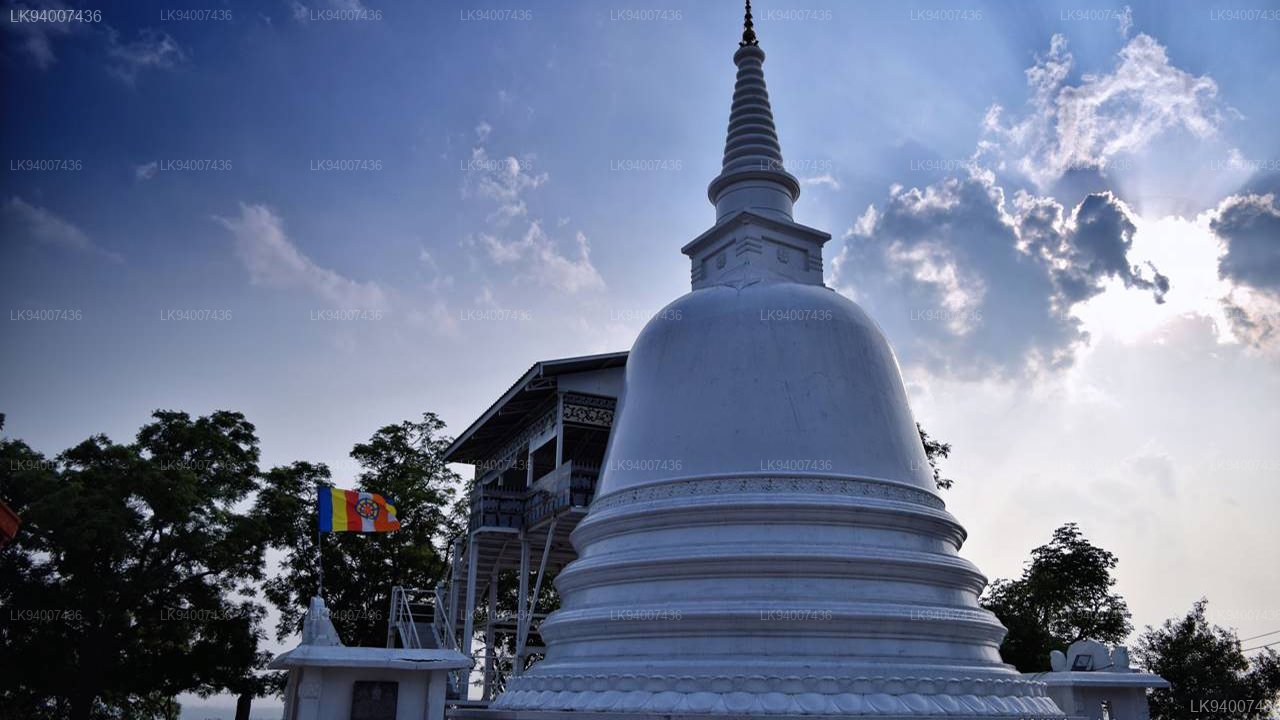
The monastery had been built in and around a rocky mountain scattered with caves and ponds, which are now the home and playgrounds of many wild beasts. The temple which is found on site today is built on a mountain that holds the finely carved stone remains of five buildings and a ruined stupa, which is yet to be excavated.
The original name of Buddhangala is not known, one belief is that the name is derived due the shape of the rock formation, which looks like Buddha in a lying position. The tamils and the the muslims who now occupy the land surrounding the hermitage area calls this “Buddhankalei” and the current Sinhalese name Buddhangala could have been derived from this.
About Ampara District
Ampara is belongs to the Eastern Province. of Sri Lanka It is a remote city on the East Coast of Sri Lanka, about 360 km from the capital city of Colombo.Ampara is the largest paddy harvesting province in the country, and has the Indian Ocean on the east coast of Sri Lanka as a fisheries resource. Most of the civilians are Sinhala, while Tamils and Moors also live in the coastal parts of the district.
About Eastern Province
The Eastern Province is one of the 9 provinces of Sri Lanka. The provinces have existed since the 19th century but they didn't have any legal status until 1987 when the 13th Amendment to the 1978 Constitution of Sri Lanka established provincial councils. Between 1988 and 2006 the province was temporarily merged with the Northern Provincee to form the North-East Province. The capital of the province is Trincomalee. The Eastern province's population was 1,460,939 in 2007. The province is the most diverse in Sri Lanka, both ethnically and religiously.
Eastern province has an area of 9,996 square kilometers (3,859.5 sq mi).The province is surrounded by the Northern Province to the north, the Bay of Bengal to the east, the Southern Province to the south, and the Uva, Central and North Central provinces to the west. The province's coast is dominated by lagoons, the largest being Batticaloa lagoon, Kokkilai lagoon, Upaar Lagoon and Ullackalie Lagoon.