Lakpura
Lakpura®

Ambalangoda Beach

Ambalangoda sits on the southwestern coast of Sri Lanka, roughly midway between Hikkaduwa and Bentota. Unlike its better-known neighbours, the beach here has resisted heavy commercialisation, which means quieter shoreline walks, genuine interactions with fishing families, and a town that still feels like it belongs to the people who live there rather than the visitors passing through.

What makes Ambalangoda Beach different from other coastal towns?

Most visitors arriving on the southwestern coast head straight for Hikkaduwa or Unawatuna. Ambalangoda rewards those who stop. The beach is long, relatively uncrowded, and flanked by fishing boats that return in the early morning with the night's catch. The absence of large resort strips keeps the pace unhurried, and the town centre — a short walk from the shore — is rich with craft workshops, small temples, and colonial-era streetscapes that date to the Dutch and British periods.

Fishing remains the backbone of local life. Small-scale outrigger boats dot the beach throughout the day, and it is common to see nets being repaired or sorted on the sand. Some guesthouses can arrange early-morning fishing excursions with local crews — a practical and memorable way to understand the coastline beyond its surface.

What is Ambalangoda's connection to masks and devil dancing?

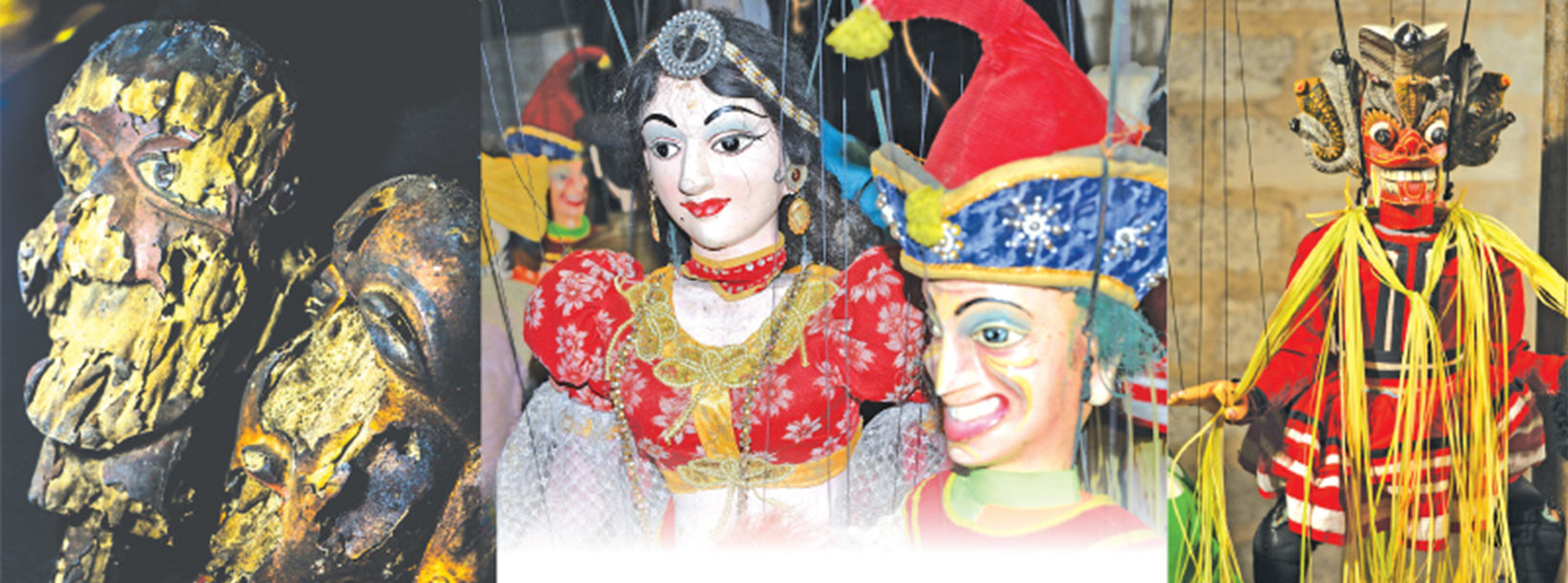
Ambalangoda is the acknowledged centre of Sri Lanka's traditional mask-carving tradition. Masks here are not souvenirs in the generic sense: they are ritual objects connected to Kolam and Sanni Yakuma performances — dramatic, highly choreographed ceremonies rooted in Sinhalese folklore and healing traditions. The Ambalangoda Mask Museum (also known by the name of the family workshop behind it) houses an extensive collection and explains the symbolism coded into each character's face, colours, and headdress.

Visiting a working carving atelier is straightforward — several workshops near the main road welcome visitors and will demonstrate the process from raw kaduru wood to the finished, lacquered piece. This is one of the most authentic craft experiences on the entire southern coast, and it is free or very low cost to walk in and watch.

What water activities are available at Ambalangoda Beach?

The beach offers calm, relatively sheltered conditions during the southwest monsoon's off-season (November through April). During those months, swimming is generally safe, and the modest reef areas near shore support light snorkelling. The wave patterns are consistent but modest in size, making the beach suitable for beginner bodyboarders rather than serious surfers who would find better conditions at nearby Hikkaduwa.

For those interested in more structured water-based activities, deep sea fishing charters operate from the wider Galle district coastline and can be arranged through local operators or your accommodation.

Are there sea turtles at Ambalangoda?

The beaches in and around Ambalangoda are active nesting grounds for several sea turtle species, including Green and Leatherback turtles. Conservation hatcheries in the area collect eggs from unprotected nests, incubate them, and release hatchlings into the sea. Visits to these hatcheries are typically informal — opening hours and release times vary — so it is worth asking your accommodation for the nearest operational site on the day you plan to go.

Further up the coast, the Kosgoda Sea Turtle Conservation Project is one of the longest-running and most established turtle protection programmes in Sri Lanka and is only a short drive north of Ambalangoda.

What can I visit near Ambalangoda?

The area around Ambalangoda punches above its weight for day trips and short excursions:

  • Madu River (Madu Ganga): A short drive north, the Madu River Safari takes visitors by boat through a sheltered estuary of mangrove islands. The waterway is home to water monitor lizards, kingfishers, and a resident crocodile population. The boat typically stops at a small cinnamon island where spice processing is demonstrated.
  • Meetiyagoda Moonstone Mines: The village of Meetiyagoda, inland from Ambalangoda, is known for traditional moonstone mining using shallow hand-dug pits. It is possible to visit active mines and purchase stones directly from the source.
  • Galle: The UNESCO-listed Galle Fort is approximately 30 km south. A half-day Galle city tour pairs naturally with a morning at Ambalangoda Beach.
  • Sinharaja Forest Reserve: For those with a day to spare, the Sinharaja Forest Reserve — a UNESCO World Heritage rainforest — is reachable within a couple of hours from the coast and represents one of Sri Lanka's most rewarding wildlife walks.

What is the food scene like near Ambalangoda Beach?

Seafood is the dominant and deserved focus. The town's fish markets are active in the early morning, and several small restaurants along the beachfront serve the previous night's catch prepared with southern Sri Lankan spice blends. Crab, prawns, and various reef fish are typical menu items. Expect simple surroundings and genuinely fresh cooking at modest prices. Rice and curry is served at most local restaurants at lunchtime, including excellent vegetable-based dishes for those who prefer not to eat fish.

Ayurvedic spas and wellness centres are scattered through the Ambalangoda area, offering traditional treatments using locally sourced herbs and oils. These tend to be quieter and more affordable than equivalent facilities in Colombo or Galle.

When is the best time to visit Ambalangoda Beach?

The southwest coast's dry season runs from November to April. During this period, the sea is calm, humidity is lower than mid-year, and beach conditions are at their best for swimming and snorkelling. The shoulder months — November and April — often offer the least crowded experience while still providing reliable weather.

From May to October, the southwest monsoon brings heavy rain and rough surf to this coastline. The beach is still accessible and has a particular drama in that season, but swimming is inadvisable, and some smaller guesthouses close or reduce services.

Ambalangoda Beach — Quick Reference
Detail Information
Location Southern Province, approximately 85 km south of Colombo
Best season November – April
Primary appeal Local fishing culture, mask-making heritage, sea turtles, reef snorkelling
Nearest major town Hikkaduwa (~10 km south), Bentota (~20 km north)
Getting there Train or road from Colombo; Ambalangoda has its own railway station on the coastal line

How do I get to Ambalangoda from Colombo?

Ambalangoda is well connected by the coastal railway line that runs south from Colombo Fort station. The journey takes around two hours on an express service and the tracks run close to the shoreline for much of the route, making it a scenic ride in its own right. By road, the Southern Expressway (E01) cuts travel time to under 90 minutes before rejoining the coastal road. Tuk-tuks and taxis are available locally for getting to and from the beach and town centre.

Book this experience with Lakpura

Curated by our local team. Direct booking, instant confirmation.

Ask Lakpura® Agent