Lakpura
Lakpura®

September

September sits firmly within the southwest monsoon season, yet it is far from a month to avoid Sri Lanka. While the southwestern and southern coasts receive regular rainfall, the north and east of the island enjoy largely dry, settled weather — and that distinction opens up a compelling itinerary for travellers willing to follow the sun. The Cultural Triangle also remains accessible, and the lush landscapes created by the rains add a particular richness to inland parks and ancient sites.

Which parts of Sri Lanka are best to visit in September?

The dividing line in September runs roughly north to south through the centre of the island. East-coast destinations — Trincomalee, Nilaveli, Batticaloa, and Arugam Bay — are in their element this month, with calm seas and clear skies. The north, including Jaffna and the Mannar peninsula, is similarly dry. Inland, the Cultural Triangle (Sigiriya, Dambulla, Polonnaruwa) is workable, particularly in the mornings before afternoon showers develop. Avoid planning beach holidays on the west or south coasts in September; the surf is rough and visibility poor.

What wildlife can I see in September?

September is one of the best months for wildlife watching in Sri Lanka's north-central and eastern parks. The monsoon rains fill reservoirs and rejuvenate grasslands, concentrating large numbers of animals around water sources.

  • Wilpattu National Park: Sri Lanka's largest park benefits from the rains, and its natural lakes — called villus — attract leopards, elephants, and an impressive range of waterbirds. Leopard sightings are reliably good through September.
  • Minneriya National Park: The Great Elephant Gathering, one of Asia's great wildlife spectacles, typically peaks between August and October. Hundreds of elephants converge on the Minneriya tank as surrounding forests dry out slightly — September often delivers some of the largest aggregations of the season.
  • Wasgamuwa National Park: A quieter alternative to Minneriya, Wasgamuwa offers elephant sightings alongside crocodiles, sloth bears, and a rich birdlife in a largely crowd-free setting.
  • Hurulu Eco Park: Situated within the Hurulu Forest Reserve, this park provides relaxed safari drives with reliable elephant encounters and far fewer vehicles than the more popular parks.

For those interested in reptile watching alongside mammals, crocodile watching on the island's rivers and tanks is particularly rewarding during and after the rains.

Is September good for water sports in Sri Lanka?

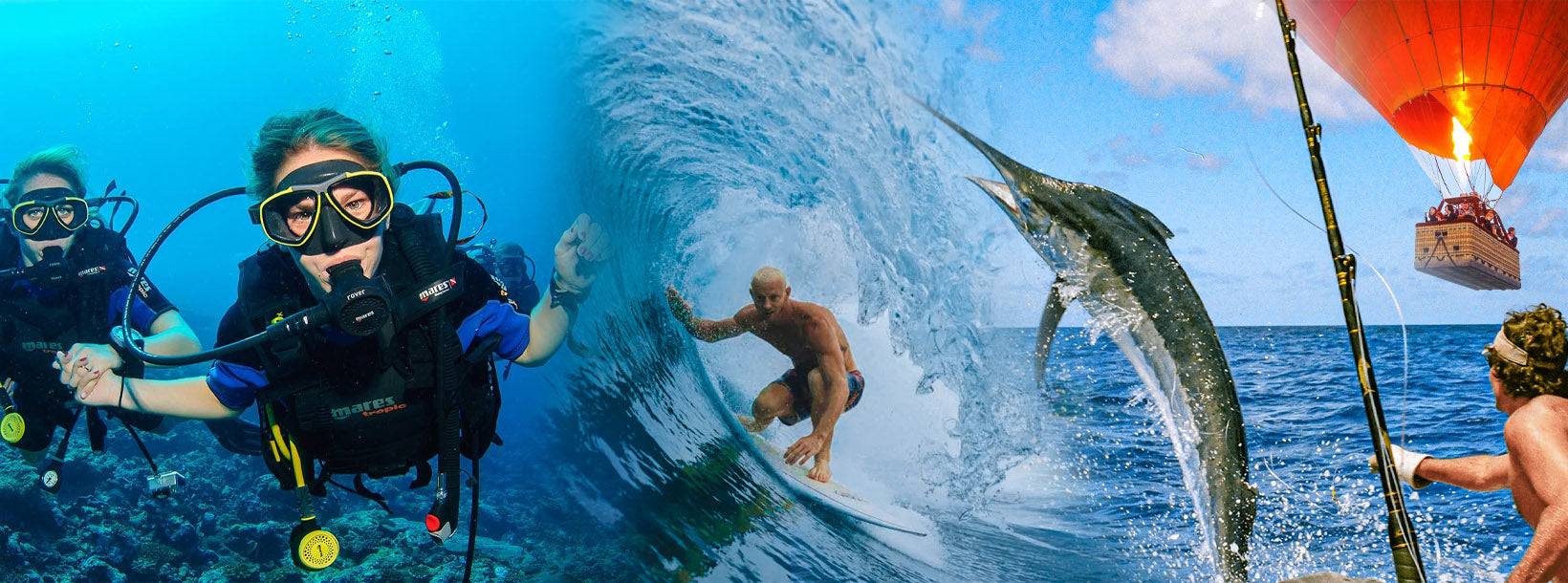
On the east coast, September is excellent for almost every form of water-based activity. The seas are calm, water temperatures warm, and visibility underwater is typically at its clearest of the year.

Kitesurfing at Kalpitiya

The lagoon at Kalpitiya, on the northwest coast, captures consistent monsoon winds throughout September. The flat, sheltered water of the lagoon makes it one of the safer learning environments in South Asia, and experienced riders will find conditions equally rewarding. Both beginner discovery courses and advanced sessions run through the month.

Scuba diving and snorkelling — Trincomalee and Nilaveli

The reefs and wrecks around Trincomalee rank among Sri Lanka's finest dive sites, and September's calm east-coast conditions maximise underwater visibility. Piton's Point, Swami Rock, and the British naval wrecks in the harbour are popular sites. Snorkellers can explore Pigeon Island National Park, where coral gardens and reef fish provide an accessible underwater experience without full dive equipment.

Deep-sea fishing

Trincomalee and Nilaveli are the go-to departure points for deep-sea fishing in September. Target species include blue marlin, yellowfin tuna, dorado, and barracuda. Calm sea states mean less time battling the swell and more time fishing.

Can I watch whales and dolphins in September?

Trincomalee remains one of the world's more reliable locations for blue whale and sperm whale sightings, and September falls within the east-coast whale-watching season. Early morning departures offer the calmest conditions and the best light. Spinner and bottlenose dolphins are regularly spotted on the same trips, often riding the bow wave of the tour boat. Sightings are never guaranteed, but September's clear weather and calm seas maximise the chances considerably.

What about hot air ballooning in September?

Hot air ballooning over the Cultural Triangle is weather-dependent, and the southwest monsoon introduces uncertainty at inland sites such as Sigiriya, Dambulla, and Habarana. Flights do operate in September — mornings are generally clearer — but operators may cancel on short notice if cloud cover or wind conditions are unsuitable. If you want to build a hot air ballooning experience into your itinerary this month, allow at least two consecutive mornings of availability so there is a fallback slot.

What cultural and historical sites are worth visiting in September?

The Cultural Triangle is most comfortably visited in the morning before afternoon rain develops. The ancient rock fortress of Sigiriya is best climbed early — both for the cooler temperature and the clearer sky that follows an overnight rain. Polonnaruwa's open-air ruins are similarly best explored before midday.

The east coast city of Trincomalee itself has considerable historical depth — the Koneswaram Temple on Swami Rock and the old Dutch fort are worth a half-day. Batticaloa's lagoon and its colonial-era architecture offer a quieter, less-visited alternative for travellers who want to see the east coast beyond its beaches.

How should I get around Sri Lanka in September?

Road conditions on the southwest coast can be affected by heavy rain, so build flexibility into travel days on that side of the island. The A9 highway running north from Colombo to Jaffna and the A11/A15 roads to the east coast are generally reliable year-round. For inter-city journeys, private transfers offer the most predictable timing; trains on the Colombo–Batticaloa and Colombo–Trincomalee lines are scenic but schedules can be disrupted by occasional flooding on the tracks. Hiring a private driver for a multi-day circuit is the most flexible way to combine the Cultural Triangle with the east coast in a single trip.

What is the weather actually like in September?

RegionTypical ConditionsSuitability
East Coast (Trincomalee, Nilaveli, Arugam Bay)Dry, warm, calm seasExcellent
North (Jaffna, Mannar)Dry, hotGood
Cultural Triangle (Sigiriya, Polonnaruwa)Partly cloudy, afternoon showersGood (mornings)
Hill Country (Kandy, Ella, Nuwara Eliya)Misty, frequent rainFair
West Coast (Colombo, Negombo, Bentota)Wet, rough seasPoor for beaches
South Coast (Galle, Mirissa, Tangalle)Wet, overcastPoor for beaches

Is September a good month for birdwatching?

September marks the beginning of the northern winter migration, and the first migratory waders and raptors begin arriving in Sri Lanka from Central Asia and the Indian subcontinent. The north-central dry-zone tanks, including those within Wilpattu and Minneriya, attract large flocks of resident and migratory waterbirds. The Sinharaja Forest Reserve in the wet zone remains active with endemic species year-round, though access trails can be slippery after heavy rain — good waterproof footwear is essential.

Practical tips for travelling Sri Lanka in September

  • Pack a lightweight waterproof layer even if you are based on the east coast — inland excursions will encounter rain.
  • Book whale- and dolphin-watching tours in advance; September is a popular period for Trincomalee excursions.
  • Reef conditions at Pigeon Island can be affected by afternoon wind chop — morning dive and snorkel slots are preferable.
  • If you plan to visit the hill country (Ella, Nuwara Eliya), allow extra travel time and check road conditions, as landslips are possible on steep routes during heavy rain.
  • Mosquito repellent is important in the north-central and eastern parks, where standing water after the rains increases insect activity.

Book this experience with Lakpura

Curated by our local team. Direct booking, instant confirmation.

Ask Lakpura® Agent