Namal Uyana


Jathika Namal Uyana in Sri Lanka is het grootste ijzerhoutbos en de roze kwartsberg in Azië. De ijzerhoutboom is endemisch voor Sri Lanka en het herplante bos strekt zich uit over meer dan 260 hectare. Volgens de bevindingen van archeologen heeft de roze kwarts in deze historische plek een geschiedenis van meer dan 550 miljoen jaar. Namal Uyana is een extreem zeldzaam bos dat in de 8e eeuw na Christus is herplant met ijzerhoutbomen, beginnend onder koning Devanampiyatissa en eindigend met koning Dappula IV. Namal Uyana was een toevluchtsoord voor boeddhistische monniken tijdens de regering van koning Devanampiyatissa in de 8e eeuw. Later werd het gebruikt als een gevangenkamp, waar de straf was om Na-bomen te planten. In de periode van koning Dappula werd het verklaard als een menselijke toevluchtsoord. Deze unieke natuurlijke plek werd bijna 15 jaar geleden onder de aandacht van de wereld gebracht door een boeddhistische monnik, Venerable Wanawasi Rahula Thero.
Jathika Namal Uyana is gelegen op 7 km van het Madatugama-kruispunt op de Colombo-Anuradhapura snelweg in Sri Lanka. Het ijzerhoutbos is een uniek bos in Sri Lanka, waar de ijzerhoutbomen de vegetatie domineren over 260 hectare bos. Namal Uyana ligt in het droge zonegebied van Sri Lanka. In het Na-bos of Namal Uyana beschermt de boom de hete zonnestralen en biedt schaduw aan alle kleine medicinale planten die in zijn schaduw groeien, waardoor bezoekers het gevoel krijgen dat ze zich in een koele omgeving bevinden, zoals de koelste plek in Sri Lanka. Botanisch wordt de Na-boom Mesua Ferara genoemd en in het Engels wordt het de Iron Wood Tree genoemd. Het hele deel van de Na-boom wordt ook gebruikt voor kruidige meditatie in Sri Lanka. Deze belangrijke boom is inheems in Sri Lanka, India, Maleisië, Birma, Thailand en Papoea-Nieuw-Guinea. Het werd de nationale boom van Sri Lanka genoemd. Boeddhisten en andere religies hechten veel religieuze waarde aan de Na-boom.
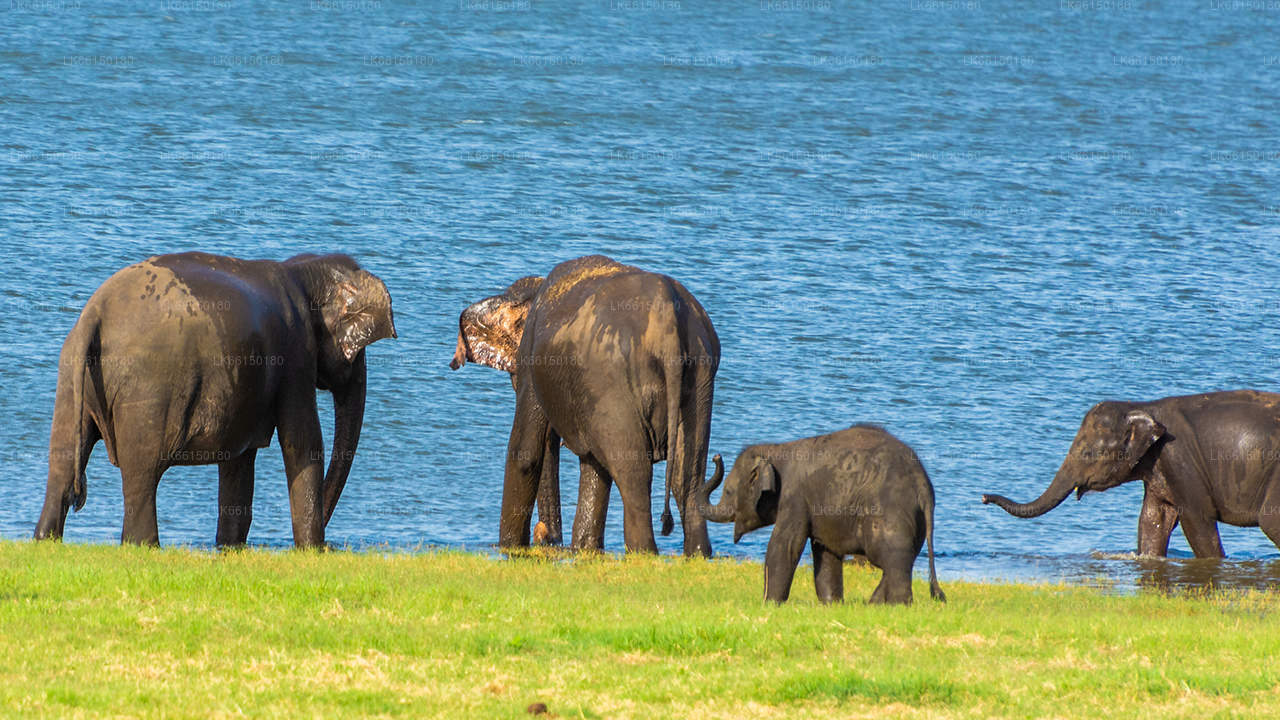
Volgens biologen ligt het belang van Namal Uyana in het feit dat het 102 soorten tropische planten herbergt, waarvan 82 medicinale planten, binnen de 260 hectare tuin en het omliggende bos. 18 vogelsoorten en verschillende zoogdieren, waaronder olifanten, luipaarden, apen en herten, leven ook in het park en de nabije omgeving.
Het Na-bos en de biodiversiteit zijn niet de enige onderscheidende kenmerken van deze plek. Het roze kwartsgebergte in Namal Uyana is het grootste roze kwartsgebergte in Azië. Hoewel Namal Uyana recentelijk werd uitgeroepen tot een nationaal erfgoed onder de afdeling voor natuurbescherming (DWLC), is het de laatste jaren populair geworden onder de Sri Lankaanse bevolking. De rij van 7 bergen ligt tussen de 180 en 300 meter boven zeeniveau. Volgens archeologische onderzoeksresultaten heeft roze kwarts een geschiedenis van meer dan 550 miljoen jaar. Vanuit een algemeen perspectief lijkt het bovenste deel mistig en met de roze kleur die mengt met de witte mist, biedt het een verbluffend uitzicht dat deze berg van andere bergen onderscheidt. En als je dieper gaat om de diversiteit van dit berggebied te verkennen, zal het een geweldige ervaring zijn.
Er zijn enkele oude plekken die de lange geschiedenis van Jathika Namal Uyana laten zien.
- Purana Namal Seya.
- Bodhigaraya.
- Pilimageya.
- Awasageya.
- Simamalakaya.
- Padhanagara.
- Galphana.
- Galpath