Mannar-strand
De Mannar Beach, gelegen aan de noordwestkust van Sri Lanka, staat bekend om zijn ongerepte schoonheid, uitgestrekte zandstranden en rustige sfeer. Dit strand biedt een unieke en afgelegen kustervaring, ideaal voor reizigers die willen ontsnappen aan de drukkere toeristische plekken en zich willen onderdompelen in de natuurlijke schoonheid.
Afgelegen en sereen
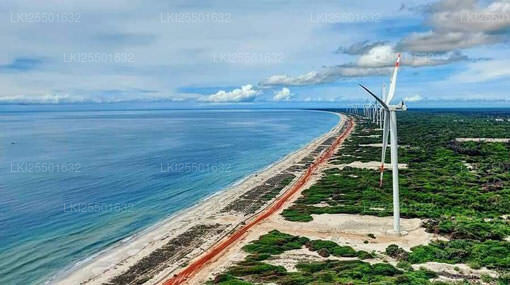
Mannar Beach heeft lange stukken ongerept gouden zand en helder, kalm water. De afgelegen ligging van het strand zorgt voor een vredige sfeer, perfect voor degenen die op zoek zijn naar eenzaamheid en ontspanning, weg van de drukke toeristische gebieden.
Vissen en lokale cultuur
Vissen is een essentieel onderdeel van het leven in Mannar, en bezoekers kunnen lokale vissers aan het werk zien met traditionele methoden. Het gebied is rijk aan lokale cultuur en biedt mogelijkheden om het dagelijks leven en de gebruiken van de kustgemeenschappen te ervaren.
Historische en culturele bezienswaardigheden
In de nabijgelegen stad Mannar zijn verschillende historische en culturele bezienswaardigheden:
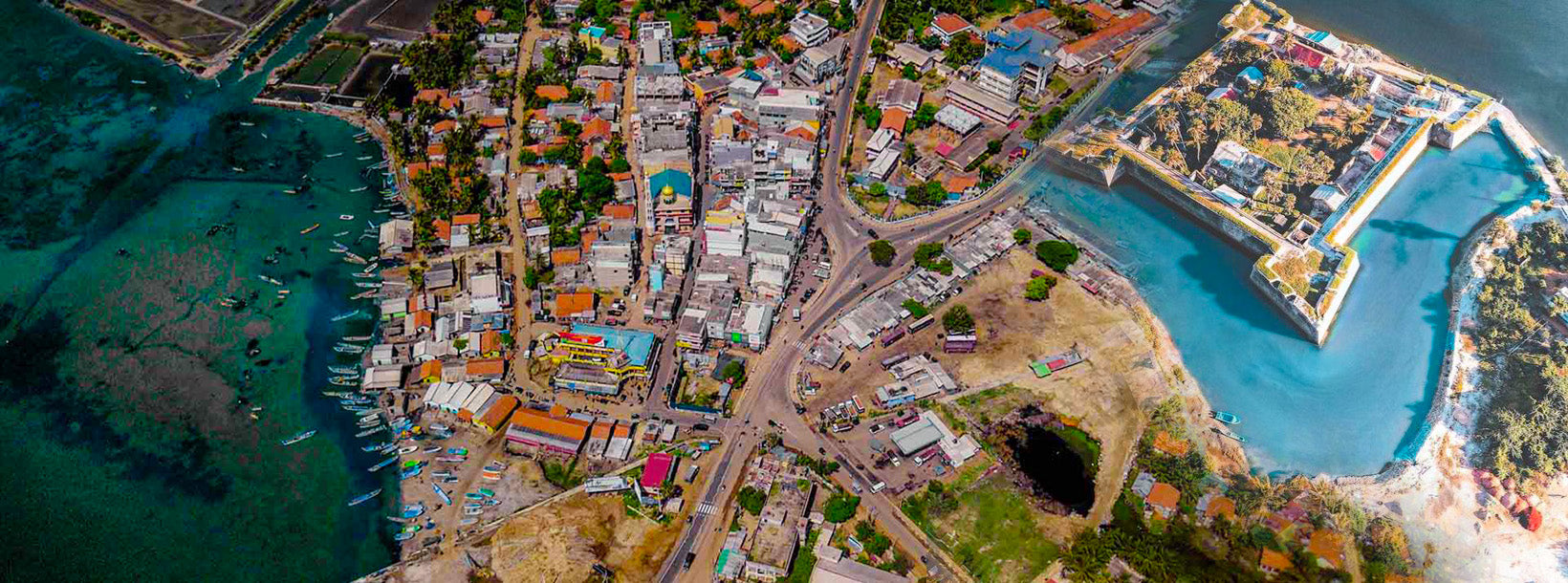
- Mannar Fort: Gebouwd door de Portugezen in de 17e eeuw en later uitgebreid door de Nederlanders, biedt dit fort inzicht in de koloniale geschiedenis van de regio en panoramisch uitzicht over het omliggende gebied.
- Baobabboom: Een ongebruikelijke en indrukwekkende baobabboom in het Mannar-gebied, die een van de weinige in zijn soort in Sri Lanka is. Deze boom is een lokaal herkenningspunt geworden en biedt een unieke fotomogelijkheid.
- Adam's Bridge (Rama's Bridge): Hoewel het niet direct op het strand ligt, is de nabijgelegen Adam's Bridge een historisch interessante locatie, die wordt beschouwd als een keten van kalkstenen banken die ooit Sri Lanka met India verbonden.
Wildlife en vogelspotten
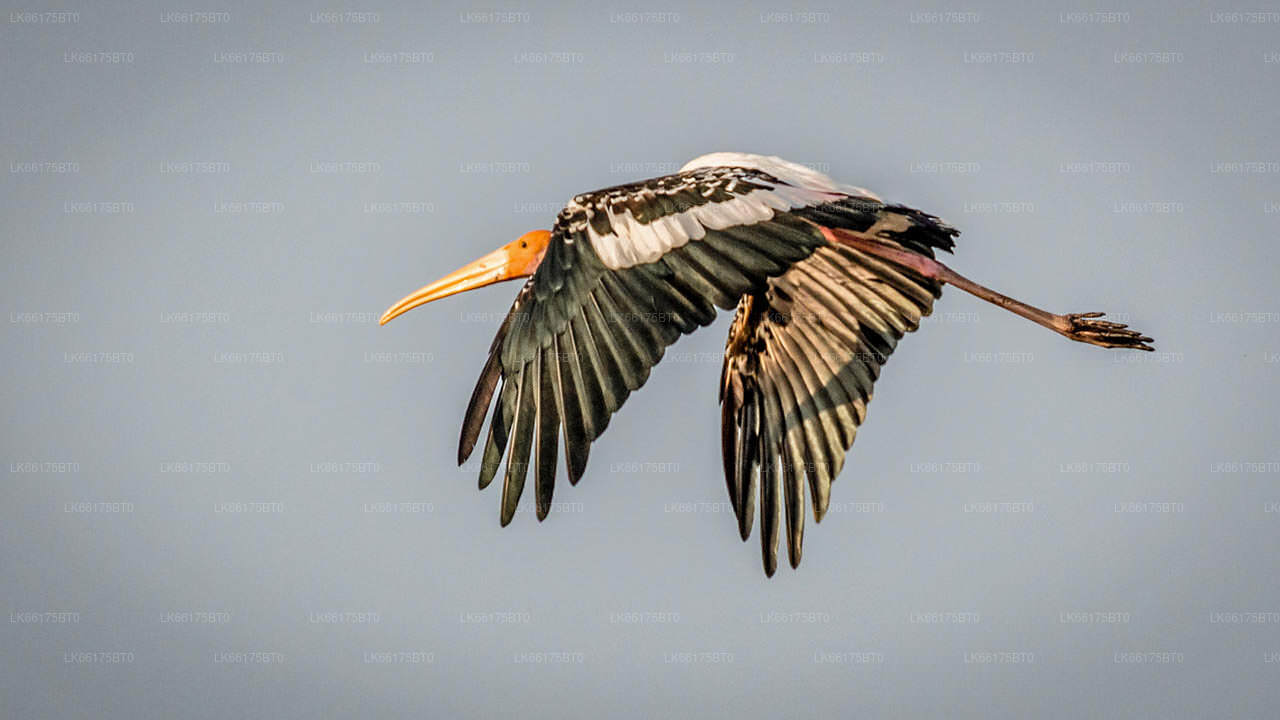
De regio rond Mannar Beach staat bekend om zijn diverse vogelsoorten. Vogelliefhebbers kunnen verschillende soorten vogels spotten, waaronder migrerende vogels die het gebied op bepaalde tijden van het jaar bezoeken. Het nabijgelegen Mannar Island is ook bekend om zijn wildlife en natuurlijke schoonheid.
Lokale keuken
In Mannar kunnen bezoekers genieten van traditionele Sri Lankaanse gerechten met de nadruk op verse zeevruchten. Lokale gerechten zoals viscurry, krabcurry en garnalengerechten zijn vaak te vinden in lokale eetgelegenheden, waarmee ze een smaak van het culinaire erfgoed van de regio bieden.
Accommodatie
De accommodatiemogelijkheden in Mannar zijn relatief bescheiden in vergelijking met de meer ontwikkelde toeristische gebieden. Bezoekers kunnen een verscheidenheid aan pensions en kleine hotels vinden die basisvoorzieningen en een comfortabel verblijf bieden. Veel van deze accommodaties bieden gemakkelijke toegang tot het strand en lokale bezienswaardigheden.
Beste tijd om te bezoeken:
De beste tijd om Mannar Beach te bezoeken is van november tot april, wanneer het weer droog en zonnig is, wat ideale omstandigheden biedt voor strandactiviteiten en het verkennen van het lokale gebied. Het moessonseizoen begint meestal in mei, wat regen en ruigere zeeomstandigheden met zich meebrengt.