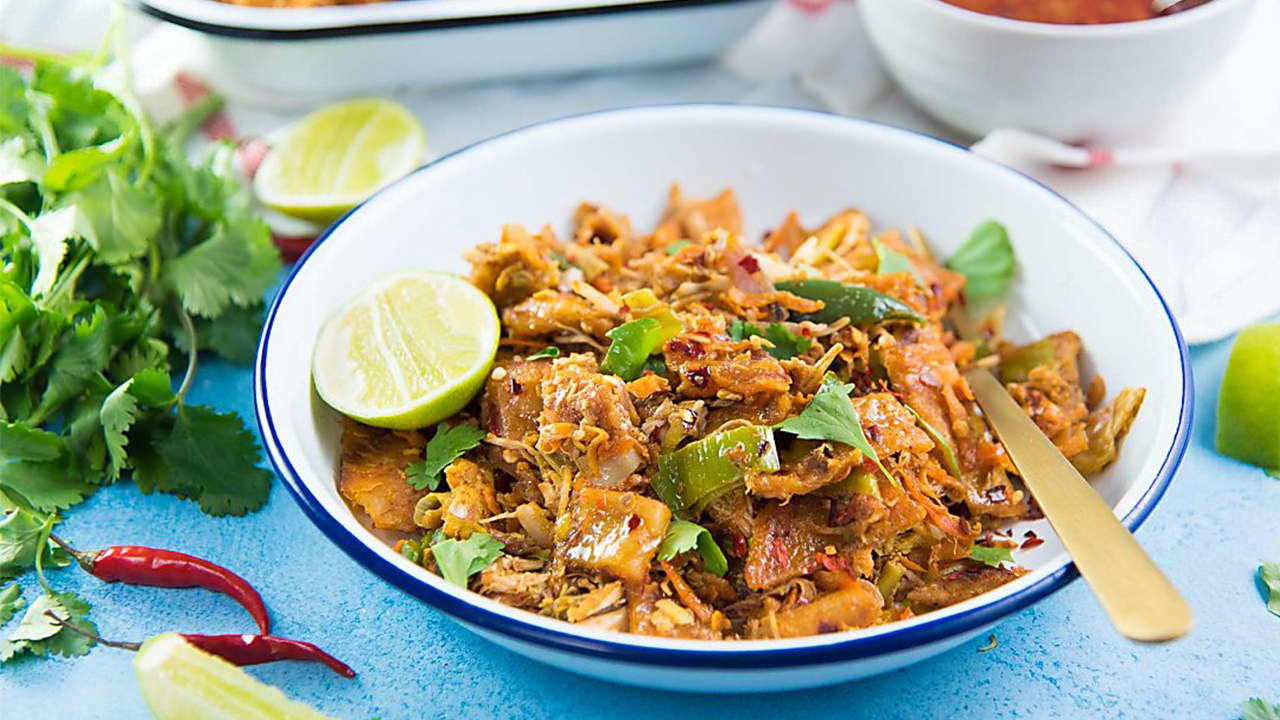
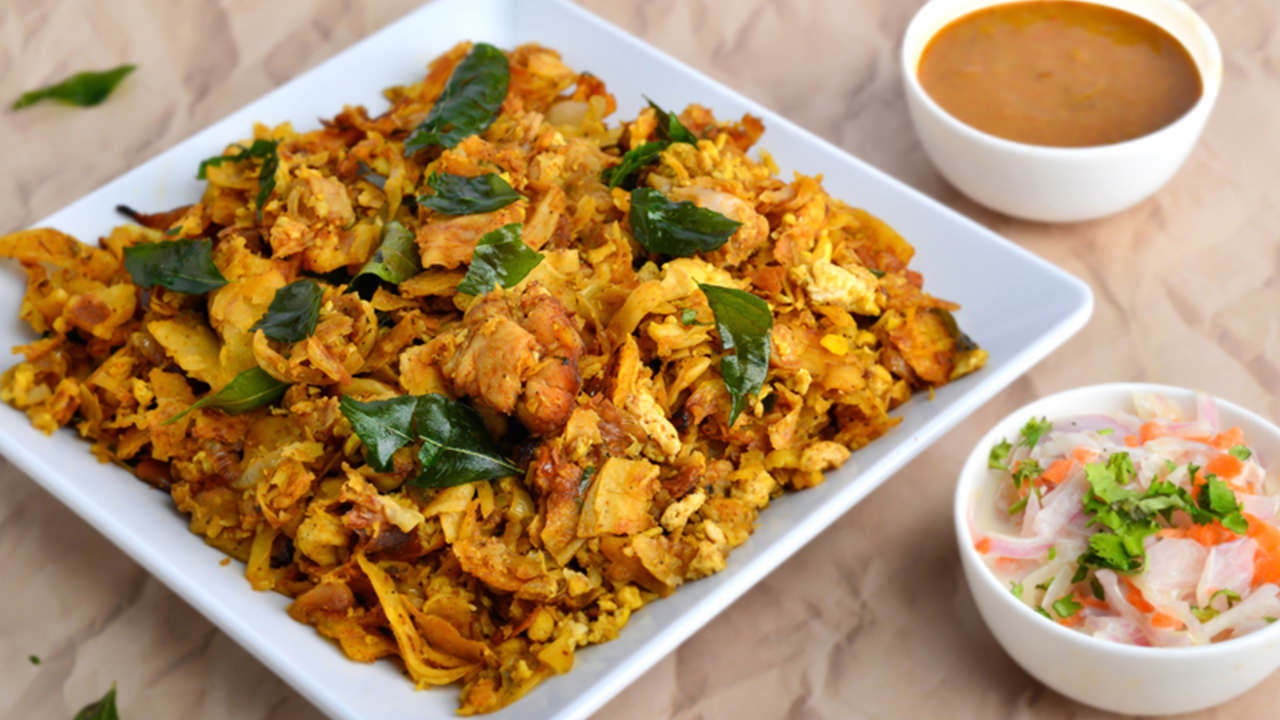

Few sounds define a Sri Lankan evening quite like the rhythmic clatter of metal blades on a hot griddle. That sound belongs to kottu roti — a dish of shredded flatbread tossed with vegetables, egg, spices, and your choice of protein, cooked to order on the street and in restaurants from Jaffna to Galle. It is arguably the most democratic meal on the island: cheap, filling, endlessly customisable, and available at almost any hour.
What exactly is kottu roti?
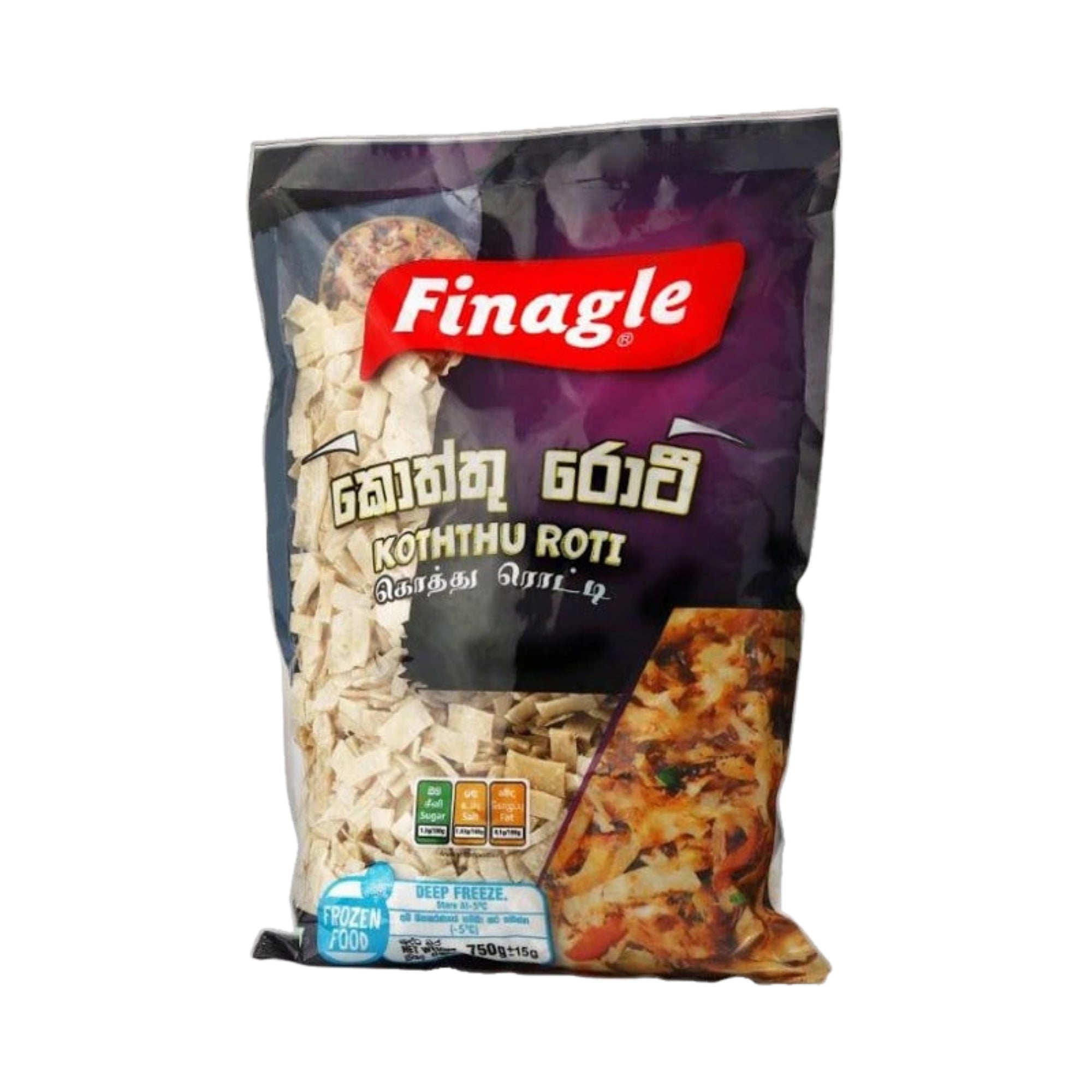
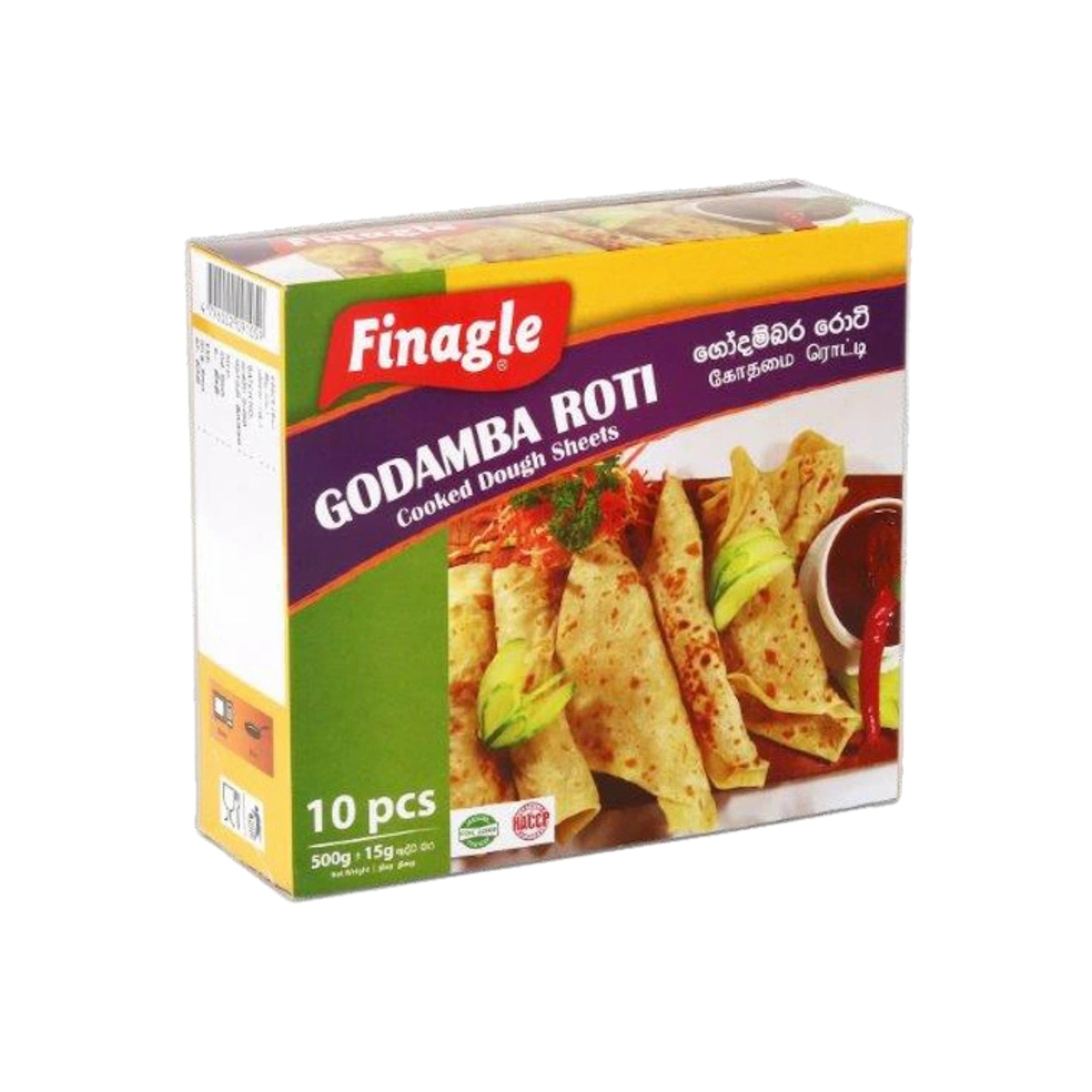
The name comes from the Tamil word kottu, meaning "to chop" or "to mince." The dish starts with gothamba roti — a thin, unleavened flatbread made from wheat flour — which is chopped into strips on a flat iron griddle (known locally as a tawa). The chopped roti is then stir-fried with beaten egg, shredded vegetables, a ladle of curry gravy, and whichever protein the customer chooses: chicken, beef, mutton, fish, or simply vegetables.
The two-handed chopping action — a chef wielding a pair of flat metal blades, striking and folding the mixture in a syncopated rhythm — is both a cooking technique and a performance. In Sri Lanka's street-food culture, the sound of kottu being made is practically an invitation.
What are the main varieties of kottu roti?
The base dish is consistent, but the variables are wide:
- Plain kottu — roti, egg, leeks, and a basic curry sauce, no added protein.
- Chicken kottu — the most popular version, made with shredded chicken curry.
- Beef kottu — slower-cooked beef gives a richer, darker gravy.
- Mutton kottu — common in areas with Muslim culinary influence.
- Fish kottu — typically uses tuna, especially in coastal towns.
- Cheese kottu — a more recent addition, popular with younger diners and late-night crowds.
- String-hopper kottu — a variation that replaces gothamba roti with indi appa (string hoppers), giving a lighter, noodle-like texture.
What goes into a traditional kottu roti?
While recipes vary by cook and region, a typical kottu draws on a short list of pantry staples. The curry sauce is the heart of the dish — usually a chicken or beef curry made with Ceylon black pepper, roasted curry powder, fresh ginger, garlic, curry leaves, pandan, green chilli, and a splash of coconut milk. A small amount of soy sauce and Worcestershire sauce often appears in restaurant versions, a remnant of Sri Lanka's colonial-era kitchen influences.
For the kottu itself, the chopped roti is combined with beaten egg, finely sliced leeks, carrot, cabbage, and a generous spoonful of the curry sauce. The whole mixture is seasoned to taste and fried on a very hot griddle until slightly caramelised at the edges.
How is kottu roti cooked?
The griddle must be smoking hot before the oil goes in. The eggs are scrambled directly on the surface first, then the chopped roti and vegetables are added and folded through. Curry sauce is ladled over the top, and the chopping blades are used to slice, turn, and press the mixture continuously — more of a controlled chop than a traditional stir-fry. The process takes only a few minutes; freshness and heat are everything.
At home, a heavy cast-iron or nonstick pan can substitute for the tawa. The technique takes practice, but the flavour is largely determined by the quality of the curry sauce underneath — so a good gravy made in advance puts you most of the way there.
Where can you eat the best kottu roti in Sri Lanka?
Kottu is found everywhere, from roadside kades (small shops) to mid-range restaurants. A few areas worth knowing:
- Colombo — Kottu stalls come alive after 9 pm in areas like Bambalapitiya, Wellawatte, and Pettah. Many restaurants in the city serve an elevated version with better-quality curry.
- Kandy — The hill-country version tends to use more spice and a slightly drier style. A Kandy city tour often ends in a late dinner that includes kottu at one of the busy stalls near the lake.
- Galle — Fort-area restaurants have incorporated kottu into fusion menus, though the stalls outside the fort walls offer more authentic versions. Visitors on a Galle city tour usually encounter it at dinner.
- Negombo — The fishing community here favours fish kottu, often made with fresh tuna. Look for it near the market district.
- Ella — Several small restaurants near the railway station serve kottu to travellers arriving on the famous hill-country train line.
When is kottu roti typically eaten?
Kottu is primarily an evening and late-night dish. Most stalls don't fire up their griddles until mid-afternoon at the earliest, and the busiest hours are between 7 pm and midnight. It is substantial enough to be a full meal and requires no side dishes, though a small cup of thin curry sauce is often served alongside for dipping or pouring over the top.
It is less common as a breakfast food, though some all-day restaurants do offer it from the morning. The shredded kokis and other Sri Lankan snacks you might encounter at breakfast belong to a different culinary tradition.
Is kottu roti suitable for vegetarians?
Yes, with the right order. Plain vegetable kottu contains no meat, and most stalls will prepare it without egg on request. The curry sauce, however, is often made with a chicken or beef stock base — if strict vegetarianism matters, it is worth asking the cook directly. In areas near Buddhist temples and in Ayurvedic retreat towns, fully plant-based versions are more reliably available.
How does kottu roti reflect Sri Lankan food culture?
Kottu is a dish shaped by the island's layered history. The gothamba roti itself likely arrived with South Indian Tamil culinary influence; the Worcestershire sauce in the modern recipe is a colonial trace; the spice blend — pepper, cardamom, cinnamon, pandan — is distinctly Sri Lankan. The result is a food that belongs to everyone on the island regardless of ethnicity, religion, or income. It is sold in Tamil tea shops, Sinhalese family restaurants, and Muslim street stalls using largely the same method and largely the same flavours. Few dishes on the island carry that kind of shared identity.
Understanding kottu means understanding something genuine about Sri Lanka's food culture — that it has always been a cuisine built from borrowed ingredients, adapted techniques, and very strong spice.