Beira-meer


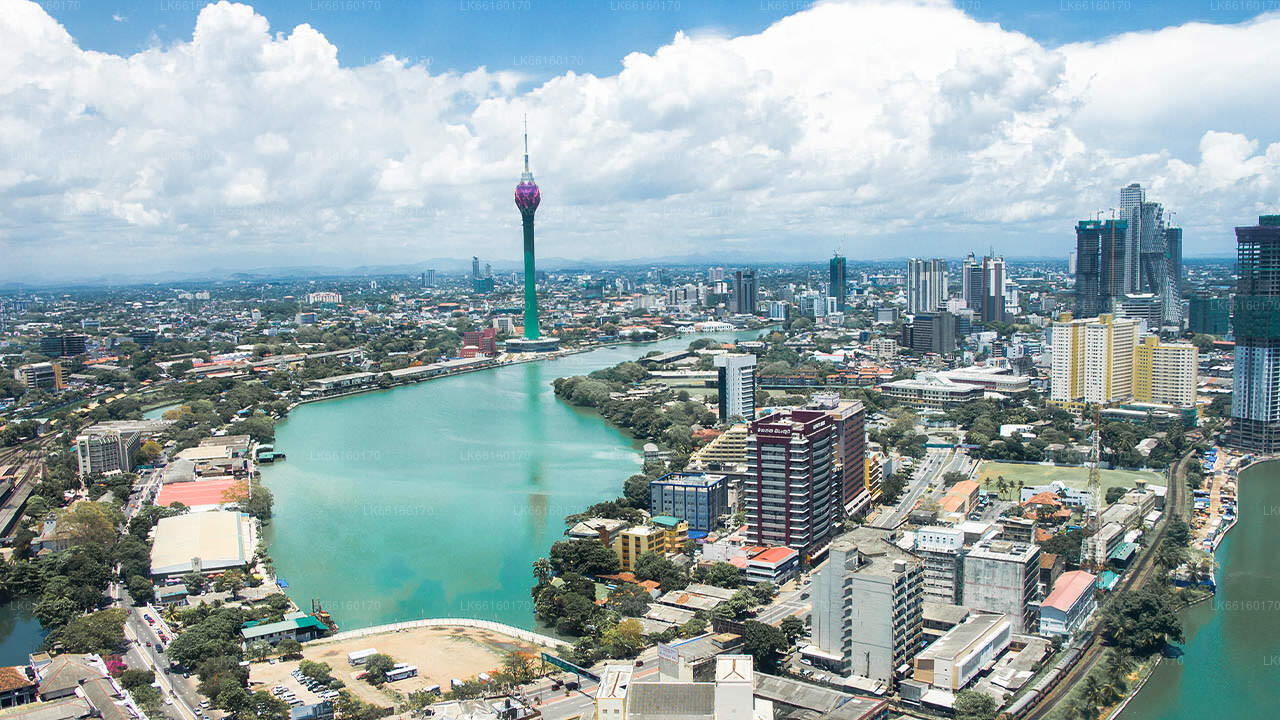
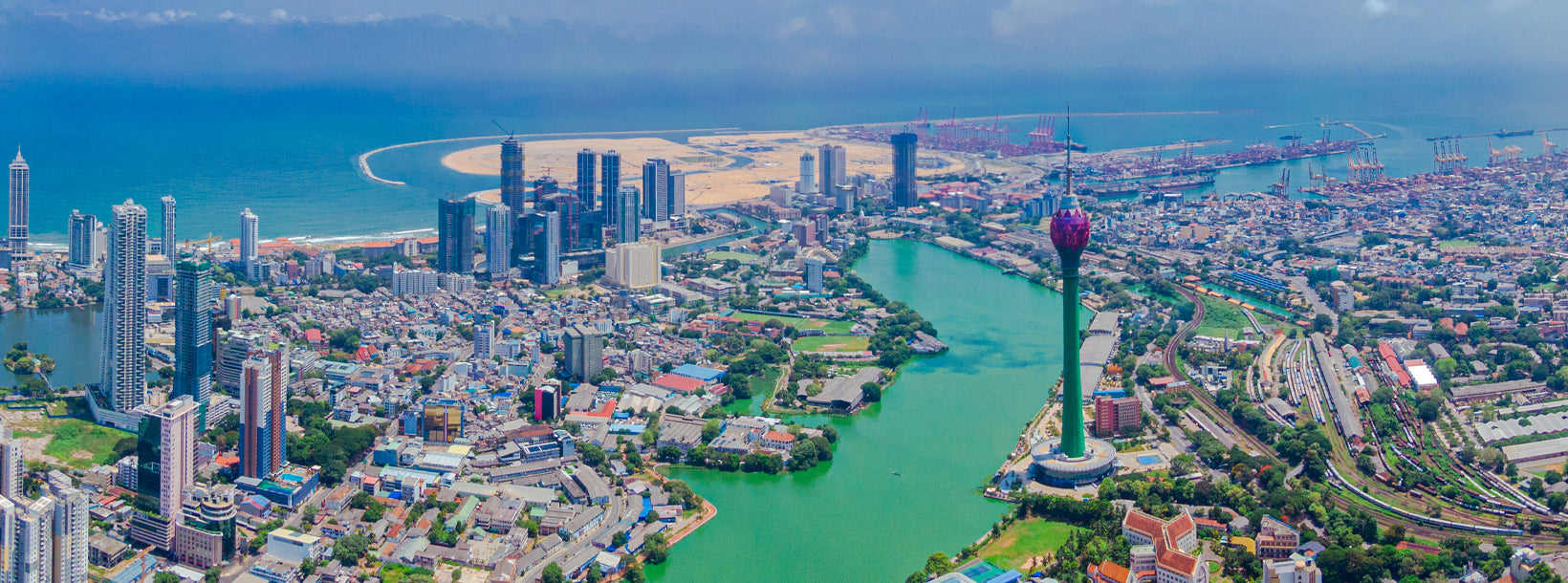
Het Beira-meer is een van de beroemdste herkenningspunten van Colombo. Het ligt midden in de hoofdstad en is een van de weinige plekken van ontspanning en schoonheid binnen de stadsgrenzen. Het gebied eromheen heeft veel attracties, om nog maar te zwijgen over de geschiedenis van het meer zelf.
Het Beira-meer begon als een veel groter meer dat meer dan een eeuw geleden 410 acre besloeg. Maar door de snelle commercialisatie van het gebied is het nu teruggebracht tot ongeveer 160 acre.
Geschiedenis
Beira werd gecreëerd door de Portugese indringers in de 16e eeuw, om te dienen als een gracht die hun basis in Colombo beschermde tegen de vijandige lokale bevolking. Ze voegden veel verborgen gevaren toe aan het meer, zoals grote krokodillen en dergelijke.
Beira bleek een grote hindernis voor lokale heersers zoals Mayadunne van Sitawaka toen ze probeerden de regio te bevrijden van buitenlandse overheersing. Het was Mayadunne's zoon, Rajasingha I, die het meer in 1587 succesvol droogde, waarmee hij bijna de regio van de Portugezen heroverde. Hij sneed de kanalen af die het meer van water voorzagen, maar kon niet omgaan met de extra versterkingen die de Portugezen uit India hadden gehaald.
Na de verovering van het meer door de Nederlanders werd het uitgebreid en werden er kunstmatige eilanden in gemaakt. Sommige daarvan, zoals Slave Island, waren groot genoeg om een dorp of kokosplantages te hebben. Mensen begonnen zich op de eilanden te vestigen en het verkeer over het water nam toe. Het werd echter voornamelijk gebruikt voor politieke gevangenen, zoals het geval was op Slave Island, of voor landbouw, vooral vanwege de krokodillen die het meer nog steeds bevolkten.
Na de controle door de Britten werden de krokodillen verwijderd en werd het gebied rond het meer ontwikkeld. De grasachtige oevers werden populair voor feesten, en er werd zelfs een groot bal gehouden ter ere van de Britse overwinning in de Slag bij Waterloo. Het Beira-meer werd beroemd om verschillende recreatieve activiteiten, zoals roeien en zeilen. Slave Island werd ontdaan van zijn gevangenisgebouwen en in 1810 werd de eerste botanische tuin van Ceylon, de Kew Gardens, daar geopend. De zaailingen werden geleverd door de Royal Botanic Gardens in Londen. Tegen het einde van de 19e eeuw begon de landaanwinning voor ontwikkeling en werd het gebied van het meer verkleind, terwijl de vervuiling toenam.
De Groei van Beira
Ongeveer tien jaar geleden verslechterde de situatie zover dat het gebied voornamelijk werd omgeven door sloppenwijken; terwijl het water in het meer puur afvalwater was van deze hutten en huizen die geen middelen hadden om goed om te gaan met afvalbeheer. Het stonk en alleen de armste mensen woonden daar. De waterkant werd omringd door grote magazijnen die herinnerden aan de theehandel in Colombo; waar thee werd vervoerd op pramen via het havenkanaal. Deze magazijnen stonden daar als een spookstad; zwart geworden door de vuiligheid van meer dan een eeuw, en de gebroken ramen gaven een griezelige sfeer. De enige reden waarom mensen naar de Beira-regio gingen, was om te bidden in de Gangarama-tempel of een van de belangrijke locaties te bezoeken, zoals de Colombo Rowing Club, SLECC, St. Joseph's College of Lake House.