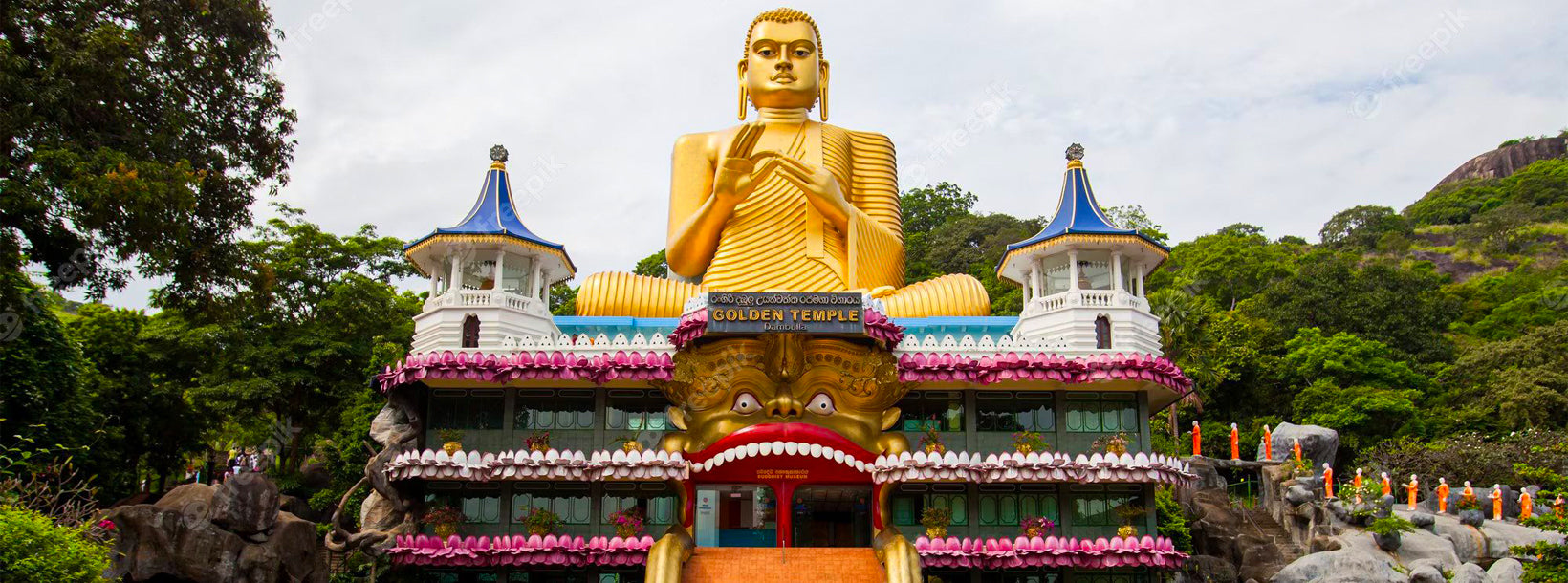
Dambulla City
Journey into the heart of cultural splendor in Dambulla, where ancient history meets modern exploration. Uncover the marvels of the UNESCO-listed Dambulla Cave Temple, meander through vibrant markets, and savor the unique fusion of tradition and innovation in this enchanting Sri Lankan town.
ナマル・ウヤナ
スリランカのジャティカ・ナマル・ウヤナは、アジアで最大のアイアンウッドの森とローズクォーツ山です。アイアンウッドの木はスリランカの固有種であり、再植林された森林は260エーカー以上に広がっています。考古学者の調査によると、この歴史的な場所にあるローズクォーツは、550百万年以上の歴史を持っています。ナマル・ウヤナは、8世紀にアイアンウッドの木で再植林された非常に珍しい森林で、デヴァナンピヤティッサ王からダップラ4世王にかけて始まりました。ナマル・ウヤナは、8世紀のデヴァナンピヤティッサ王の治世下で仏教僧侶の避難所でした。その後、ナ木を植えるという罰を与えるために刑務所として使用されていました。ダップラ王の時代に、それは人々の避難所として宣言されました。このユニークな自然の場所は、15年前に仏教僧のワナワシ・ラフラ・テロによって世界に紹介されました。
ジャティカ・ナマル・ウヤナは、スリランカのコロンボ-アヌラーダプラ高速道路のマダトゥガマ交差点から7kmの距離にあります。アイアンウッドの森は、アイアンウッドの木が260エーカーの森林の植生を支配するスリランカのユニークな森林です。ナマル・ウヤナはスリランカの乾燥地帯にあります。ナ木の森、またはナマル・ウヤナでは、木が強い日光から保護し、その陰で育つ小さな薬用植物に日陰を提供します。これにより、ナマル・ウヤナを訪れる人々は、まるでスリランカの最も涼しい場所にいるかのように涼しさを感じます。植物学的には、ナ木はメスア・フェラーラ(Mesua Ferara)と呼ばれ、英語ではアイアンウッド・ツリー(Iron Wood Tree)と呼ばれています。ナ木の全体がスリランカで薬草瞑想に使用されています。この重要な木は、スリランカ、インド、マレーシア、ビルマ、タイ、パプアニューギニアに自生しています。この木はスリランカの国樹として名付けられました。仏教徒をはじめとする他の宗教には、ナ木には大きな宗教的価値があります。
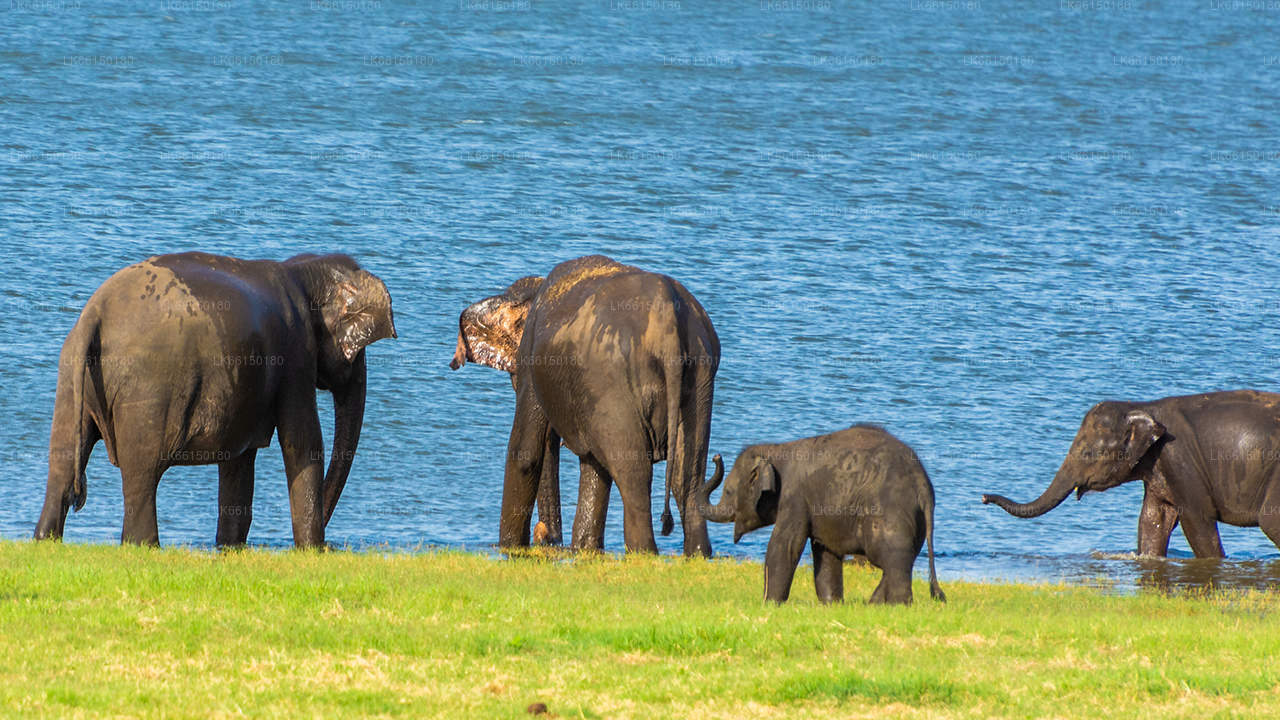
生物学者によると、ナマル・ウヤナの重要性は、260エーカーの庭とその周囲の森林に82種類の薬用植物を含む102種類の熱帯植物があることです。18種類の鳥類と、象、ヒョウ、サル、シカなどの哺乳類が公園とその周辺に住んでいます。
ナ木の森と生物多様性はこの場所の特徴だけではありません。ナマル・ウヤナのローズクォーツ山脈は、アジア最大のローズクォーツ山脈です。最近、ナマル・ウヤナは野生動物保護局(DWLC)によって国の遺産地として宣言され、最近ではスリランカの人々の間で人気があります。7つの山々の列は、海抜180メートルから300メートルの高さにあります。考古学的な研究結果によると、ローズクォーツは550百万年以上の歴史を持っています。全体的に見ると、頂上部分は霧がかかっており、そのピンク色と白い霧が混ざり合って、他の山とは一線を画す驚くべき景観を提供します。この山脈の多様性をさらに深く探求するなら、素晴らしい体験となるでしょう。
ジャティカ・ナマル・ウヤナの長い歴史を示す古代の場所があります。
- プラナ・ナマル・セヤ。
- ボディガラヤ。
- ピリマゲヤ。
- アワサゲヤ。
- シママラカヤ。
- パダナガラ。
- ガルファナ。
- ガルパス
About Matale District
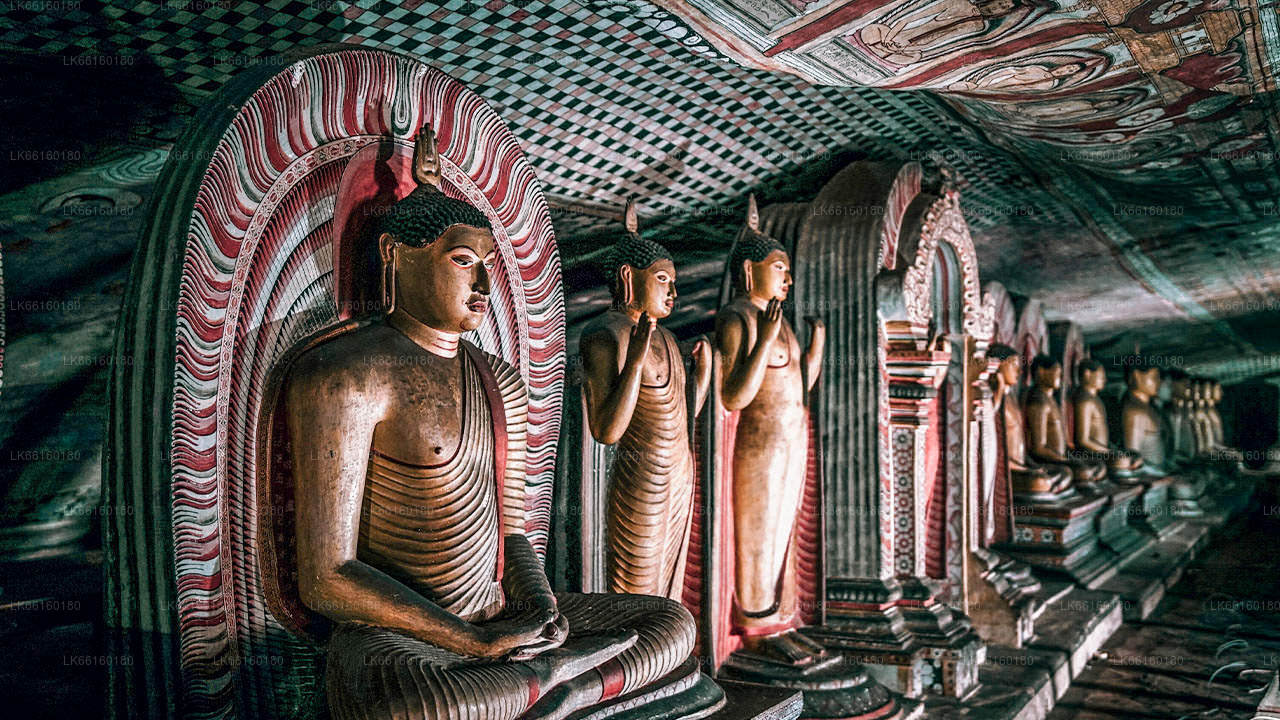
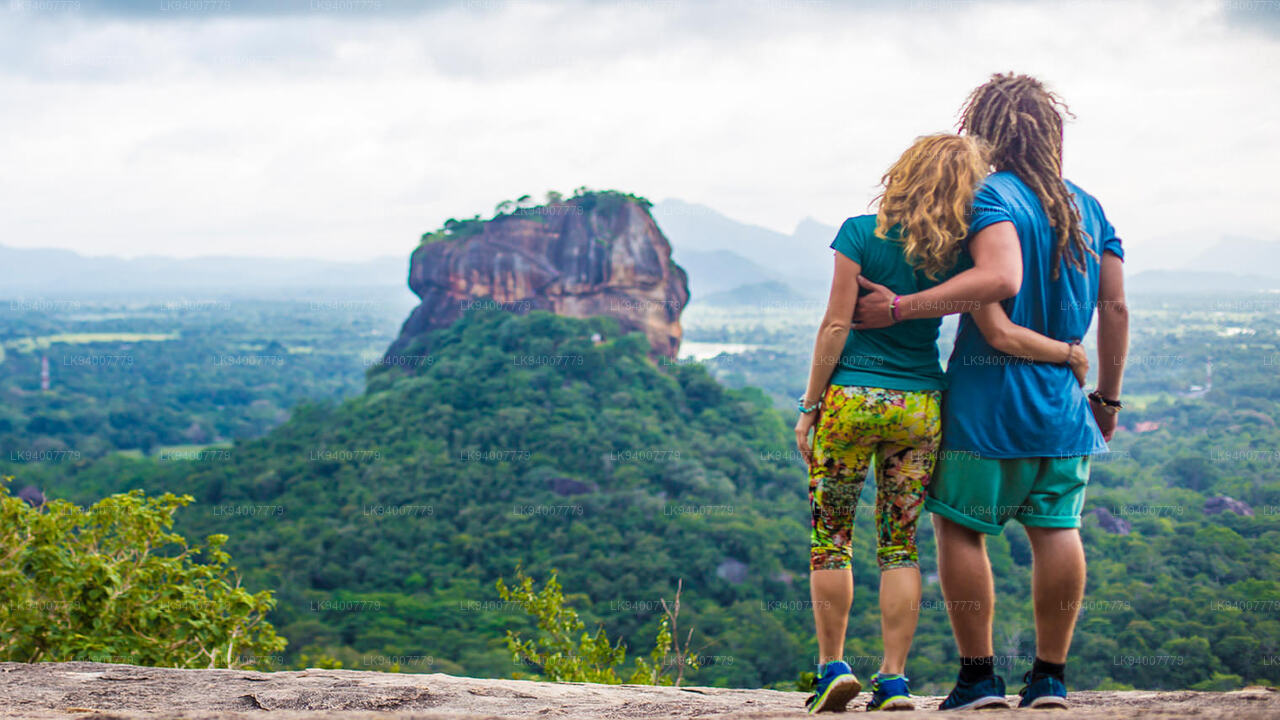
Matale is a town in the hill country of Sri Lanka. The Knuckles Mountain Range is a special landmark of Matale.The Matale administrative district also contains the historic Sigiriya rock castle, Aluvihare Temple and Dambulla Cave Temple . Surrounding the town are the Knuckles foothills called Wiltshire. It is a mainly agricultural area, where tea, rubber, vegetable and spice cultivation dominate.
The Aluvihare Temple, on the North side of the town, is the historic location where the Pali Canon was first written down completely in text on ola (palm) leaves. Situated near Aluvihare are numerous monastery caves, some of which exhibit fine frescoes.
About Central Province
The Central Province of Sri Lanka consists primarily of mountainous terrain. The province has an area of 5,674 km², and a population of 2,421,148. Some major towns include Kandy, Gampola (24,730), Nuwara Eliya and Bandarawela. The population is a mixture of Sinhalese, Tamil and the Moors.
Both the hill capital Kandy and the city of Nuwara Eliya are located within the Central Province as well as Sri Pada. The province produces much of the famous Ceylon tea, planted by the British in the 1860s after a devastating disease killed all the coffee plantations in the province. Central Province attracts many tourists, with hill station towns such as Kandy, Gampola, Hatton and Nuwara Eliya. Temple tooth or Dalada maligawa is the main sacred place in Centrel province.
The climate is cool, and many areas about 1500 meters often have chilly nights. The western slopes are very wet, some places having almost 7000 mm of rain per year. The eastern slopes are parts of the mid-dry zone as it is receiving rain only from North-Eastern monsoon. The Temperatures range from 24°C at Kandy to just 16°C in Nuwara Eliya, which is located 1,889 m above sea level. The highest mountains in Sri Lanka are located in the Central Province. The terrain is mostly mountainous, with deep valleys cutting into it. The two main mountain regions are the central massif and the Knuckles range to the east of Kandy.