Città di Hambantota
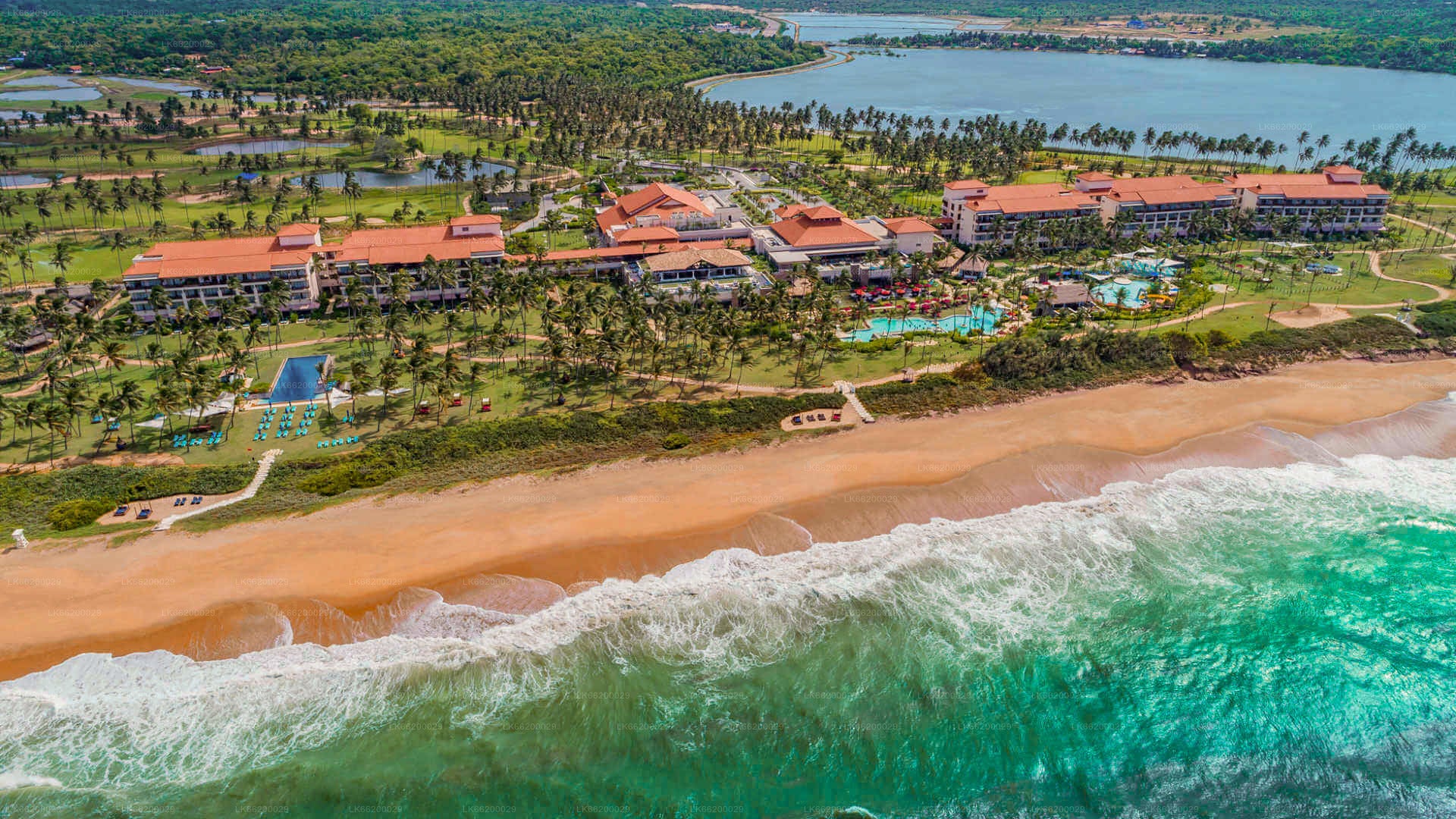
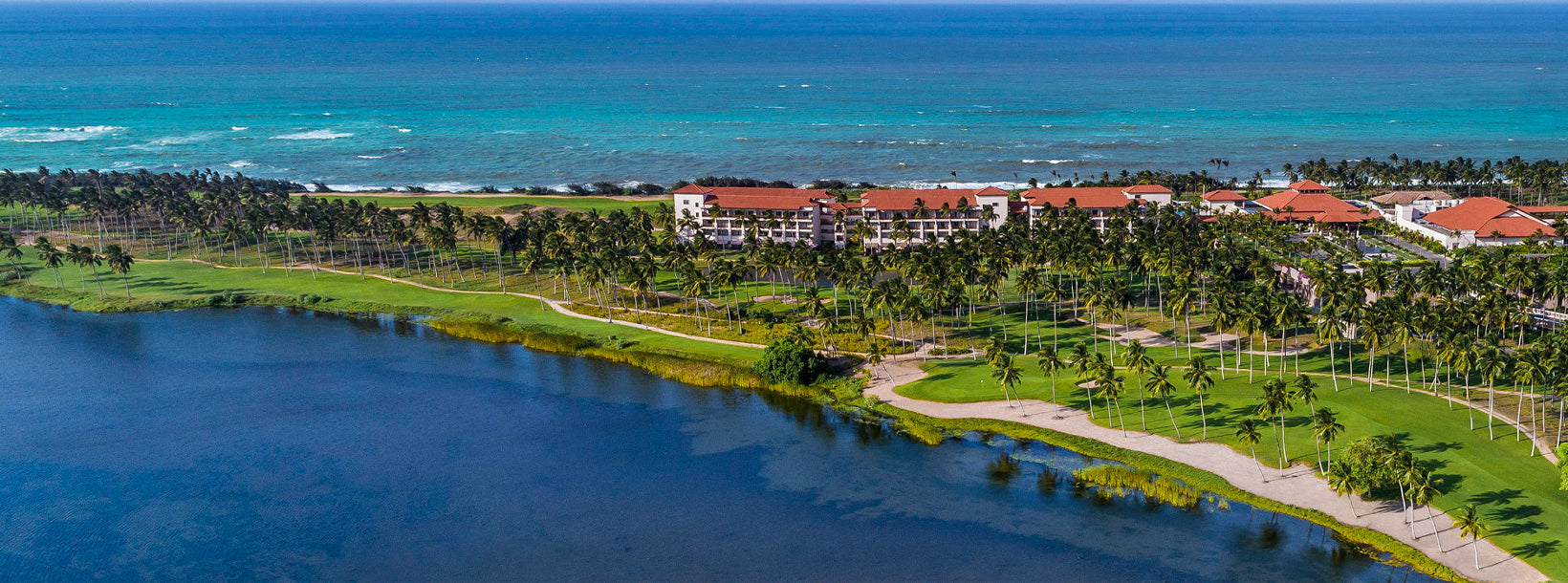
Hambantota, città portuale nel sud dello Sri Lanka, vanta un'importanza marittima strategica. Conosciuta per il suo porto in acque profonde, svolge un ruolo centrale nelle rotte commerciali globali, in particolare per il trasbordo. La città presenta anche settori industriali e turistici emergenti, che contribuiscono al suo sviluppo economico.
Yatala Vehera
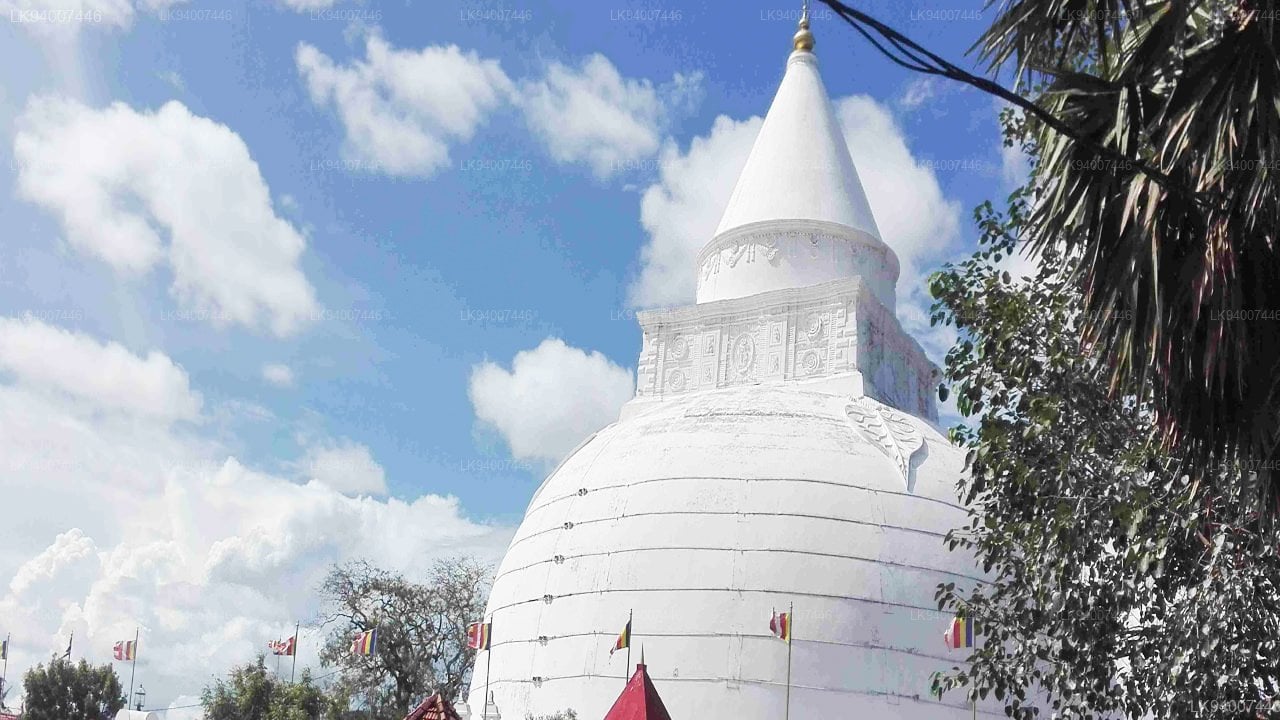
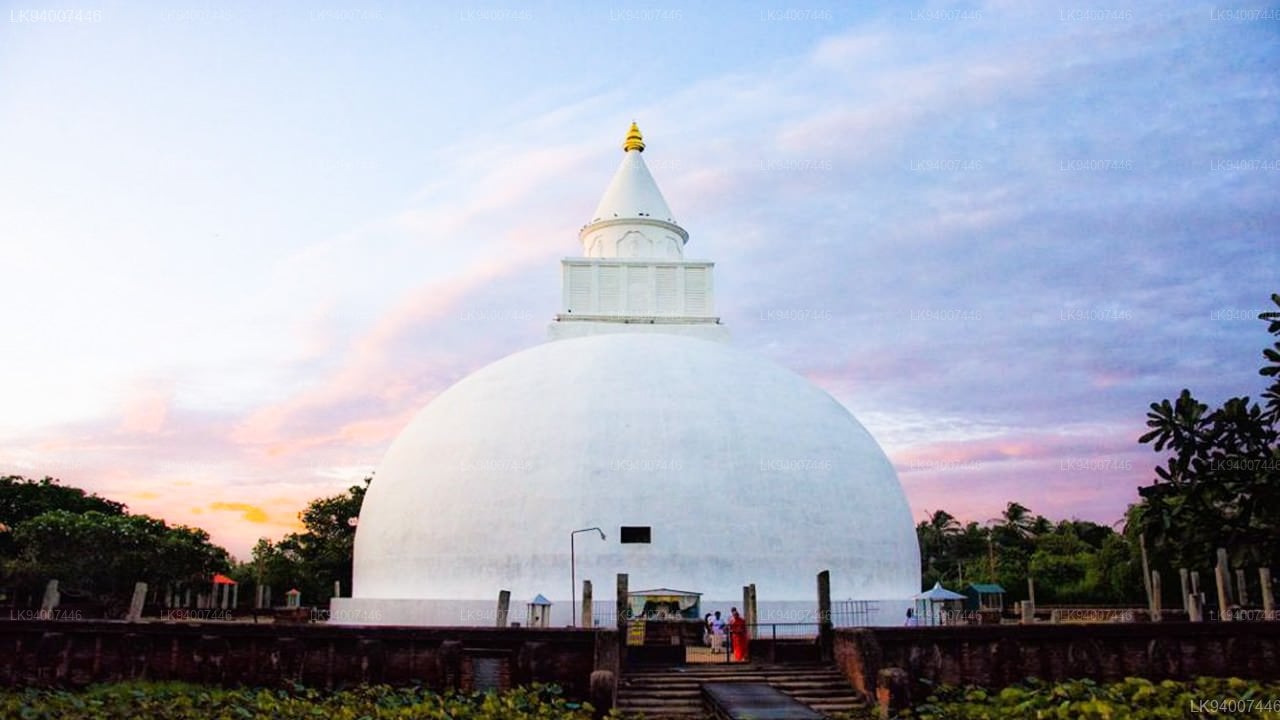
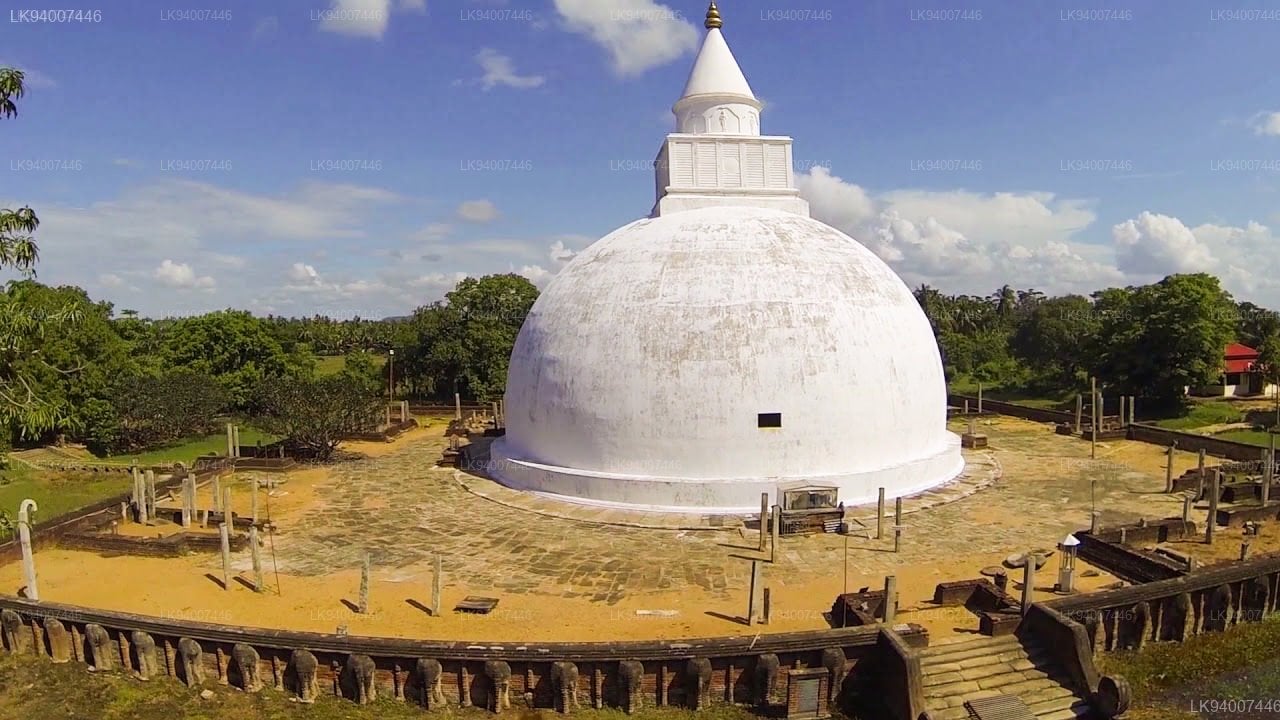
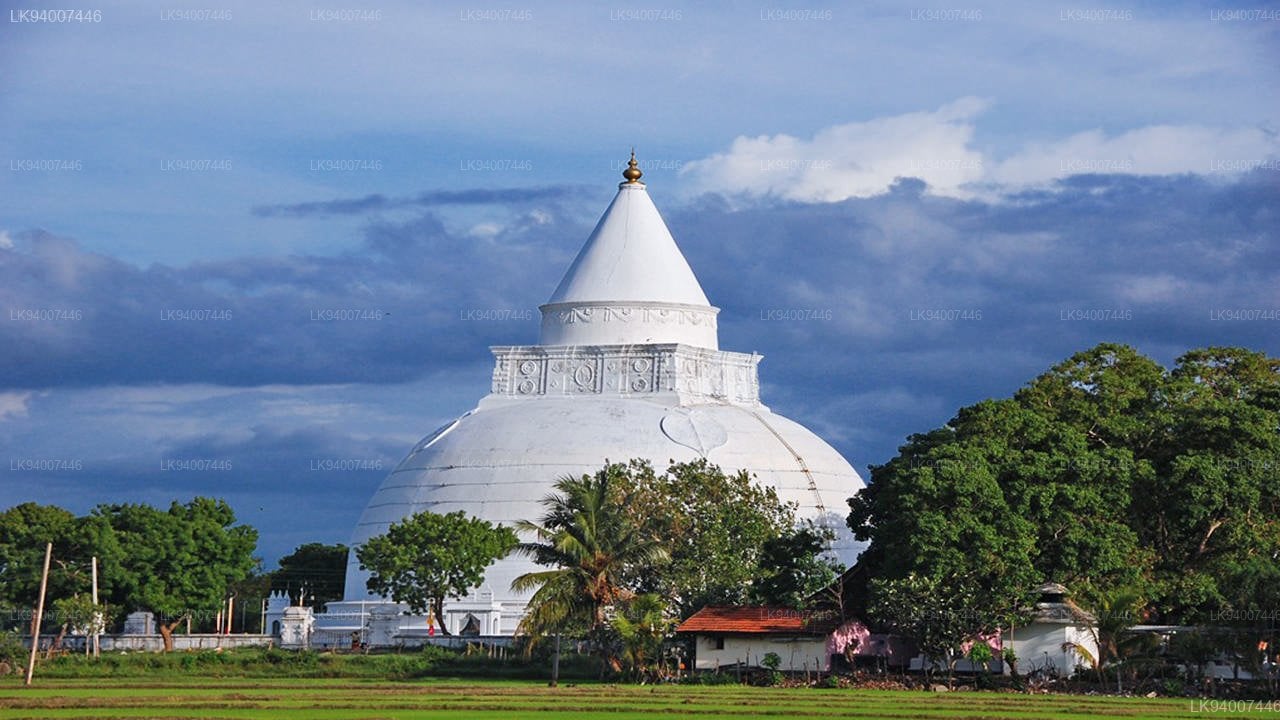
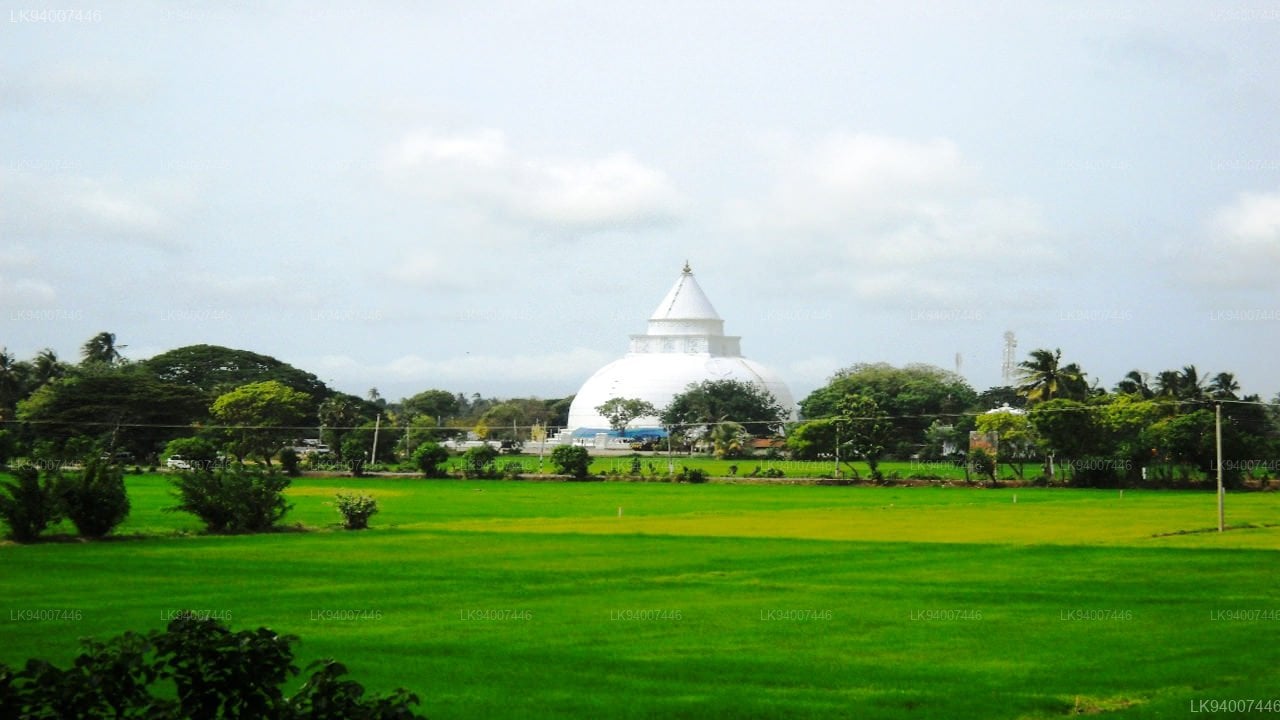
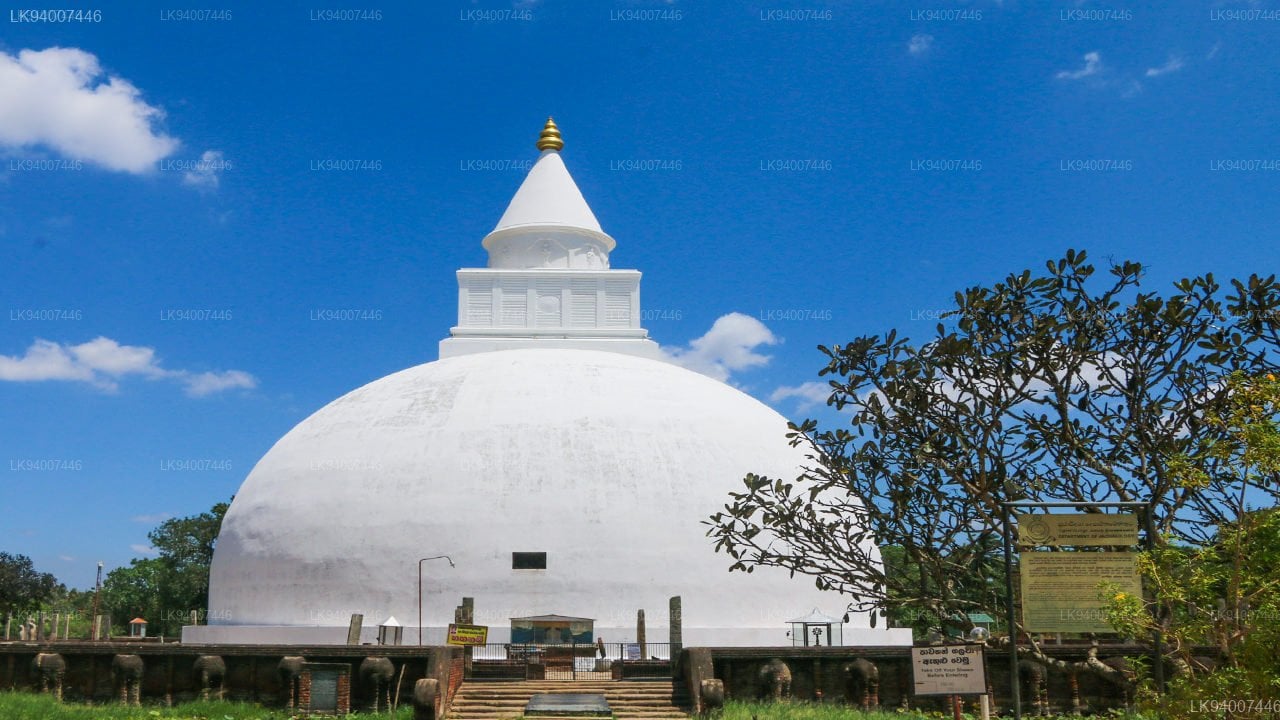
Yatala Vehera is an ancient Buddhist stupa dating back to the 3rd Century B.C, located in Deberawewa - Thissamaharama in Hambantota District of Sri Lanka. The stupa is built on a stage made of large flat granite stones and has a surrounding wall of sculpted elephant heads, a moat and a large moonstone. It is believed that the stupa was built 2300 years ago by regional king Yatala Thissa of Ruhuna to commemorate the place where he was born. However some believe that the stupa was built by regional king Mahanaga, father of Yatala Thissa to mark the birth of his son.
In various historical documents and chronicles, this stupa has been also referred as Mani Chethiya and Yattalaya. It is not known what was enshrined in this stupa but a large number of relic caskets has been discovered in the stupa. It is believed that this stupa was offered to Arhant Arittha Thero, who was the first Sinhalese arhant, by the regional king of Ruhuna. This stupa is also believed to be the first stupa built in the kingdom of Ruhuna. The restoration work of the Yatala dagaba commenced in 1883 AD and It took over a century to complete the restoration. A small opening has been left in the renovated stupa to observe the different phases of construction.
Yatala Vehera is believed to be built by regional king Mahanaga in the 3rd century BC on the grounds which his queen delivered a son. This stupa has been identified as Mani Chethiya and Yattalaya in various historical documents and as Dalada Dagoba in some inscriptions found at the site.
Informazioni sul distretto di Hambantota
Hambantota è una città rurale della zona costiera sud-orientale dello Sri Lanka. È anche il capoluogo del distretto di Hambantota, nella provincia meridionale dello Sri Lanka. A circa 240 km da Colombo, Hambantota si sta trasformando in un porto strategico e in un centro commerciale, con un ampio sviluppo delle infrastrutture. Fiancheggiata da ampie spiagge sabbiose, Hambantota è una posizione comoda per visitare le attrazioni vicine: il Parco Nazionale di Bundala si trova a 20 km a est di Hambantota e il Santuario di Weerawila un po' più lontano. Il Parco Nazionale di Ruhuna e il Tempio di Kataragama sono altre attrazioni facilmente raggiungibili da questa città.
Informazioni sulla Provincia del Sud
La Provincia meridionale dello Sri Lanka è una piccola area geografica composta dai distretti di Galle, Matara e Hambantota. L'agricoltura di sussistenza e la pesca sono la principale fonte di reddito per la stragrande maggioranza degli abitanti di questa regione. Tra i punti di riferimento importanti della Provincia meridionale vi sono i santuari della fauna selvatica dei parchi nazionali di Yala e Udawalawe, la città santa di Kataragama e le antiche città di Tissamaharama, Kirinda e Galle. (Sebbene Galle sia una città antica, non sopravvive quasi nulla di ciò che è accaduto prima dell'invasione portoghese). Durante il periodo portoghese c'erano due famosi poeti singalesi, Andare, originario di Dickwella, e Gajaman Nona, originario di Denipitiya, nel distretto di Matara, che componevano poesie sull'uomo comune.