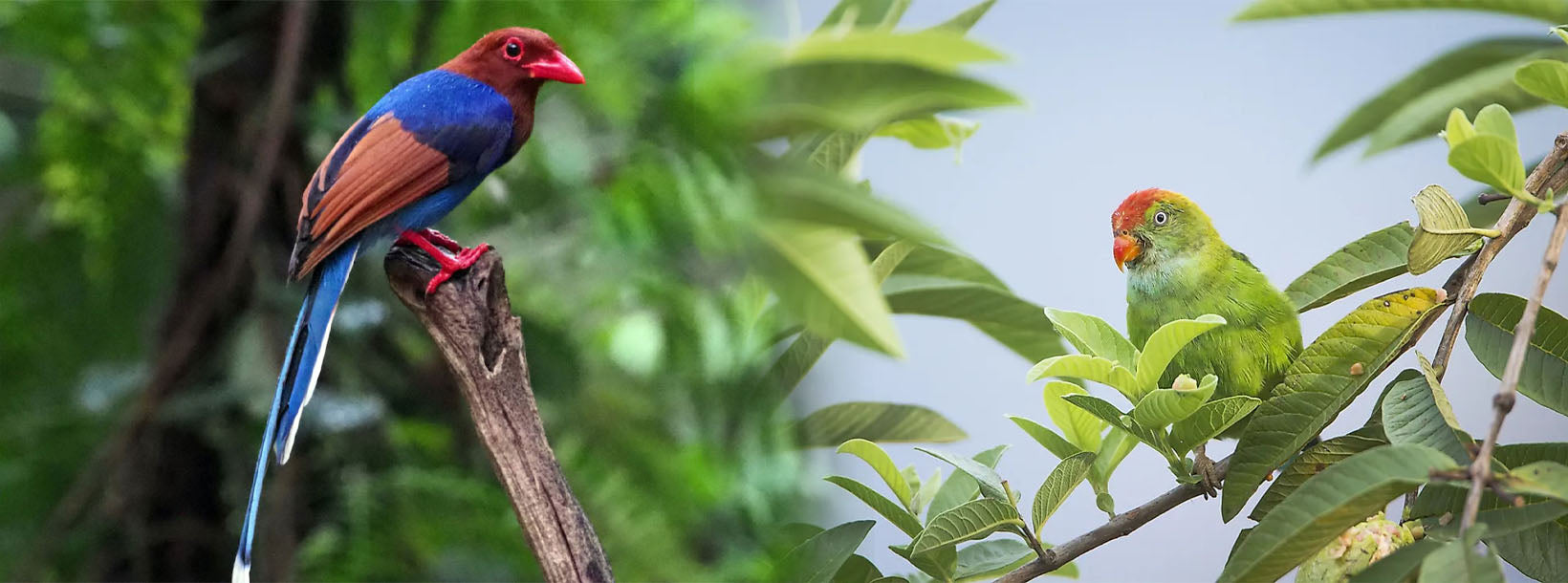
Ceylon Hanging Parrot


Sri Lanka Hanging Parrot "Loriculus beryllinus" (Forster, 1781)
Sri Lanka Hanging Parrots (Lorikeet) are completely arboreal, constantly on the wing in the highest levels of the forest canopy. The birds move about in pairs, and although a solitary individual might be seen, its mate is never far away. The sexes are alike except that females are duller-coloured with a lighter trace of blue on the throat. The forehead and face of fledged young birds are naked, but adult plumage is attained by the age of about one year.
Their flight is swift and rapid. During flight they call with a sharp three-syllable whistle: twit, twit, twit.
The bird feeds on nectar, pollen and the juicier fruits occurring in the canopy; they are also known to feed on soft seeds. Hanging Parrots are known to fly considerable distances to suitable feeding trees and up to twenty birds may sometimes be seen feeding on a single tree. At night they rest rather like bats, hanging from their feet, head-down, hence the common name.
Sri Lanka Hanging Parrot -Loriculus beryllinus
They occur everywhere in the central hills up to about 1,400 meters altitude, ascending somewhat higher during the non-breeding season (northeast monsoon). They are plentiful throughout the lower hills and the wet zone and moderately plentiful in dry zone areas close-to the hills.
Hanging Parrots breed between January and August, selecting their nesting sites and mating in January: eggs and young have been recorded between February and August, with a peak during April and May. The nest is built in a hole or natural cavity of a tree. The entrance is anywhere from 2-12 meters above the ground. Nest building and incubation are entirely the duty of the female. Nesting materials include strips of leaves which are brought into the nest by the female tucking them among her rump feathers. The nest is an assemblage of leaf strips in which the female lays three chalky white spherical eggs about 1.9×1.6 cm in size, of which she incubates only two.


-
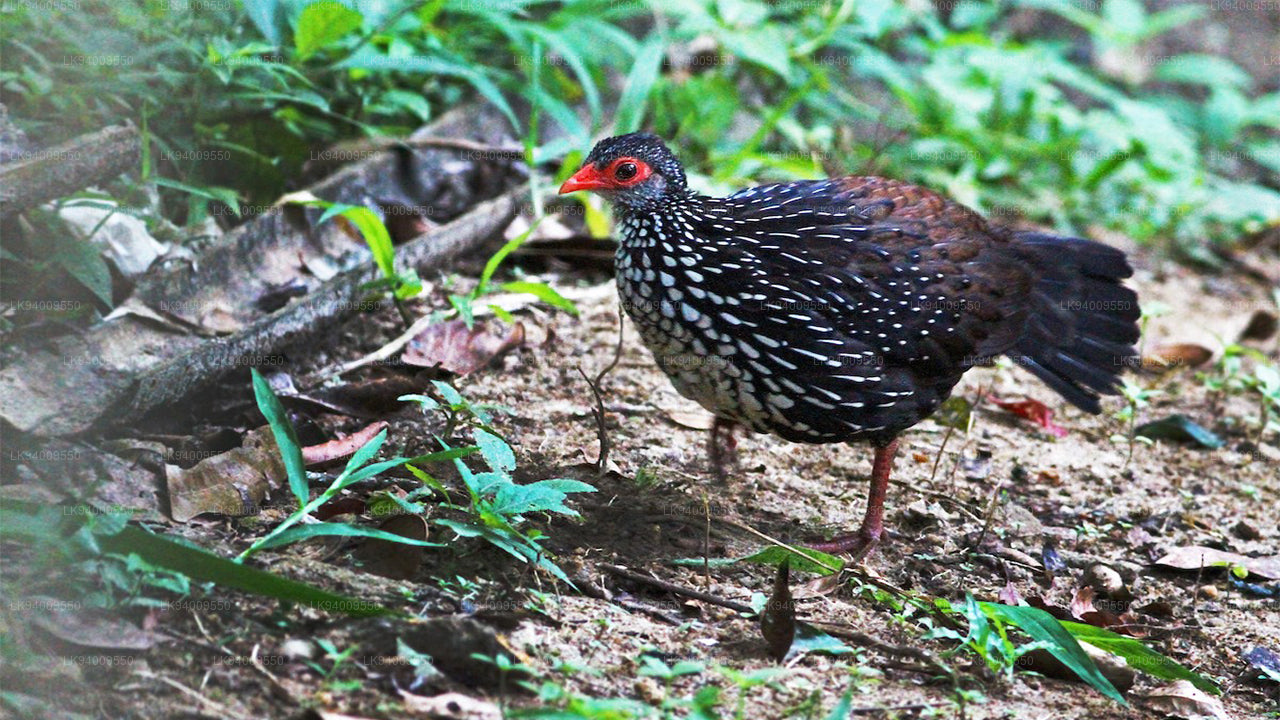 Ceylon Spurfowl
Galloperdix bicalcarata
-
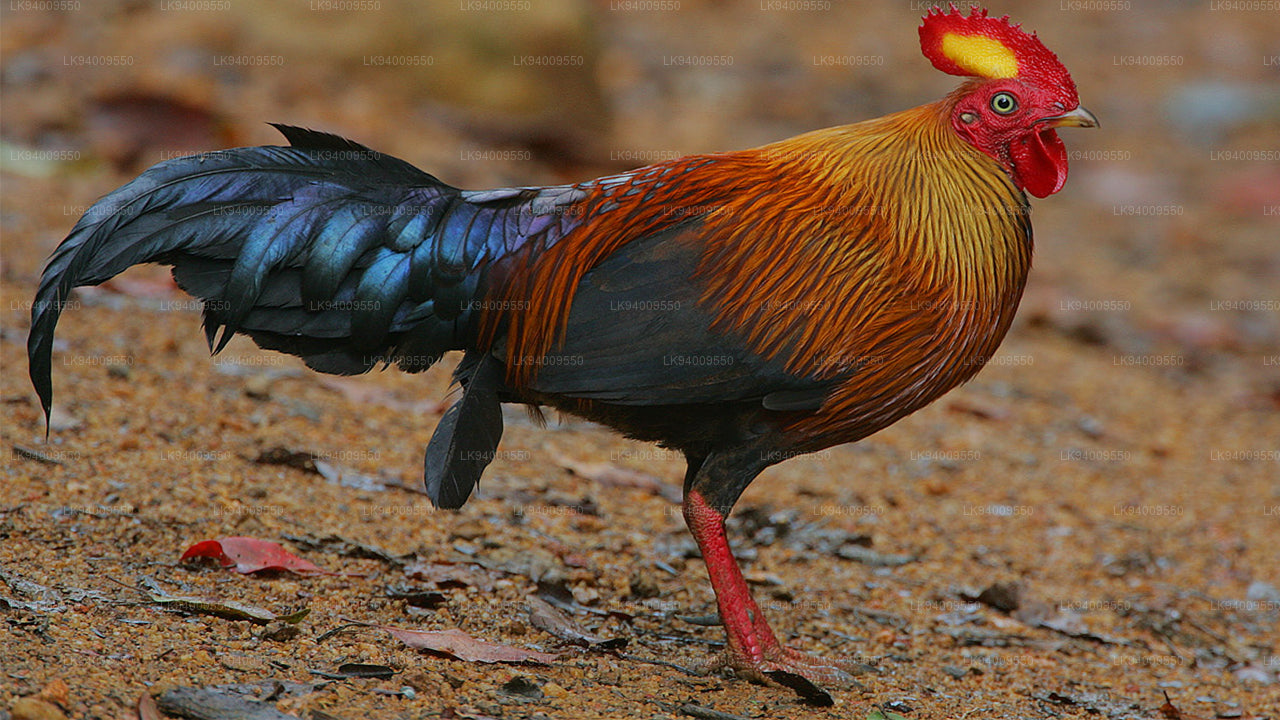 Junglefowl
Gallus lafayetii
-
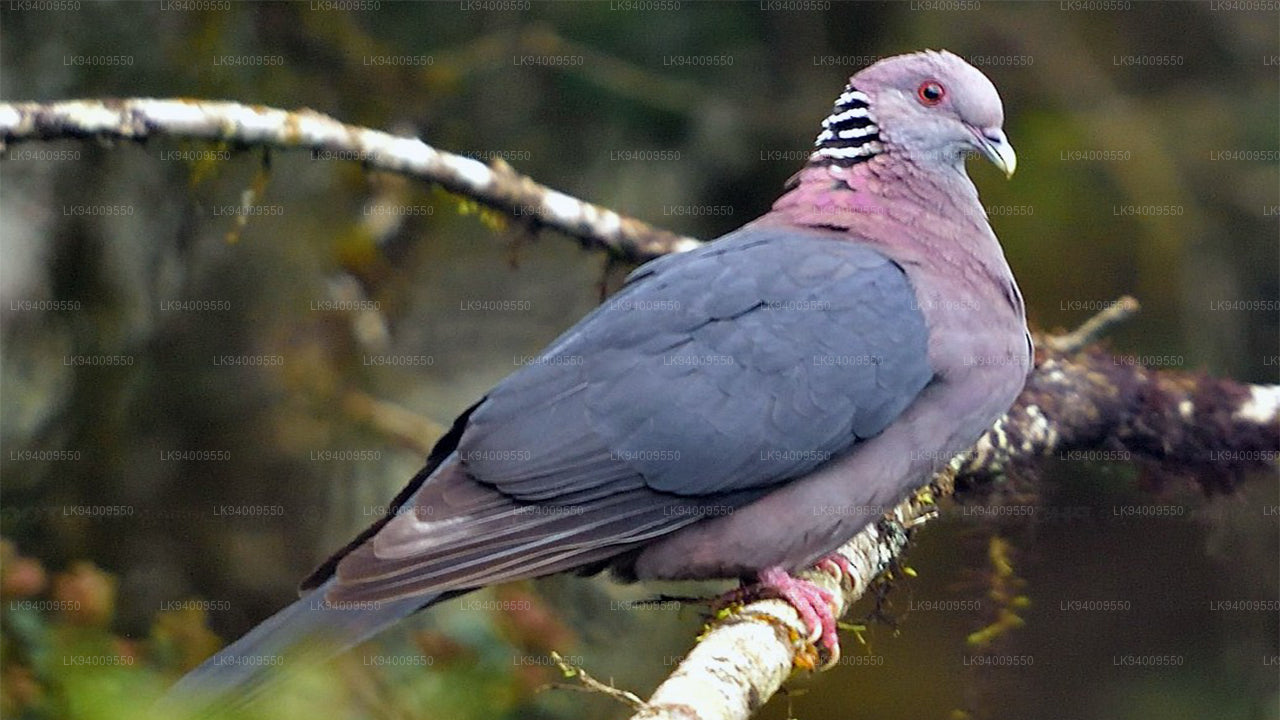 Ceylon Woodpigeon
Columba torringtoniae
-
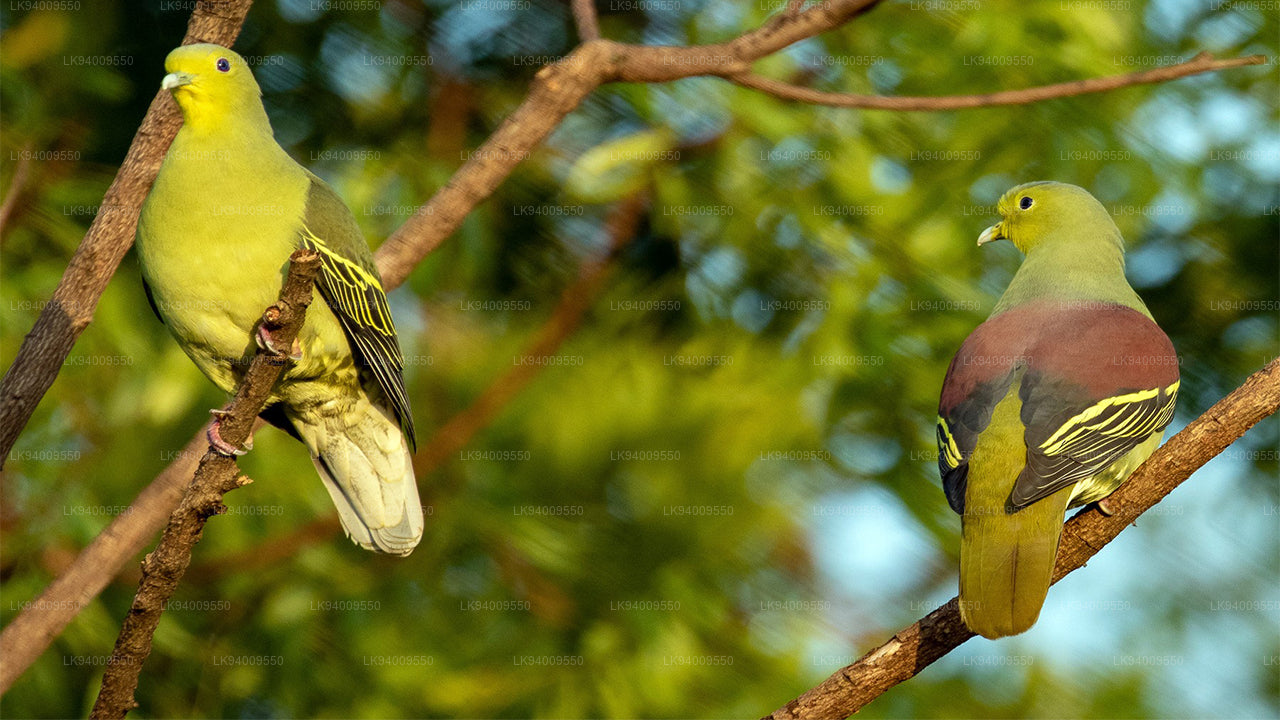 Ceylon Green Pigeon
Treron pompadora
-
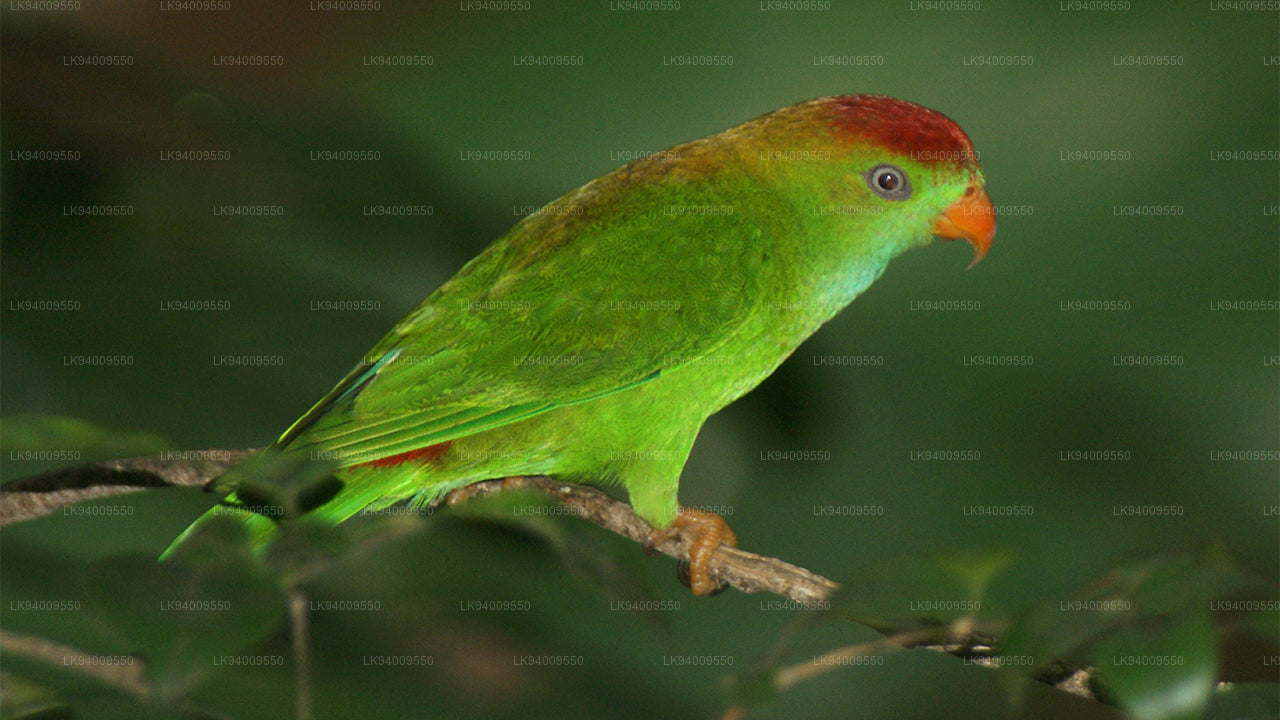 Ceylon Hanging Parrot
Loriculus beryllinus
-
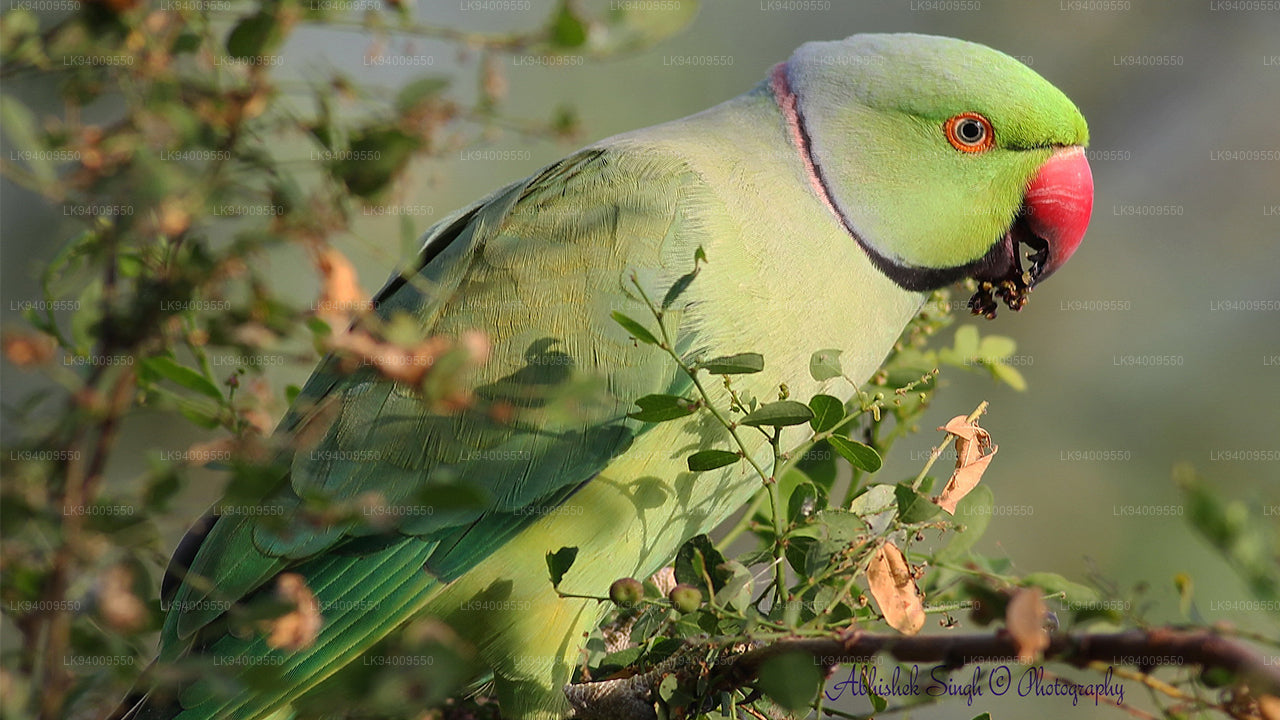 Layard’s Parakeet
Psittacula calthrapae
-
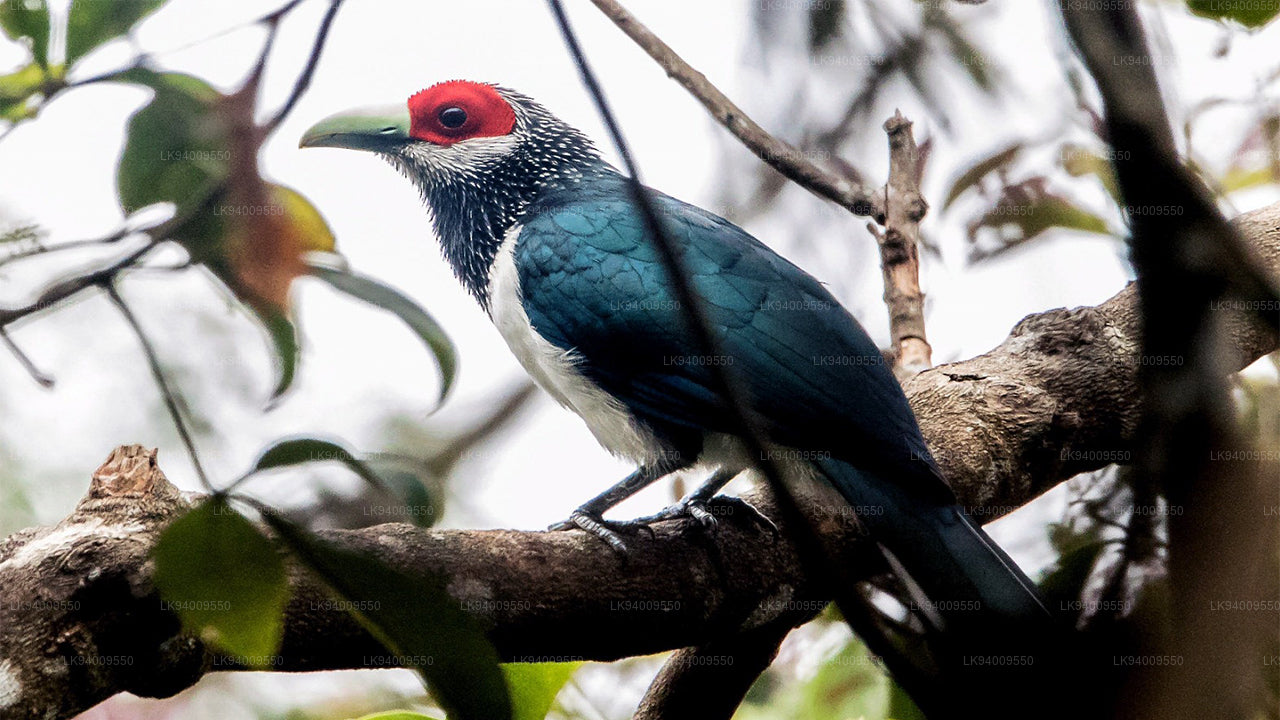 Red Faced Malkoha
Phaenicophaeus pyrrhocephalus
-
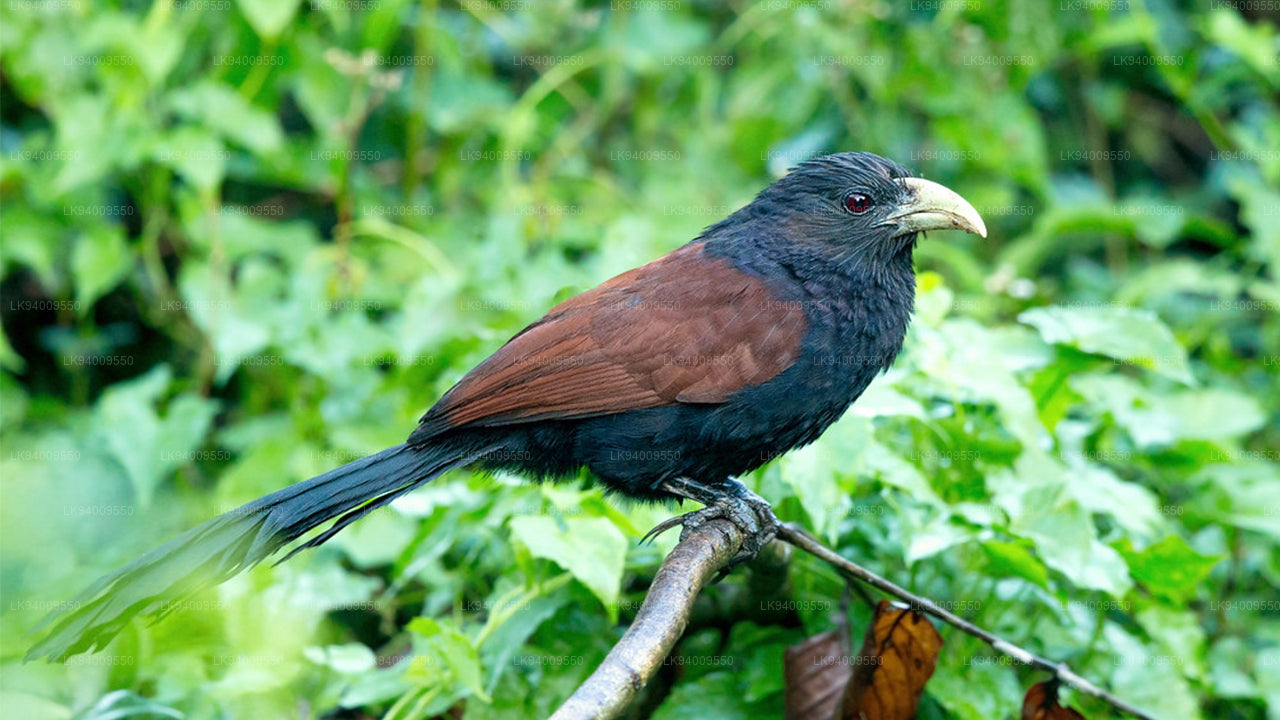 Green Billed Couca
Centropus chlororhynchos
-
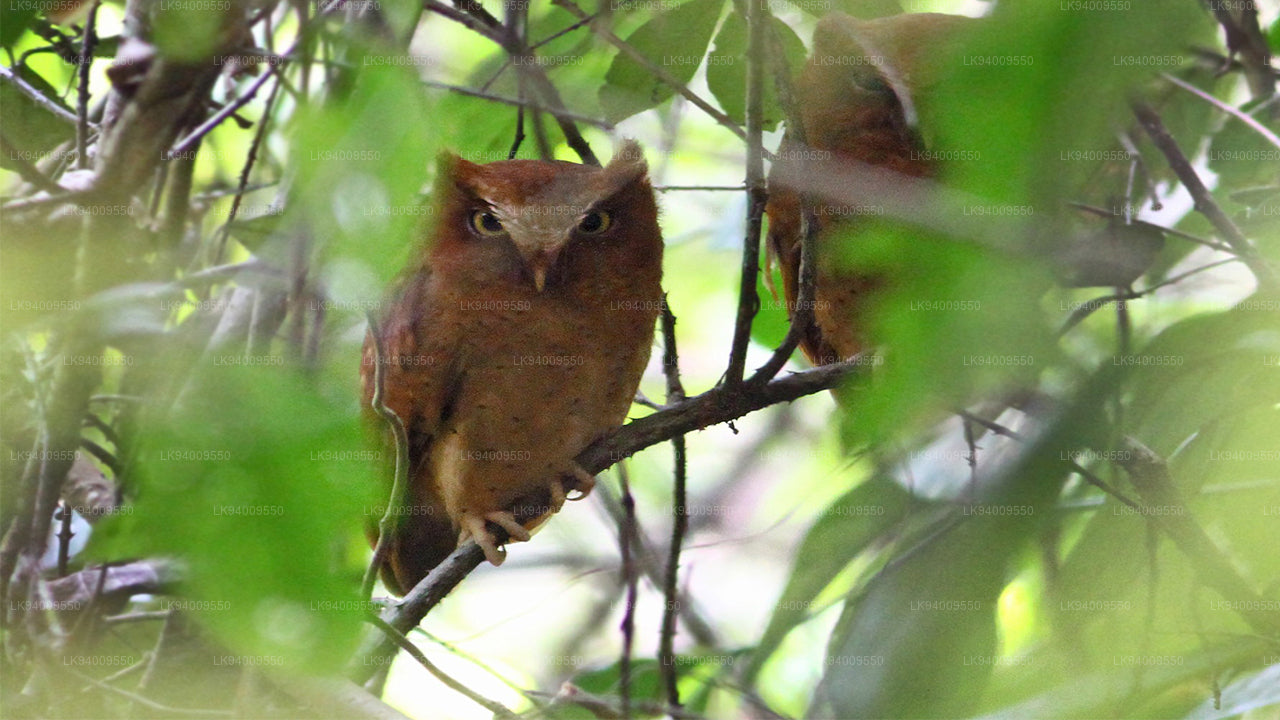 Serendib Scops Owl
Otus thilohoffmanni
-
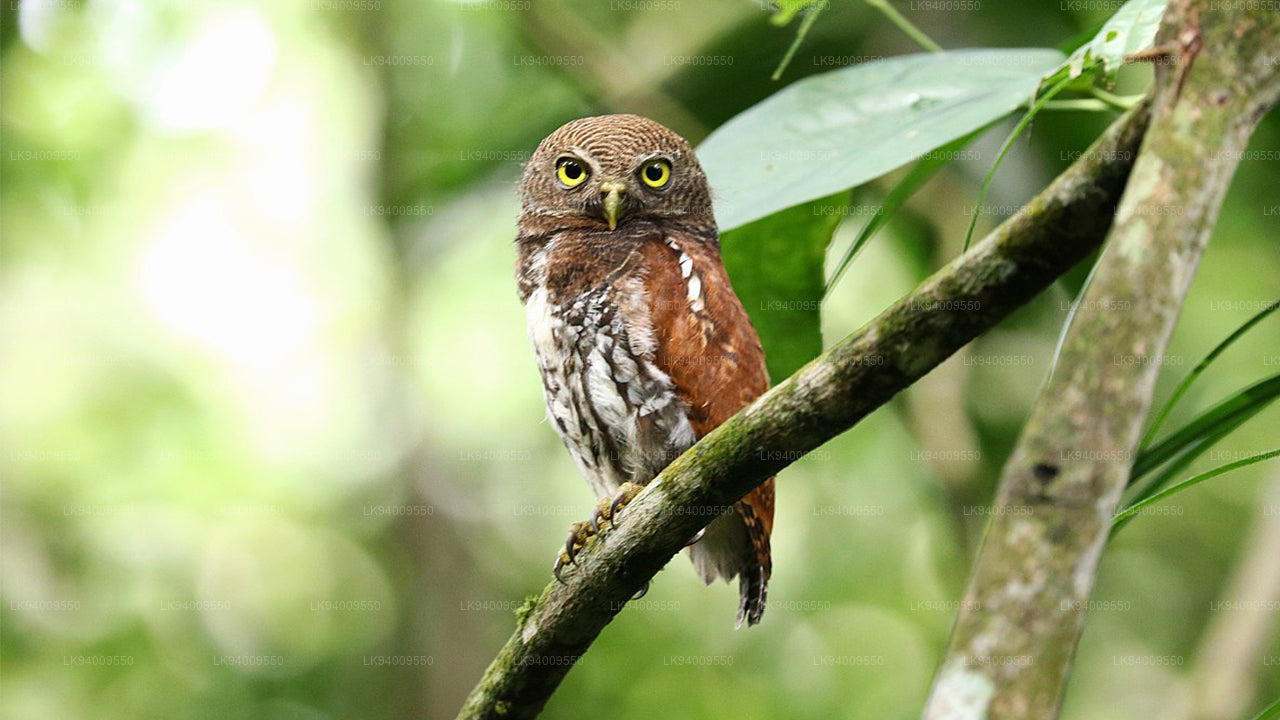 Chestnut Backed Owlet
$Glaucidium castanotum
-
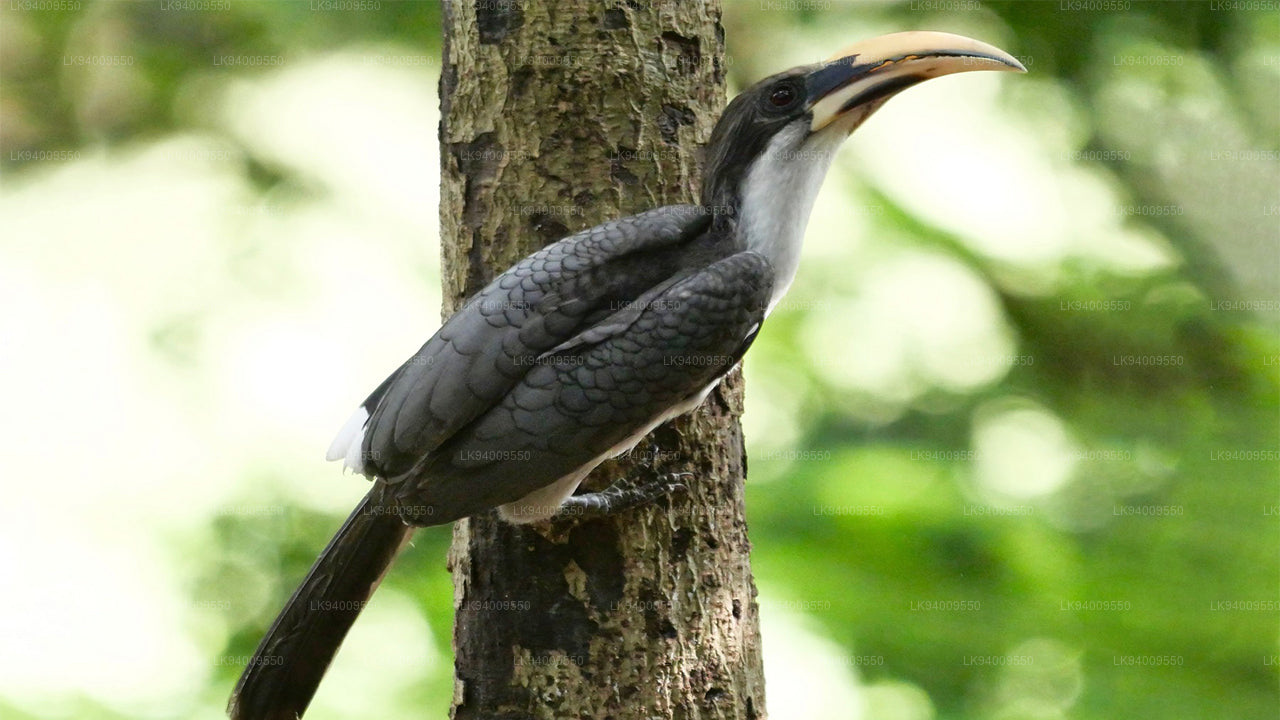 Ceylon Grey Hornbill
Ocyceros gingalensis
-
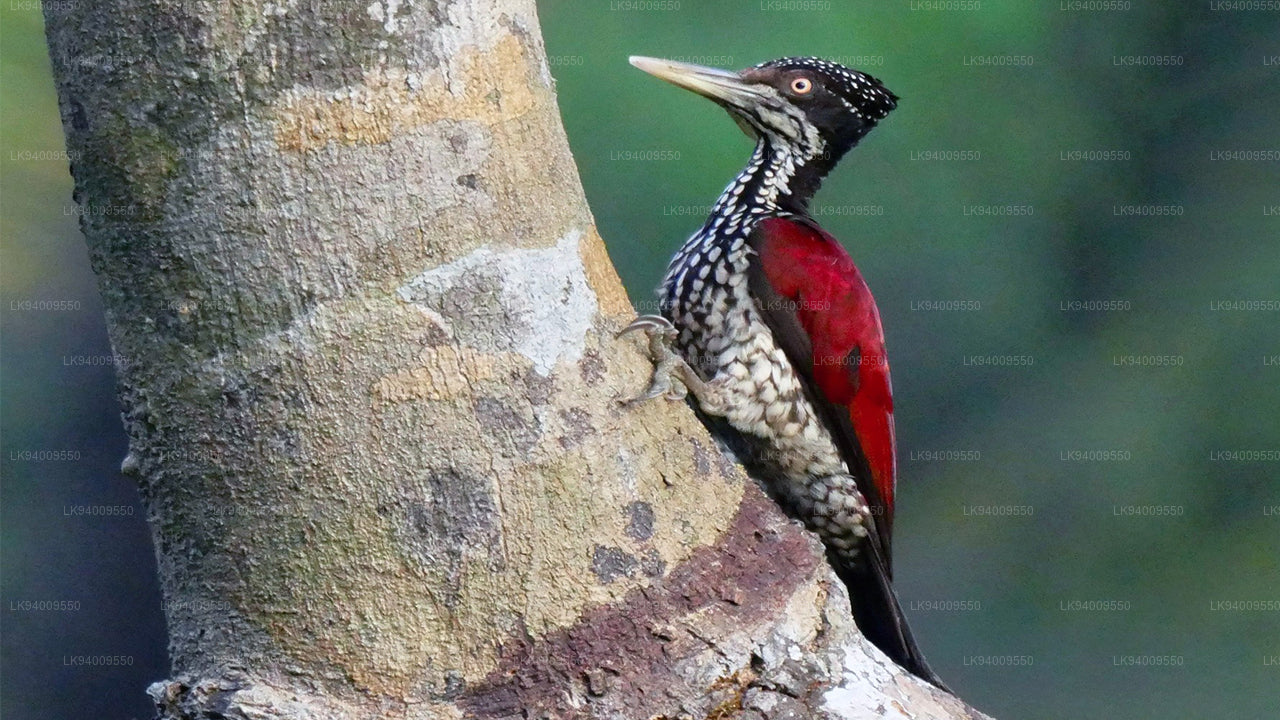 Crimson Backed Flameback
Chrysocolaptes stricklandi
-
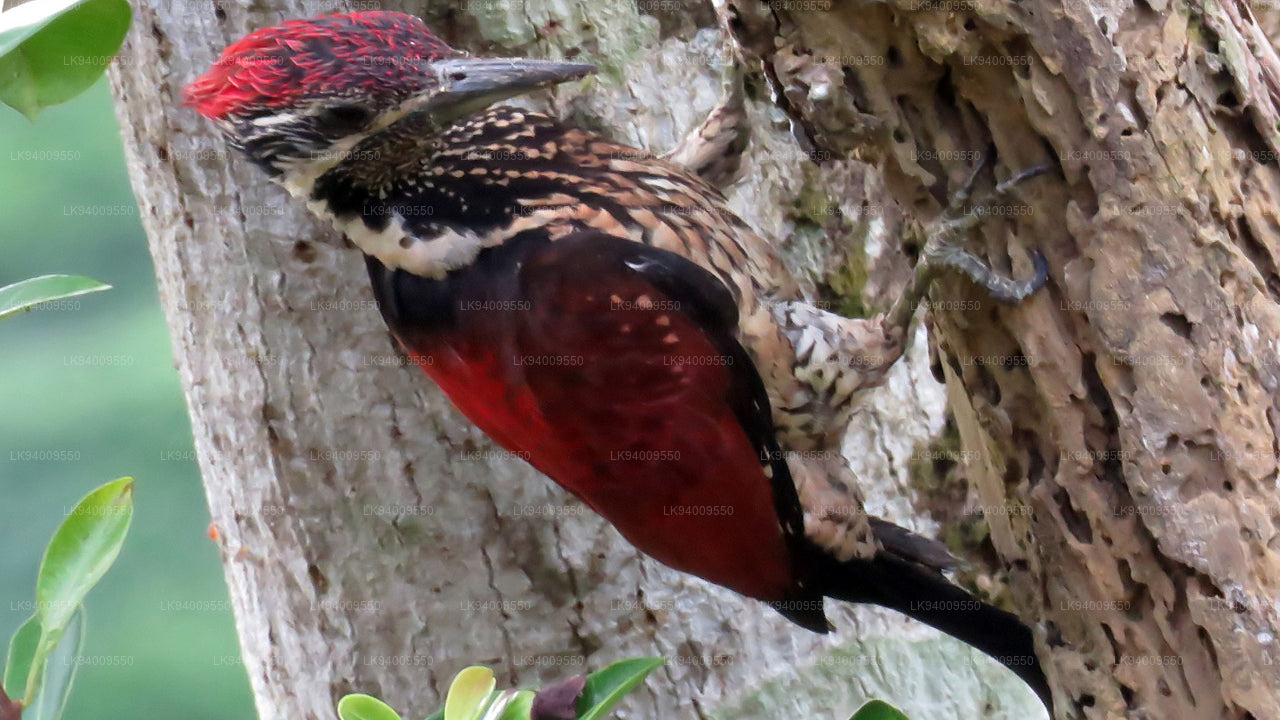 Red backed flameback
Dinopium psarodes
-
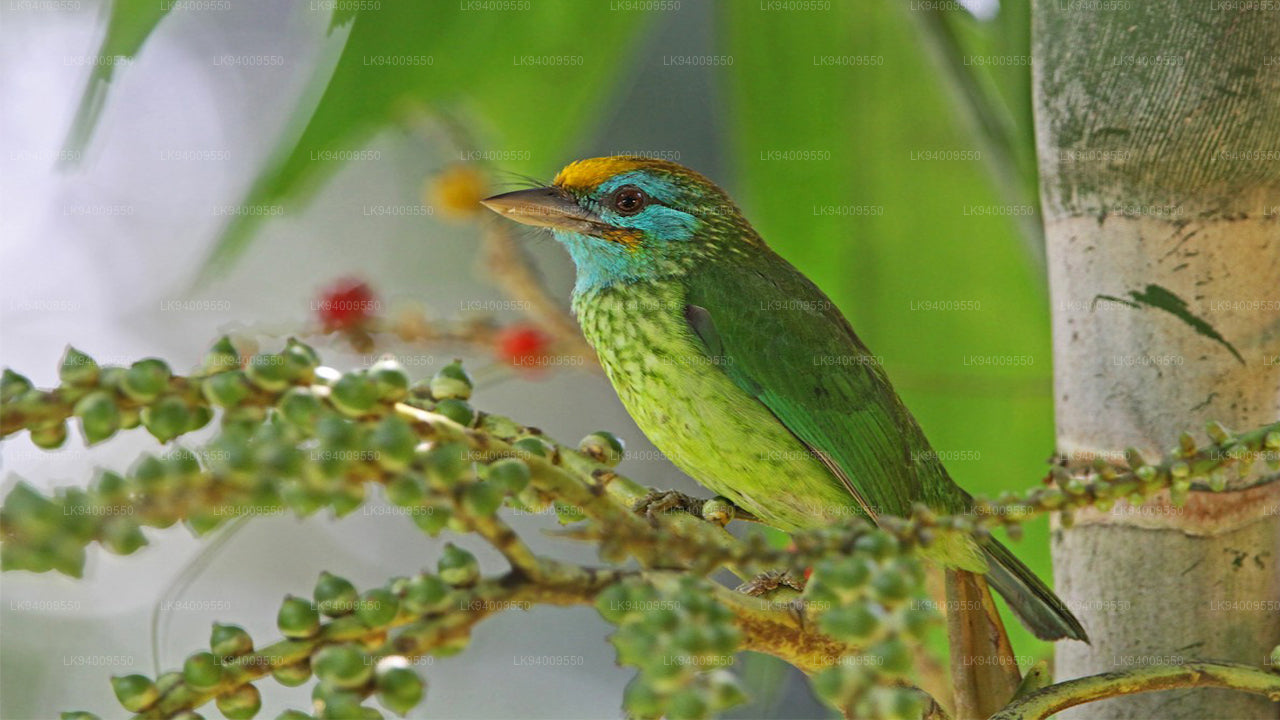 Yellow Fronted Barbet
Psilopogon flavifrons
-
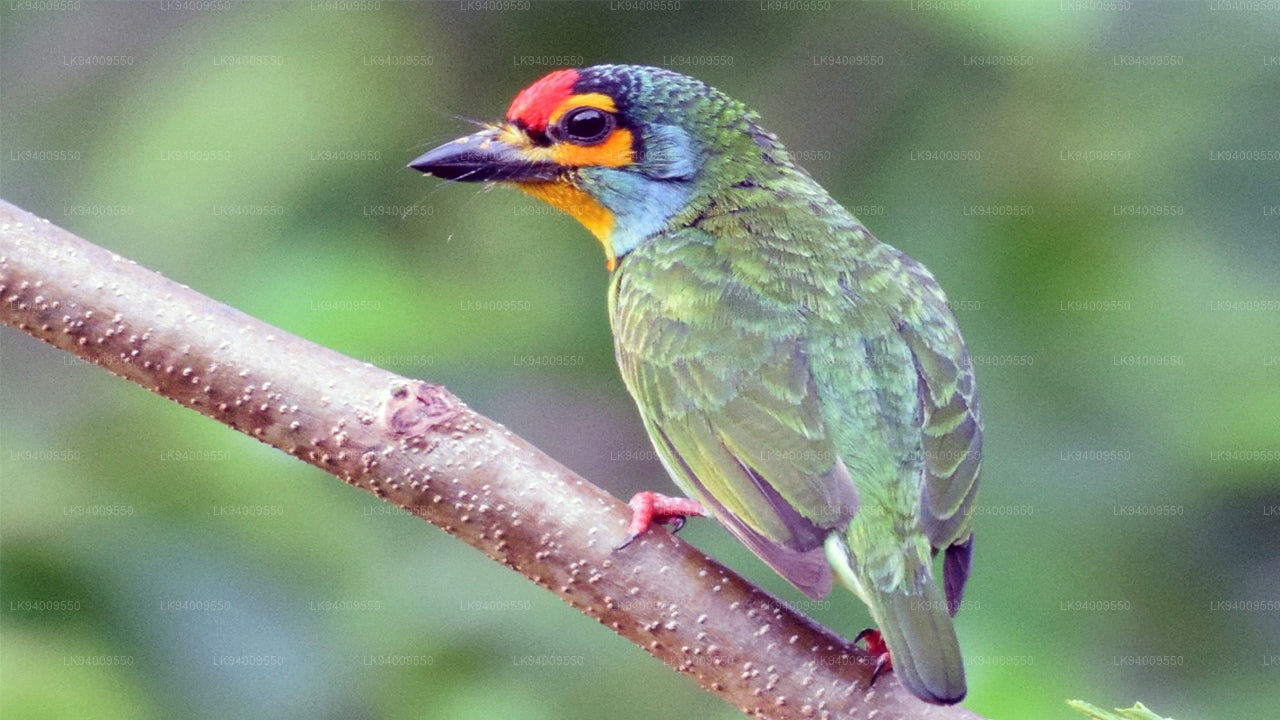 Crimson Fronted Barbet
Psilopogon rubricapillus
-
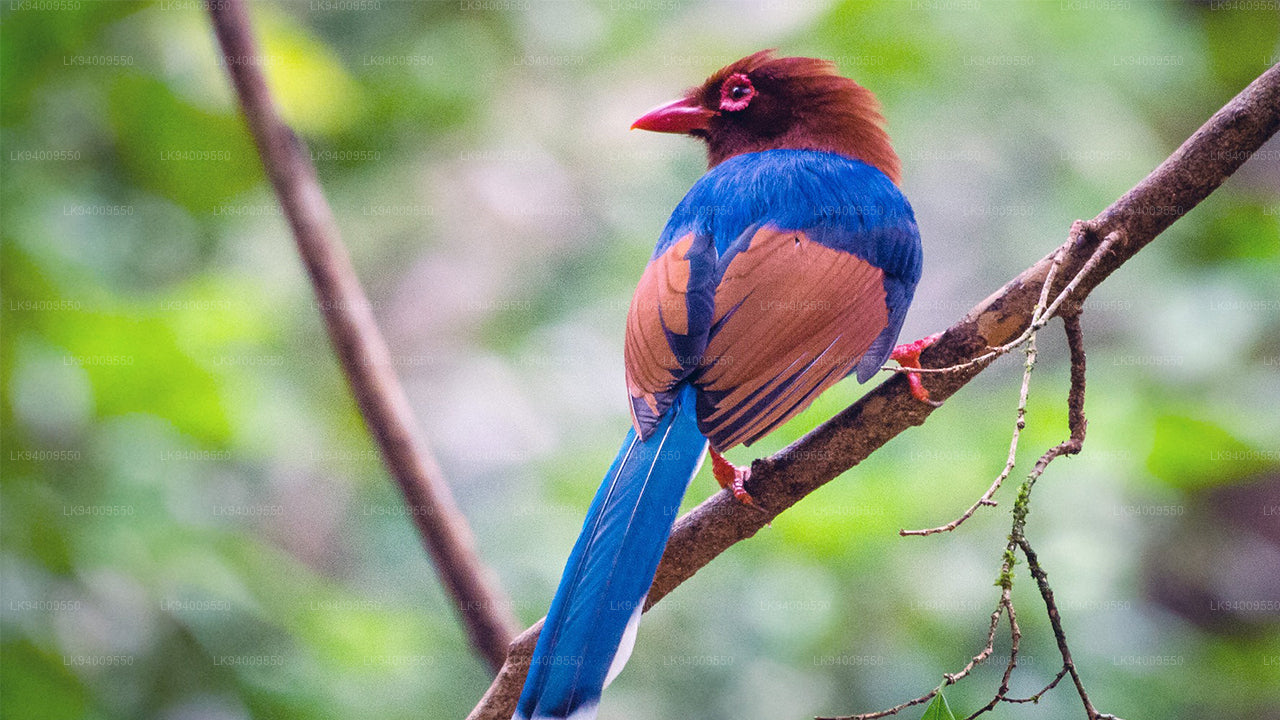 Ceylon Blue Magpie
Urocissa ornata
-
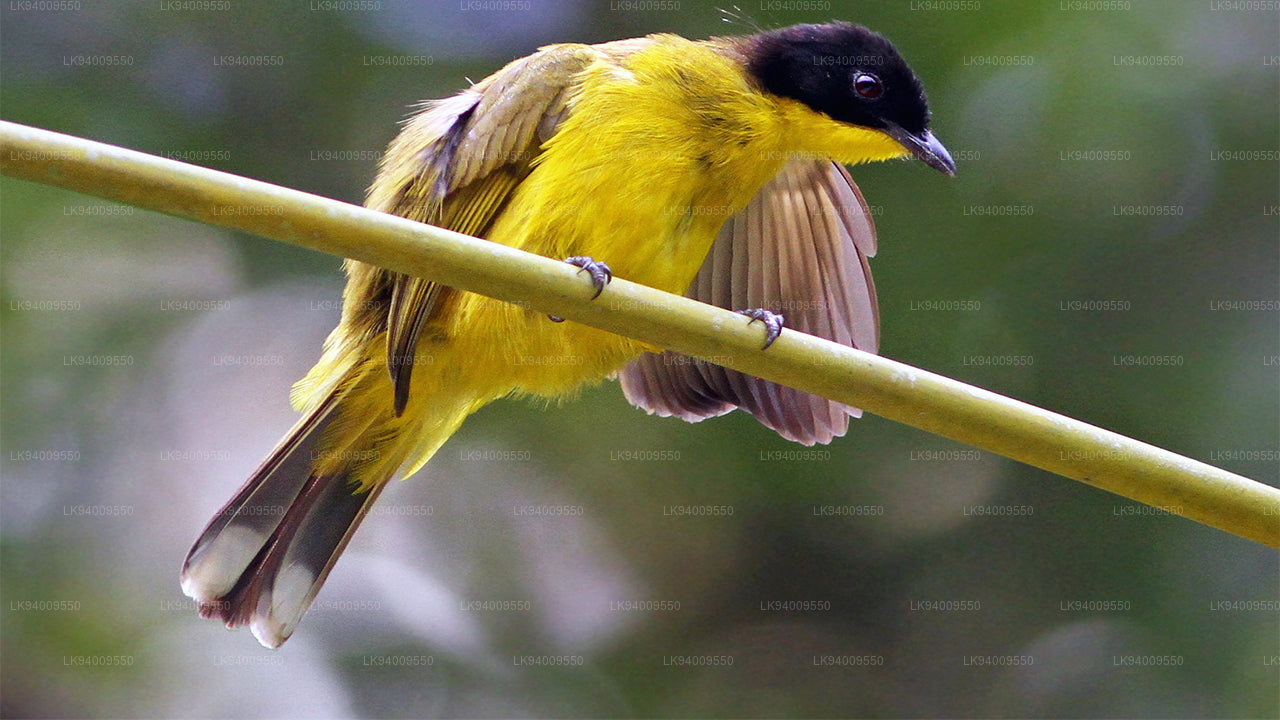 Black Capped Bulbul
Rubigula melanictera
-
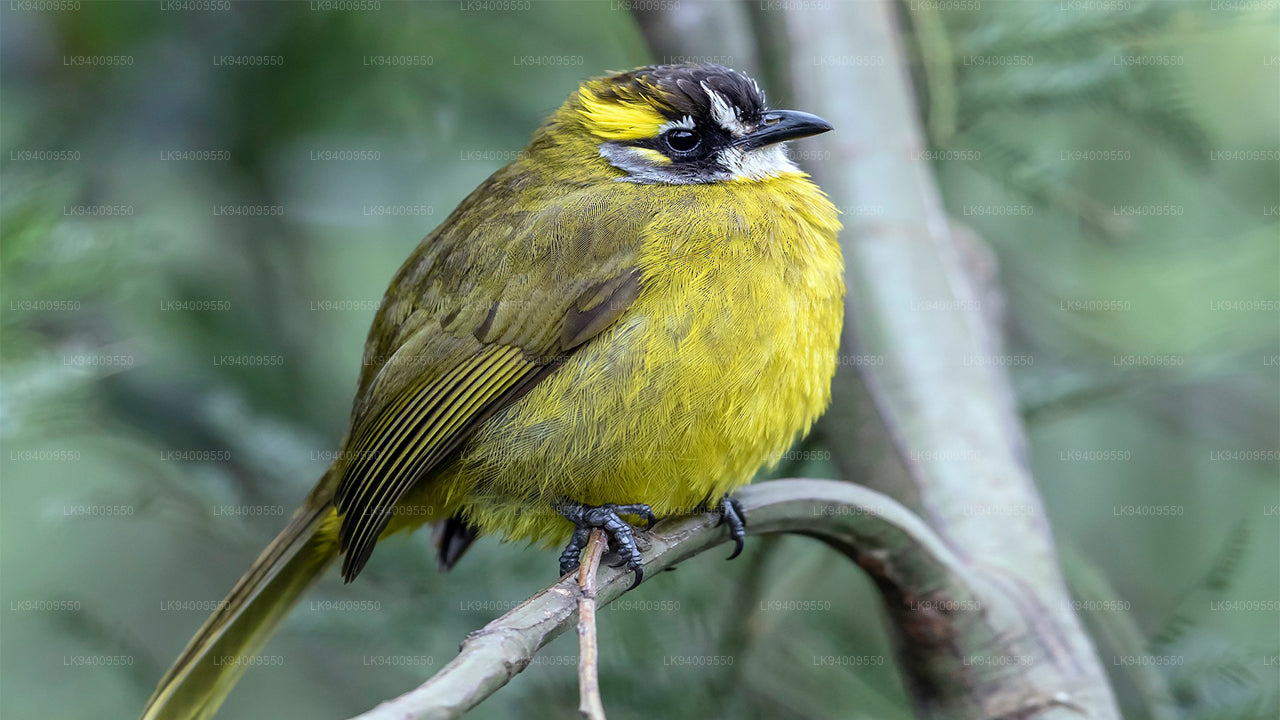 Yellow Eared Bulbul
Pycnonotus penicillatus
-
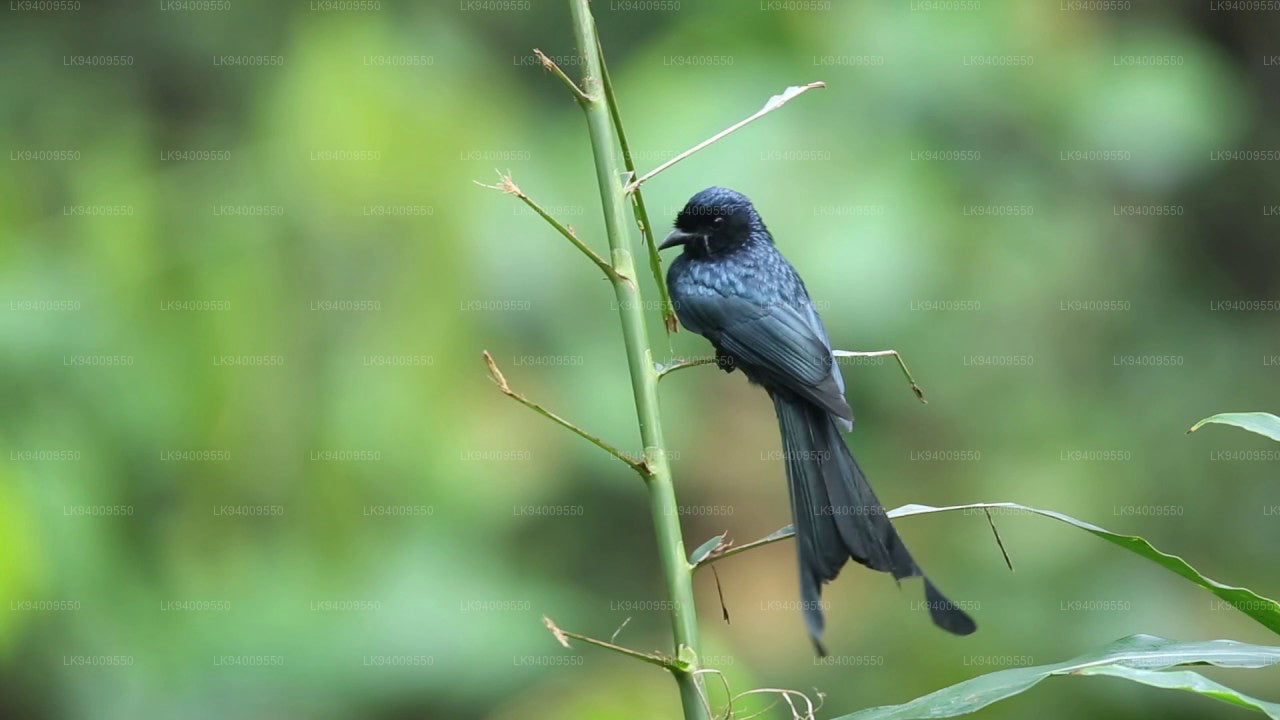 Ceylon Crested Drongo
Dicrurus lophorinus
-
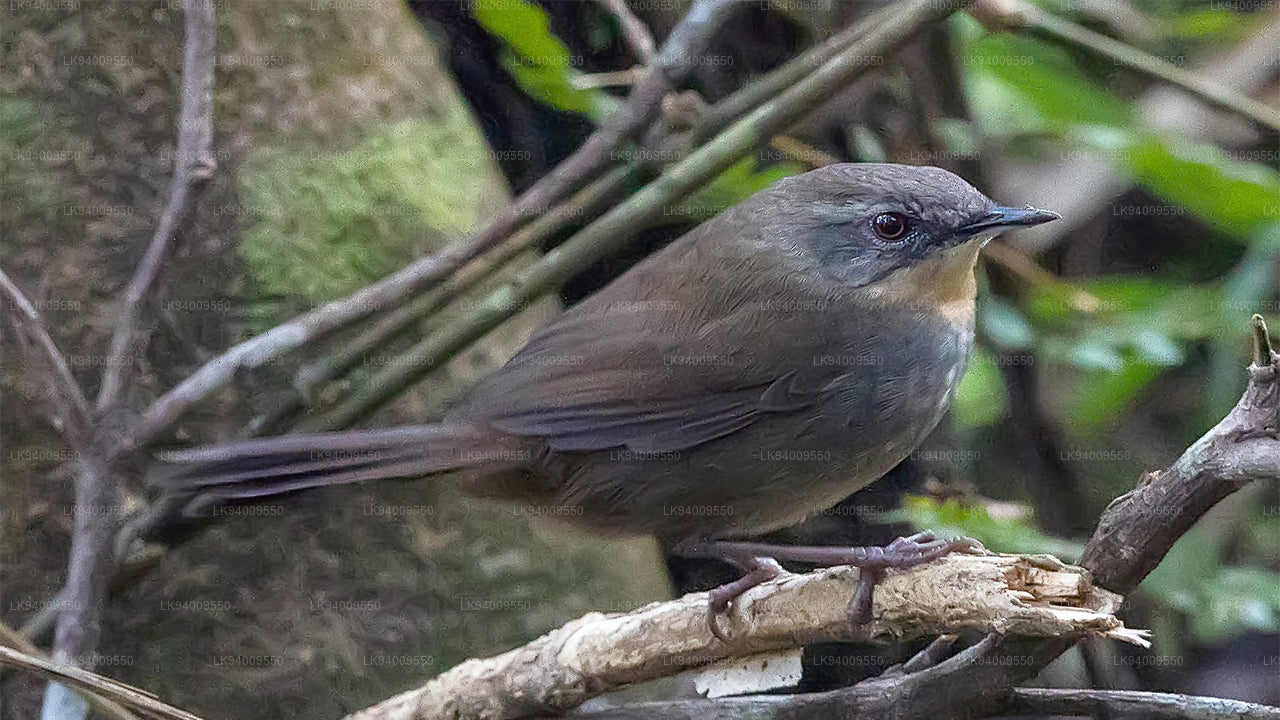 Ceylon Bush Warbler
Elaphrornis palliseri
-
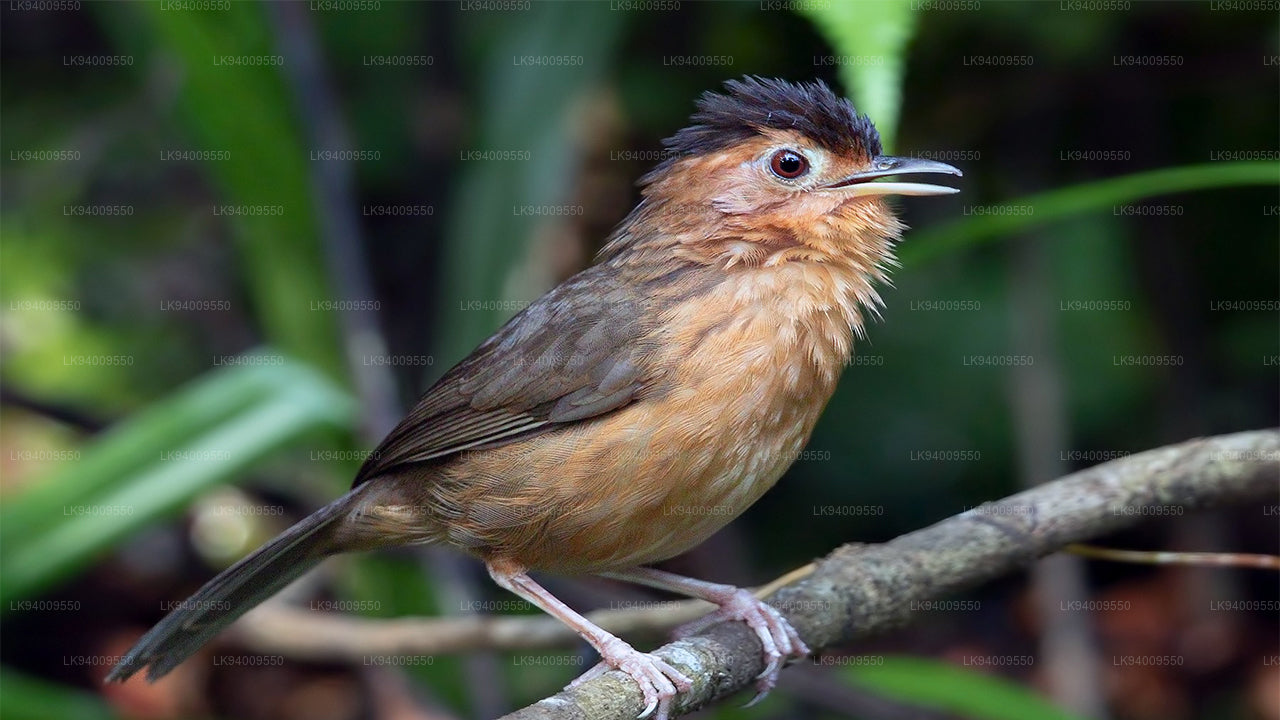 Brown Capped Babbler
Pellorneum fuscocapillus
-
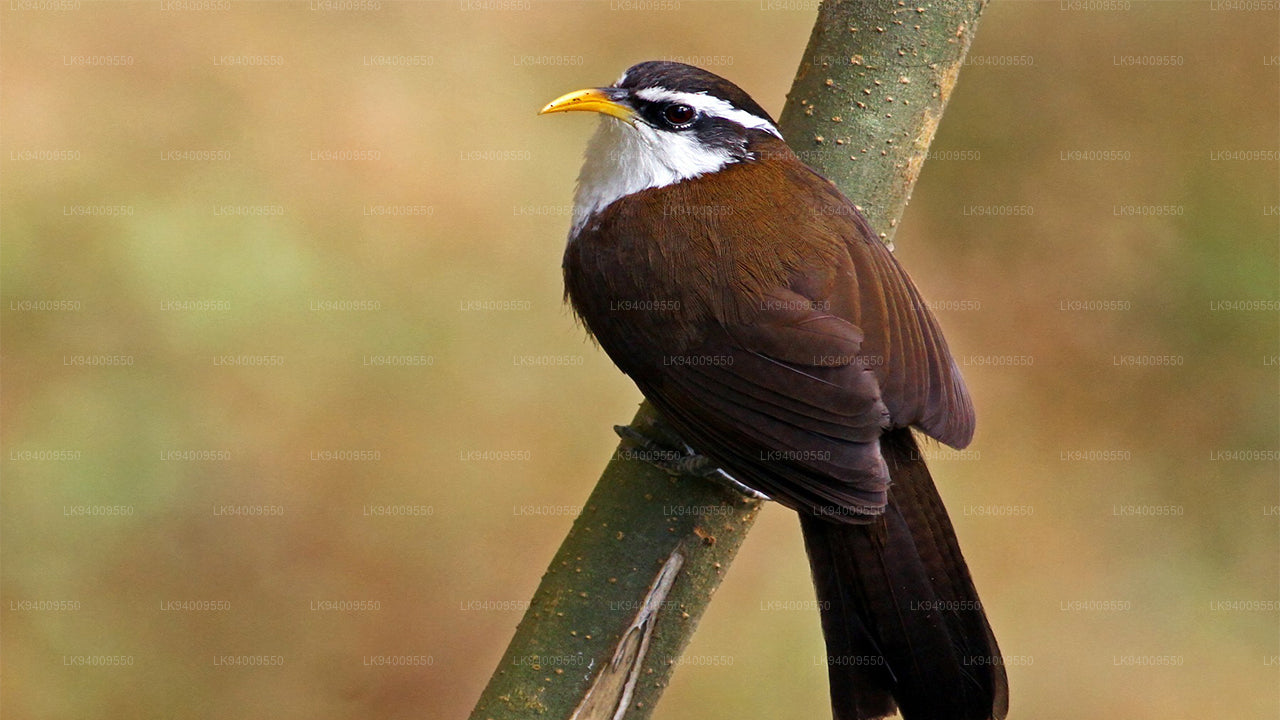 Ceylon Scimitar Babbler
Pomatorhinus melanurus
-
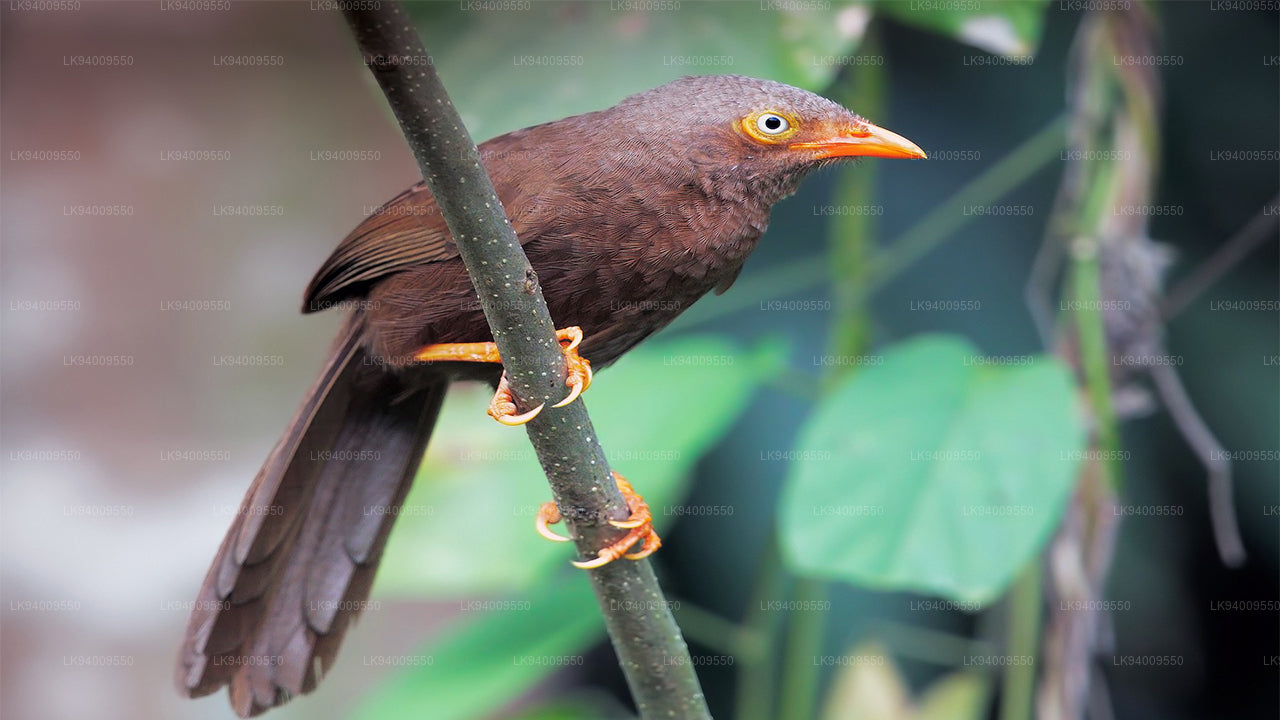 Ceylon Rufous Babbler
Argya rufescens
-
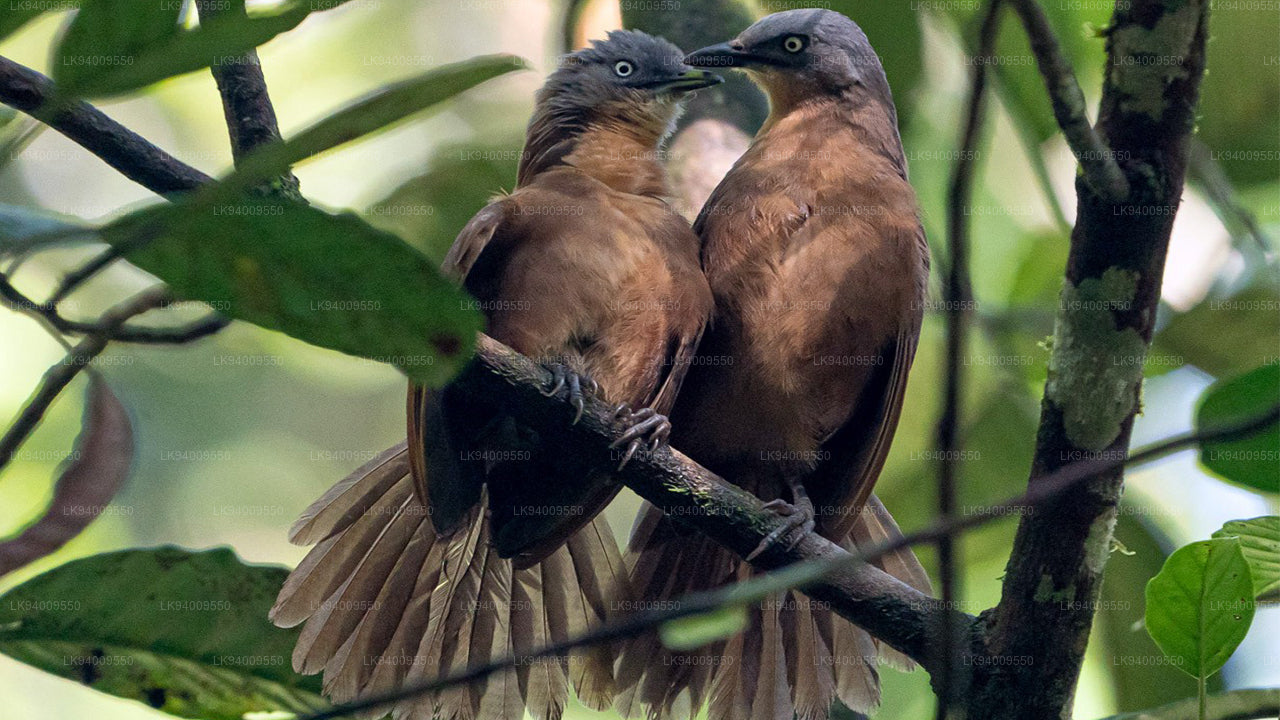 Ashy Headed Laughingthrush
Argya cinereifrons
-
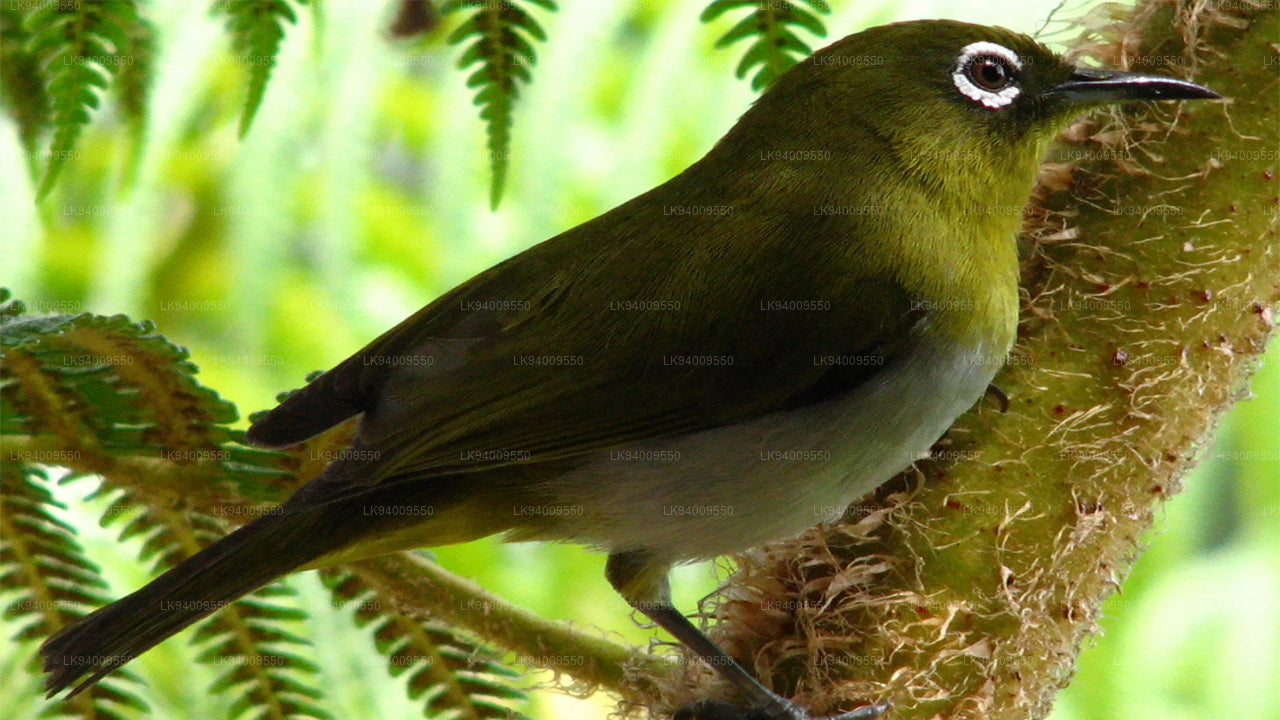 Ceylon White Eye
Zosterops ceylonensis
-
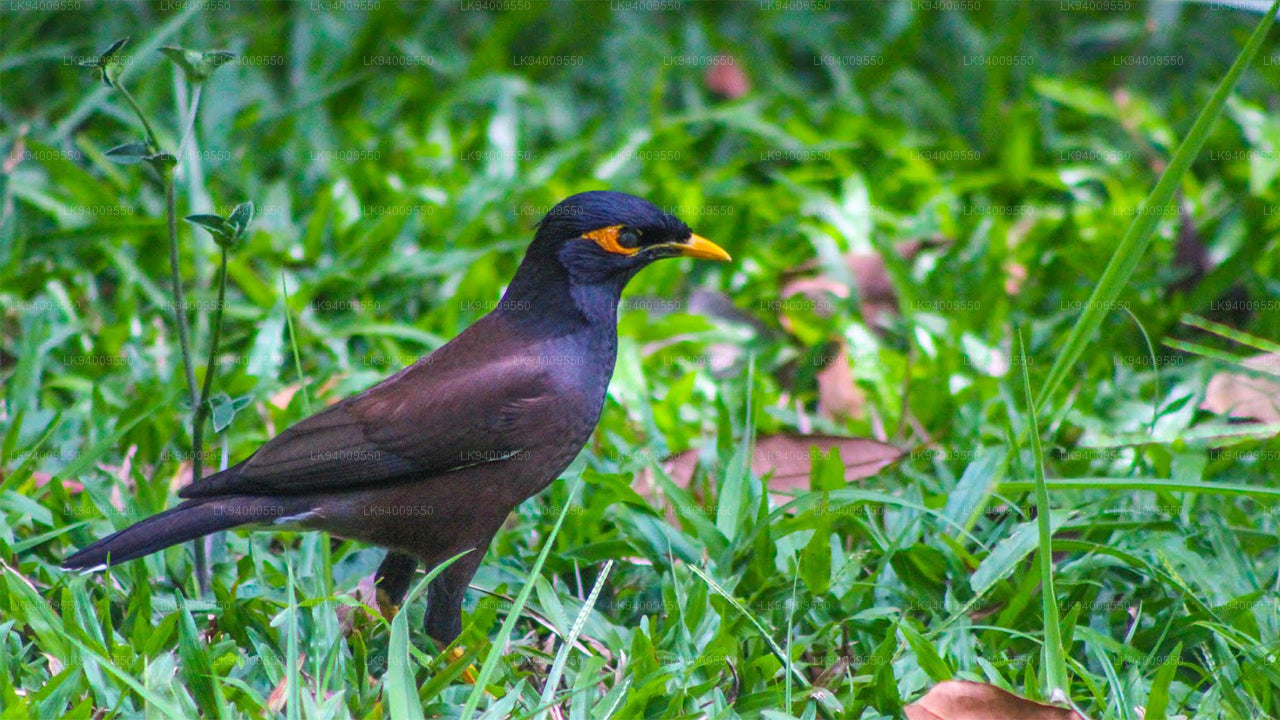 Ceylon Hill Myna
Gracula ptilogenys
-
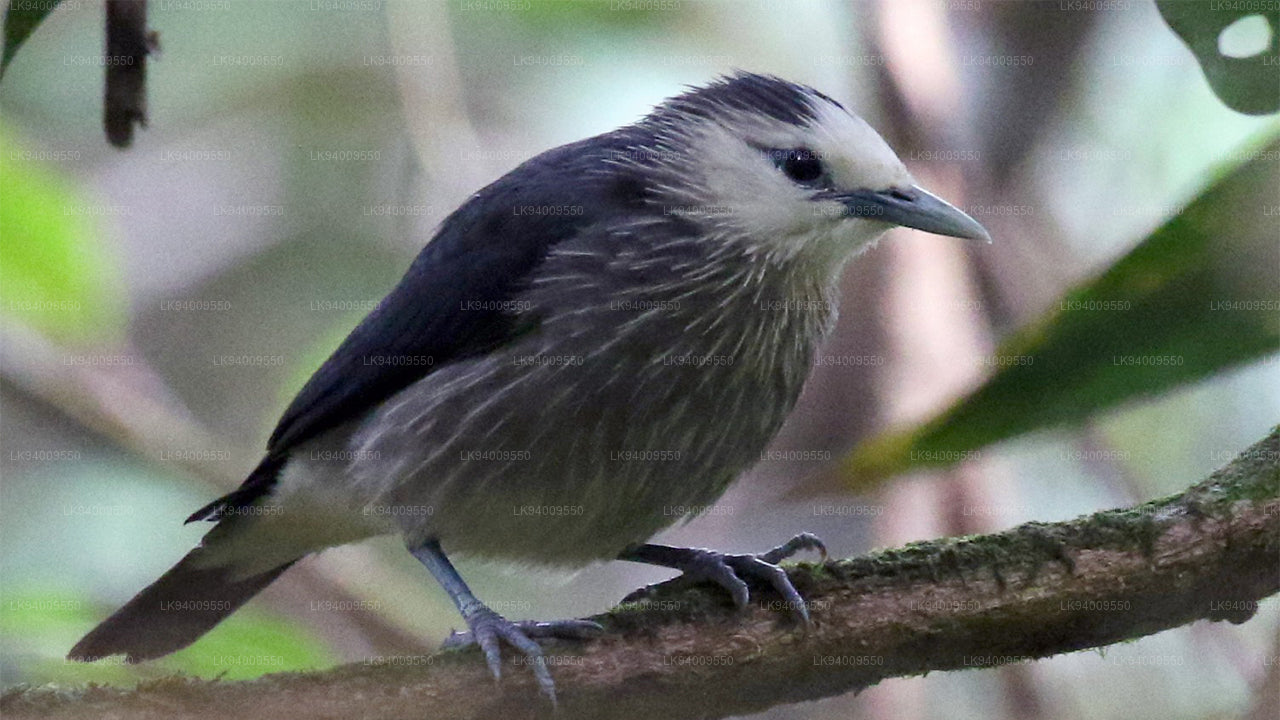 White Faced Starling
$Sturnornis albofrontatus
-
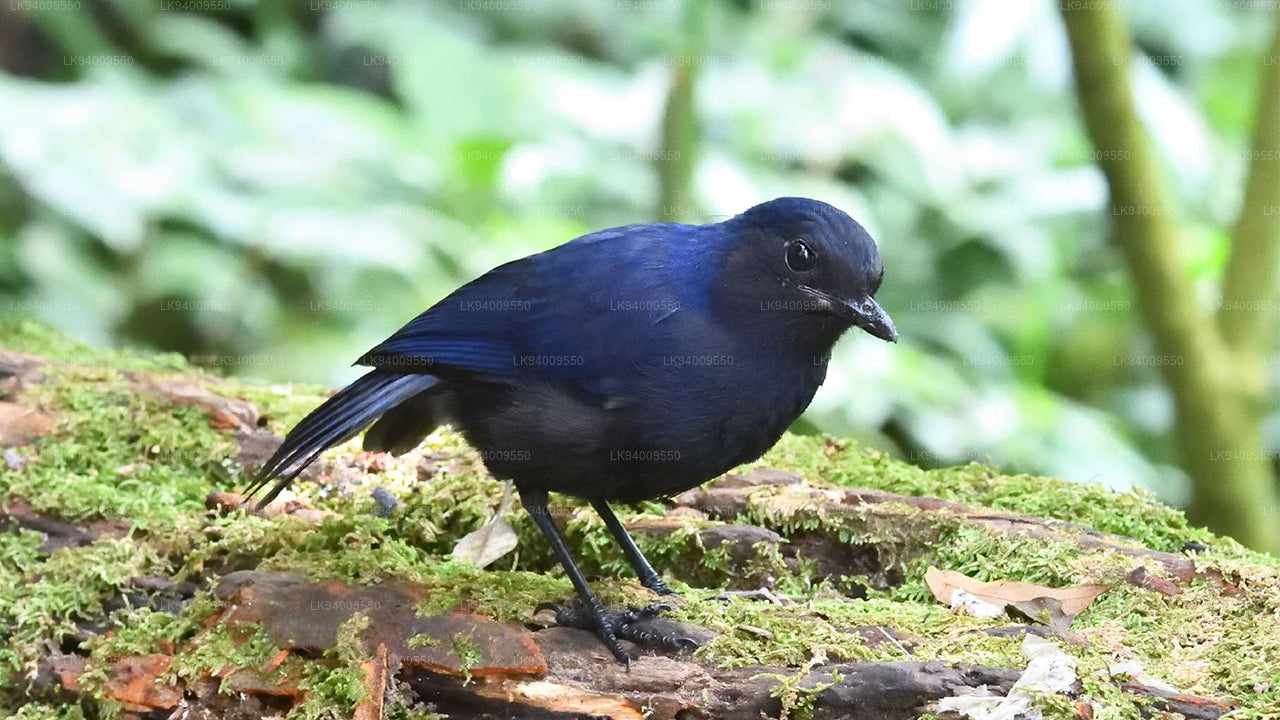 Ceylon Whistling Thrush
Myophonus blighi
-
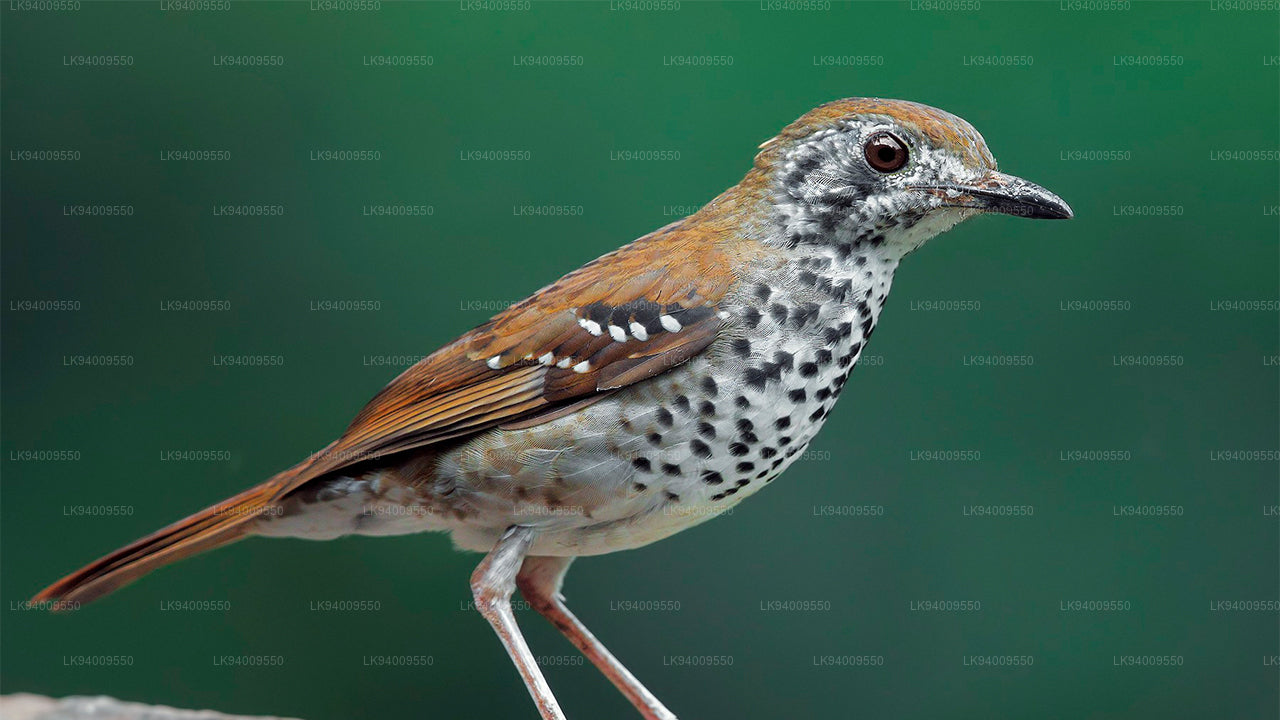 Spot Winged Ground Thrush
Geokichla spiloptera
-
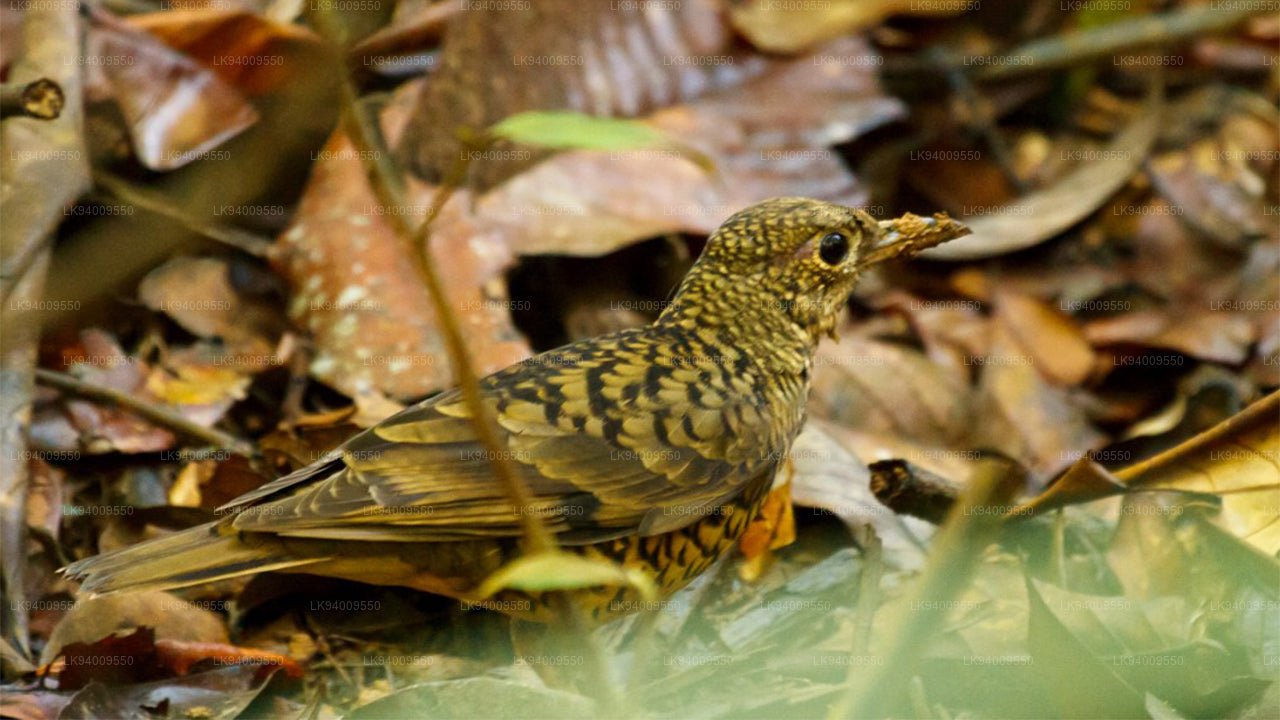 Ceylon Scaly Thrush
Zoothera imbricata
-
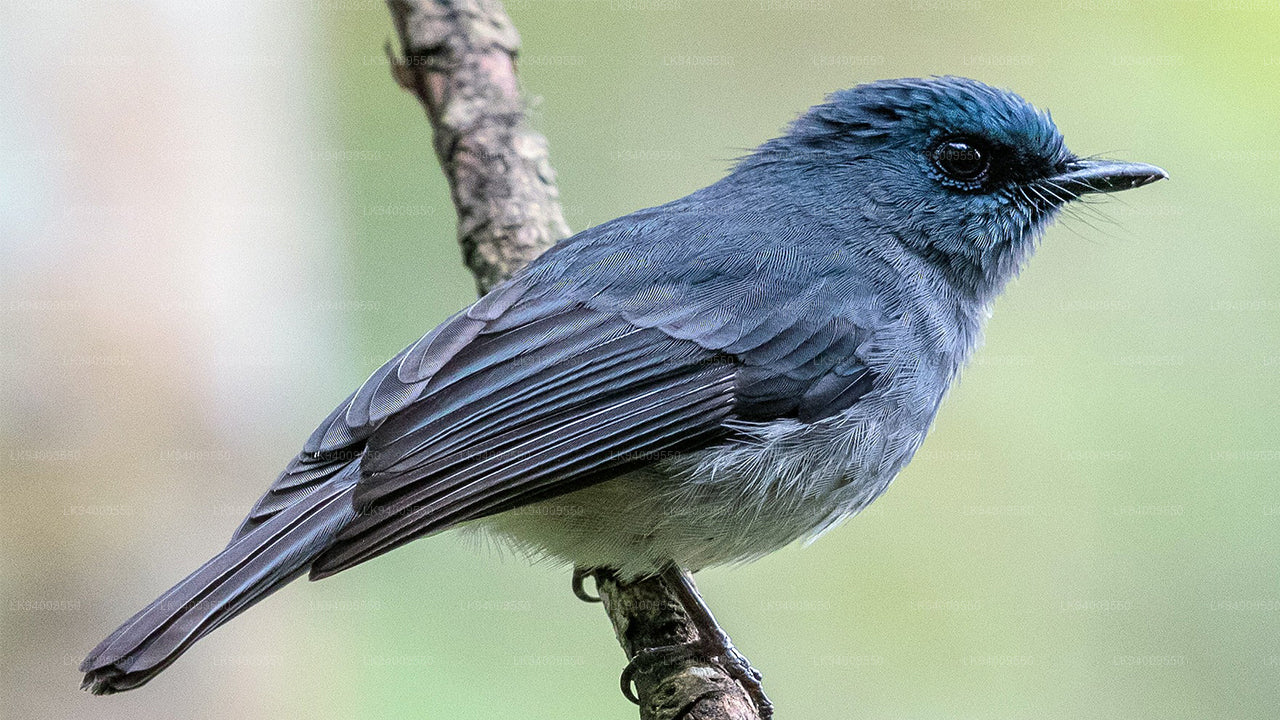 Dusky Blue Flycatcher
Eumyias sordidus
-
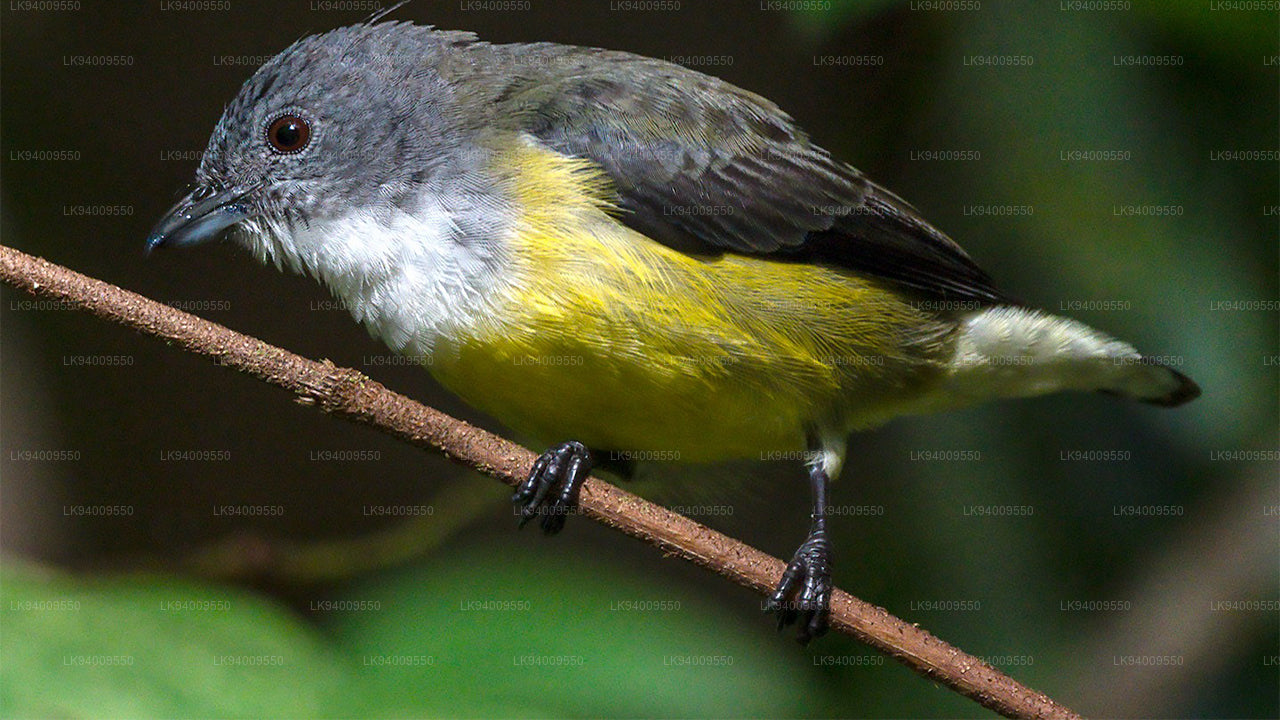 Legge's Flowerpecker
Dicaeum vincens
-
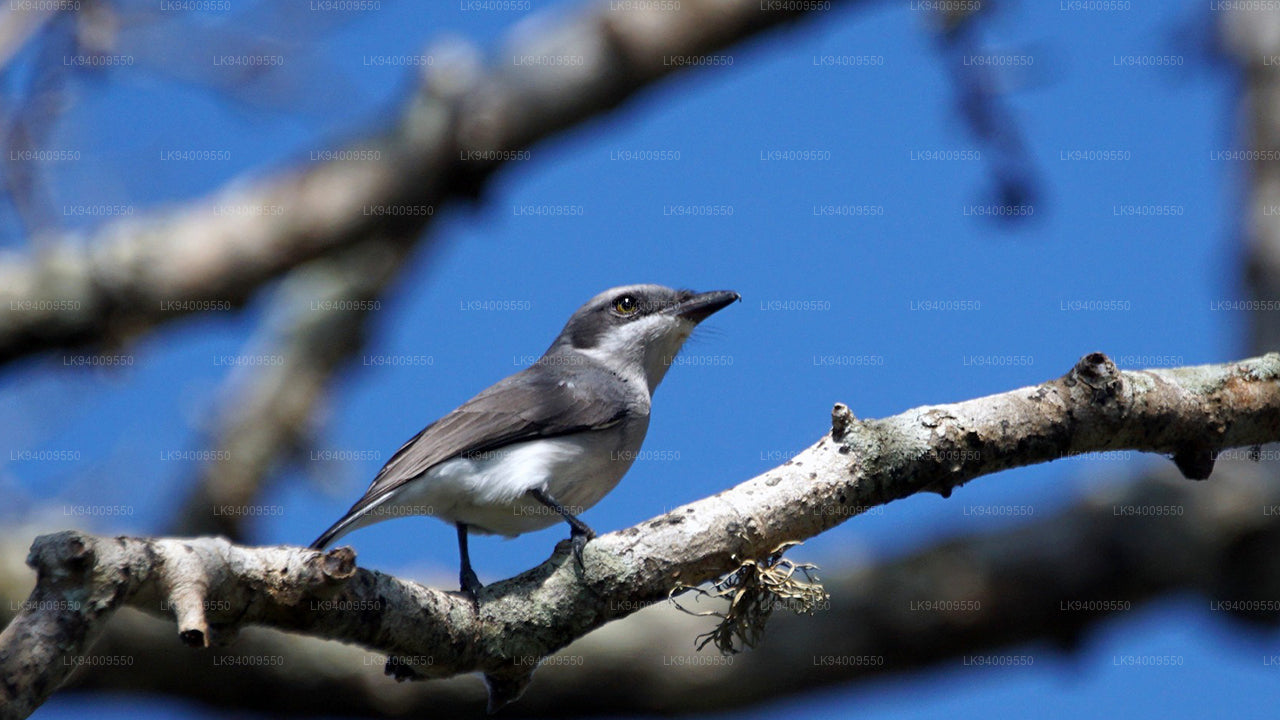 Ceylon Woodshrike
Tephrodornis affinis
-
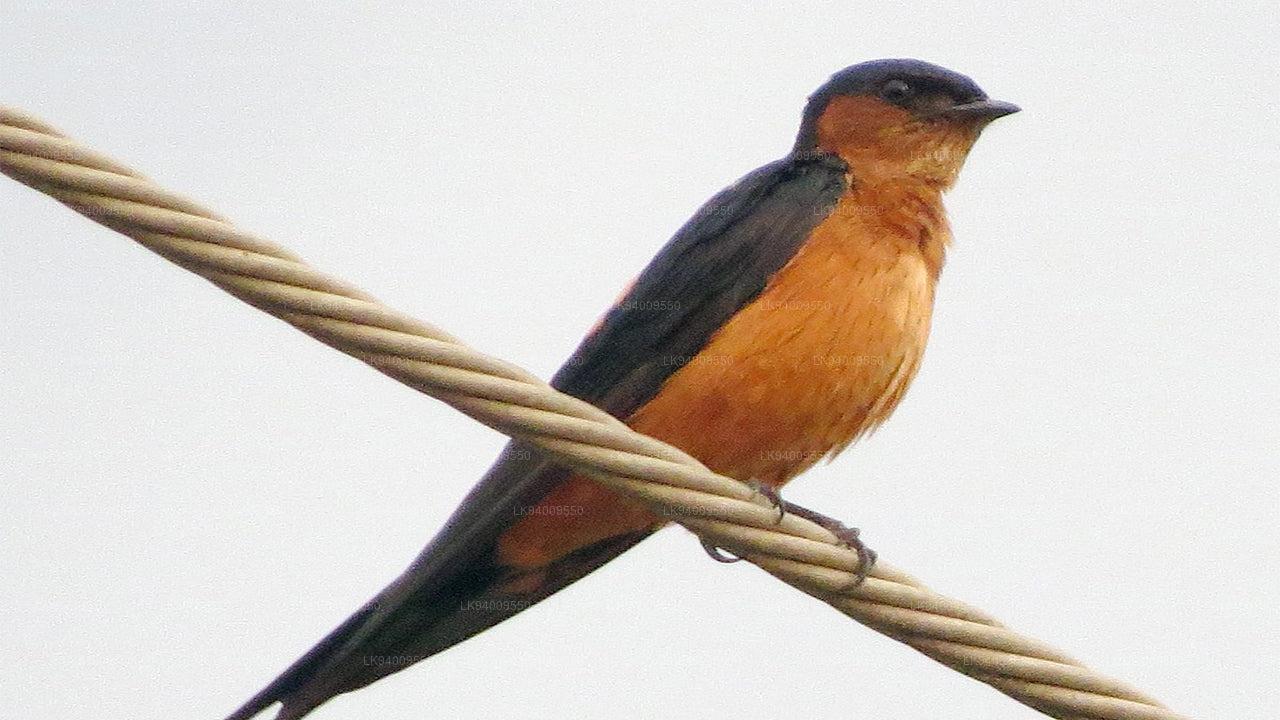 Ceylon Swallow
Cecropis hyperythra