Lakpura
Lakpura®

Thiriyaya Girihandu Seya

Perched on a rocky outcrop near the village of Thiriyaya in Trincomalee District, Girihandu Seya is one of the most historically significant religious sites in Sri Lanka. Widely regarded as the oldest Buddhist stupa on the island, it predates many of the celebrated monuments of Anuradhapura and carries a story that stretches back to the very lifetime of the Buddha.

What is the history of Girihandu Seya?

According to ancient Pali chronicles and a rock inscription discovered within the temple premises, Girihandu Seya was built by two seafaring merchants named Tapassu (Trapusa) and Bhalluka (Bahalika). These traders are recorded in early Buddhist texts as among the first lay disciples of the Buddha, said to have received hair relics directly from him following his enlightenment. They carried those relics back by sea and enshrined them in a small stupa on the northeastern coast of Sri Lanka — the structure that stands, restored and venerated, at Thiriyaya today.

The rock inscription found on site records the builders' names in a form close to the Pali originals, lending considerable archaeological weight to the tradition. A separate scholarly view holds that the temple's later architectural features show Mahayana influences, possibly introduced by merchants from the Pallava Kingdom who used this coastline as a trading port. Both traditions point to the site's deep connection with maritime trade routes that crossed the Bay of Bengal in antiquity.

Sri Lanka's Department of Archaeology has formally recognised Girihandu Seya as a protected stupa and archaeological monument, acknowledging both its religious importance and its national heritage value.

What makes Girihandu Seya religiously significant?

The stupa is believed to enshrine kesa dhatu — hair relics of the Gautama Buddha — making it among the rarest and most revered categories of relic shrines in Theravada Buddhism. Because the relics are said to have arrived before the formal introduction of Buddhism to Sri Lanka under King Devanampiya Tissa in the 3rd century BCE, the site occupies a singular position: it represents an earlier, more informal contact between the island and the emerging Buddhist world.

For devout Buddhists, a pilgrimage to Girihandu Seya carries the same devotional weight as visiting the more widely known shrines of the Cultural Triangle. Local and visiting pilgrims arrive throughout the year to offer flowers, light oil lamps, and observe sil — the practice of taking precepts for spiritual merit.

Where exactly is Thiriyaya, and how do I get there?

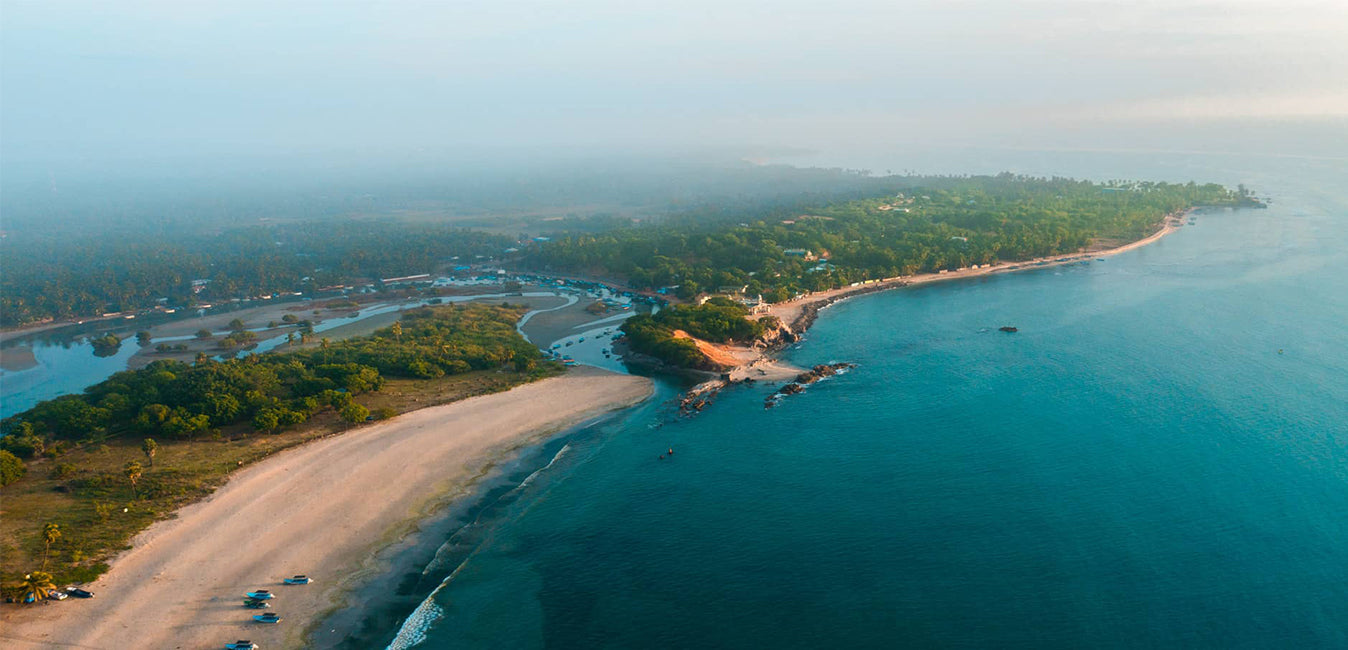
Thiriyaya (also spelled Thiriyai) is a coastal village located roughly 50 km north of Trincomalee town, on the road that continues toward Mullaitivu. The journey by road from Trincomalee takes around 1.5 to 2 hours depending on the condition of the road and the time of year. From Colombo, the drive is approximately 5 to 6 hours via Habarana or Dambulla.

There is no scheduled public bus service that runs directly to the temple entrance; most visitors hire a private vehicle or taxi from Trincomalee. The access road to the hilltop stupa involves a short climb on foot, so comfortable footwear is advisable. The site is open to visitors every day, and entry is free of charge.

What can I see and do at Thiriyaya?

The restored white-washed stupa itself is the centrepiece of the site, and its hillside position rewards visitors with open views across the surrounding scrub forest toward the coast. The vihara complex also includes a working temple with resident monks, a bodhi tree enclosure, and the rock face that bears the ancient merchant inscription — one of the earliest epigraphic records in Sri Lanka.

  • Rock inscription — An early inscription naming Tapassu and Bhalluka, examined by epigraphers as evidence of the stupa's origin.
  • The restored stupa — A white-painted dagoba of modest scale, kept in active worship; visitors are expected to remove footwear and dress modestly before approaching.
  • Panoramic hilltop setting — The elevated position provides a sense of the ancient coastal landscape that the merchant seafarers would have navigated.
  • Temple grounds — Shaded by mature trees and maintained by the resident monastic community, the grounds are peaceful even during festival days.

When is the best time to visit Girihandu Seya?

Trincomalee District receives its main rains from the northeast monsoon, which typically runs from October through January. The dry season — roughly February to September — offers the most reliable road conditions for reaching Thiriyaya, and the cooler months of December and January can also be pleasant if rain is light. Poya (full-moon) days draw the largest number of pilgrims and create a lively but sometimes crowded atmosphere; visiting on ordinary days gives a quieter, more contemplative experience.

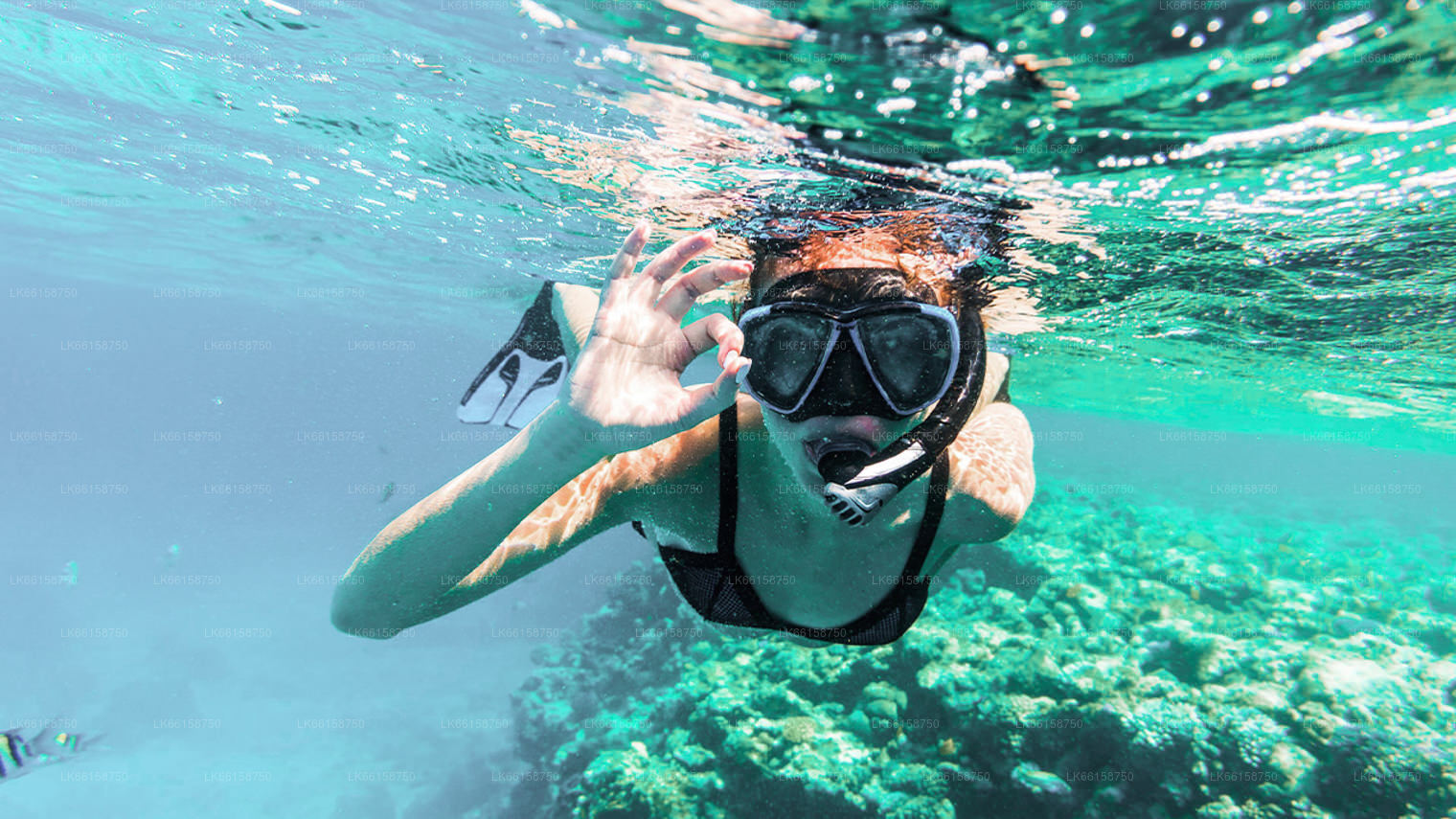
The broader Trincomalee region offers additional reasons to plan a longer stay. Pigeon Island, a protected marine park with excellent snorkelling, lies just offshore from Nilaveli beach, a short drive south of Thiriyaya.

How does Girihandu Seya fit into a wider Sri Lanka itinerary?

Most travellers combine Thiriyaya with a visit to the temples and beaches of Trincomalee itself, or fold it into a longer circuit of the North and East that includes Jaffna, Mullaitivu, and Arugam Bay. For those travelling the classic Cultural Triangle route through Sigiriya and Polonnaruwa, Thiriyaya makes a worthwhile detour for anyone with an interest in early Sri Lankan Buddhism — adding roughly half a day to the journey north.

The site is rarely crowded by international visitors, which means the experience remains unhurried and genuinely contemplative. For travellers who feel the major monuments can sometimes be overwhelming, Girihandu Seya offers a rewarding alternative: historically rich, architecturally intimate, and set in a coastal landscape that still feels remote.

Is Thiriyaya Girihandu Seya safe and accessible for all visitors?

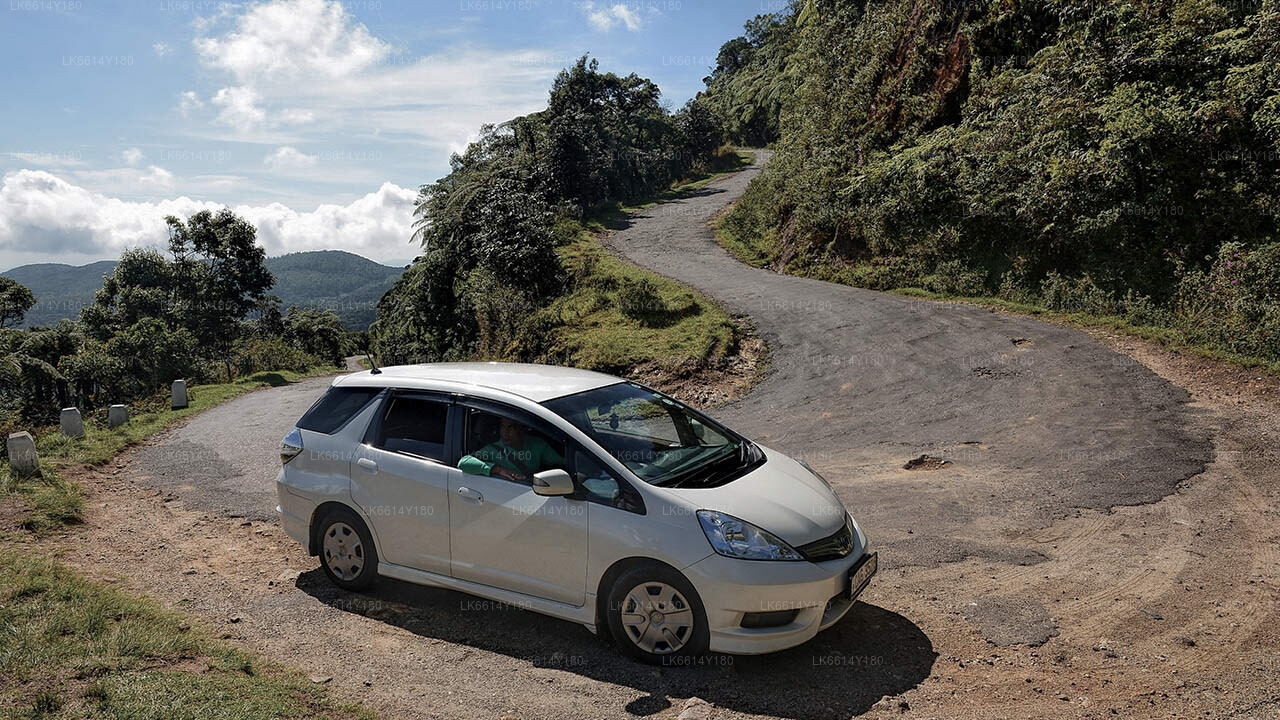
The road to Thiriyaya has improved significantly following post-war reconstruction in the Northern and Eastern provinces, but some stretches can be rough, particularly after heavy rain. A saloon car is usually adequate in dry weather; an SUV or van is more comfortable if you are travelling with luggage or elderly companions. There are no formal tourist facilities — cafes, souvenir shops, or visitor centres — at the site itself, so carry water and any snacks you may need. The climb to the stupa is modest and manageable for most visitors, though the path is uneven in places.

Book this experience with Lakpura

Curated by our local team. Direct booking, instant confirmation.

Ask Lakpura® Agent