Lakpura
Lakpura®

Katunayake City

Katunayake sits on Sri Lanka's western coastline, roughly 30 kilometres north of Colombo, straddling the boundary between the capital's urban sprawl and the quieter lagoon country of Negombo. For most international visitors it is the first place they set foot on Sri Lankan soil — Bandaranaike International Airport (CMB), the country's primary air gateway, occupies a large portion of the town. Yet Katunayake is more than a transit point: it has its own history, a functioning free-trade economy, and nature reserves that reward travellers who choose to linger rather than rush on.

What is Katunayake known for?

The town is best known as the location of Bandaranaike International Airport, which handles the vast majority of international arrivals to Sri Lanka. Beyond the airport perimeter, Katunayake is also home to the Sri Lanka Export Processing Zone — one of the country's earliest free-trade zones, established after the open-economy reforms of 1977 — which remains a significant employer in the Gampaha District. The lagoon-fringed landscape around the town also encompasses the northern edge of the Muthurajawela wetland system, a protected marsh of considerable ecological importance.

How do I get to Katunayake from Colombo?

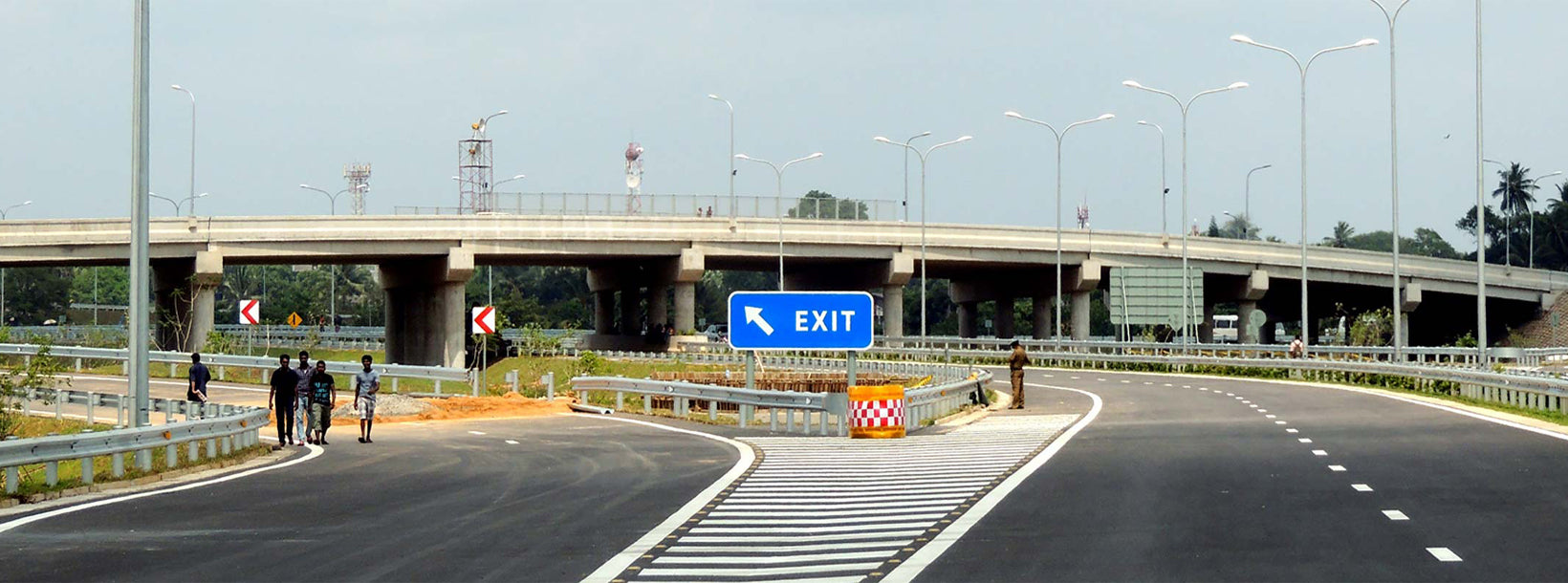
Katunayake is connected to Colombo by several routes. The Colombo–Katunayake Expressway (E03) provides the fastest road link, joining the A1 highway at Peliyagoda in roughly 25–35 minutes depending on traffic. The older A3 highway runs parallel along the coast and passes through Wattala and Ja-Ela before reaching Katunayake — slower, but useful if you want to stop along the way.

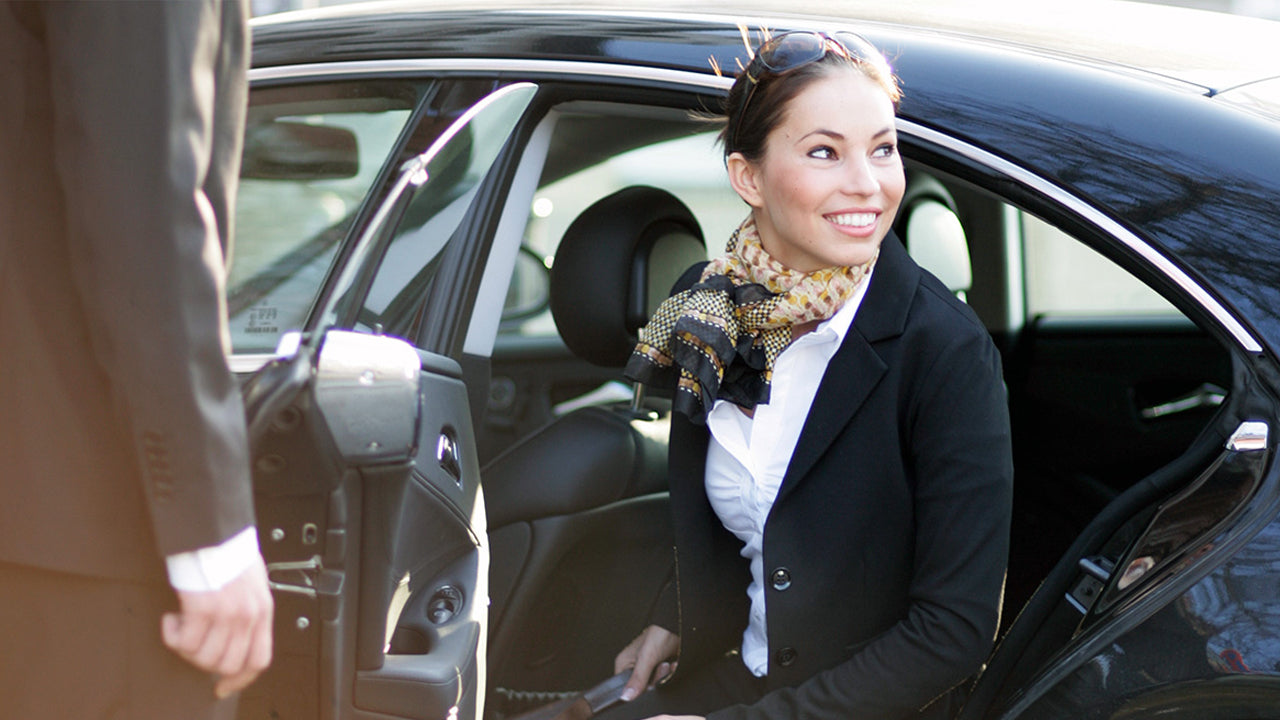
Sri Lanka Railways' Puttalam Line also serves the area, with stations at Katunayake South, Katunayake, and a dedicated Airport station. Train travel is inexpensive and gives a ground-level view of the coastal lowlands, though services to the airport station are more limited than road options. For direct door-to-door convenience, a private driver or taxi remains the most flexible choice for most visitors.

What can I see and do near Katunayake?

Travellers who allow even half a day in Katunayake before continuing their journey can find genuine points of interest nearby.

  • Muthurajawela Marsh: This protected wetland, part of a lagoon system stretching toward Negombo, is one of the largest brackish marshes in Sri Lanka. Guided boat tours navigate through mangrove channels where kingfishers, herons, purple swamphens, and occasional water monitors are reliably spotted. The marsh also supports several fish species and plays an important role in coastal flood buffering.
  • Negombo: Just a few kilometres north, Negombo is a full coastal town with a working fish market, Dutch colonial remnants including the Dutch Fort, a network of canals, and a long beach. A Negombo city tour can comfortably fill a morning or afternoon for those with a layover.
  • Iranawila: The small coastal village of Iranawila, north of Negombo, is known for its quiet beach and the historic Iranawila Rajamaha Viharaya, a Buddhist temple set among coconut groves.
  • Local markets: The town's produce and goods markets are unpretentious and busy, giving a straightforward glimpse of everyday commercial life in the Western Province lowlands.

Is Katunayake worth staying overnight?

For travellers catching an early-morning departure or arriving late at night, staying overnight in Katunayake is a practical choice that removes the stress of a predawn drive from Colombo. The town has a range of accommodation — from boutique hotels with colonial-era character to clean, straightforward transit guesthouses — all within a short drive of the terminal. Several properties offer airport shuttle services, and a number of Lakpura-partner hotels sit within a few kilometres of the arrivals hall.

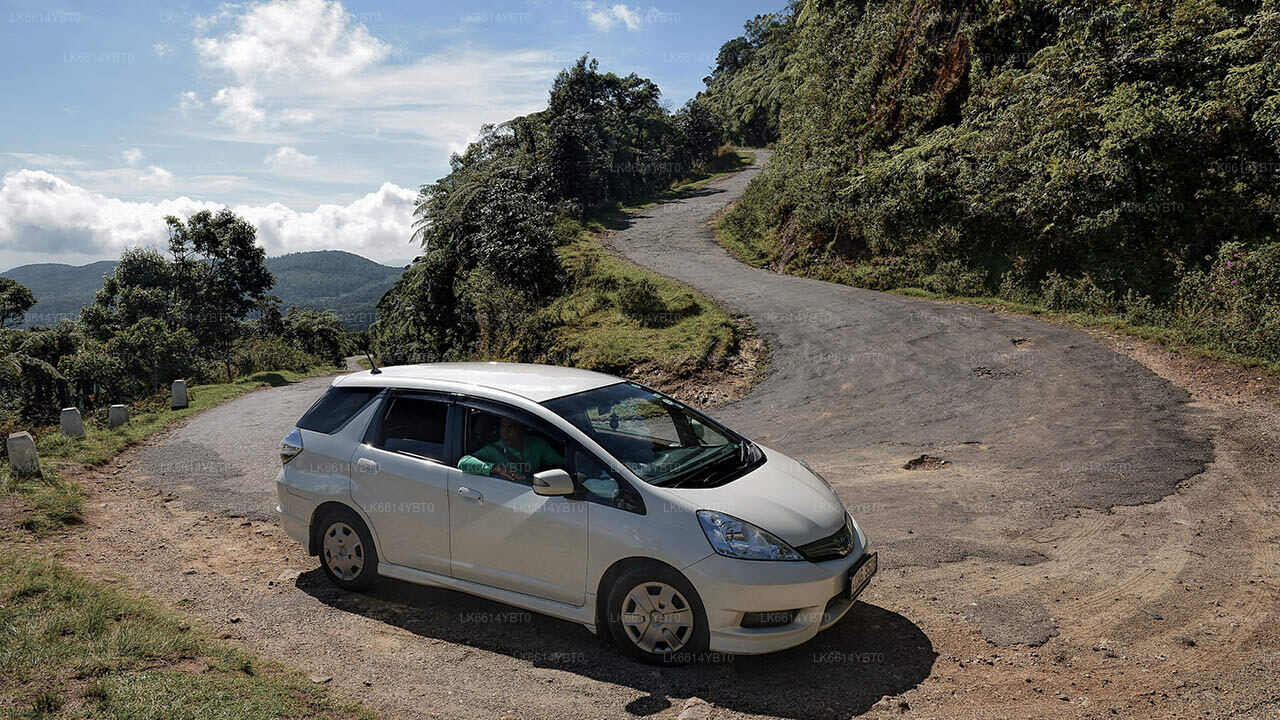
For a longer stay, Katunayake itself is not a destination in the way that Kandy or Galle is. Most travellers use it as a base from which to fan out: Colombo is around 30 minutes away by expressway, Wilpattu National Park lies roughly two hours to the north, and the hill country is accessible in a half-day's drive. The town's position on the A3 corridor makes it a logical first or last night on an island itinerary.

What is the best time to visit Katunayake?

Katunayake falls within Sri Lanka's western weather zone. The South-West Monsoon, which typically runs from May to September, brings the heaviest rainfall. The inter-monsoon months of October and November can also be wet. The driest and most settled period runs from December through to April, making it the most comfortable time for exploring the area. That said, Katunayake's role as an arrival and departure point means travellers pass through it year-round regardless of season.

What are the transport and expressway connections from Katunayake?

Katunayake sits at a genuinely useful crossroads on the Sri Lankan transport network. The E03 expressway connects directly south to Colombo. The A3 highway continues northward through Negombo toward Chilaw and the North Western Province. Sri Lanka Railways' Puttalam Line heads north toward Puttalam and offers connections inland. For travellers planning to head toward Wilpattu National Park, the northern coastal highway through Chilaw and Puttalam is the most direct overland route, and Katunayake is a natural starting point.

What is the Export Processing Zone in Katunayake?

The Katunayake Export Processing Zone (EPZ), now formally designated the Katunayake Export Promotion Zone, was established in the late 1970s following Sri Lanka's shift to an open economic model. It was among the first such zones in South Asia. Today it houses garment manufacturing, light engineering, and logistics enterprises, and remains one of the country's more productive industrial zones. While not a visitor attraction in the conventional sense, its presence shapes the character of the town — Katunayake has a working, functional quality that distinguishes it from purely tourism-oriented coastal towns.

Book this experience with Lakpura

Curated by our local team. Direct booking, instant confirmation.

Ask Lakpura® Agent