लोककथा अहंगामा

Folklore Ahangama Folklore Ahangama Folklore Ahangama

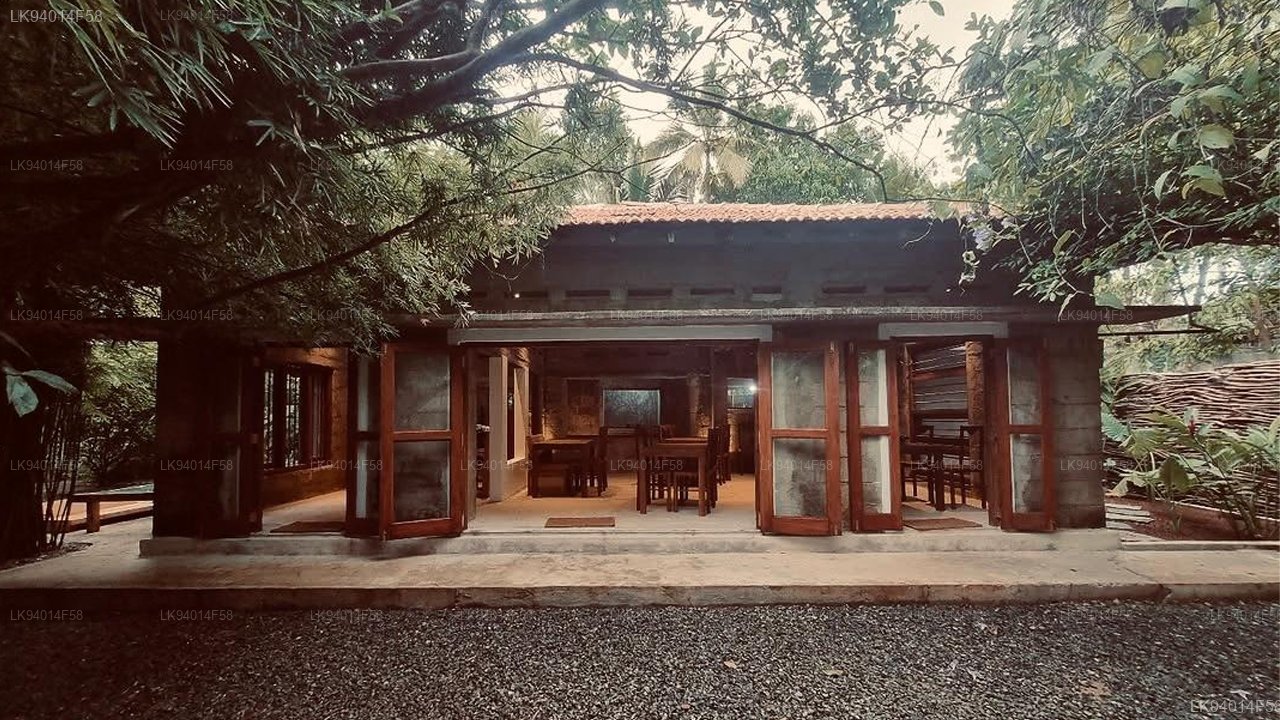
Folklore Ahangama est une expérience culturelle située dans la ville côtière de Ahangama, au Sri Lanka, connue pour ses traditions riches et son héritage vibrant. Ce centre culturel célèbre la musique folklorique, la danse et la narration d'histoires de l'île, offrant aux visiteurs un aperçu des pratiques culturelles uniques de la région.

La ville de Ahangama est célèbre pour son lien avec le folklore traditionnel sri-lankais, qui est profondément lié au mode de vie local. Les visiteurs peuvent vivre des performances folkloriques, comprenant des formes de danse locales telles que la *danse Kandyan*, ainsi que de la musique et de la narration théâtrale qui reflètent l'histoire culturelle et les croyances religieuses de Sri Lanka.

En plus des performances culturelles, Folklore Ahangama propose également des expositions d'art, des artisanats traditionnels et des ateliers offrant des expériences pratiques dans la fabrication d'objets artisanaux locaux. Ce site sert de centre pour la préservation et la promotion des traditions populaires riches du Sri Lanka, en faisant une destination populaire pour ceux qui s'intéressent à la diversité culturelle et à l'histoire de l'île.

Le meilleur moment pour visiter Folklore Ahangama est pendant la saison sèche, de décembre à avril, lorsque le temps est idéal pour des performances en plein air et des activités culturelles. Facilement accessible depuis des villes voisines comme Weligama et Galle, cette expérience offre une opportunité significative de se connecter avec l'art et le patrimoine culturel de Sri Lanka.

Folklore Ahangama Folklore Ahangama Folklore Ahangama

About Galle District

Galle is a city situated on the southwestern tip of Sri Lanka, 119 km from Colombo. Galle is the best example of a fortified city built by Europeans in south and Southeast Asia, showing the interaction between European architectural styles and south Asian traditions. The Galle fort is a world heritage site and the largest remaining fortress in Asia built by European occupiers.

Galle is the best example of a fortified city built by Europeans in south and Southeast Asia, showing the interaction between European architectural styles and south Asian traditions. The Galle fort is a world heritage site and the largest remaining fortress in Asia built by European occupiers.

Galle is a sizeable town, by Sri Lankan standards, and has a population of 91,000, the majority of whom are of Sinhalese ethnicity. There is also a large Sri Lankan Moor minority, particularly in the fort area, which descend from Arab merchants that settled in the ancient port of Galle.

About Southern Province

The Southern Province of Sri Lanka is a small geographic area consisting of the districts of Galle, Matara and Hambantota. Subsistence farming and fishing is the main source of income for the vast majority of the people of this region.

Important landmarks of the Southern Province include the wildlife sanctuaries of the Yala and Udawalawe National Parks, the holy city of Kataragama, and the ancient cities of Tissamaharama, Kirinda and Galle. (Although Galle is an ancient city, almost nothing survives from before the Portuguese invasion.) During the Portuguese period there were two famous Sinhalese poets called Andare who was from Dickwella and Gajaman Nona who was from Denipitiya in Matara District, composing poems on common man.