Lakpura
Lakpura®

Loris Watching

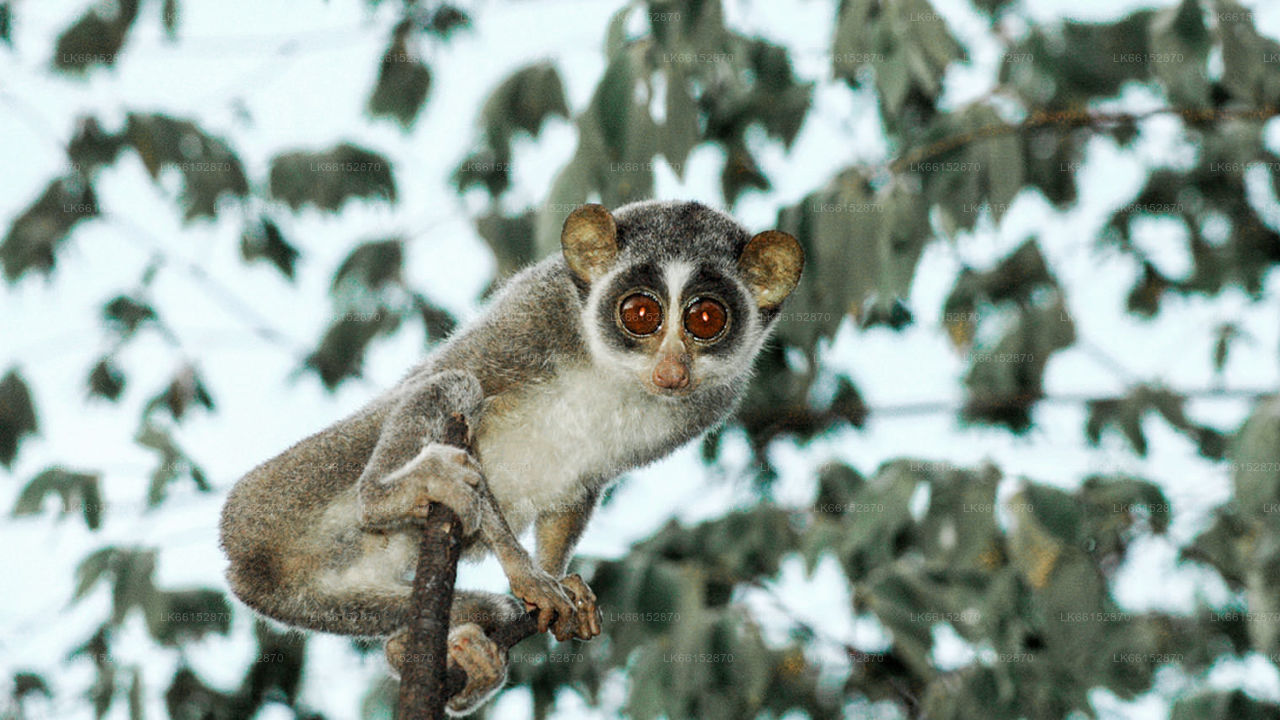
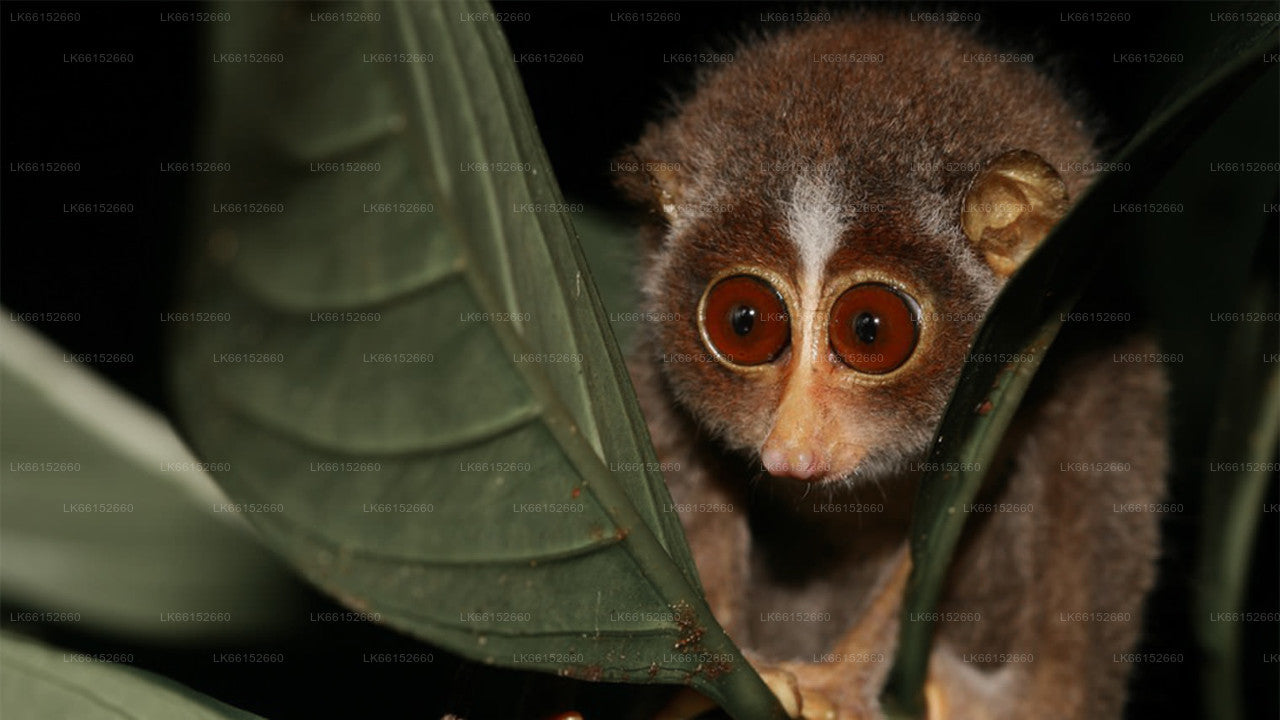
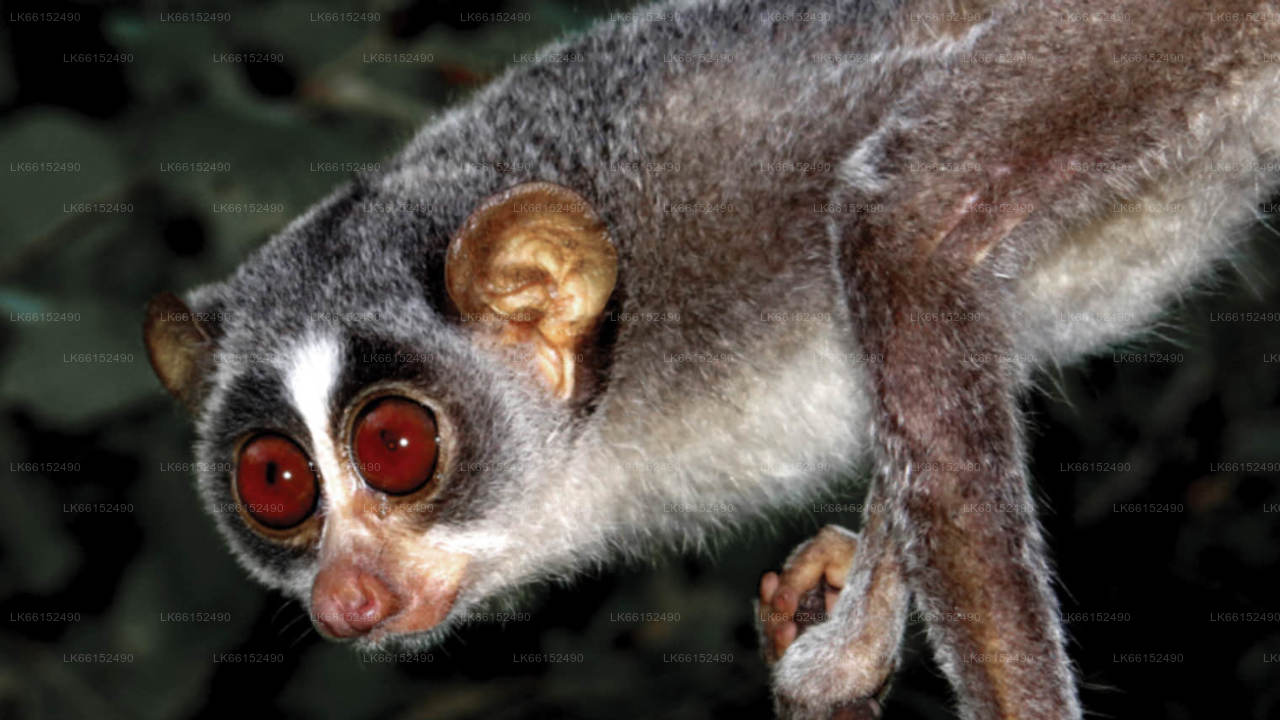
The red slender loris (Loris tardigradus) is one of Sri Lanka's most elusive nocturnal primates — a small, wide-eyed creature that moves with deliberate slowness through the forest canopy after dark. Spotting one in the wild is a genuine wildlife experience, not a guaranteed tick on a checklist, which makes a successful sighting all the more rewarding. Guided night walks focused on loris watching have become a quietly popular pursuit among wildlife enthusiasts visiting the island, and Sri Lanka offers several distinct habitats where these animals are regularly encountered.

What is a slender loris?

Sri Lanka is home to two subspecies of red slender loris, both endemic to the island. They inhabit a range of forest types — from dry-zone scrub jungle to humid lowland rainforest — and spend their nights hunting insects, small lizards, and the occasional bird egg. Their large, forward-facing eyes give them excellent night vision, and they navigate branches with a grip strong enough to hold on for hours without fatigue. During the day they rest in dense leaf clusters or tree hollows, making them almost impossible to spot without specialist knowledge.

The loris is listed as Endangered on the IUCN Red List, primarily due to habitat loss and the illegal pet trade. Responsible wildlife tourism — quiet groups, red-filtered torches, no flash photography — plays a meaningful role in building the conservation case for protecting remaining forest patches.

Where can you see lorises in Sri Lanka?

Lorises are present across a wider range of habitats than most visitors realise. The following locations each offer guided night walks and have consistent sighting records:

  • Sigiriya and Dambulla area — The dry-zone forests around Sigiriya village and Sigiriya Rock Fortress provide good habitat. Sam Popham's Arboretum on the Dambulla–Kandalama Road is a notable site: a seven-and-a-half-acre dry-zone arboretum established in 1963 by British tree enthusiast Sam Popham and later donated to the Institute of Fundamental Studies (IFS) in Kandy for conservation and research purposes. The arboretum now extends to around 35 acres of semi-evergreen monsoon dry forest, sheltering ebony, palu, weera, milla, and Ceylon ironwood alongside a strong cast of birdlife and mammals. Its guided night walk is specifically organised around loris sightings.
  • Polonnaruwa — The ancient city's surrounding forest corridors are well-established loris territory. Polonnaruwa night walks combine wildlife spotting with proximity to one of Sri Lanka's great heritage sites.
  • Sinharaja Forest Reserve — The Sinharaja rainforest in the wet zone holds a different suite of forest species and is one of the more photogenic settings for a night walk, with dense canopy and a rich understorey.
  • Kitulgala — This mid-country riverside town, known mainly for white-water rafting, also borders productive wet-zone forest where lorises are regularly encountered on guided walks.
  • Wilpattu area — The buffer forests near Wilpattu support dry-zone loris populations, and night walks here can be combined with a daytime safari in Wilpattu National Park.
  • Yala buffer zone — Forest patches adjacent to Yala's boundaries provide another option in the deep south, easily combined with a Yala safari itinerary.

What happens on a loris night walk?

Walks typically begin around 30 minutes after sunset and last between one and two hours. A specialist naturalist guide leads a small group — usually no more than six or eight people — along a defined forest trail using a red-filtered torch, which is less disruptive to nocturnal animals than white light. When a loris is located, the guide will point it out carefully; the group observes quietly from a respectful distance before moving on.

Beyond lorises, the same walks frequently turn up other nocturnal species: brown palm civets, golden palm civets, porcupines, and various owl and frogmouth species depending on the location. In the dry-zone sites, spotted deer, mouse deer, and wild boar are common sightings. The diversity of what you encounter often depends as much on the season and recent rainfall as on the specific location.

When is the best time to go loris watching?

Loris night walks operate year-round, and sightings are not strongly tied to a single season. That said, the period from roughly December through April tends to offer drier, more comfortable conditions in most loris-watching locations. The cooler months can also mean lorises are more active at canopy level rather than sheltering deeper in foliage. During the southwest monsoon (May to August), wet-zone sites such as Sinharaja and Kitulgala experience heavier rainfall, though walks still operate with appropriate gear.

How to prepare for a night walk

  • Wear long trousers and closed shoes — leech socks are advisable in wet-zone forest.
  • Use insect repellent, particularly on ankles and wrists.
  • Bring a small red-filtered torch if possible; your guide will provide one if not.
  • Avoid strong perfumes or aftershave, which can disturb wildlife.
  • Photography is possible with a camera that allows high ISO settings; flash is not permitted.
  • Keep voices low from the moment you enter the forest.

Is loris watching ethical?

When conducted responsibly, guided loris night walks contribute positively to conservation. Choosing an operator who works with trained naturalist guides, limits group sizes, uses red-filtered light, maintains distance from animals, and does not handle or bait lorises is essential. Lakpura's loris-watching experiences are designed around these principles and work with guides who know their local forest well enough to find lorises without prolonged disturbance. The income generated by wildlife tourism in forest buffer zones creates a direct economic incentive for local communities to protect remaining habitat.

If you are offered a loris encounter where animals are held or brought out of the wild to be photographed — a practice that does occur in some tourist areas — decline it. These animals are often wild-caught and suffer considerable stress from handling.

How do I combine loris watching with the rest of my Sri Lanka itinerary?

Most loris night walk locations sit within Sri Lanka's cultural and wildlife heartland, making them straightforward to integrate. The Sigiriya and Dambulla area is already a focal point for many itineraries centred on the Cultural Triangle. A Polonnaruwa day trip pairs naturally with an evening loris walk in the same zone. Kitulgala fits neatly between a Kandy visit and a descent to the southern coast. The Sinharaja and Yala options suit travellers focusing on the island's south. Lakpura's private driver service can position you at any of these locations overnight, avoiding the need to rush back to a distant hotel.

Book this experience with Lakpura

Curated by our local team. Direct booking, instant confirmation.

Ask Lakpura® Agent