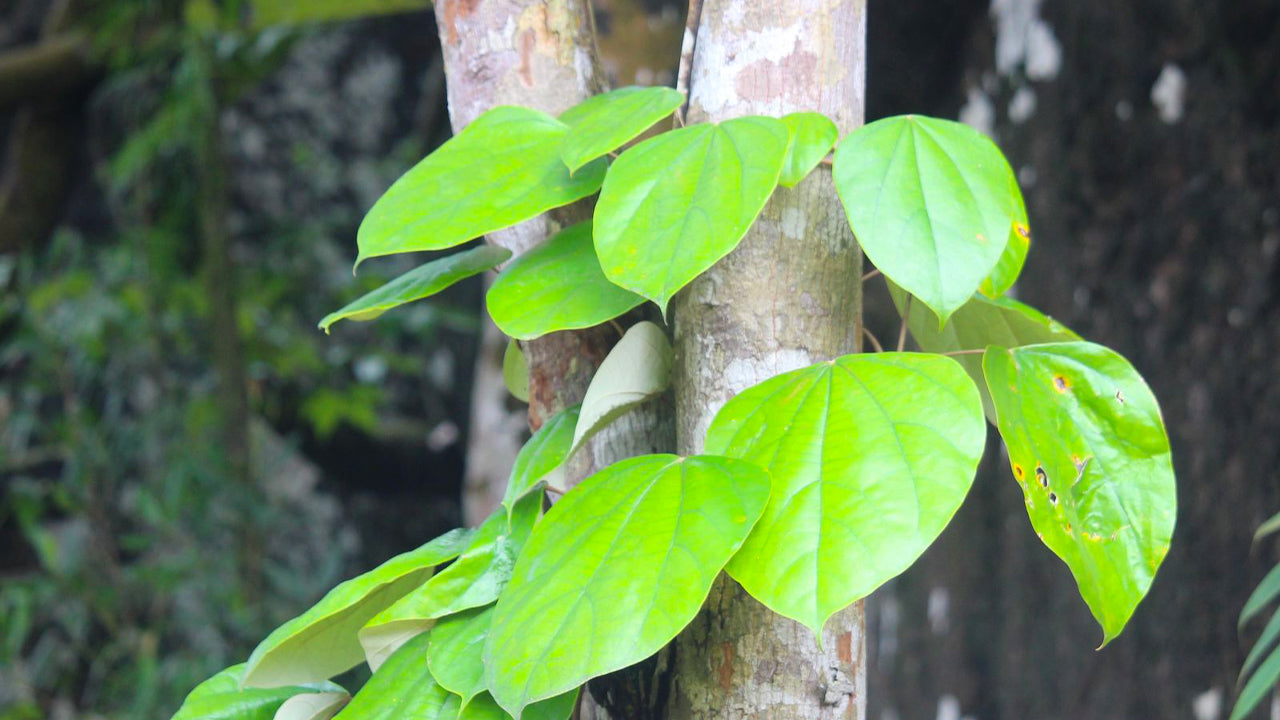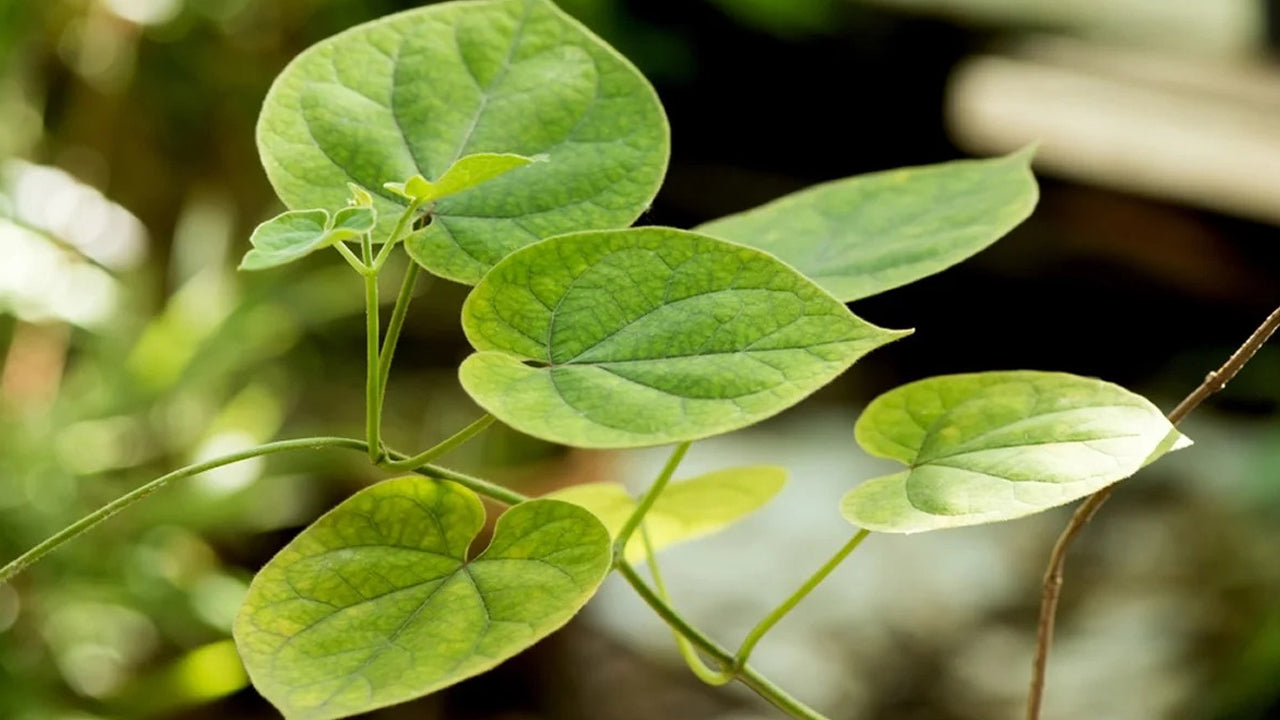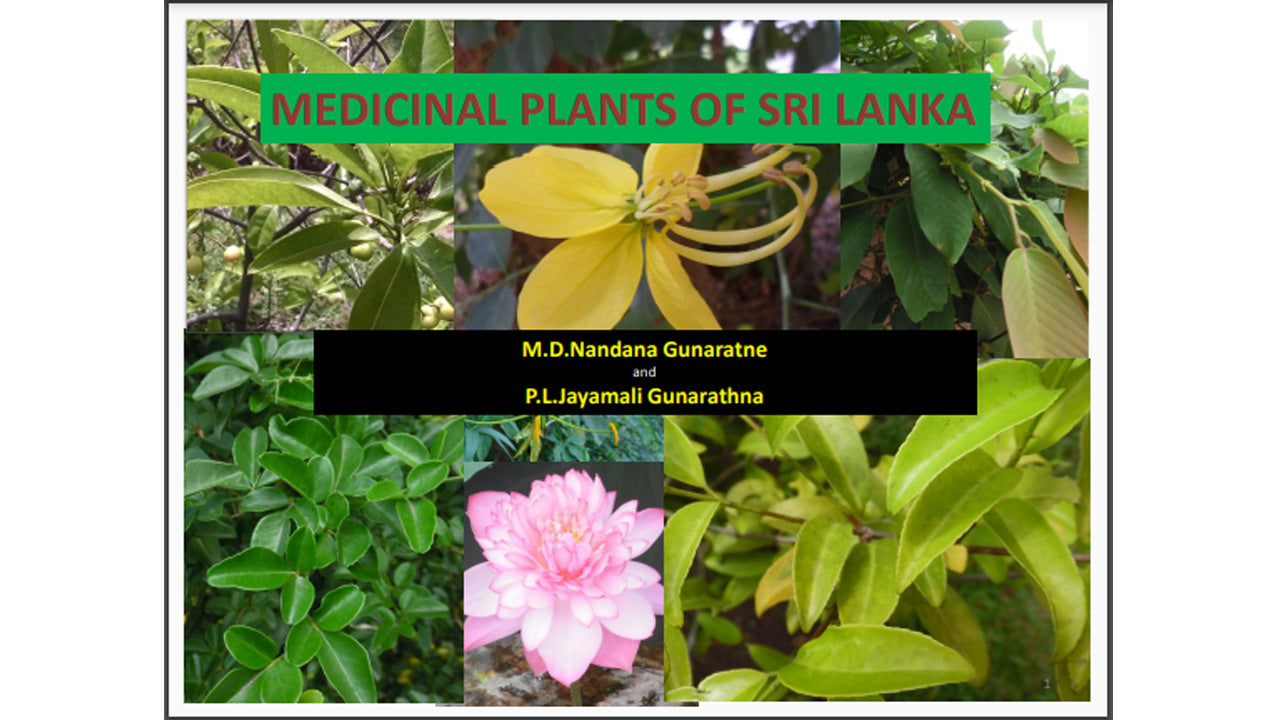



Piper betle — commonly known as the betel leaf plant — is one of the most recognisable climbing vines in Sri Lanka. Its heart-shaped, glossy leaves have been chewed, offered at temples, and used in traditional medicine for centuries. Classified as part of Sri Lanka's catalogue of Ayurvedic medicinal plants, this plant occupies a unique position where everyday culture and botanical science overlap.
What is Piper betle?
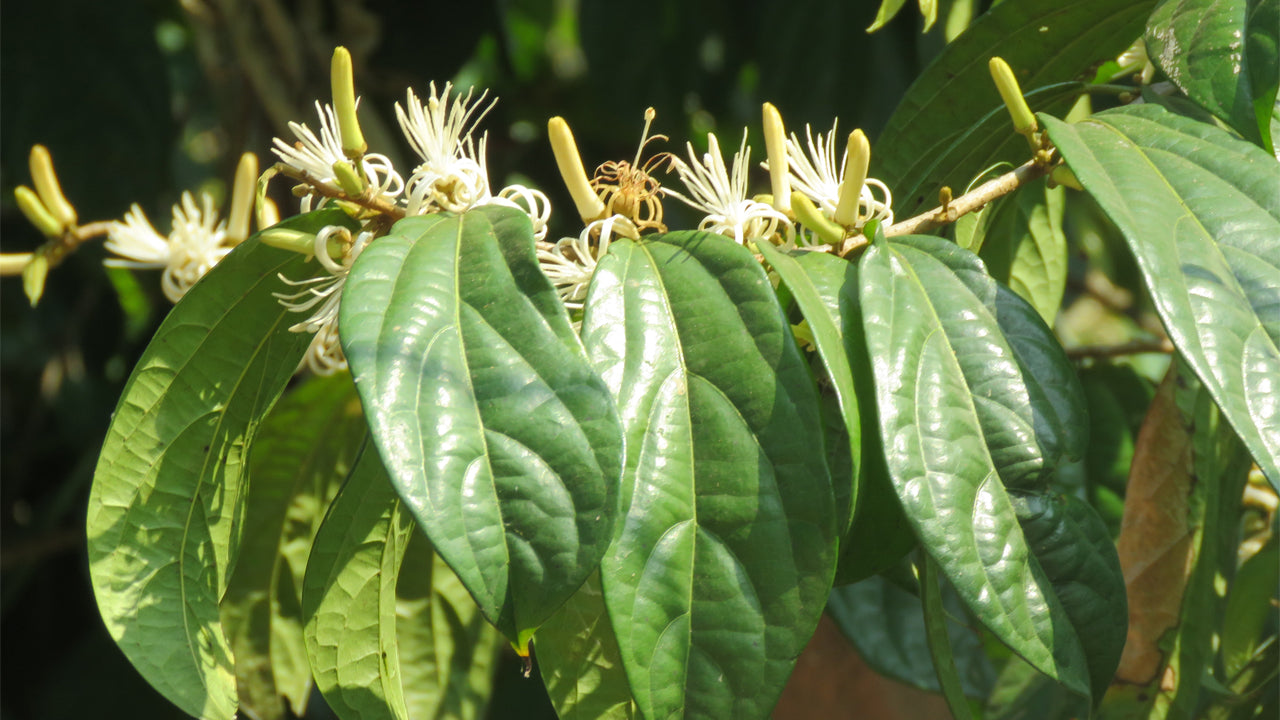
Piper betle belongs to the Piperaceae family — the same family as Ceylon black pepper (Piper nigrum). It is a perennial, dioecious vine that climbs via aerial roots and is cultivated across tropical Asia. The plant is grown for its leaves, which are harvested fresh and used whole. In Sri Lanka it is known as bulath (බුලත්) in Sinhala, and cultivation is widespread in the wet and intermediate zones of the island.
The plant thrives in humid, shaded conditions with well-drained, fertile soil and adequate support structures for climbing. Smallholder farmers typically grow betel on wooden poles or alongside other tall crops. Leaves are ready to harvest within several months of planting and can be picked continuously for years from established vines.
What are the traditional uses of betel leaf in Sri Lanka?
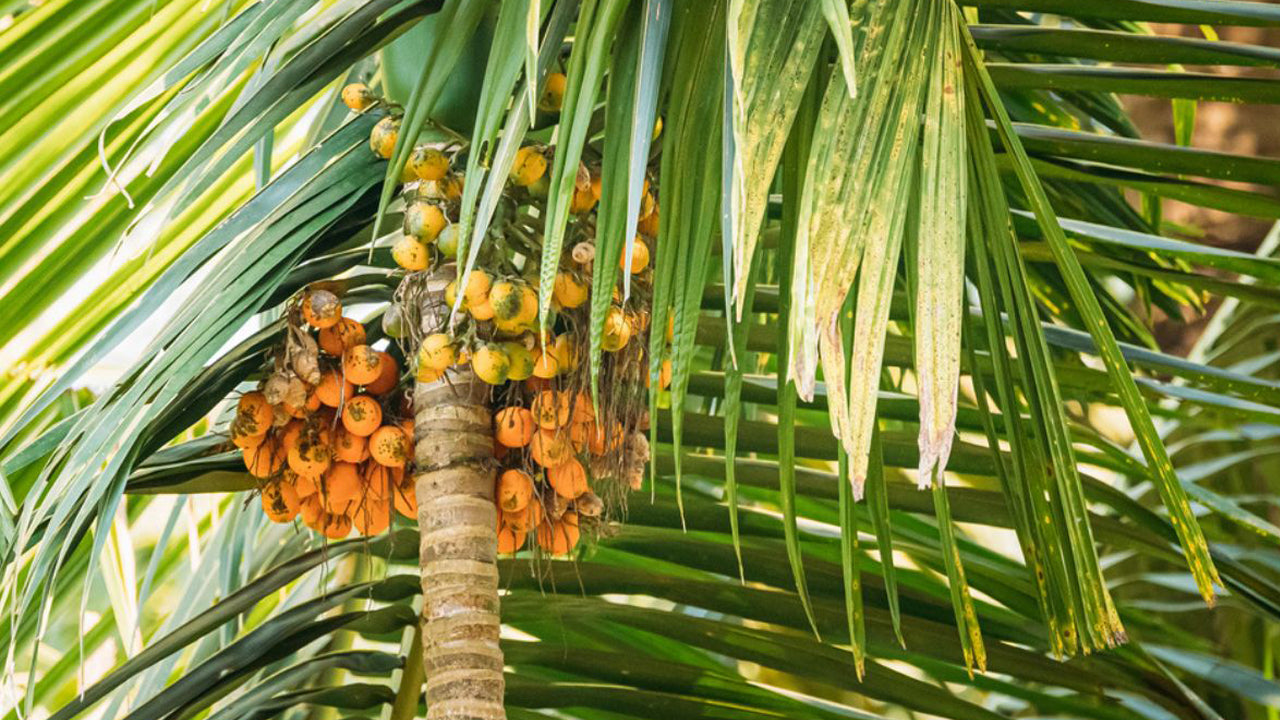
The most widely recognised use of Piper betle is in bulath vita — the betel quid — a preparation that combines a fresh betel leaf with sliced areca nut (from the areca palm), slaked lime (calcium hydroxide), and sometimes dried tobacco or cloves. This combination has been chewed across South and Southeast Asia for thousands of years as a mild stimulant and digestive aid.
In Sri Lanka, the offering of betel leaves carries deep ceremonial meaning. Guests are traditionally welcomed with a platter of betel, and the plant features in wedding rituals, religious observances, and formal greetings to dignitaries. Visiting a Buddhist temple or attending a traditional village ceremony, you are likely to encounter betel as a mark of respect and hospitality.
- Ceremonial offering: presented to monks, elders, and honoured guests.
- Wedding customs: included in auspicious trays exchanged between families.
- Daily use: chewed after meals, particularly in rural and older communities.
- Ritual use: placed at shrines and on offering tables in Hindu and Buddhist contexts.
What does Ayurveda say about Piper betle?
Within the Sri Lankan and Indian Ayurvedic traditions, Piper betle leaves are attributed a range of medicinal properties. The leaves contain essential oils — chiefly chavibetol and chavicol — that give them their distinctive peppery, aromatic quality. Practitioners have historically used betel leaf preparations for their reported antiseptic, anti-inflammatory, and carminative effects.
Common Ayurvedic applications include:
- Treating minor respiratory complaints such as coughs and congestion, often by warming the leaf and applying it to the chest.
- Addressing digestive discomfort, as the leaf is believed to stimulate digestive enzymes.
- Using leaf extracts topically for skin conditions and wound care, owing to their reported antimicrobial activity.
- Oral hygiene — betel chewing has traditionally been associated with teeth cleaning and gum health, though this is nuanced by the harms associated with areca nut use.
Modern pharmacological research has begun investigating the bioactive compounds of Piper betle, with studies exploring antioxidant and antimicrobial activity. However, it is important to note that chronic betel quid chewing — particularly when areca nut and tobacco are included — is associated with significant oral health risks and is classified as a carcinogen by the World Health Organization. The medicinal interest in Piper betle today focuses largely on isolated leaf preparations rather than the traditional chewed quid.
How is betel leaf cultivation connected to Sri Lanka's agricultural landscape?
Betel cultivation in Sri Lanka is largely a smallholder enterprise, woven into the agricultural fabric of the wet zone lowlands and river valleys. The plant is commonly grown in home gardens alongside coconut (Cocos nucifera), banana, and spice crops, making use of available shade and humidity.
Local markets — particularly in towns across the Western, Sabaragamuwa, and Southern provinces — have dedicated sections for fresh betel leaves. Leaves are graded by size and colour, bundled, and sold daily. The trade supports a network of small farmers, traders, and market vendors for whom betel remains a reliable cash crop despite shifting consumer habits among younger generations.
Where does Piper betle fit in Sri Lanka's broader botanical heritage?
Sri Lanka's pharmacopoeia of traditional plants is extensive. Piper betle sits alongside other widely used medicinal species such as Syzygium aromaticum (clove) and Acacia chundra, forming part of a living tradition of plant-based healing that predates written records on the island.
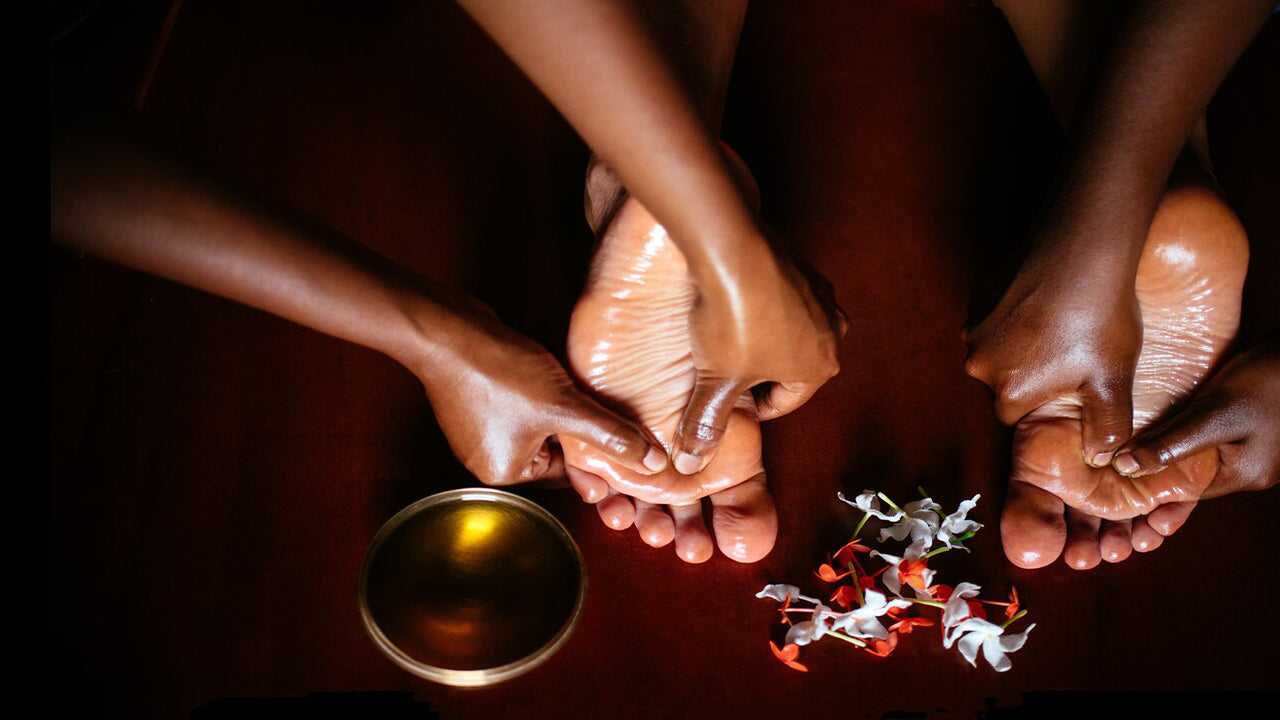
The Sinharaja Forest Reserve and the island's wet-zone forests represent the biodiversity context in which many of these plants evolved and continue to grow wild or semi-cultivated. Travellers interested in Sri Lanka's botanical and Ayurvedic heritage will find that traditional knowledge about plants like Piper betle is still actively practised in village communities, wellness retreats, and Ayurvedic treatment centres across the island.
Is betel leaf used in Sri Lankan cuisine?
Piper betle leaves appear in Sri Lankan cooking, though less prominently than in the chewing tradition. In some regional recipes the leaf is used as a wrapping for small morsels of spiced filling — a preparation conceptually similar to the Thai miang kham. The leaf's mild bitterness and peppery aroma complement strongly spiced ingredients. It also appears occasionally as a flavouring agent in rice-based dishes in certain communities, though this is far less common than its ceremonial or medicinal uses.
How do I see betel cultivation during a visit to Sri Lanka?
Village tours and rural home-garden visits are among the best ways to observe Piper betle growing in its natural agricultural setting. Many eco-tourism and cultural experiences in the wet zone include stops at spice gardens and working farms where guides explain both the cultivation and the traditional uses of betel and related plants. Lakpura can incorporate betel garden visits into broader rural or Ayurvedic-focused itineraries on request.