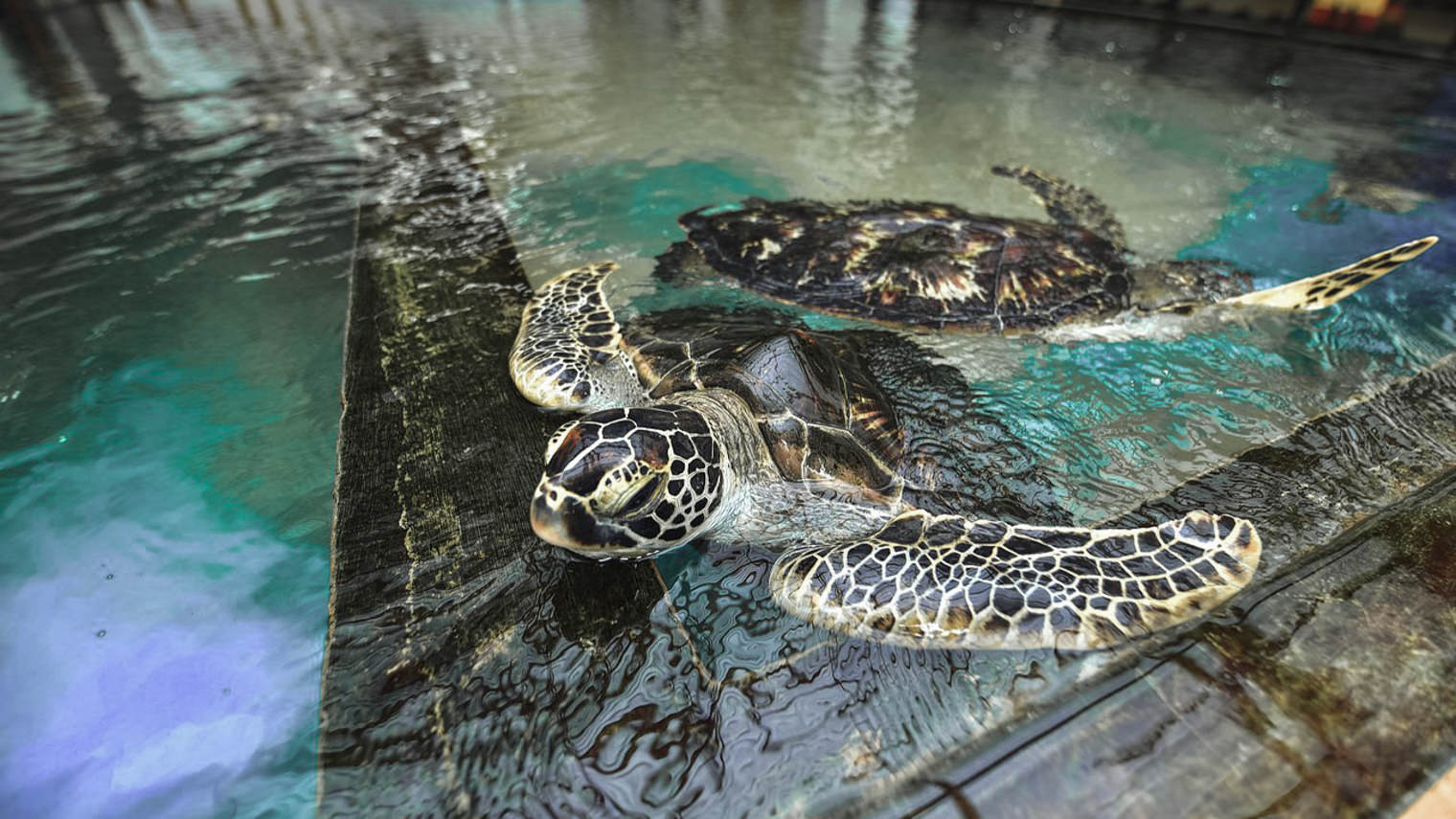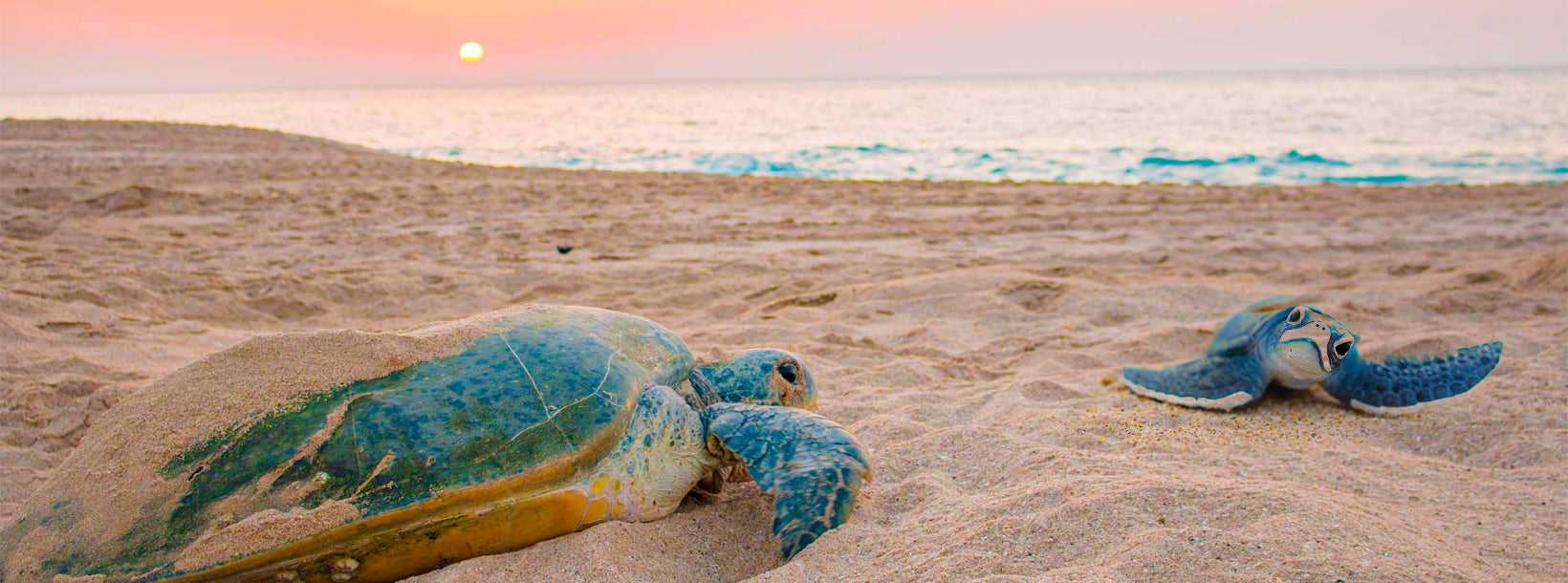
Kosgoda Turtle Hatchery


Turtles are reptiles of the order Chelonii. Therefore they are also called chelonians by researchers and conservationists. Chelonians are charaterized by the special bony shell or carapace, which is developed from their ribs and acts as a shield. They are an old group with the very first proto-turtles having evolved over 220 milliom years ago in the Triassic Era. The order of Chelonii, also known as the Testudines, have three members in the group; turtles, tortoises and terrapins.
Turtles: In North America the word indicates all chelonians, including tortoises and terrapins. However in the UK the turtle indicates sea dwelling species of Chelonians. The word generally refers to chelonians with flippers that spend the major portion of their lives in water.
Tortoises: The word refers to land dwelling, non-swimming chelonians. They have legs and feet, as opposed to the flippers of the other members of the group.
Terrapin: Terrapin is a word referring to several species of small, edible, hard shelled turtles that spend their lives in brackish water.
The Threat to Sea Turtles and the Causes
Of the 327 known species of chelonians alive as of today, many are endangered. There are seven species of sea turtles alive today. Of them six species are on the threatened or endangered list due to human actions or lifestyles. Some of the biggest threats that turtles face are:
- Entanglement in fishing gear: Incidental capture in fishing nets and lines is the greatest threat faced by sea turtles and much other sea life today. About 40% of the animals caught are discarded as trash. A longline containing thousands of baited hooks may be tens of miles long, catching innumerable unintended victims.
- Poaching and illegal trade of eggs, meat, and shells: Despite laws protecting sea turtles on many countries, illegal poaching continues to be a huge problem. The meat and eggs are used for consumption while the skin and shell are used to make various objects such as jewellery, sunglasses, etc.
- Coastal development: Many coastal areas which are sea turtles use for nesting are being developed. This has resulted in a loss of habitat or pollution of the nesting beaches.
- Plastic and other marine debris: Hundreds of thousands of marine life die each year from injestion or entanglement of marine debris or plastic.
- Global Warming
Sea Turtles of Sri Lanka
The waters around Sri Lanka are teeming with sea life. Though the threats to sea life exist here too, we take extensive measures to reduce the threats. Five out of the seven types of sea turtles call nest on our beaches. All of them are on the endangered list. The species in that inhabit the seas around Sri Lanka are:
- Leatherbacks: Largest and oldest of all sea turtles. They have been around for over 150 million years. The average adult weighs between 600-800 pounds and has length measures between 5 to 6 feet. They are one of the largest reptiles alive today.
- Green Turtles: They are the second largest sea turtles and can measure upto 4 feet in length and weigh upto 500 pounds. They are herbivores.
- Loggerheads: One of the larger turtle species. They weigh between 200-400 pounds and may have a length upto 4 feet. They are named for their large heads and strong crushing jaws adapted to eat hardshelled prey such as crabs, conchs, etc.
- Hawksbills: They measure between 2-3 feet and weigh around 100-200 pounds. They are on the smaller end of the sea turtle size spectrum.They make their homes in tropical waters. Their names come from their narrow heads and sharp birdlike beaks. They use the beaks to catch prey in cracks and crevices coral reefs and rocks. Hawksbills are considered to be the most beautiful of all sea turtles.
- Olive Ridley Turtles: They are the second smallest after Kemp Ridley turtles. They beasure between 2-2.5 feet and weigh between 75 to 100 p