Lakpura
Lakpura®

Kataragama

Kataragama occupies a unique place in Sri Lanka's spiritual geography. Tucked into the southeastern dry zone near the border of one of the island's great wilderness areas, this small town draws Buddhists, Hindus, Muslims, and members of the indigenous Vedda community together around a common sense of devotion. Few places in the world sustain that kind of multi-faith convergence so naturally, and for travellers willing to look beyond the ordinary tourist circuit, Kataragama offers an experience that is quietly transformative.

What makes Kataragama sacred to so many faiths?

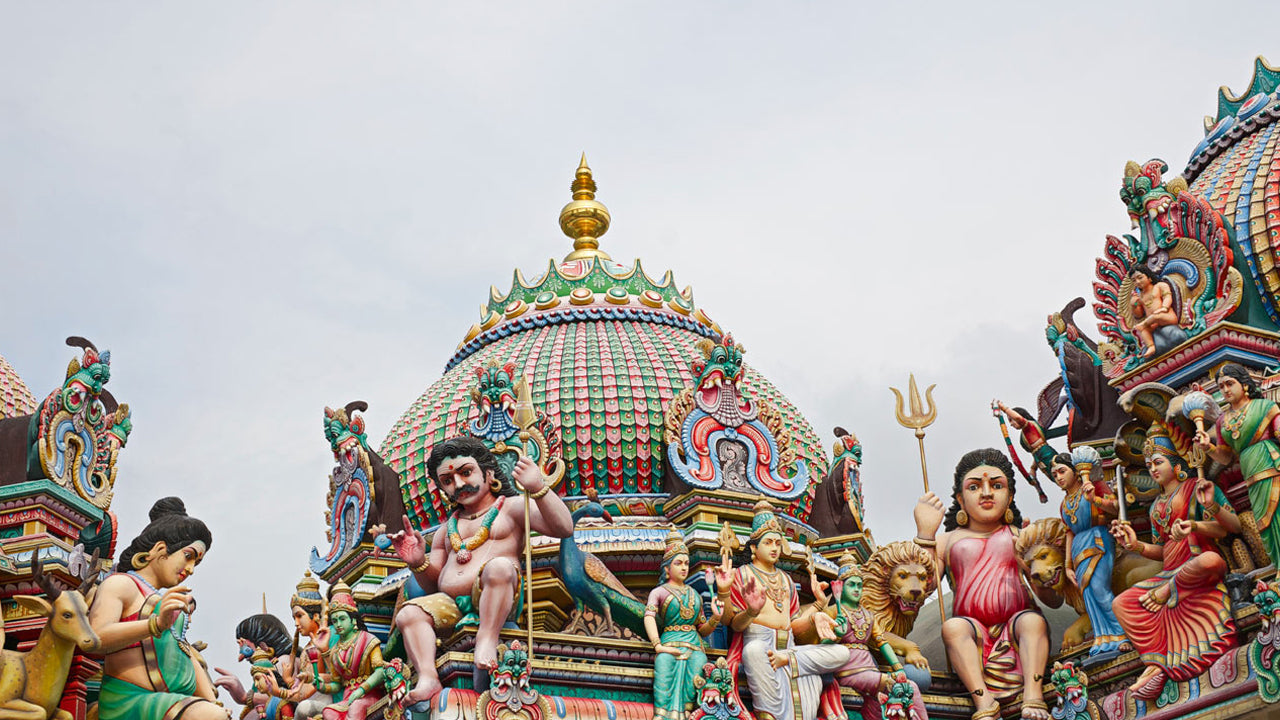
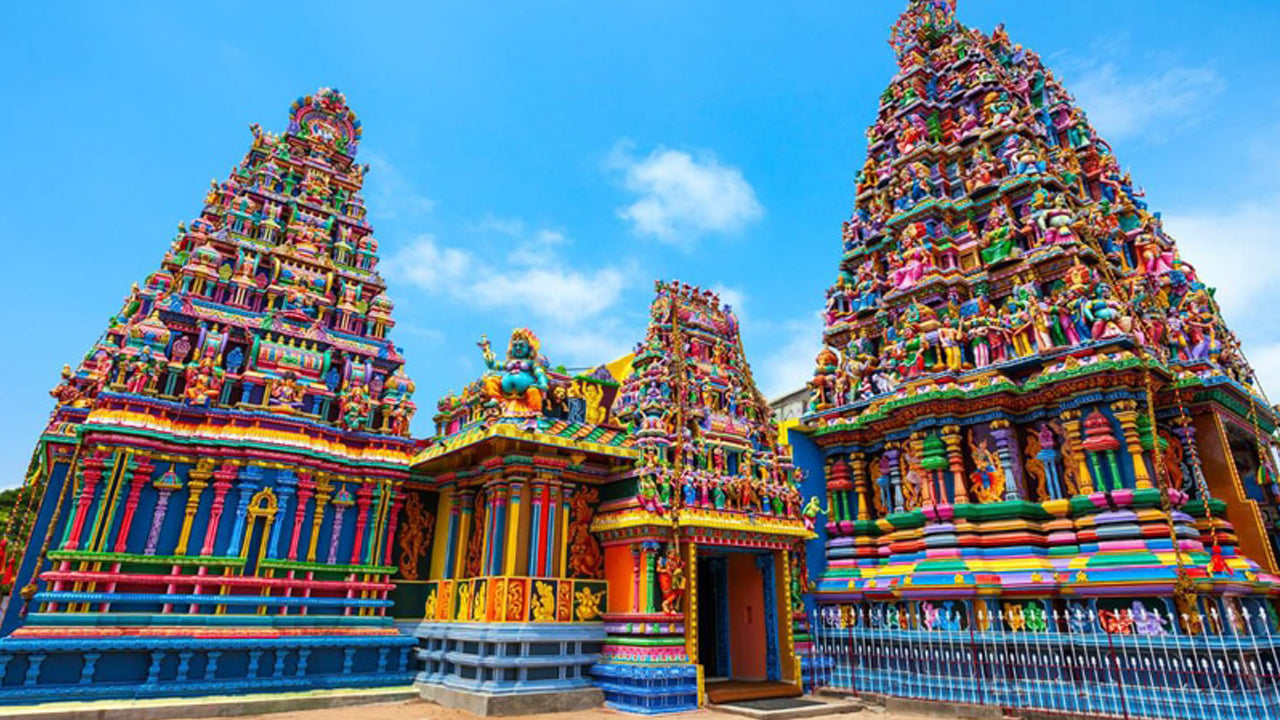
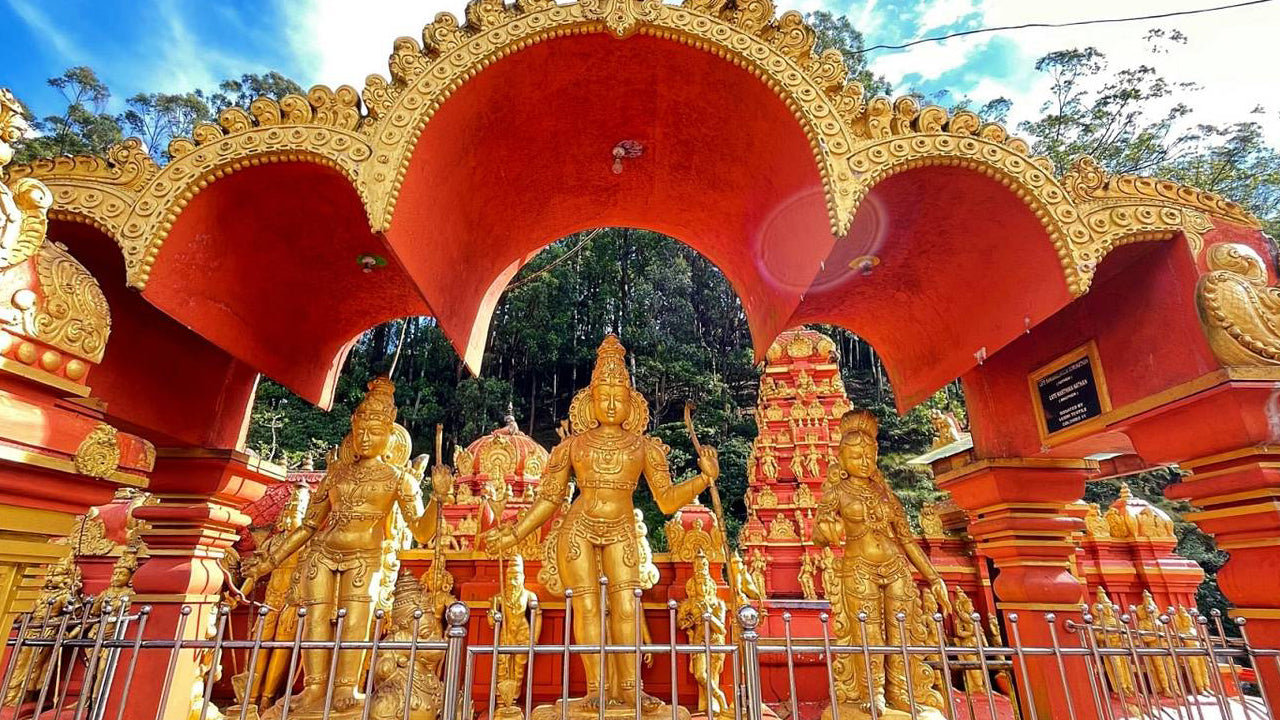
The town's spiritual weight rests primarily on the Kataragama Devalaya, a modest temple complex dedicated to God Kataragama — known to Tamil Hindus as Skanda or Murugan, the divine warrior son of Shiva. For Sinhala Buddhists, the deity is regarded as a powerful guardian of the island, and chronicles record that King Dutugemunu sought his blessings before his campaign to reunify Sri Lanka in the second century BCE. The mosque within the sacred precinct honours Khidr, an Islamic figure associated with water and guidance, while the Kiri Vehera stupa — one of the oldest in the south — stands as a focal point for Buddhist veneration.

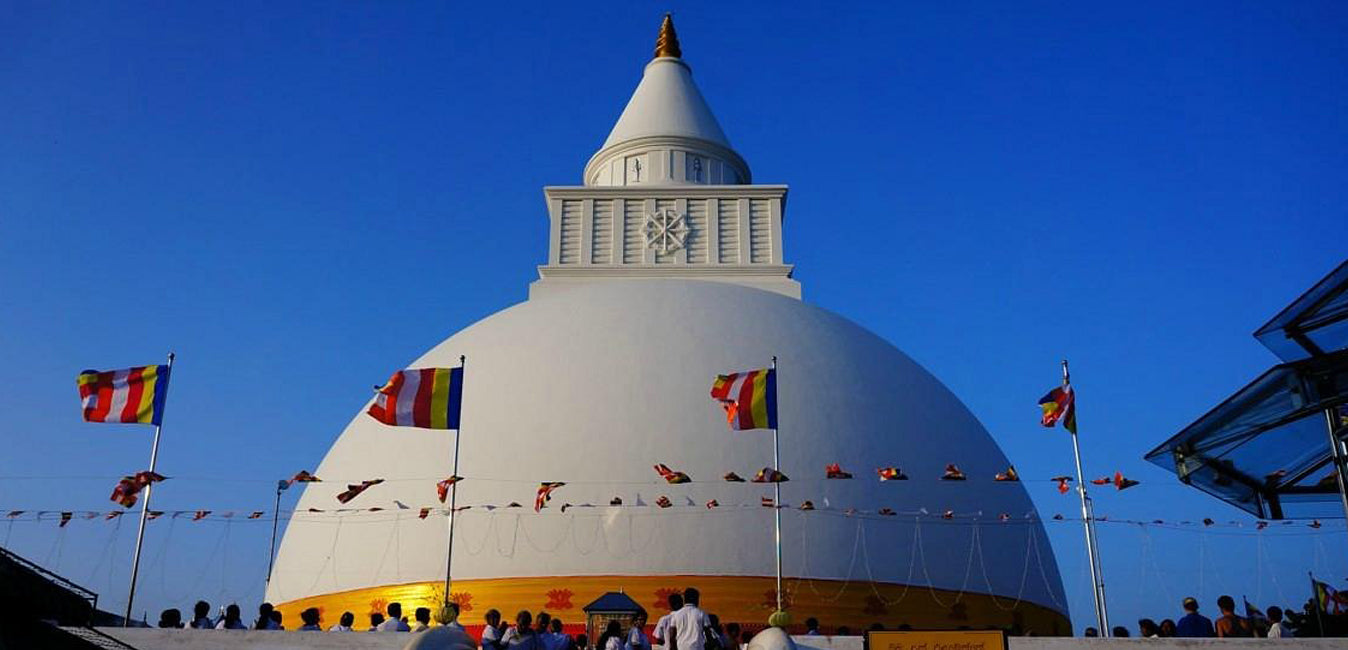
What distinguishes the Kiri Vehera Stupa and the surrounding complex from more formal pilgrimage centres is precisely its informality. There is no single commanding edifice. Instead, a cluster of shrines, a sacred fire, and the ever-present sound of drumming create an atmosphere that feels lived-in and urgent rather than ceremonial.

What is the Kataragama Esala Festival?

The Esala Festival, held annually between July and August, is the event that brings Kataragama fully to life. Over several weeks, the town's population swells dramatically as pilgrims arrive from every corner of the island — and from Tamil communities in South India and the diaspora. Nightly perahera processions feature elaborately caparisoned elephants, torch-bearers, drummers, and dancers moving through the sacred precinct in the heat of the night.

What sets Kataragama's festival apart from other Sri Lankan peraheras — including the celebrated Esala Perahera Festival in Kandy — is the intensity of personal devotion on display. Devotees fulfil vows through acts of penance: walking over glowing coals, carrying kavadi frames adorned with hooks pierced through the skin, and rolling along the ground for the length of the procession route. These are not performances for tourists; they are deeply private contracts between an individual and the deity.

The festival closes with the Diya Kepeema, or water-cutting ceremony, held at the Menik Ganga. A sword is drawn through the river's surface, symbolising the purification of the land and the community. After weeks of noise and fervour, this ritual carries a palpable sense of release.

What can visitors see and do at Kataragama?

Outside festival season, Kataragama is a quieter but no less atmospheric destination. The daily puja rituals at the Devalaya take place three times a day — at dawn, midday, and evening — and are open to respectful visitors of all faiths. The evening puja, accompanied by drumming and the smoke of camphor lamps, is the most evocative.

  • Menik Ganga: The river running beside the temple complex is used for ritual bathing before worship. A walk along its banks in the early morning, when monkeys move through the trees and pilgrims wade in quietly, is one of the more memorable experiences Kataragama offers.
  • Kiri Vehera: The white dagoba a short walk from the Devalaya is believed to date from the third century BCE. It is one of the few stupas in Sri Lanka where Buddhists, Hindus, and Muslims offer prayers at the same site.
  • Kataragama Museum: A small museum within the precinct documents the history of the sacred site and the diversity of traditions that converge here.
  • Yala proximity: The town sits on the northwestern boundary of Yala National Park, and many visitors combine a pilgrimage to Kataragama with a wildlife safari. Leopards, elephants, and crocodiles are among the species encountered in Yala's dry-zone scrubland.
  • Elephant Transit Home: The Elephant Transit Home at Udawalawe, roughly two hours northwest of Kataragama, is a worthwhile addition to a southeastern circuit, particularly for families.

How do I get to Kataragama from Colombo?

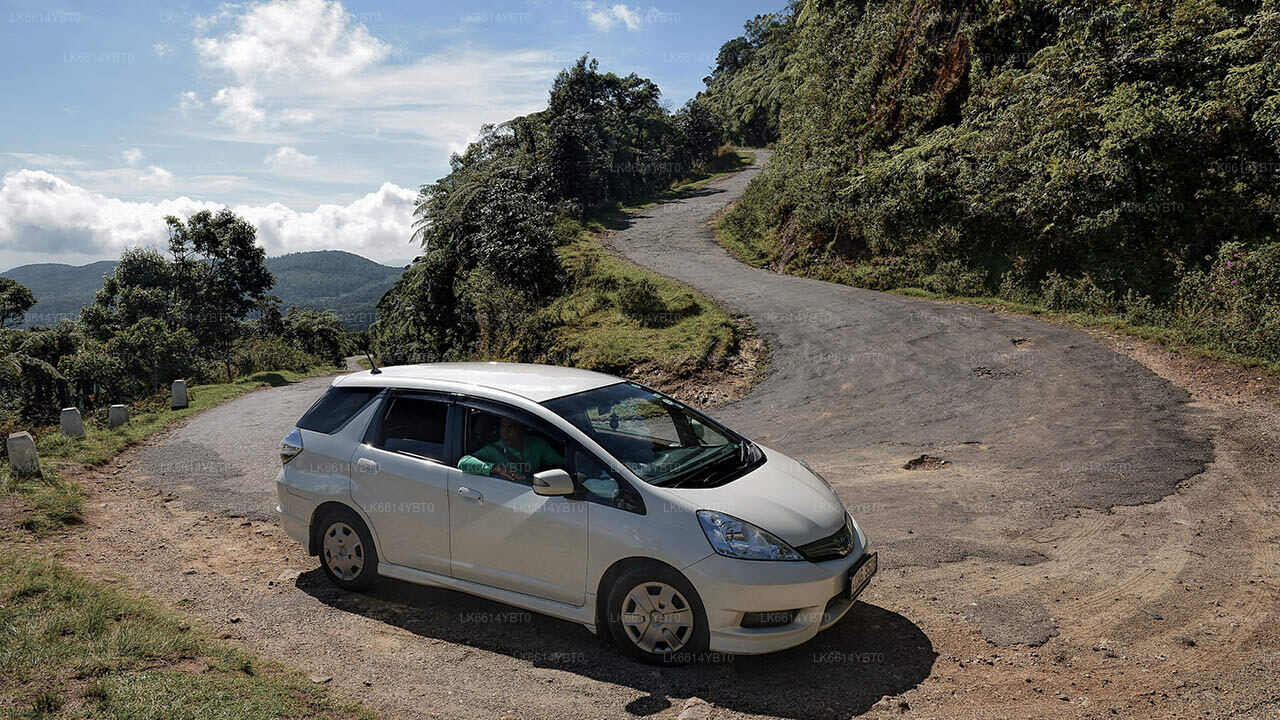
Kataragama lies roughly 250 kilometres southeast of Colombo. The most comfortable option is a private vehicle, which allows stops at Udawalawe or Ella along the way and typically takes around five to six hours depending on traffic. Intercity buses run from Colombo's Bastian Mawatha terminal, with journey times of around six to seven hours. A train to Matara or Hambantota followed by a connecting bus is a scenic if slower alternative. There is no direct rail connection to Kataragama itself.

When is the best time to visit Kataragama?

Kataragama is accessible year-round, but the experience varies considerably by season. The Esala Festival period (typically July to August) offers the most intense atmosphere, though accommodation fills quickly and roads into town become congested. Booking ahead is essential if you plan to visit during this period.

The dry season between May and September brings hot, clear days that suit exploration of both the temple precinct and the surrounding national parks. The inter-monsoon period from October to November can bring heavy showers to the southeast, though the rains are rarely sustained enough to disrupt a pilgrimage. Between January and April the weather is generally settled and the pilgrim crowds are thinner, making it a good time for travellers who prefer a more contemplative visit.

What should visitors know before arriving?

Dress modestly within the temple precinct — shoulders and knees should be covered, and shoes must be removed before entering shrine areas. Photography inside active shrines is discouraged and in some areas prohibited; observe what those around you are doing and follow their lead. The precinct is technically open around the clock, as pilgrims arrive at all hours, but the main shrines observe formal puja timings.

Hawkers and flower-sellers operate throughout the complex. Purchasing offerings from within the precinct is customary and supports local livelihoods. Coconut flowers, camphor, and incense are the most common offerings.

Those travelling independently should note that Kataragama town has a limited but growing range of accommodation, from simple guesthouses near the precinct to nature lodges on the edges of the dry-zone forest. Booking in advance is advisable at any time of year, and essential during the Esala season.

How does Kataragama fit into a wider Sri Lanka itinerary?

Kataragama works naturally as the southern anchor of a southeastern circuit. A logical route from Colombo might take in Udawalawe National Park for elephant watching, then Ella for hill-country scenery, before descending to Kataragama and continuing west along the coast toward Galle. Alternatively, combining Kataragama with Yala National Park and then heading north to Arugam Bay suits travellers focused on wildlife and beaches. The town is compact enough to absorb in one or two nights, but its atmosphere rewards those who stay long enough to attend at least one evening puja.

Book this experience with Lakpura

Curated by our local team. Direct booking, instant confirmation.

Ask Lakpura® Agent