Kandy City
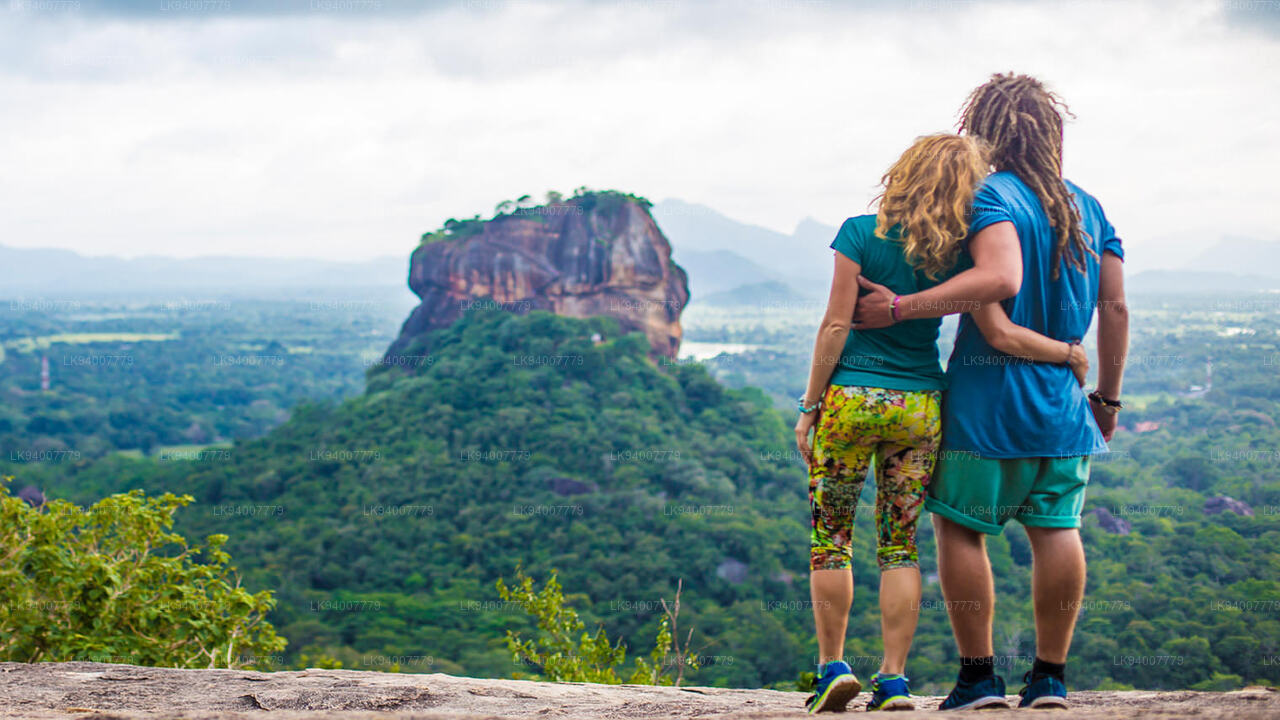
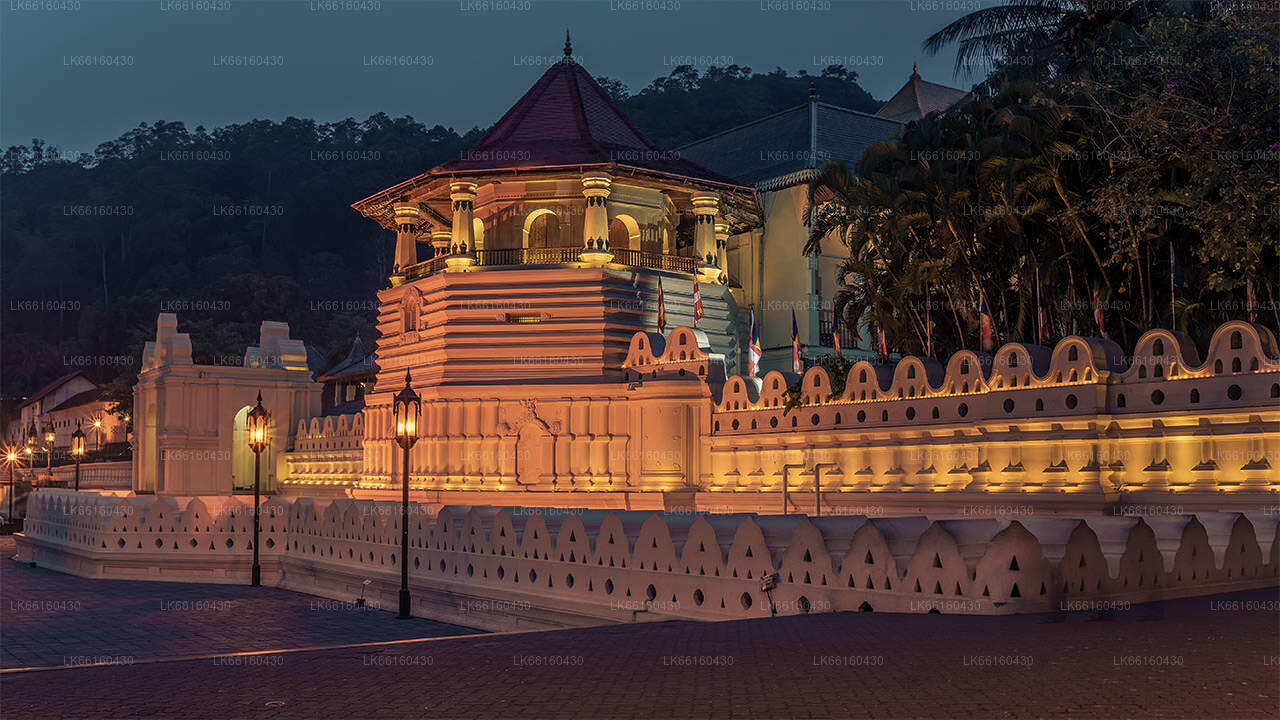
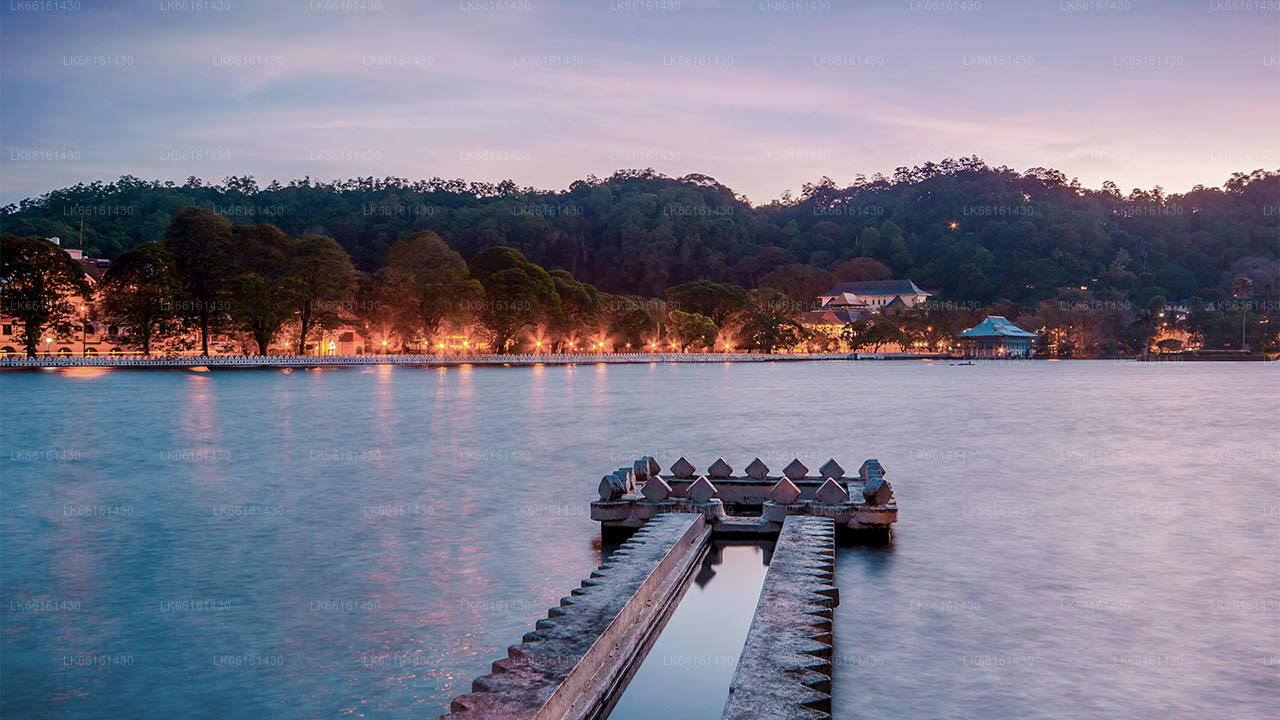
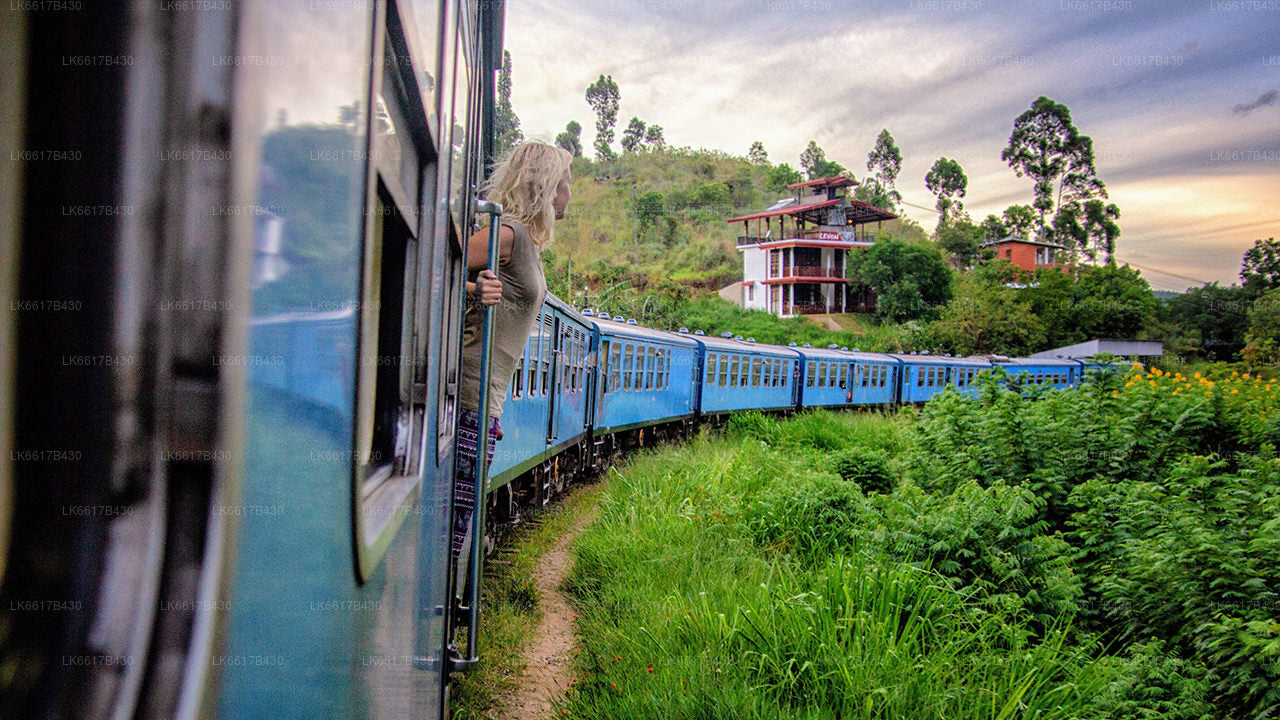
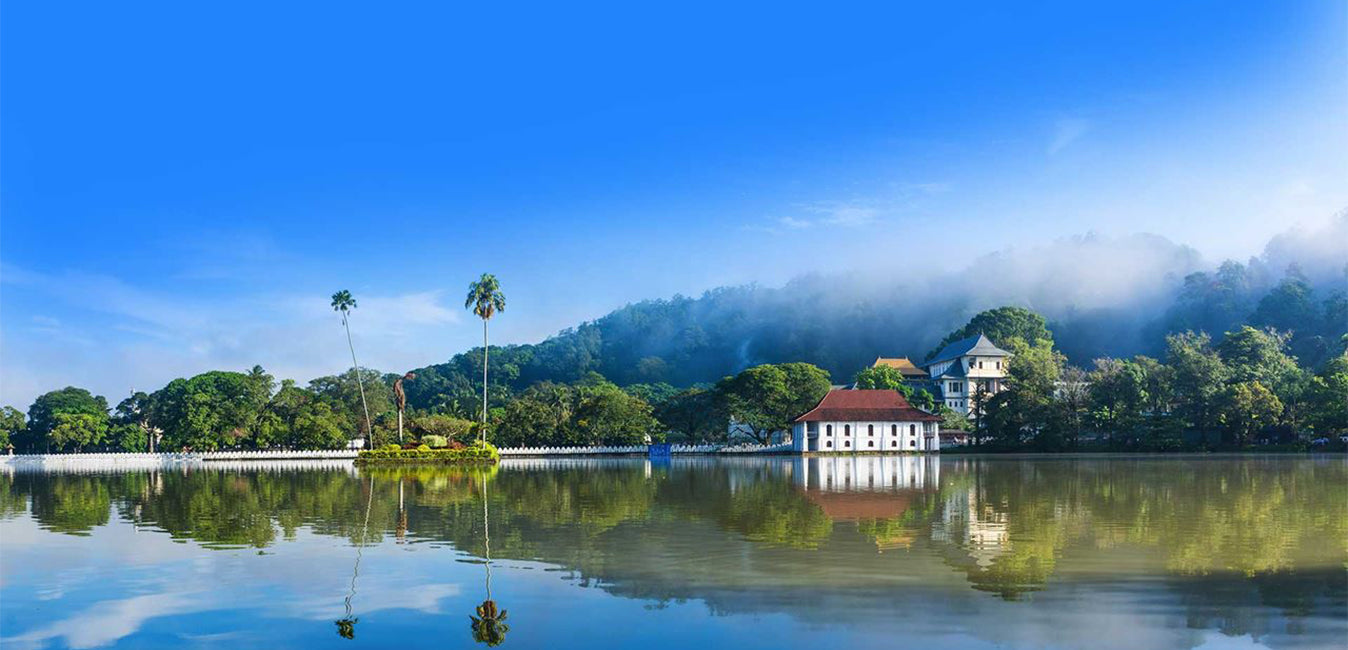
Kandy, a picturesque city in central Sri Lanka, is renowned for its rich cultural heritage, vibrant festivals, and scenic beauty. Nestled amidst lush hills, it is home to the Temple of the Tooth Relic, a UNESCO World Heritage Site, and offers a captivating blend of history and natural splendor.
Embekka Devalaya (tempel)
Embekke tempel Sri Lankas: Koht, kus asub maailma üks parimaid puunikerdusi
Udu Nuwara piirkonnas Kandy ringkonnas asub tempel, mille ajalugu ulatub üle kuue sajandi. See ehitati kuningas Wickremabahu III valitsemisajal (1371-1394 pKr), kes valitses Gampola kuningriiki, ja tempel on praktiliselt kaetud puunikerdustega. UNESCO on kinnitanud, et need puutööd on maailma parimate ja detailirikkaimate hulgas. Tempel on pühendatud jumalale, keda hindud tunnevad kui 'Murugan' ja budistid kui 'Katharagama jumalus'.
Lugu
Legend räägib, et kuningas Vickramabahu III abikaasa Henakanda Biso Bandara ärkas kummalisest unest, milles jumal ilmus ja palus tal endale tempel ehitada. Kui ta leidis, et trummar Rangama oli näinud sama unenägu, pidasid nad seda ennustuseks ja ehitasid templi koos. Algne tempel pidi olema kolmekorruseline hoone, mis kahjuks aja hävingut ei üle elanud.
Ehitus
Tempel koosneb kolmest peamisest alast. Esimene on Garagha pühakoda, mis on sisemine pühakoda, kus asuvad jumala kujud. Järgmine on Tantsusaal ehk Digge, mis esindab kuninga abikaasat Henakanda Bandarat ja kus kuningate ajal peeti tantsuüritusi. Viimane osa on Trummarite saal, mis esindab trummar Rangamat ja kus kunagi peeti muusikaüritusi.
Puunikerdus
Välja arvatud Pühakoda, on ülejäänud tempel peaaegu täielikult puidust. Alates avatud külgedega saalide nikerdatud puidust sammastest kuni kaunilt valmistatud katuseni on kogu ala kaetud nikerdustega. Sammaste alused on kaheksanurksed, samas kui nende tipud lõpevad nelja lehe kujul, mis on ruudukujuliselt virnastatud. Sammastel on aluste külgedele nikerdatud erinevad kujutised. Lisaks kaunistavad nikerdused talasid, sarikaid ja ukseraame.
Nende meistriteoste hulgas on märkimisväärsed nikerdused põimunud luikedest, kahepealistest kotkastest, põimunud köiemustritest, rinnaga toitvast kujutisest, hobusel võitlevast sõdurist, naistantsijatest, maadlejatest, soonest väljuvatest naistest, linnu-inimese hübriididest, elevandi-härja hübriididest, elevandi-lõvi hübriididest ja paljust muust. Kogu templi nikerdused hõlmavad 125 dekoratsioonide seeriat, 256 liyawela tüüpi kujundust, 64 lootose kujundust, 30 dekoratiivset mustrit ja katusekujundusi, kokku 514 unikaalset kujundust.
Templi katus on suurepärane näide iidsest puidust arhitektuurist, kus 26 sarikat toetab üksainus puidust tihvt.
Seotud varemed
Umbes üheksandiku miili kaugusel templist asuvad varemed kivisammaste grupiga. Sammaste nikerdused on identsed Embekke templi omadega. Räägitakse, et kunagi toetus nendele sammastele puidust katus, kuid nüüd on need varemetes.
Nii Embekke tempel kui ka lähedal asuvad varemed on külastamist väärt nii ajaloo kui ka kunsti armastajatele.
About Kandy District
Kandy district is situated in the centrel province of Sri Lanka. One of the seven World Heritage Sites in Sri Lanka, Kandy was once home to the Kandyan Kings of yore in the 16th-century and a fountainhead for all the music, arts, crafts and culture in the country. About 129 km away from Colombo, Kandy is ensconced amongst a hilly terrain and all eyes are drawn to the centre of the city, where the Kandy Lake forms a charming feature. Kandy retains great religious significance for Sri Lanka, because it is in this charming city that the Dalada Maligawa or "Temple of the Tooth" is located, within which the sacred tooth relic of Lord Buddha lies well guarded.
The Royal Botanical Garden, Peradeniya is situated about 5 km to the west of the city centre at Peradeniya and is visited by 1.2 million people per year. It is the largest botanical garden on the island. The Udawatta Kele (Udawatta Forest) is a protected sanctuary situated in the heart of the city, just north of Temple of the Tooth.
Kandy is a Sinhala majority city; there are sizeable communities belonging to other ethnic groups, such as Moors and Tamils. Kandy is second only to Colombo the center of the Sri Lankan Economy. Many major co operations have large branch officers in Kandy and many industries include textiles, furniture, Information Technology and jewellery are found here. Many agriculture research centers are located in the city.
And a fountainhead for all the music, arts, crafts and culture in the country. About 129 km away from Colombo, Kandy is ensconced amongst a hilly terrain and all eyes are drawn to the centre of the city, where the Kandy Lake forms a charming feature. Kandy retains great religious significance for Sri Lanka , because it is in this charming city that the Dalada Maligawa or Temple of the Toothis located, within which the sacred tooth relic of Lord Buddha lies well guarded.
About Central Provincce
The Central Province of Sri Lanka consists primarily of mountainous terrain. The province has an area of 5,674 km², and a population of 2,421,148. Some major towns include Kandy, Gampola (24,730), Nuwara Eliya and Bandarawela. The population is a mixture of Sinhalese, Tamil and the Moors.
Both the hill capital Kandy and the city of Nuwara Eliya are located within the Central Province as well as Sri Pada. The province produces much of the famous Ceylon tea, planted by the British in the 1860s after a devastating disease killed all the coffee plantations in the province. Central Province attracts many tourists, with hill station towns such as Kandy, Gampola, Hatton and Nuwara Eliya. Temple tooth or Dalada maligawa is the main sacred place in Centrel province.
The climate is cool, and many areas about 1500 meters often have chilly nights. The western slopes are very wet, some places having almost 7000 mm of rain per year. The eastern slopes are parts of the mid-dry zone as it is receiving rain only from North-Eastern monsoon. The Temperatures range from 24°C at Kandy to just 16°C in Nuwara Eliya, which is located 1,889 m above sea level. The highest mountains in Sri Lanka are located in the Central Province. The terrain is mostly mountainous, with deep valleys cutting into it. The two main mountain regions are the central massif and the Knuckles range to the east of Kandy.