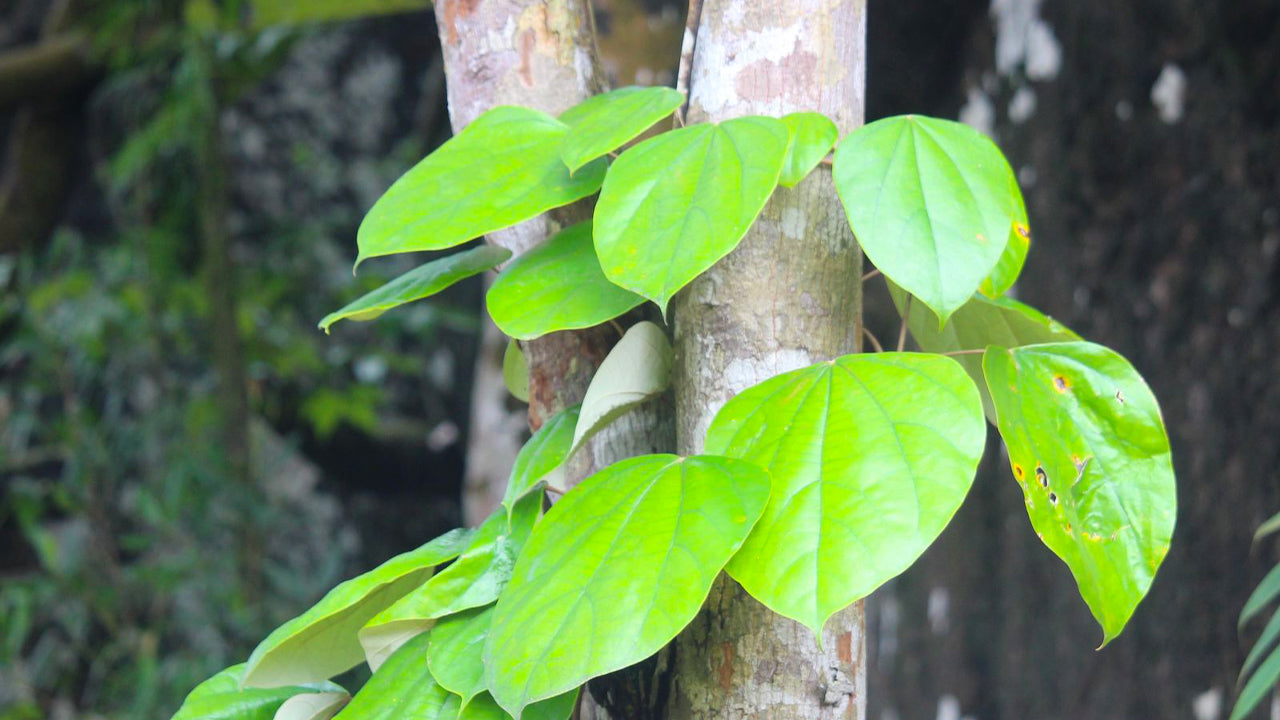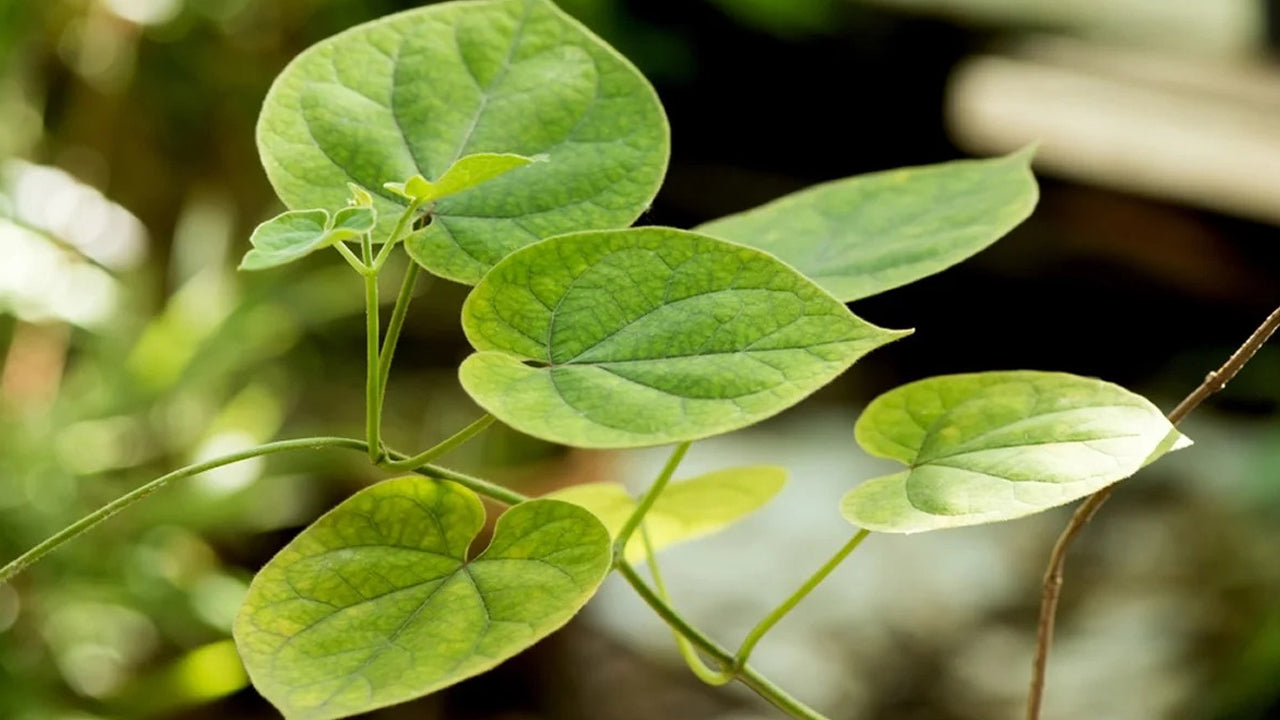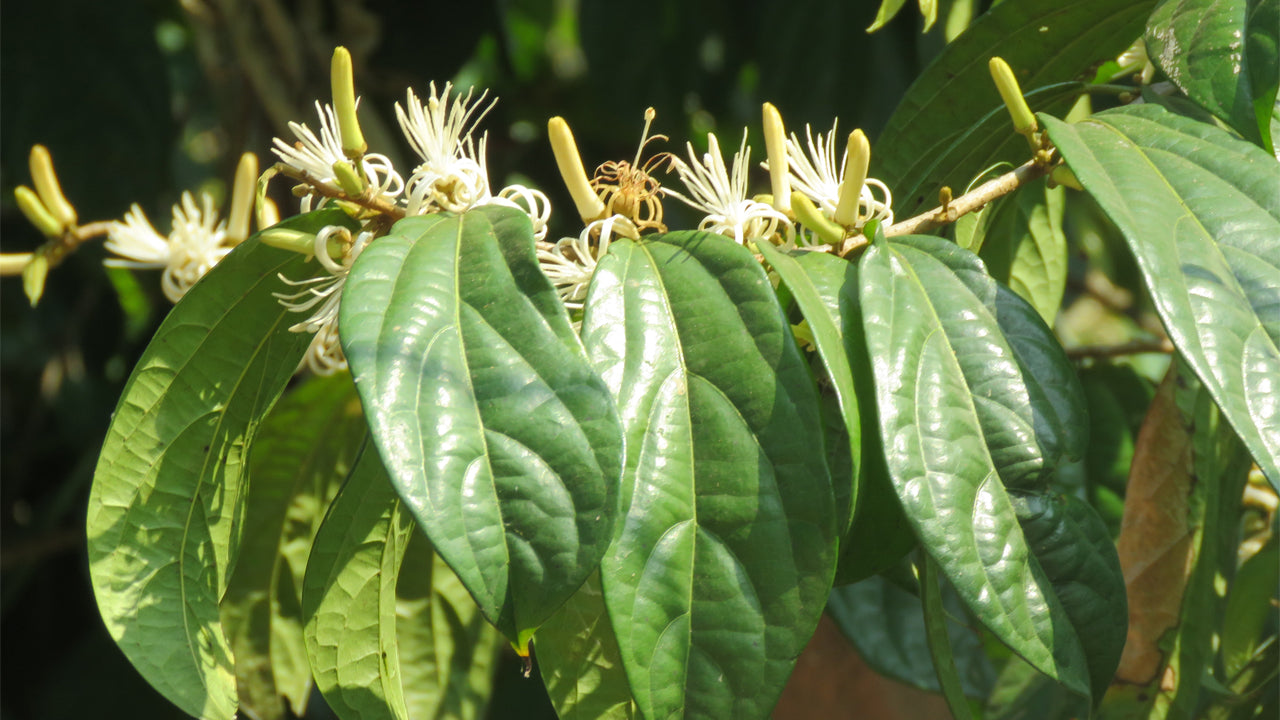
Few plants are as deeply woven into Sri Lankan daily life as the betel vine (Piper betle). An evergreen perennial climber cultivated across the island, it has shaped social customs, religious ceremonies, and traditional medicine for well over two millennia. Today it remains a living bridge between ancient practice and contemporary herbal science.
What is the history of betel chewing in Sri Lanka?
Historical records suggest that betel chewing in Sri Lanka dates to around 340 BC, when the practice was considered a mark of social standing. Royalty, nobles, and distinguished guests exchanged betel as a gesture of hospitality and respect — a custom that survives in ceremonial form to this day. The plant itself is believed to have originated in Malaysia or the broader East Asian region, and was reportedly introduced to Sri Lanka and other South Asian territories by Chinese and Arab merchants navigating ancient trade routes.
Despite its introduced status, the betel vine took deep root in the island's ecology and culture alike. More than ten wild relatives of Piper betle have been identified in Sri Lanka, suggesting a long period of naturalisation. The ancient cities of the Dry Zone — including Polonnaruwa — yield archaeological evidence of areca nut and betel cultivation during the classical kingdoms.
How is a traditional betel quid prepared?
The classic Sri Lankan betel chew — called a bulath vita — combines a fresh betel leaf with several companion ingredients. The precise combination varies by region and personal preference, but the core components are consistent:
- Betel leaf (Piper betle) — the aromatic wrapper that holds everything together
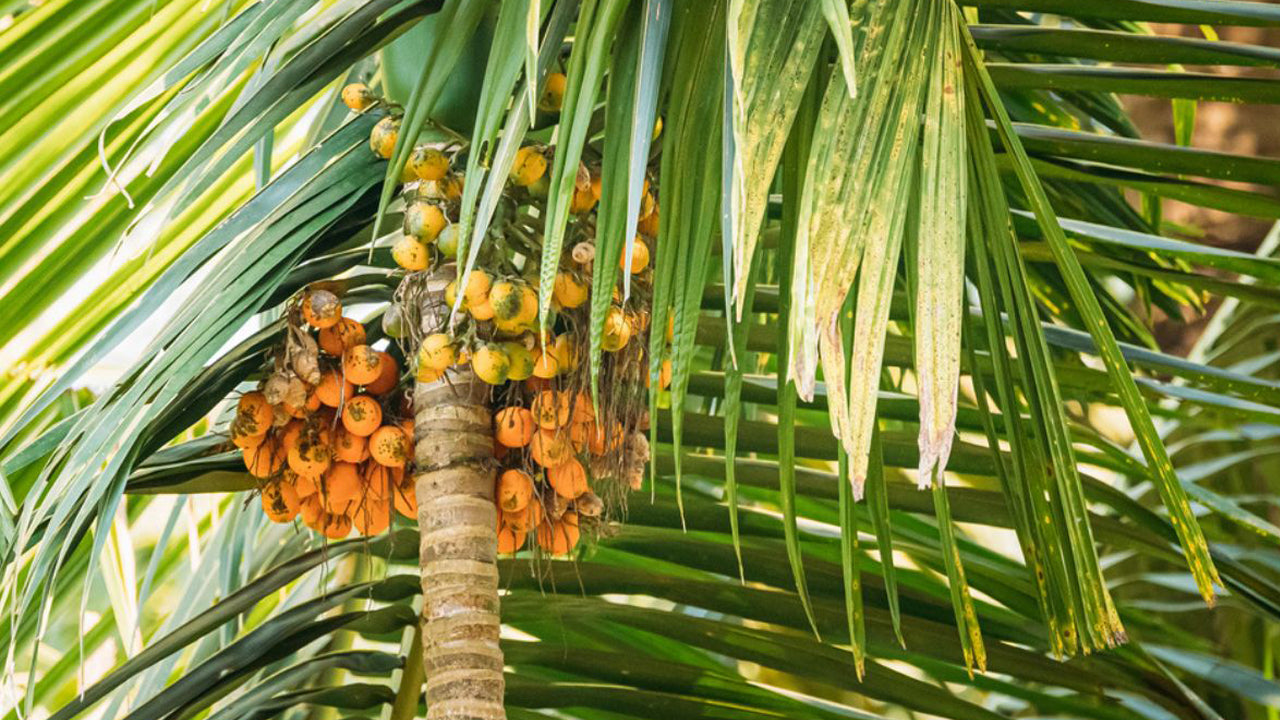
- Arecanut (Areca catechu) — sliced or shredded; provides the characteristic astringent kick
- Slaked lime (chunnam) — a small amount of calcium hydroxide paste that activates the alkaloids
- Tobacco — added by some, though not universally
- Spices — cloves, cardamom, or black pepper are occasional additions in more elaborate preparations
The combination creates a mild stimulant effect and produces the distinctive red saliva associated with betel use across South and Southeast Asia. Each country in the region has its own variation; in Sri Lanka the quid is traditionally folded into a neat triangular parcel.
What role does betel play in Sri Lankan ceremonies and culture?
Betel leaves carry powerful ceremonial weight in Sri Lanka that extends well beyond casual chewing. At traditional weddings, a tray of betel leaves — sometimes arranged with flowers and areca nuts — is presented to guests and elders as a mark of honour. Astrological consultations, almsgiving ceremonies, and the opening of auspicious events frequently begin with the ritual offering of betel.
In Buddhist and Hindu temple settings, betel is offered alongside other sacred items. At the Esala Perahera Festival in Kandy and other major religious processions, betel trays form part of the ritual paraphernalia presented to dignitaries. Village healers and Ayurvedic practitioners also use betel leaves as part of ceremonial preparations before treatments begin.
The plant's symbolic value is equally strong in everyday social life. Offering betel to a guest remains a gesture of welcome in rural households, and refusing it can be considered impolite in traditional settings.
What are the medicinal and Ayurvedic uses of betel leaves?
Betel leaves have been a cornerstone of South Asian traditional medicine for centuries. In the Sri Lankan Ayurvedic tradition, the leaf is valued for properties that modern phytochemical research continues to investigate. Documented traditional uses include:
- Antiseptic applications — crushed leaves applied to minor wounds and skin infections
- Digestive aid — chewing after meals is believed to stimulate saliva production and support digestion
- Respiratory relief — leaf extracts used in steam inhalations for congestion
- Oral hygiene — the natural compounds in the leaf were used as a rudimentary mouth freshener long before commercial toothpastes existed
It is worth noting that while the leaf itself contains beneficial phenolic compounds, long-term heavy use of the full betel quid — particularly when combined with tobacco and areca nut — carries well-documented health risks. Responsible consumption and awareness of these risks is encouraged by health authorities.
What value-added products are made from betel leaves?
Commercial interest in betel's phytochemical profile has generated a range of modern products that capture the plant's beneficial compounds without the social ritual of chewing. Sri Lankan producers have developed:
- Dehydrated betel leaf powder — used in health supplements and herbal teas
- Betel-infused toothpaste and mouthwash — leveraging the leaf's natural antimicrobial properties
- Betel mosquito-repellent coils and creams — drawing on the volatile oils in the leaf
- Shampoos and face creams — incorporating betel extracts for their antioxidant compounds
- Instant betel quid pellets — a processed alternative for those seeking the flavour without preparing a fresh quid
The dehydrated powder form in particular has found an audience internationally, where fresh leaves are difficult to source but interest in traditional herbal ingredients is growing.
Where is betel grown in Sri Lanka?
Betel cultivation is distributed across the island's wet and intermediate zones, where the vine can be trained up stakes or trellises in partially shaded plots. The plant thrives in warm, humid conditions with well-drained loamy soil. Smallholder farmers in the Western, Sabaragamuwa, and Central provinces traditionally maintain betel gardens alongside other cash crops. Commercial cultivation is less centralised than that of Ceylon Tea, remaining largely in the hands of family-scale growers who supply local wholesale markets.
Because the commercial product is the fresh leaf — perishable and sensitive to handling — most betel is sold close to its growing area, with urban markets in Colombo and Kandy acting as distribution hubs. Export of the fresh leaf is limited, which is one reason dehydrated powder formats have become the practical vehicle for international trade.
How does betel relate to Sri Lanka's broader spice heritage?
Betel sits within a rich tradition of plant-based commodities that have defined Sri Lanka's identity as a trading nation for thousands of years. Alongside cloves and other endemic spices, it represents the island's deep ethnobotanical knowledge — a living pharmacopoeia shaped by centuries of interaction between indigenous practice, Ayurvedic scholarship, and the knowledge brought by traders from across the Indian Ocean world.