Lakpura
Lakpura®

Sheaf of Betel (බුලත් අත)

Few gestures in Sri Lankan social life carry as much weight as the offering of a sheaf of betel leaves — the bulath atha. It appears at the Sinhala and Tamil New Year, in classrooms, at weddings, at the doors of temples, and wherever one person wishes to pay genuine respect to another. Understanding its role gives any visitor a far deeper appreciation of Sri Lankan culture than a guidebook summary can provide.

What is the bulath atha?

The bulath atha is a hand-prepared sheaf of betel leaves (Piper betle), traditionally comprising forty leaves arranged with the stems pointing toward the person who will receive it. The precise count of forty is rarely observed today — twenty leaves or even fewer is common — but the number matters far less than the manner of giving. The sheaf must be offered with both hands, stems facing the receiver, and the giver bows, kneels, or falls at the receiver's feet as a physical expression of obeisance.

The receiver — whether a parent, grandparent, teacher, or senior monk — will typically return the gesture by placing a small cash gift inside a single betel leaf and handing it back. For children, receiving a bright new coin wrapped in a betel leaf is one of the small rituals that makes New Year particularly memorable.

Why is betel offered at Sinhala and Tamil New Year?

The Sinhala and Hindu New Year period, falling in April, is the single most important occasion for the bulath atha. When families gather at the parental home, children formally offer a sheaf to parents, grandparents, and any elders present. Nephews and nieces bring sheaves when visiting aunts and uncles. Employees pay a New Year call to their employers and present the bulath atha as a mark of professional respect.

The gesture carries a second, quieter meaning: an apology. Offering betel is understood as a symbolic way of saying sorry for any wrongs — spoken or unspoken — committed during the year just passed. When a misunderstanding or coolness has developed between two people or two families, the younger party visits the elder and presents a sheaf of betel. Once the elder accepts it, the grievance is considered settled. Nothing more needs to be said.

When else is a sheaf of betel offered?

The bulath atha is not confined to New Year. Several other occasions call for it:

  • Teacher's Day (5 October): Across Sri Lanka — in Buddhist, Catholic, and Protestant schools alike — students present betel to their teachers. In rural areas and some urban schools, betel is also offered when the school year opens after the April holidays, with children bringing a sheaf to the principal and class teacher.
  • Formal ceremonies: Special guests at prize-givings, building inaugurations, and the launch of community projects are greeted with a sheaf of betel, much as a garland might be used in other traditions.
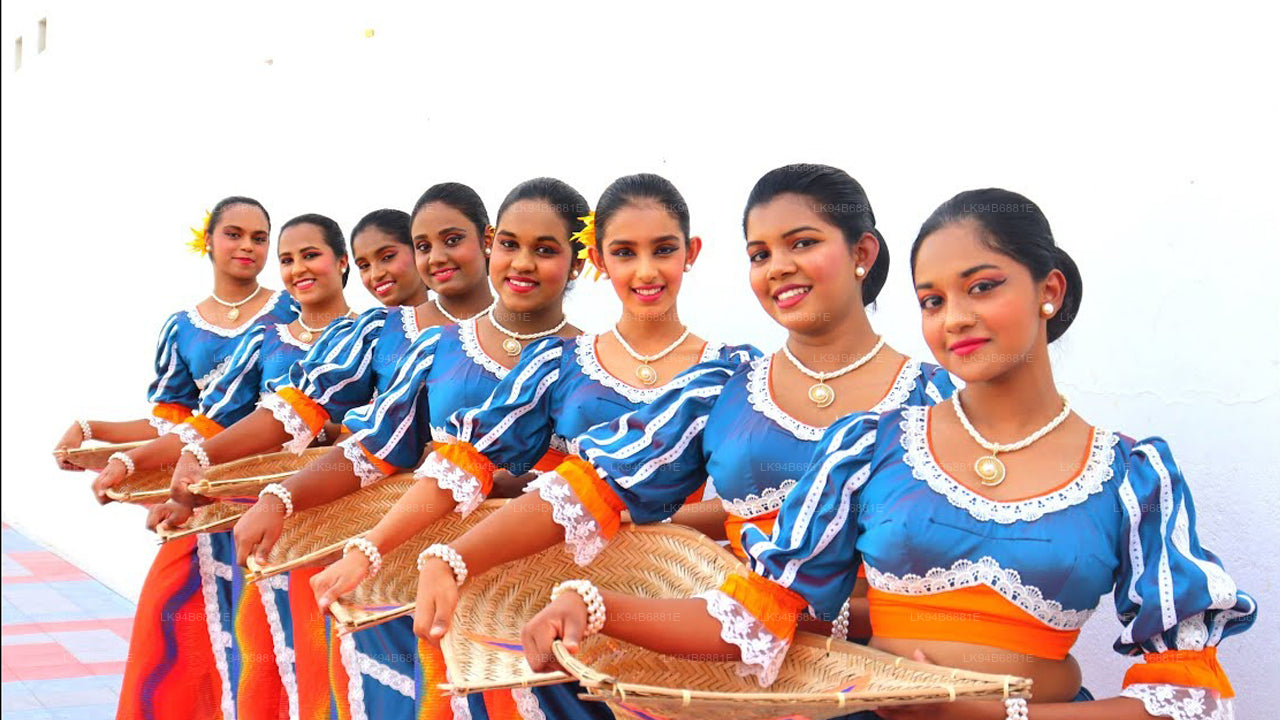
  • Inviting a head monk: A householder who wishes to invite the Viharadhipathi — the head bhikkhu of a temple — to a bana or pirith ceremony presents a bulath atha as the invitation itself. Once the monks have assembled, a bulath wattiya (a wicker tray of betel leaves) is offered to request that the chanting begin. The same courtesy is extended to a monk who has come to deliver a sermon.
  • Wedding invitations: In traditional practice, a family member is invited to a wedding by the presentation of a sheaf of betel rather than a printed card — a custom still followed in some rural communities.

What was the role of betel in traditional medicine?

In Sri Lanka's traditional Ayurvedic system, the relationship between patient and physician was governed by mutual respect rather than a fee schedule. Before consulting a Veda Mahaththaya (traditional physician), a patient would offer a sheaf of betel — a respectful way of asking for help. Physicians were expected to heal as a social service, and accepting money was considered inappropriate. Over time, as livelihoods changed, a small cash offering came to be placed inside the sheaf, but the betel remained the essential gesture of approach. This tradition illustrates how thoroughly betel was woven into formal social exchange.

How is the bulath atha properly prepared and presented?

Selecting leaves is the first step: fresh, unblemished betel leaves of a similar size are preferred. The leaves are stacked with their upper surfaces aligned, stems in one direction, and the sheaf is held firmly but gently. In practice:

  1. Hold the sheaf in both hands, stems pointing toward the recipient.
  2. Bow or kneel as you extend the sheaf — the depth of the bow signals the degree of respect.
  3. Wait for the recipient to accept with both hands before rising.

The act of using both hands — to give and to receive — is non-negotiable. Offering with a single hand would be considered careless at best and disrespectful at worst.

What is betel's broader significance in Sri Lankan culture?

Betel (Piper betle) is a climbing vine whose leaves have been chewed across South and Southeast Asia for thousands of years, typically combined with areca nut and a smear of slaked lime. In Sri Lanka the leaf itself, apart from its role in chewing, has long functioned as a vehicle for gifts, invitations, and apologies — a kind of edible social currency. Its association with respect, reconciliation, and ceremony means that even Sri Lankans who never chew betel keep leaves on hand for significant occasions.

The food customs and ritual practices surrounding the New Year period as a whole reflect how Sri Lankan households mark time through sensory and social traditions rather than purely religious observance, making the bulath atha one of the most tangible expressions of that outlook.

Can visitors participate in betel customs?

Visitors staying with Sri Lankan families during April — or attending a village ceremony at any time of year — may well be handed a sheaf of betel or see one offered. Accepting it with both hands and a slight bow is the appropriate response. If you are invited to offer betel yourself, do so with both hands and, if comfortable, a small nod or bow toward the recipient. The gesture will be genuinely appreciated, not treated as a novelty.

Betel leaves and areca nuts are widely available at market stalls and roadside vendors throughout Sri Lanka. They are also sold in dried or processed forms for those who wish to bring a piece of this tradition home.

Book this experience with Lakpura

Curated by our local team. Direct booking, instant confirmation.

Ask Lakpura® Agent