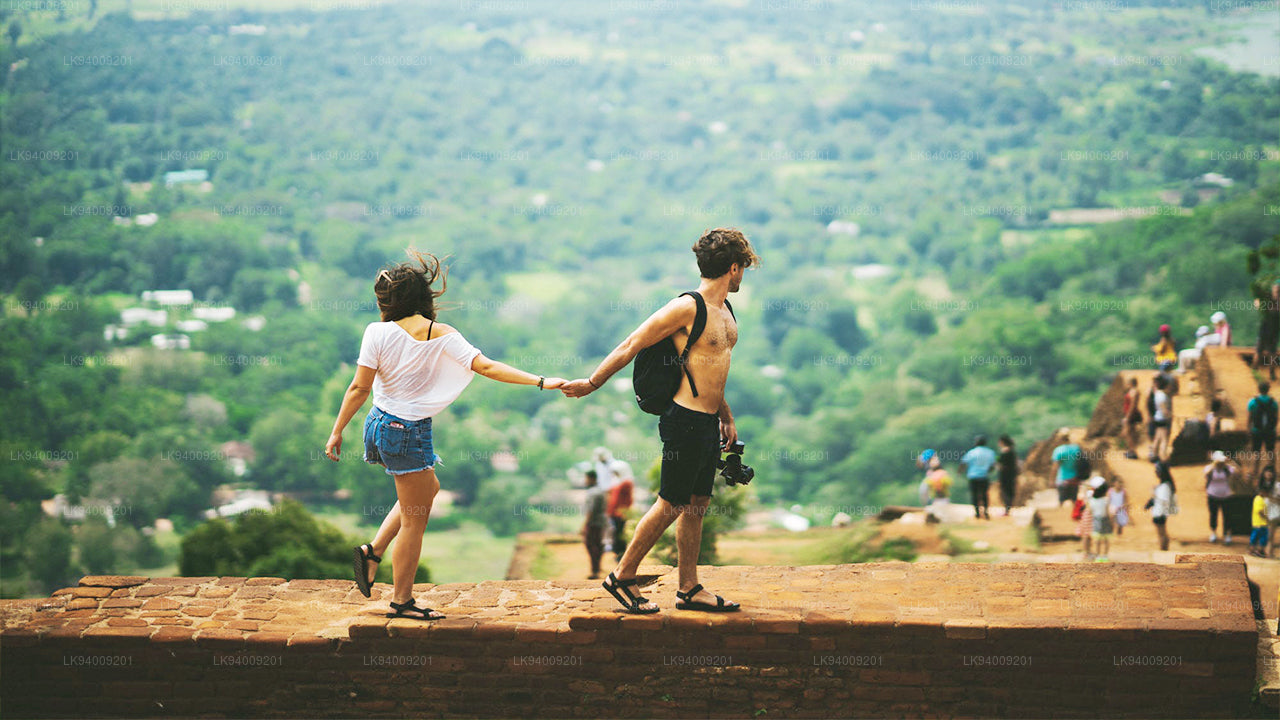
Welimada


Welimada es una encantadora ciudad ubicada en el Distrito de Badulla en Sri Lanka, dentro de la Provincia de Uva, enclavada en las tierras altas centrales. Conocida por su clima fresco y paisajes escénicos, Welimada es a menudo llamada el "centro de vegetales" del país debido a sus extensas actividades agrícolas y su suelo fértil que permite el cultivo durante todo el año.
La región se caracteriza por colinas onduladas, tierras agrícolas exuberantes y un clima refrescante ideal para cultivar una variedad de productos como zanahorias, puerros y papas. Rodeada de montañas cubiertas de niebla y vegetación, Welimada también alberga una diversa vida vegetal y ofrece un entorno rural tranquilo que refleja la belleza de la naturaleza en las tierras altas de Sri Lanka.
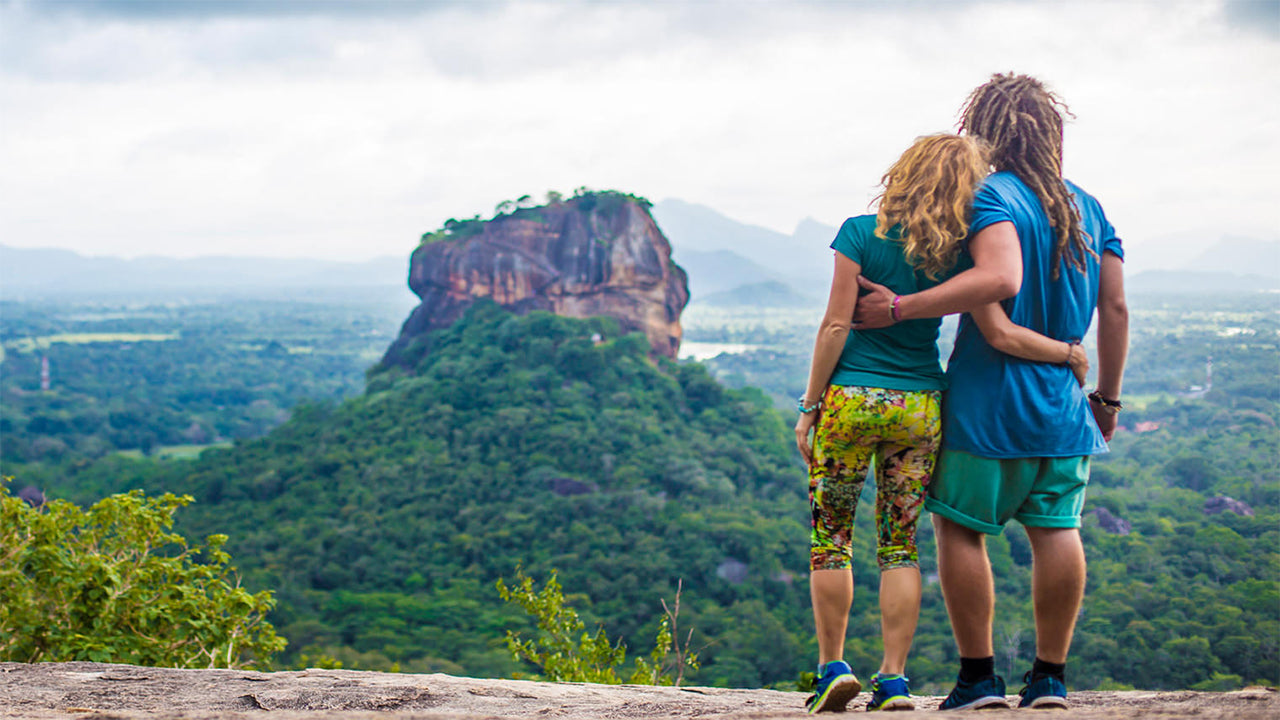
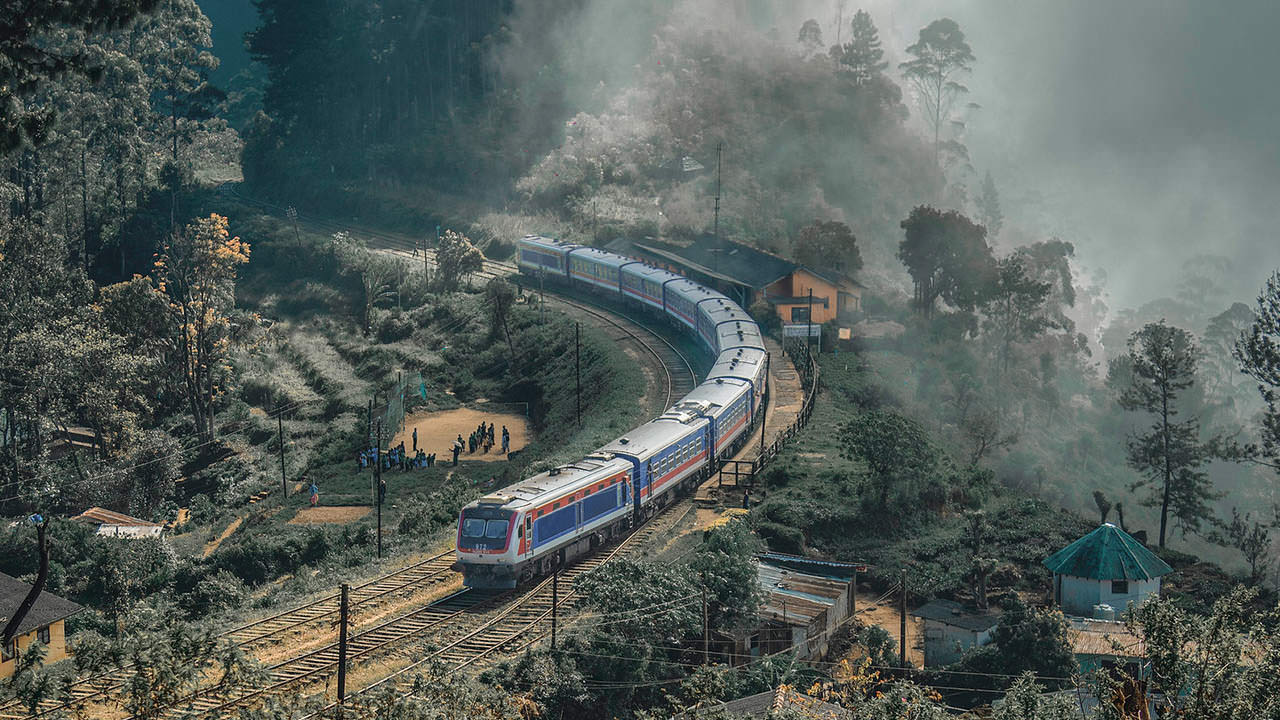
Los visitantes de Welimada pueden disfrutar de experiencias rurales tranquilas, explorar granjas locales y contemplar vistas panorámicas de las tierras altas circundantes. La ciudad ofrece un refugio tranquilo lejos de los centros turísticos concurridos, lo que la hace ideal para quienes buscan relajación, recorridos escénicos y una visión auténtica de la vida agrícola en Sri Lanka.
La mejor época para visitar Welimada es durante los meses más secos de enero a abril, cuando el clima es más favorable para viajar y explorar al aire libre. Fácilmente accesible desde Badulla y otros destinos cercanos de las tierras altas, Welimada ofrece una parada refrescante y pintoresca para los viajeros que exploran la región central de Sri Lanka.


Special places in Badulla
-
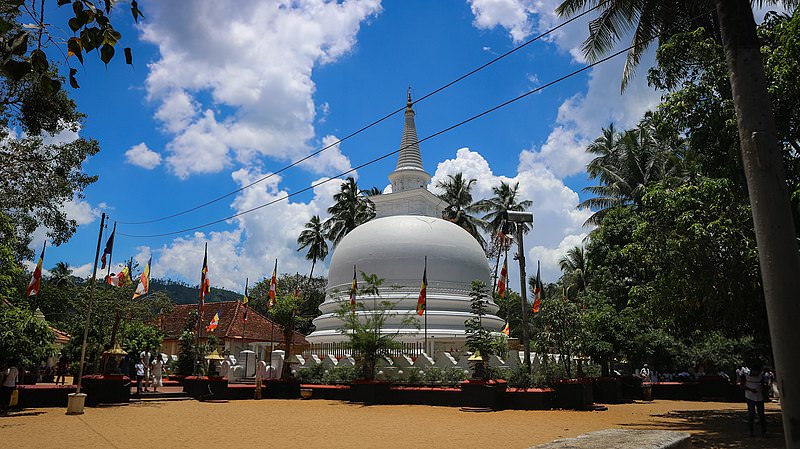 Muthiyangana Raja Maha Vihara
Muthiyanganaya Raja Maha Viharaya lies in the centre of the city of Badulla. The History of this temple goes back to the time of Buddha but this area around Badulla goes way back in to the time of 19th -18th century BCE.
-
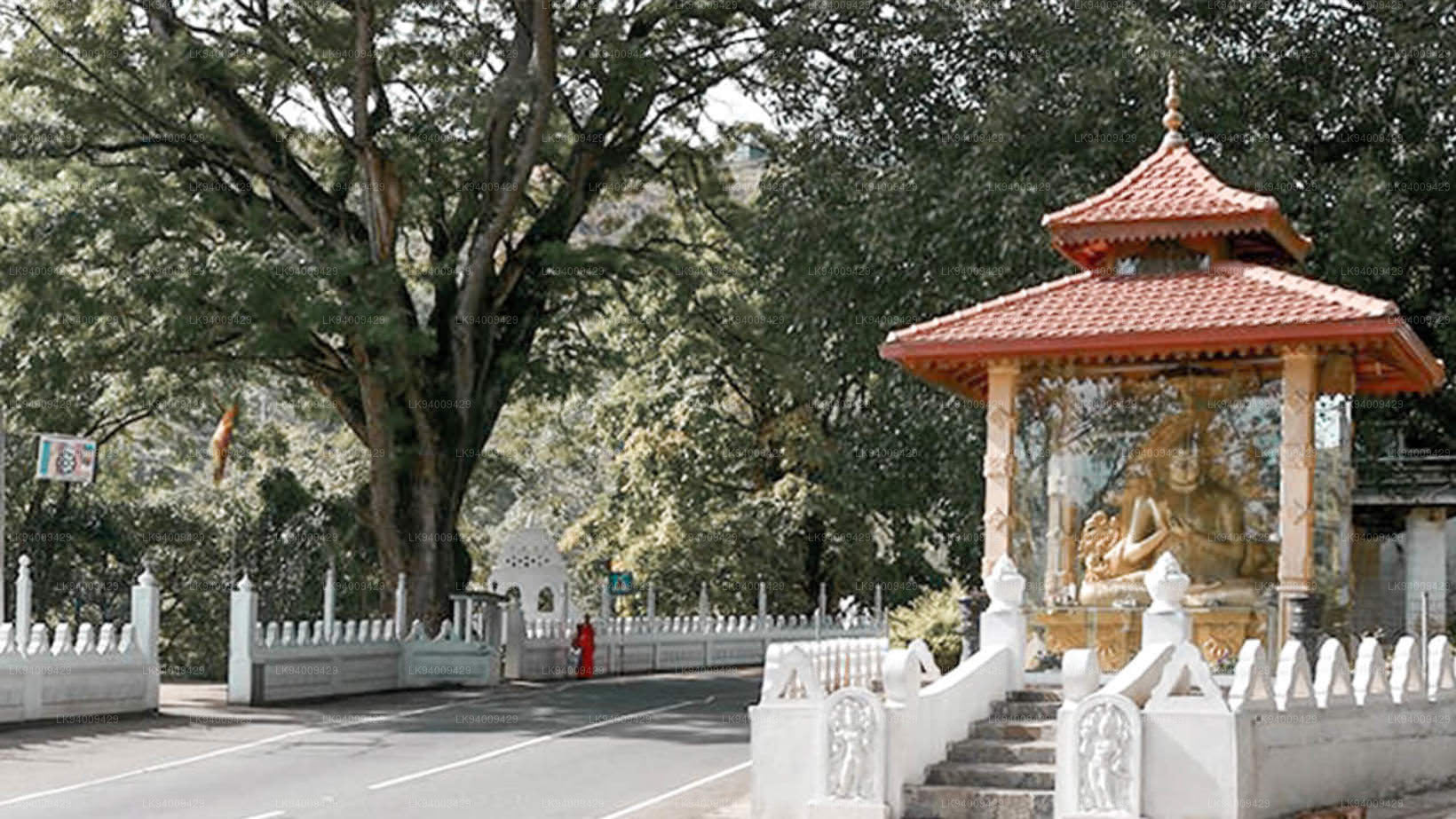 Dowa Raja Maha Viharaya
Dowa Raja Maha Viharaya (Dowa Cape Temple) lies few kilometres away from the Bandarawela town on the Bandarawela – Badulla Road. This temple is thought to be done by King Walagamba in the in first century BC.
-
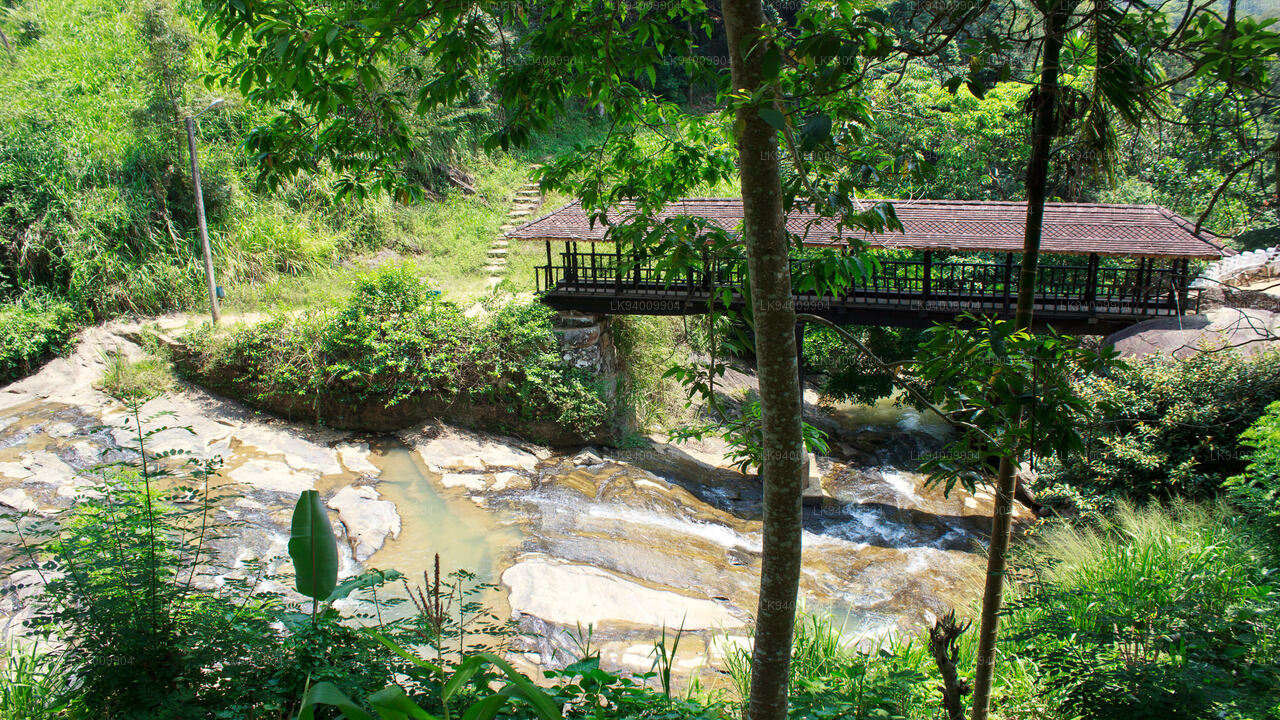 Bogoda Wooden Bridge
The Bogoda Wooden Bridge was built in the 16th century during the Dambadeniya era. This is said to be the oldest surviving wooden bridge in Sri Lanka. The bridge is situated at 7 kilometres (4.3 mi) west of Badulla.
-
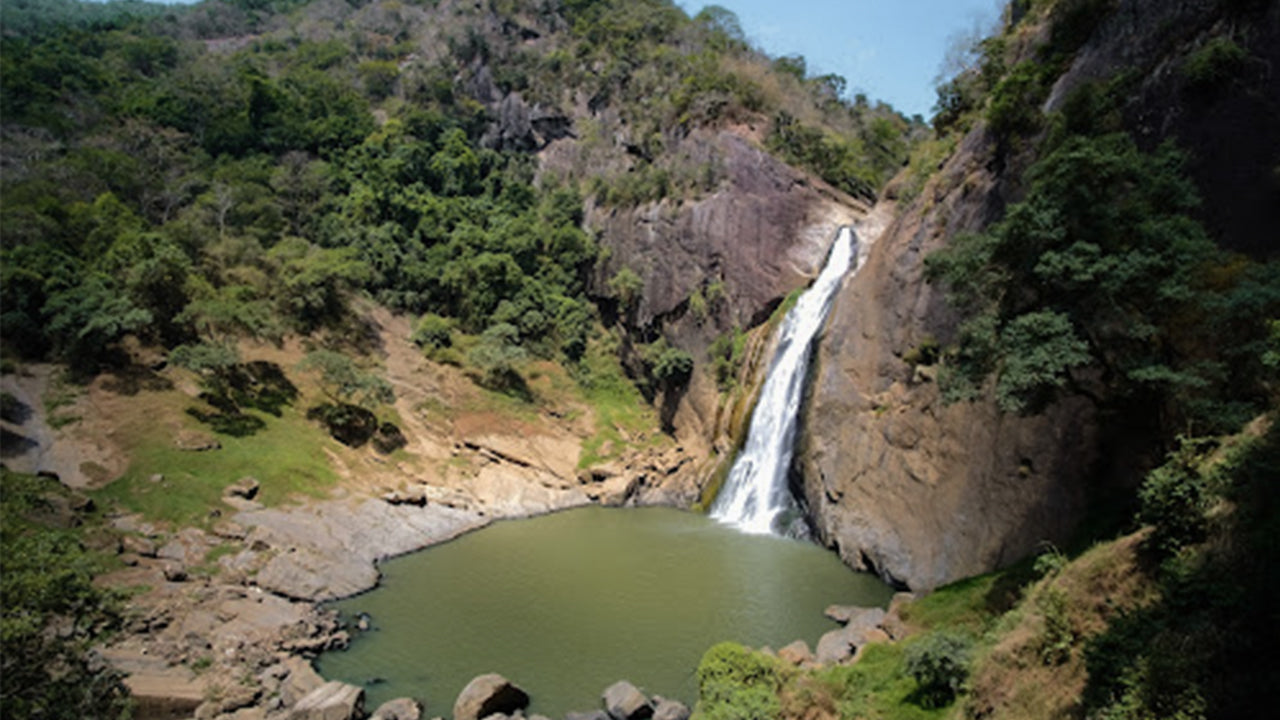 Dunhinda Falls
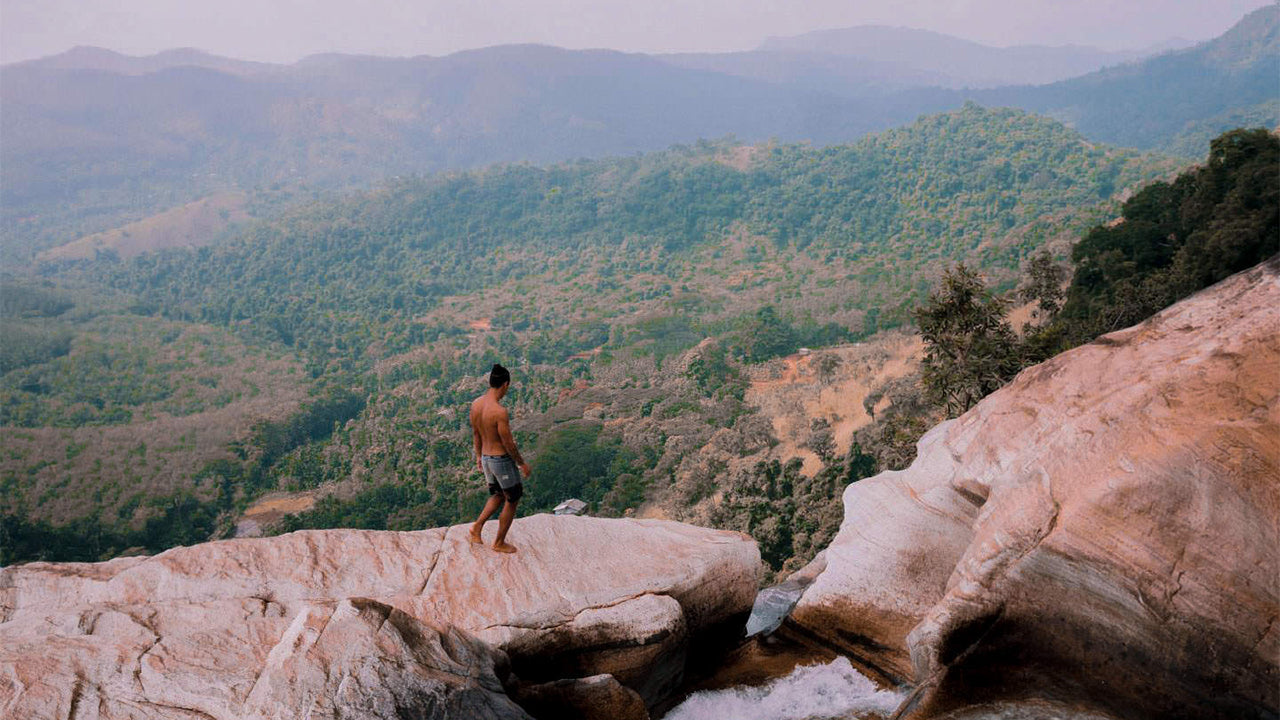
Dunhinda Falls is situated about 5 km away from Badulla town. It is 63 meters high and is considered to be one of the most beautiful waterfalls in Sri Lanka. The falls gets its name dew to the smoky dew drops spray.