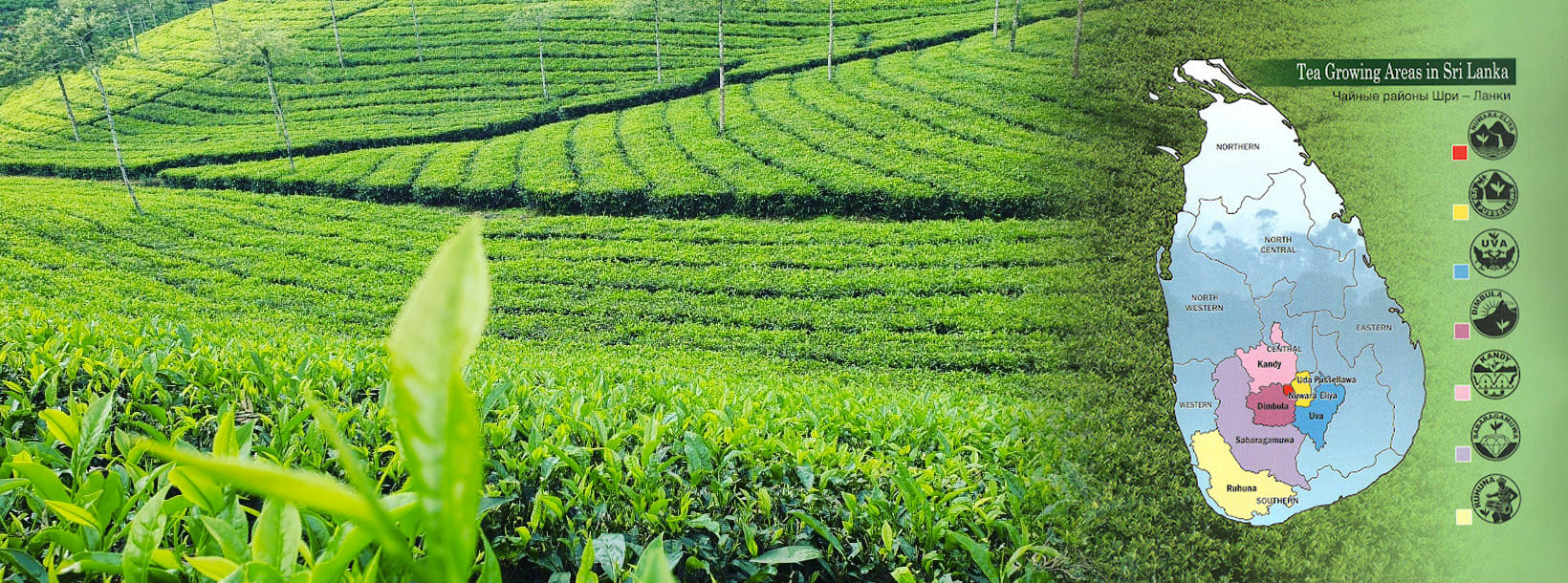

Kataboola Estate sits in the Nawalapitiya–Kotmale corridor of Kandy District, one of Sri Lanka's most storied tea-growing regions. Established in the 19th century during the colonial era that transformed the island's hill country from coffee to tea, the estate has grown into a working landscape of six operational divisions. Its factory stands at around 1,021 metres above sea level, while the land itself rises from roughly 750 metres to 1,400 metres — a range that produces distinctly different leaf characters across its divisions.
What makes Kataboola Estate's tea distinctive?
Elevation is the single most important factor in Ceylon tea flavour, and Kataboola occupies a position that blurs the boundary between mid-grown and high-grown categories. Teas produced at the lower elevations of the estate tend toward fuller body and brighter colour in the cup, while leaves harvested from the upper reaches — above 1,200 metres — develop the more delicate, aromatic character associated with high-grown Ceylon teas.
The Kotmale microclimate, shaped by mist-laden valleys and seasonal south-west and north-east monsoons, gives the leaf a characteristic briskness. Dombagastalawa teas — marketed under that geographic identifier — are produced here and are available in orthodox grades including OP1 and PEKOE, both of which are well regarded on the Colombo Tea Auction.
For a broader understanding of how Sri Lanka's leaf is grown, processed, and traded, the Ceylon Tea overview provides useful context on the island's tea industry as a whole.
What does Kataboola Estate look like on the ground?
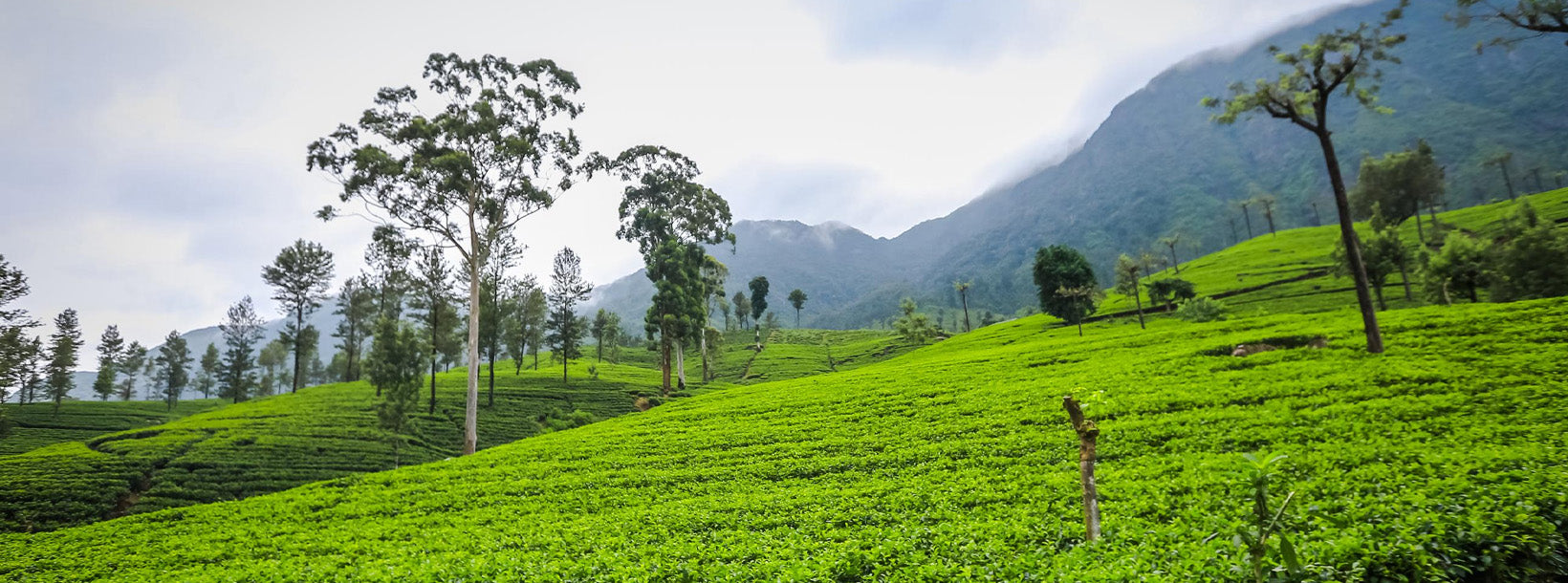
The estate covers a varied terrain of manicured tea fields interrupted by patches of shade trees and native forest. This mix of cultivated land and forest patches is typical of older Kandyan estates, where remnant tree cover was retained along ridge lines and stream banks. Walking through the divisions, the gradient changes noticeably — lower sections are accessible by estate roads, while the upper slopes require more effort to reach and reward visitors with panoramic views toward the Kotmale Reservoir valley.
The factory itself follows the orthodox black tea process: withering, rolling, fermentation, and firing. Visitors who time a visit to coincide with a flush period — roughly February to March and August to September — can observe the full cycle from plucked leaf to finished tea within a single working day.
How does Kataboola compare to other estates in the region?
The Nawalapitiya–Kotmale belt contains several estates at comparable elevations. Kataboola's six-division structure makes it a medium-to-large operation by regional standards. The Bluefield Tea Gardens, located further toward Nuwara Eliya, operate at higher average elevations and produce a lighter liquor; Kataboola's mid-range position gives it a more robust everyday character that appeals to drinkers who prefer their tea with or without milk.
| Feature | Detail |
|---|---|
| Location | Nawalapitiya–Kotmale, Kandy District |
| Elevation range | 750 m – 1,400 m above sea level |
| Factory elevation | Approximately 1,021 m |
| Number of divisions | Six |
| Tea type | Orthodox black tea (OP1, PEKOE, FBOP grades) |
| Tea category | Mid-grown to high-grown transition zone |
| Established | 19th century |
How do I get to Kataboola Estate from Kandy?
The estate is accessible from Kandy via the A5 highway toward Nawalapitiya, a route that winds through the hill country and takes roughly 45 minutes to an hour depending on traffic. From Nawalapitiya town, estate roads lead into the Dombagastalawa area. The roads are manageable by standard vehicle during dry weather, though a four-wheel-drive or high-clearance vehicle is advisable in the wet season when estate tracks can become slippery.
If you are combining a visit with the broader Kandy region, the Kandy City Tour provides a useful orientation to the district before heading into the hill estate country.
When is the best time to visit Kataboola Estate?
The estate is at its most photogenic during the dry inter-monsoon periods. February to April and July to September are generally the most settled months for the Kandyan hill country, with clearer skies and better visibility across the valley landscapes. Tea plucking continues year-round, but the post-monsoon flushes — particularly the August–September period — tend to produce the brightest, most sought-after leaf.
Early mornings are ideal for a factory visit: the withering lofts are most active in the first half of the day, and the cooler temperatures make walking the upper divisions more comfortable.
What else can I see near Kataboola Estate?
The surrounding Kotmale valley offers several points of interest beyond the estate itself. The Kotmale Reservoir, formed by a hydroelectric dam completed in the 1980s, is visible from the upper divisions of the estate and can be explored independently. The Horton Plains National Park, with its cloud-forest walks and World's End viewpoint, is around two hours to the south and makes a logical addition to an itinerary based in this part of the hill country.
For travellers interested in comparing different estate environments, the Makandawa Rainforest near Kithulgala — roughly an hour west of Nawalapitiya — offers a contrasting experience of lowland riparian forest and adventure activities along the Kelani River.
Can I buy Dombagastalawa tea directly?
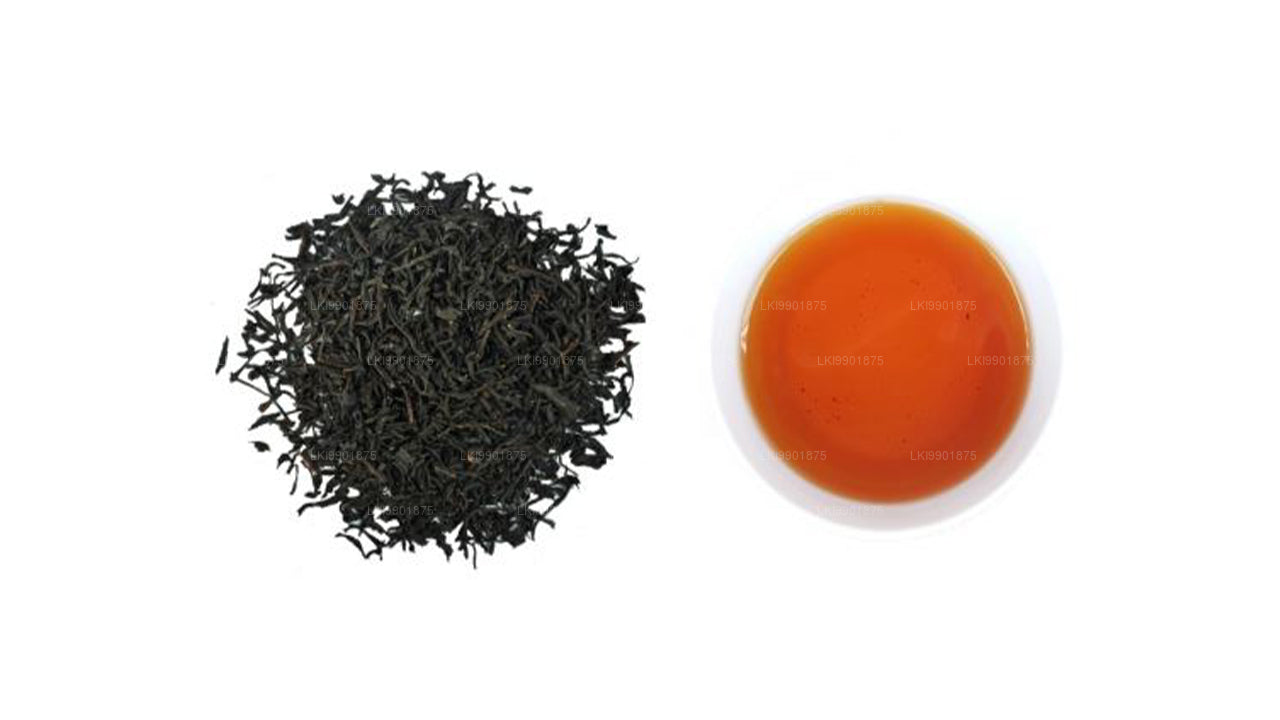
Single-estate teas from Dombagastalawa are available through specialist Ceylon tea retailers and online. The OP1 grade is a long-leaf orthodox tea that brews to a golden amber liquor with moderate astringency — well suited to drinking plain. The PEKOE grade, made from shorter leaf, is slightly more robust and takes milk well. The FBOP (Flowery Broken Orange Pekoe) grade brews fastest and is preferred for a quick, full-flavoured cup. All three grades reflect the estate's mid-to-high elevation character.