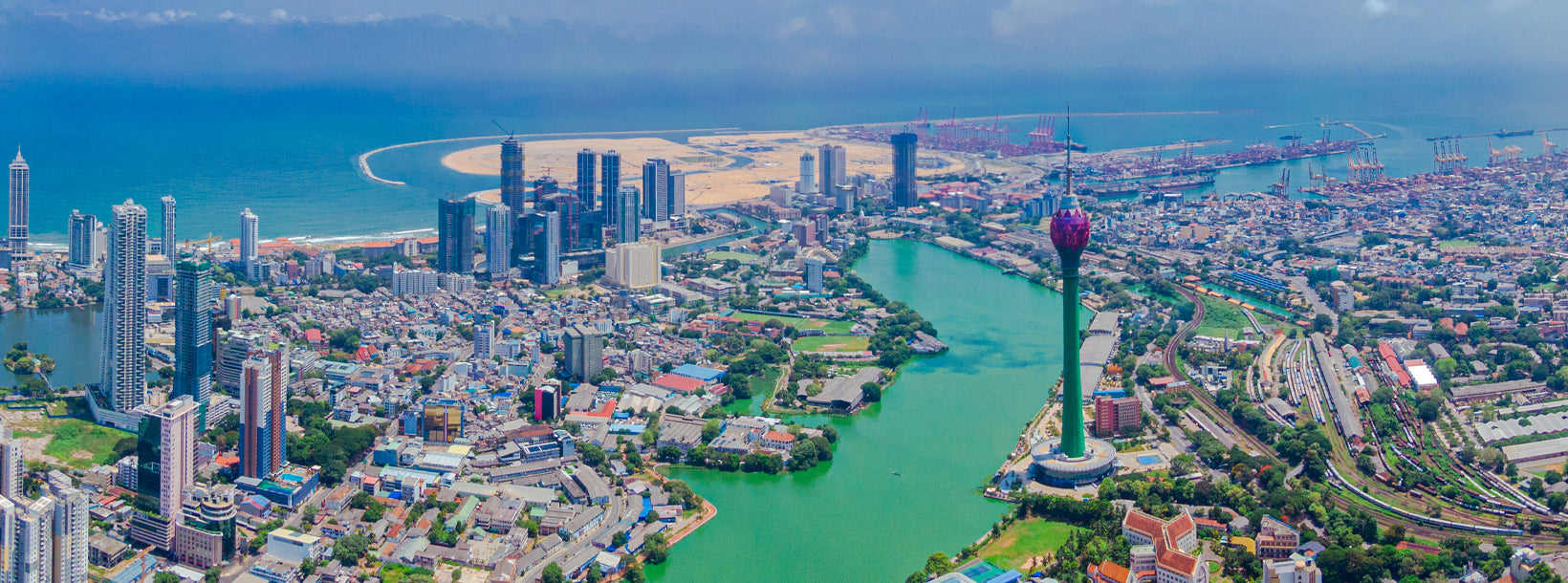
Crow Island sits along the northern coastline of Colombo, where the city's edge meets the Indian Ocean in an unhurried, community-oriented way. It is not a remote tropical escape — it is something more practical and, for many, more valuable: a coastal public space within easy reach of the capital, where residents and visitors alike can step away from urban noise without stepping out of the city altogether.
What is Crow Island and where exactly is it?
Crow Island is a beach and promenade area located in the Mattakkuliya neighbourhood, on Colombo's northern seafront. It lies roughly between the Port of Colombo to the south and the fishing communities of Modera to the north. The location places it within a short drive or tuk-tuk ride from Colombo Fort, making it one of the most accessible stretches of coastline in the entire Western Province.
Despite sharing a coastline with a working port city, the beach retains a distinct character — open, breezy, and oriented toward everyday leisure rather than resort tourism. A Colombo city tour that includes the northern waterfront will often pass through this area, giving visitors a glimpse of how the capital lives alongside its sea.
What can you do at Crow Island?
The primary draw is the promenade — a wide, paved walkway running parallel to the shoreline. Early mornings bring joggers, walkers, and cyclists who come before the heat builds. Evenings attract a broader crowd: families with children, couples, and small groups who settle onto the benches and low walls to catch the sea breeze.
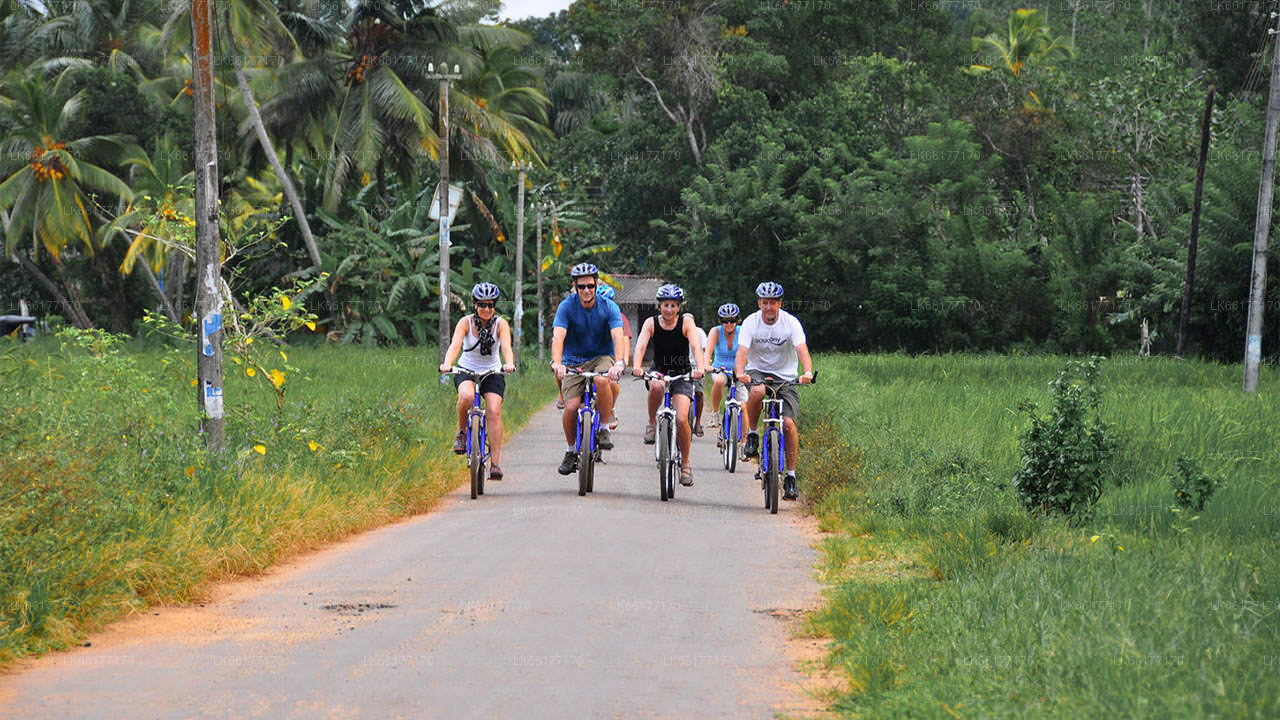
- Walking and cycling: The flat promenade is well-suited for both, with enough length to make a proper circuit.
- Sunset watching: As the sun descends over the ocean, the sky often shifts through deep orange and pink tones. This is the most photographed moment at Crow Island, and for good reason.
- Street food: Vendors set up near the beach in the late afternoon and evening, offering local snacks — fried items, corn, fruit — that fit the relaxed mood of the place.

- Children's play areas: Designated open spaces allow children room to move, making this a practical destination for families staying in Colombo.
- Birdwatching: The shoreline and nearby trees attract coastal bird species, particularly in the early morning, making it quietly rewarding for those who pay attention.
Swimming is generally not recommended at Crow Island. The currents can be unpredictable, and the beach is not patrolled or designated as a safe swimming zone. The value here lies in the atmosphere and accessibility, not the water itself.
How do I get to Crow Island from central Colombo?
From Colombo Fort, Crow Island is typically reachable in 20 to 30 minutes by road, depending on traffic. A tuk-tuk is the most convenient option for independent travellers and can be arranged easily from most central hotels. Private car hire with a driver is equally straightforward and more comfortable in peak-hour conditions. Public buses also serve the Mattakkuliya area, though routes can be harder to navigate for first-time visitors.
Parking is available near the beach for those arriving by car, though space can be limited on weekends and public holidays when local crowds are larger.
When is the best time to visit Crow Island?
The beach is pleasant year-round, but early morning and late afternoon visits tend to be the most comfortable in terms of temperature. Midday sun in Colombo can be intense, particularly between November and April when the western coast experiences its dry season and clearer skies.
Weekday mornings offer the quietest experience. Weekends and public holidays draw larger local crowds, which adds energy to the atmosphere but reduces the sense of solitude. The sunset period — roughly an hour before and after dusk — is consistently the most active time of day regardless of season.
During the south-west monsoon (typically May to September), the sea becomes rougher and the sky more overcast, but the promenade remains usable and the dramatic weather can make for compelling photography.
How does Crow Island fit into Colombo's coastal development?
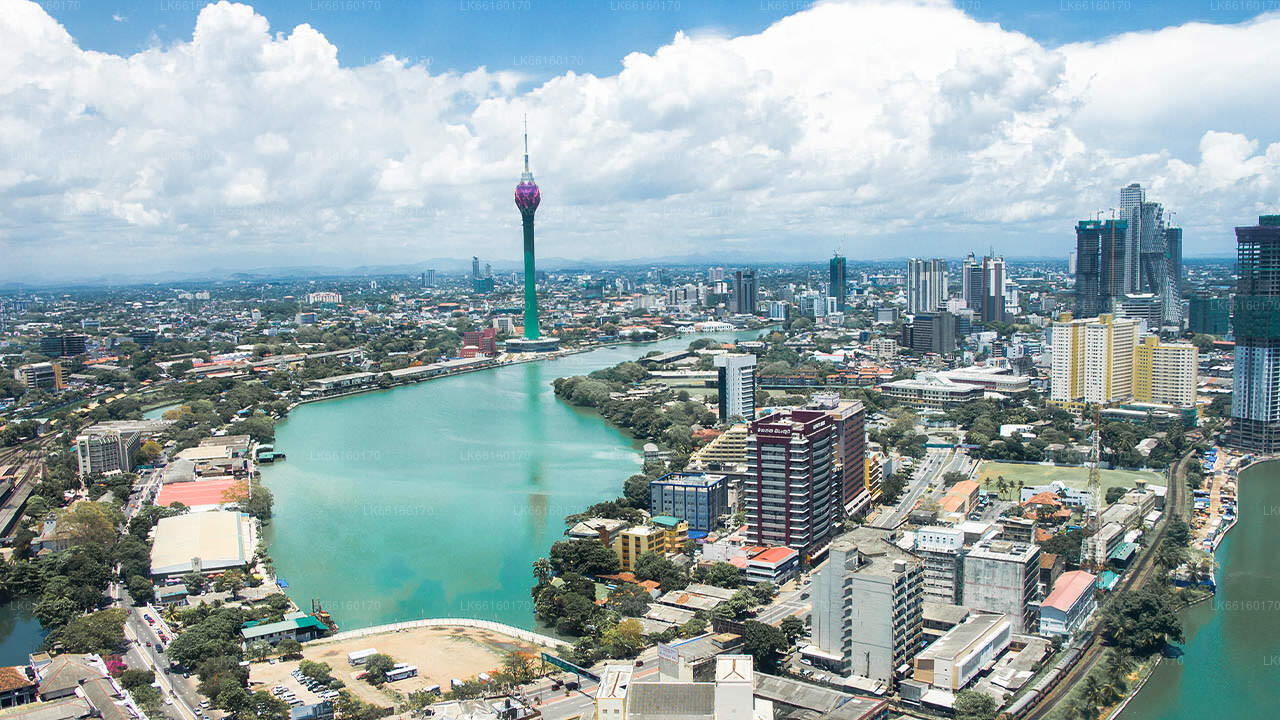
Crow Island is part of a broader effort by Colombo's urban planners to reclaim and improve public access to the city's coastline. Landscaping, better lighting, improved road access, and maintained amenities have transformed what was once an informal shoreline into a managed public space. The Colombo Lotus Tower, visible from various points along the northern waterfront, stands as another marker of the city's contemporary development ambitions.
This kind of urban coastal infrastructure is relatively rare in South Asian capitals, and Crow Island reflects a genuine attempt to give city residents meaningful access to the sea — an asset that more remote beach destinations, however beautiful, cannot replicate in terms of daily usability.
What else is worth seeing near Crow Island?
The broader Colombo waterfront offers several points of interest within a short distance. The Colombo Port and its lighthouse are visible from the northern shore. The fishing harbour at Modera provides an unfiltered view of the working maritime life that coexists with the city's more polished developments. Heading south along the coast, the Galle Face Green — Colombo's most well-known urban seafront — offers a more formal promenade experience with food stalls and kite flyers.
For travellers with more time in the region, the coastal road north of Colombo leads toward Negombo, a town with a long fishing heritage, a Dutch-built canal system, and its own stretch of beaches. The Negombo city tour covers many of these highlights in a structured half-day format.
Is Crow Island suitable for international tourists?
Crow Island is primarily a local destination, and that is exactly what makes it worth visiting for travellers who want to see Colombo as it actually functions rather than as it presents itself to tourism. There are no entry fees, no guided tour requirements, and no curated experiences — just a publicly accessible stretch of coast used by ordinary city residents.
For international visitors, the best approach is to treat it as a complement to other Colombo sightseeing rather than the main event. A late afternoon visit, followed by watching the sunset and sampling street food from the vendors, offers an authentic and low-pressure introduction to how the capital meets the sea. It pairs naturally with a broader day of city exploration that might include the Pettah markets, the National Museum, or the Colombo Fort district.