Britische Kolonialarchitektur

Britische Kolonialarchitektur Britische Kolonialarchitektur Britische Kolonialarchitektur

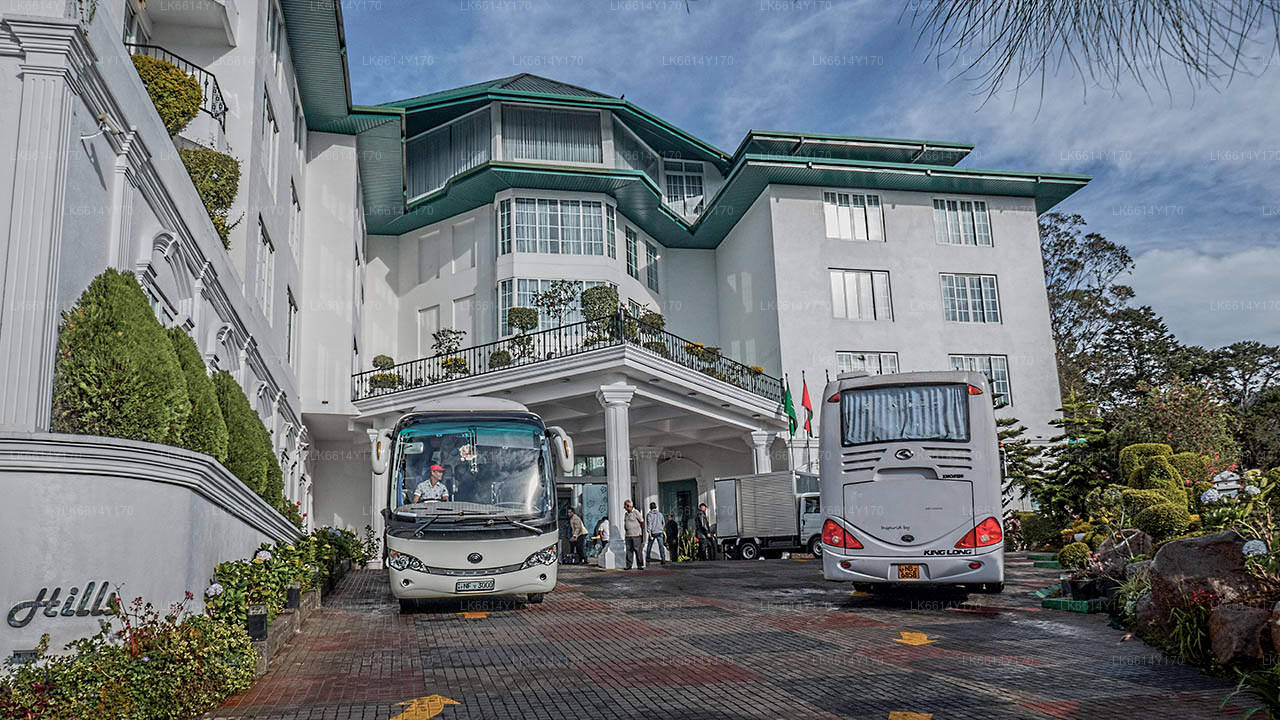
Die britische Kolonialarchitektur in Colombo veranschaulicht den Wandel der Hauptstadt während der britischen Herrschaft von einer bescheidenen Hafenstadt zu einem florierenden Verwaltungs- und Handelszentrum. Die Gebäude der Stadt aus der Kolonialzeit spiegeln neoklassische und viktorianische Stile wider, die an tropische Bedingungen angepasst wurden und ein bleibendes Erbe in Sri Lankas Stadtlandschaft darstellen.

Diese Bauwerke zeichnen sich durch prächtige Fassaden, Säuleneingänge, Bogenfenster und hohe Decken aus. Viele wurden aus Ziegeln und Stein errichtet und verbinden Funktionalität mit Eleganz. Berühmte Beispiele sind das alte Parlamentsgebäude, der Bahnhof Colombo Fort , die Gebäude von Cargills & Millers und das Hauptpostamt, die auch heute noch öffentlichen und denkmalgeschützten Zwecken dienen.

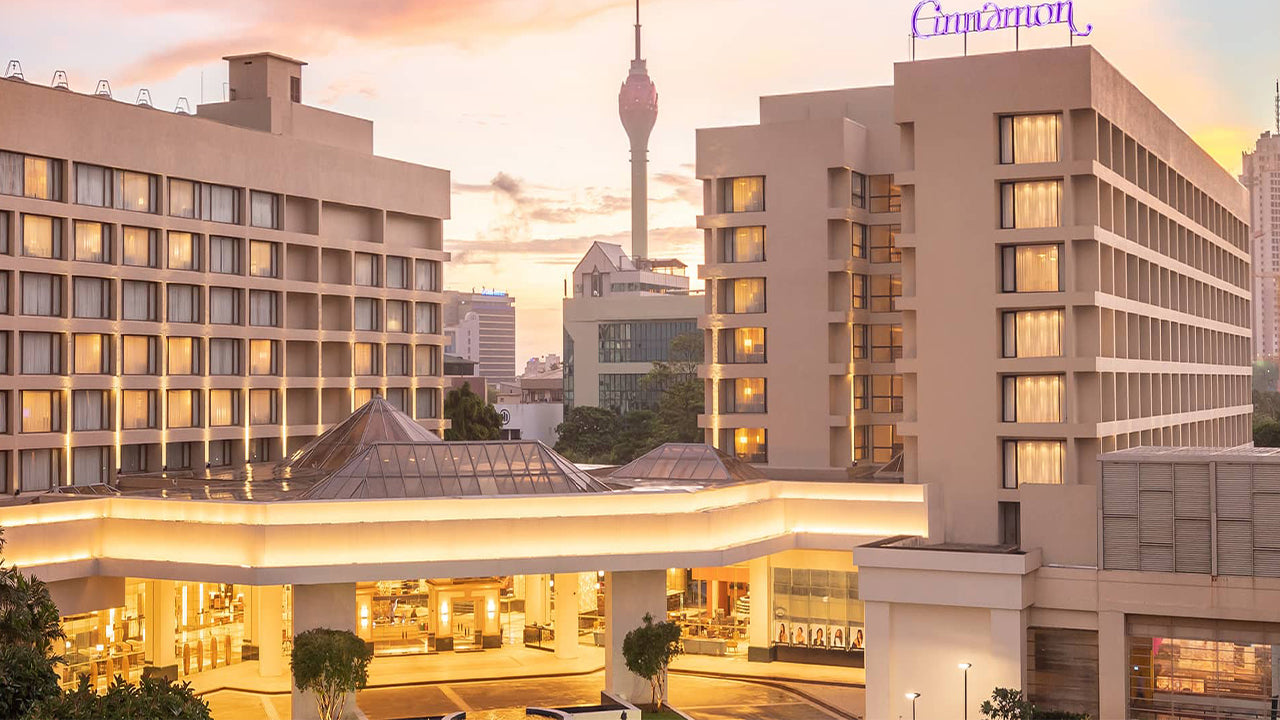
Die Erkundung der Fort- und Pettah -Viertel von Colombo bietet Besuchern eine Reise durch die Zeit. Führungen beleuchten die architektonische Pracht und die Kolonialgeschichte. Viele Gebäude beherbergen heute Regierungsbüros, Luxushotels und Kultureinrichtungen und verbinden so im Herzen der Stadt Denkmalschutz mit modernem Nutzen.

Die beste Reisezeit für Colombo , um die Architektur zu erkunden, ist von Dezember bis April, wenn das Wetter trocken und angenehm ist. Colombos Kolonialstätten sind leicht per Straße und Bahn erreichbar und bieten Einblicke in den Einfluss der britischen Ära auf das Stadtbild und die Identität der Hauptstadt Sri Lankas .

Britische Kolonialarchitektur Britische Kolonialarchitektur Britische Kolonialarchitektur

About Colombo District

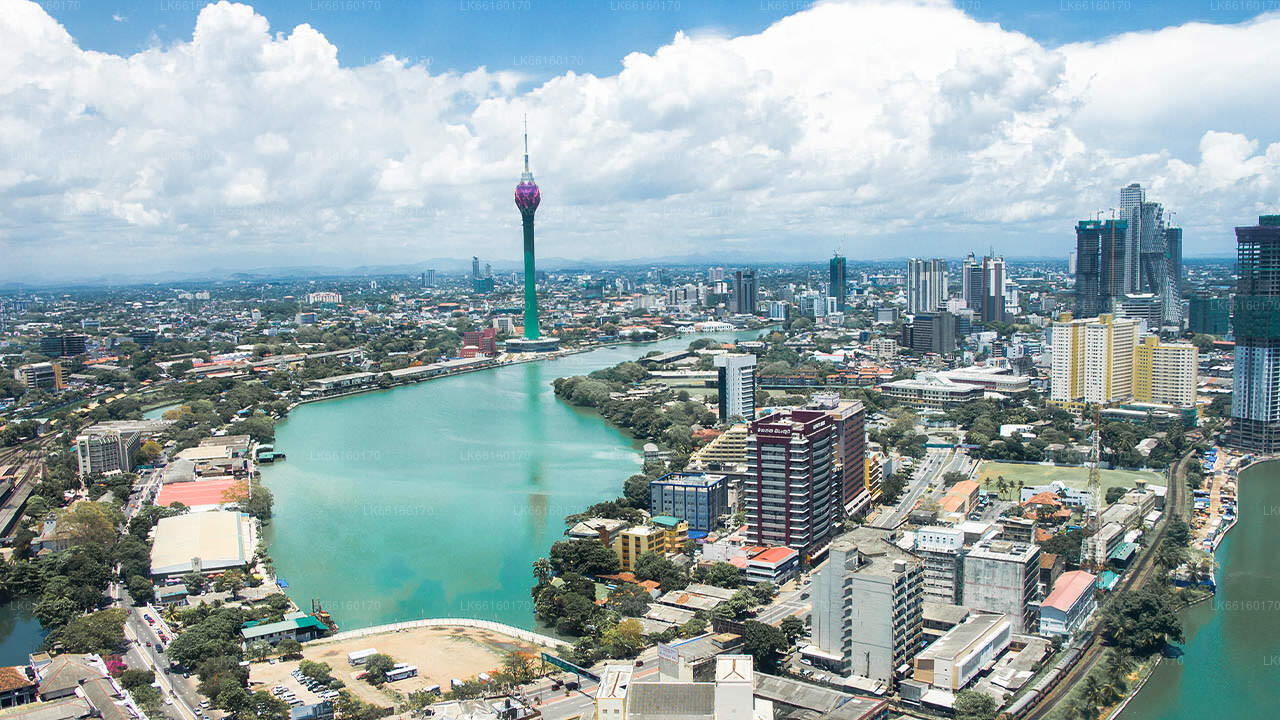
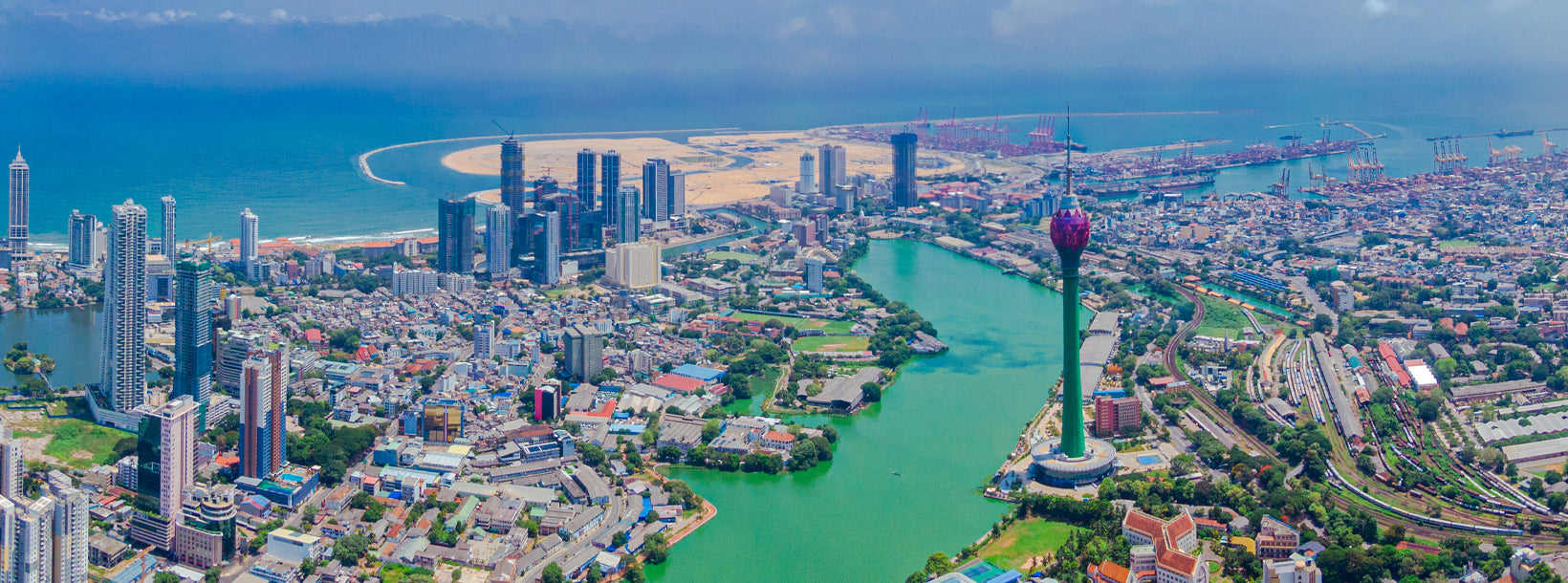
Colombo is the largest city and commercial capital of Sri Lanka. It is located on the west coast of the island and adjacent to Sri Jayewardenepura Kotte, the capital city of Sri Lanka. Colombo is a busy and vibrant city with a mixture of modern life and colonial buildings and ruins and a city population of 647,100.The Colombo Metropolitan Region, defined by the districts of Colombo, Gampaha and Kalutara, has an estimated population of 5,648,000, and covers an area of 3,694.20 km²

Colombo is a multi-ethnic, multi-cultural city. It is the most populous city in Sri Lanka, with 642,163 people living within the city limits. The population of Colombo is a mix of numerous ethnic groups, mainly Sinhalese, Moors and Tamils. There are also small communities of people with Chinese, Portuguese, Dutch, Malay and Indian origins living in the city, as well as numerous European expatriates.

The great majority of Sri Lankan corporations have their head offices in Colombo. Some of the industries include chemicals, textiles, glass, cement, leather goods, furniture, and jewellery. In the city center is located South Asia's second tallest building - The World Trade Centre.

About Western Province

The Western Province is the most densely populated province of Sri Lanka. It is home to the legislative capital Sri Jayawardenepura Kotte as well to Colombo, the nation's administrative and business center. Western Province is divided into 3 main districts called Colombo (642 km²), Gampaha (1,386.6 km²) and Kalutara (1,606 km²) districts. As Sri Lanka's economic hub, all the major local and international corporations have their presence in the city and so do all the major designer and high street retailers, so be ready to indulge in some retail therapy in western province.

Having the highest population in the all the provinces, the almost all the premier educational institutions in the island are located in western province. Universities in the province include the University of Colombo, the University of Sri Jayewardenepura, University of Kelaniya, Open University, Sri Lanka, Buddhist and Pali University of Sri Lanka, General Sir John Kotelawala Defence University and University of Moratuwa .Western province has the largest amount of schools in the country, which includes National, Provincial, Private and International schools.