Polonnaruwa City
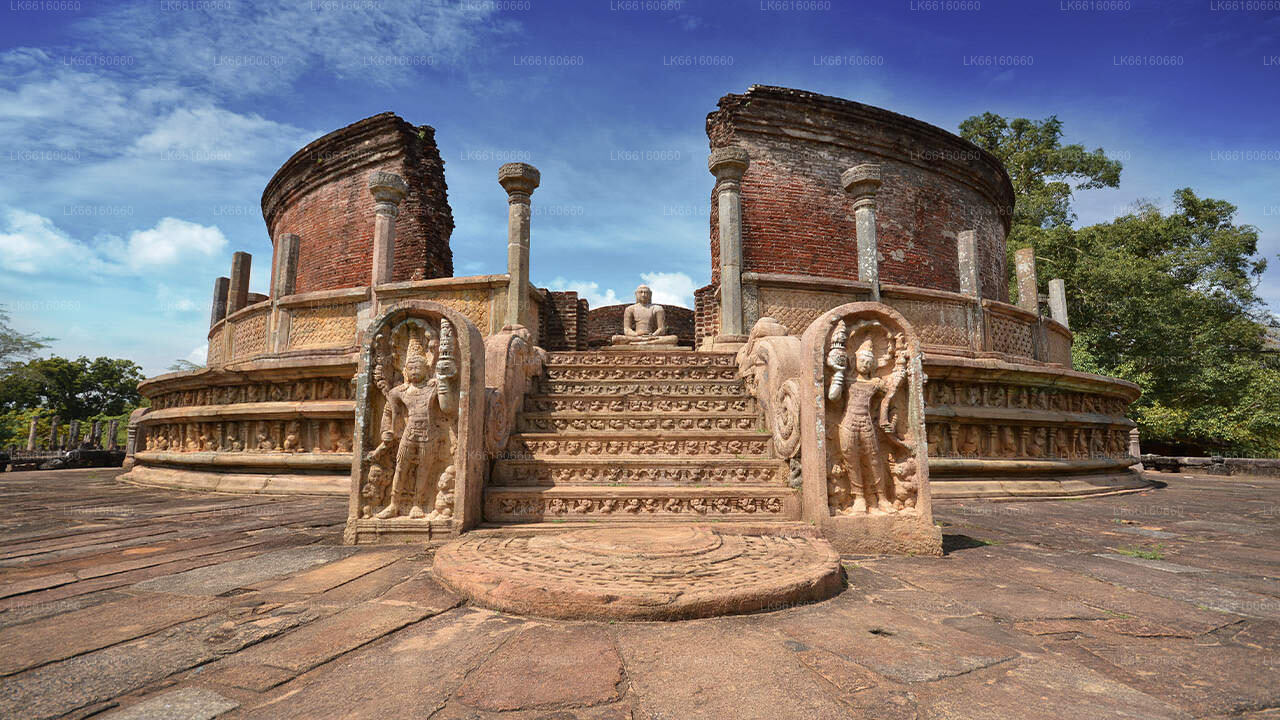
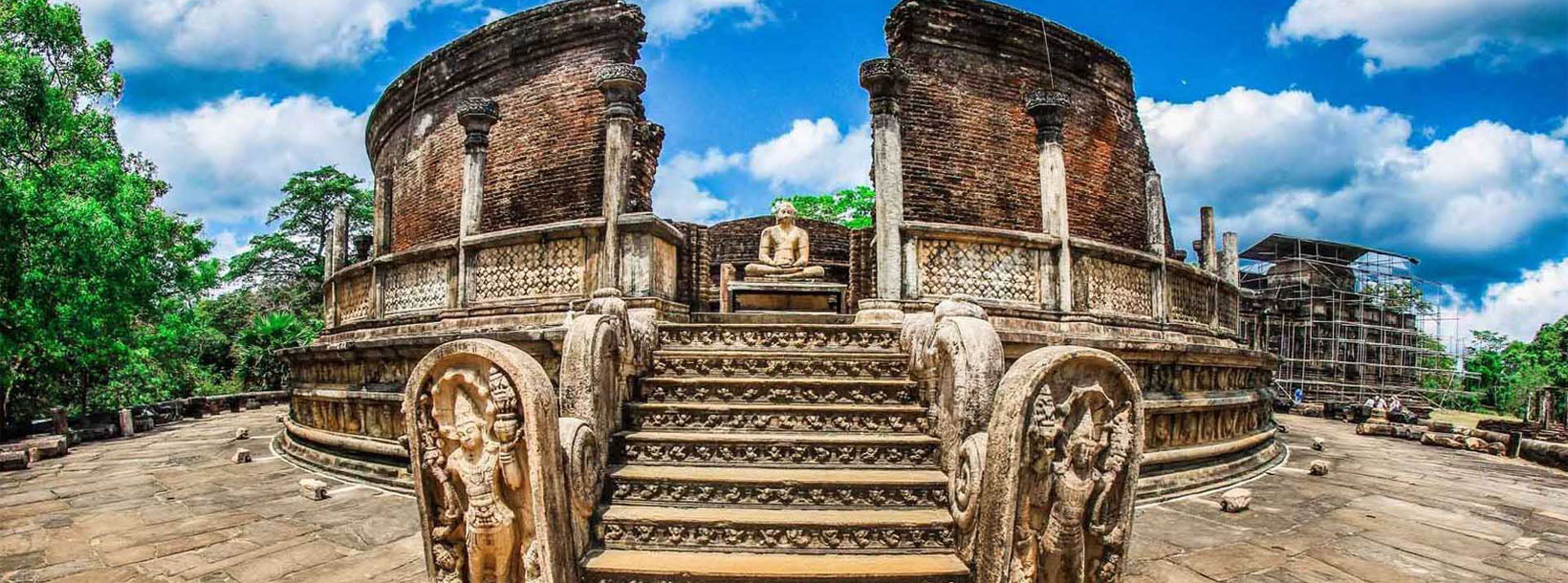
Polonnaruwa, a UNESCO World Heritage Site in Sri Lanka, was the country's medieval capital (11th-13th century). Renowned for its well-preserved ruins, including the iconic Gal Vihara statues, it showcases impressive architecture, reflecting the grandeur of the ancient Sinhalese civilization.
Somawathiya Stupa
Somawathiya Stupa er en vigtig buddhistisk stupa beliggende i Østprovinsen på Sri Lanka, nær byen Polonnaruwa. Det er et af øens mest ærværdige hellige steder, og det menes at huse en relikvie af Buddha, specifikt hans højre tand. Stupaen er et ikonisk symbol på Sri Lankas buddhistiske arv og et fokuspunkt for pilgrimsrejser og tilbedelse.
Stupaen blev bygget under kong Mahasena's regeringstid i det 3. århundrede f.Kr., og den er designet i den traditionelle kuppelform med et centralt relikviekammer og omkringliggende stenstier. Stupaens navn "Somawathiya" stammer fra månen, da det er forbundet med månens cyklus og historisk har været knyttet til den fulde måne-dag i måneden. Dens fredfyldte beliggenhed midt i den frodige grønne natur øger dens åndelige betydning.
Besøgende til Somawathiya Stupa kan udforske de rolige omgivelser, herunder gamle stenhuggede indskrifter, inskriptioner og rester af buddhistiske klosterkomplekser. Det er et vigtigt sted for dem, der ønsker at forbinde sig med Sri Lankas buddhistiske historie og spiritualitet. Stupaen er også et sted for kulturel betydning, med regelmæssige religiøse ceremonier og ritualer, der finder sted året rundt.
Den bedste tid at besøge Somawathiya Stupa er i tørketiden, fra december til april, når vejret er mest gunstigt for udendørs udforskning. Stupaen er let tilgængelig og tilbyder en meningsfuld rejse ind i Sri Lankas rige buddhistiske traditioner og arkæologiske arv.
About Polonnaruwa District
Polonnaruwa is the 2nd largest city in north central province in Sri Lanka. The ancient city of Polonnaruwa has been declared a World Heritage site by UNESCO Polonnaruwa has a great history of conquest and struggle behind it and rightfully forms the third element in the Cultural Triangle. Located about 140 kms north east from Kandy,Polonnaruwa offers hours of endless pleasure for history and culture lovers, as there are numerous sights of significance.
Much of the physical ruins standing today are credited to King Parakrama Bahu I who spent many royal resources on town planning, including parks, edifices, irrigation systems and so on. The period of his rule is considered a golden age where the kingdom thrived and prospered under a visionary ruler. The Parakrama Samudra is a mammoth tank and named after its patron. The popular kings Royal Palace, the Audience Hall encircled by beautifully carved stone elephants and the Bathing Pool reflect the superior engineering capabilities of the time.
About North Central Province
North Central Province which is the largest province in the country covered 16% of total country's land area. North Central Province consist two districts called Polonnaruwa and Anuradhapure. Anuradhapura is the largest district in Sri Lanka. Its area is 7,128 km².
North Central Province has numerous potentials for Investors to start their Businesses, especially Agriculture, agro based industries and Livestock sectors. More than 65% of North Central Province's people depend on basic Agriculture and agro base industries. NCP also called "Wew Bendi Rajje" because there are more than 3,000 medium and large scale tanks situated in the province. Sri maha bodiya, Ruwanweli seya, Thuparama dageba, Abayagiri Monastry, Polonnaruwa Rankot wehera, Lankathilake are scared