Nagadeepa Viharaya

Nagadeepa Viharaya Nagadeepa Viharaya Nagadeepa Viharaya

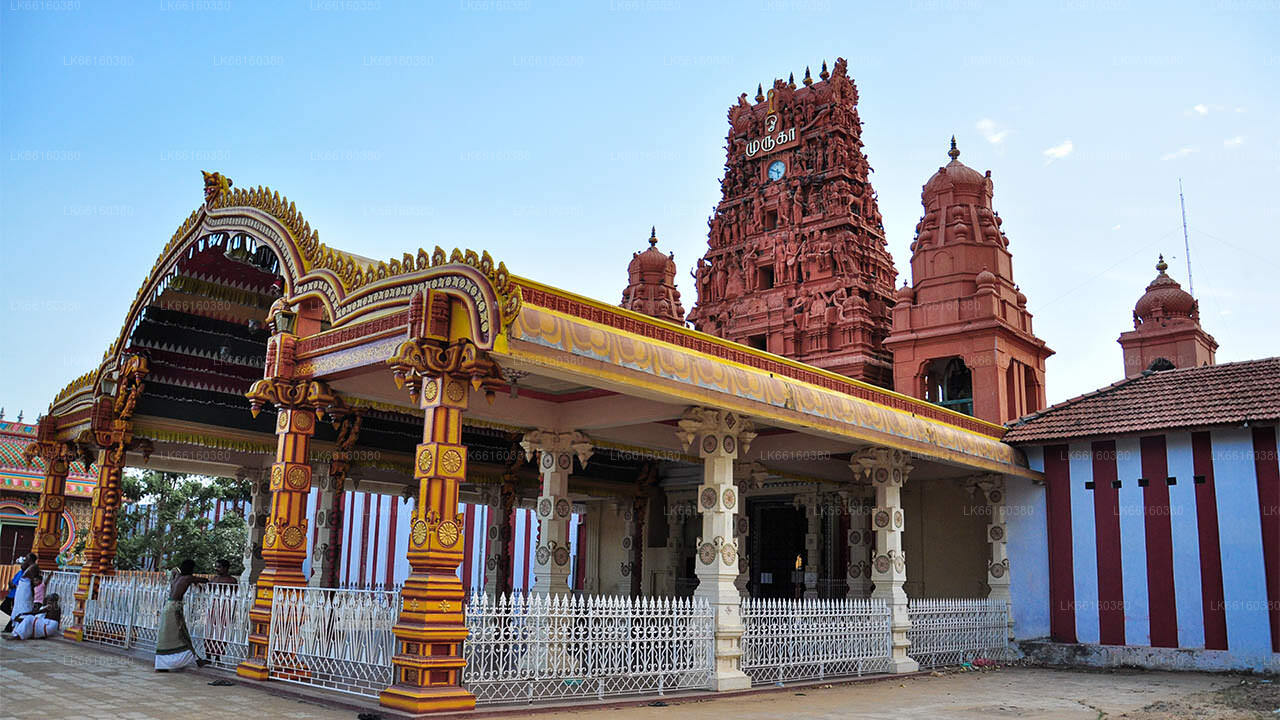
Nagadvipa er kun cirka 35 miles fra Indien og den mindste ø i Golfen af Mannar. Handelsfolk har længe kommet her og til de omkringliggende øer for at købe konkeskaller, der høstes i de varme lavvandede farvande i golfen. Konkeskallen er selvfølgelig nødvendig til visse hinduistiske og buddhistiske ritualer, og et særligt perfekt eksemplar af en, der spiralerer til højre, kan opnå en enorm pris. Pilegrimme har også kommet til Nagadvipa (Nainativ) siden det 1. århundrede e.Kr. for at tilbe den berømte Stupa. I Mahavamsa er øen et af de seksten hellige steder, og den tamilske buddhistiske epos, Manimekalai, nævner et ædelstensbesat trone og en sten med Buddhas fodspor indviet i Nagadvipa, som pilegrimme fra Indien kom og tilbad. Hovedpersonen i eposet beskrives som at vandre blandt øens 'lange sandede klitter og laguner'.

Dog på begge sider af indgangen til templet er der to meget gamle genstande. På venstre side, når du går ind, er der en stor sten med en indskrift af Parakramabahu I på. I første del af denne indskrift siger kongen, at fremmede, der kommer ind i landet, kun skal komme ind ved Uraturai (Kayts), og at de skal hjælpes, hvis de er i nød. Dette henviser uden tvivl til handelsfolk og pilegrimme fra Indien. Den anden del siger, hvilke foranstaltninger der skal tages, hvis skibe, der transporterer elefanter eller heste og handelsskibe, er forlist. På højre side af indgangen er der en stor livredderformet sten, en gammel anker. Arabiske skibe brugte at bære sådanne ankere. Mindre end en halv kilometer ned ad vejen fra templet er Nagadvipa Vihara, der markerer det sted, hvor Buddha angiveligt opholdt sig under sit besøg på den lille ø. På den ene side af vejen er Bodhi-træet, og på den anden side er den sølvmalede Stupa. Der er også to templer, et af dem indeholder en bronzestatue af Buddha, som blev doneret af den burmesiske regering i 1956. Der er intet på Nagadvipa, der har nogen æstetisk eller historisk interesse, undtagen indskrifterne; alt er bygget i 1950'erne.

Nagadeepa Viharaya Nagadeepa Viharaya Nagadeepa Viharaya

About Jaffna District

Jaffna is the capital city of the Northern Province, Sri Lanka. 85% of the populations of the Jaffna and Kilinochchi districts are Hindus. The Hindus follow the Saivite tradition. The remainders are largely Roman Catholics or Protestants, some of whom are descendants of colonial settlers, known as Burghers. The Tamils are divided along caste lines, with the farmer-caste Vellalar forming the majority. Sea products, red onion, and tobacco are the main products in Jaffna.

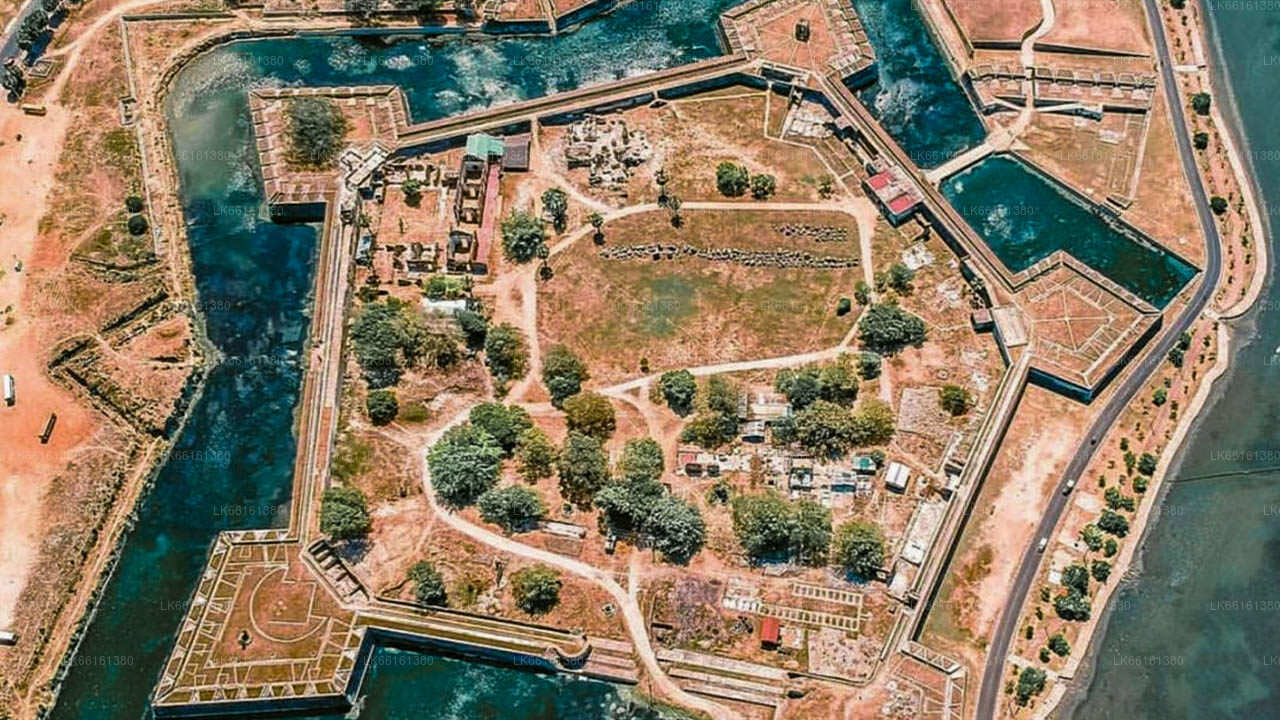
Jaffna is home to beautiful Hindu temples. An Old Dutch Fort still stands well preserved within which is an old Church. Another example of Dutch architecture is the King's House. No visit to Jaffna is complete without tasting the exquisite Jaffna mango, reputed for its sweetness. About 3 km away is the majestic Nallur Kandaswamy Temple, home to the largest religious festival in Jaffna. The Kayts Harbour is an ancient ship docking site in the Jaffna region.

About Northern Province

The Northern Province is one of the 9 provinces of Sri Lanka. The provinces have existed since the 19th century but they didn't have any legal status until 1987 when the 13th Amendment to the 1978 Constitution of Sri Lanka established provincial councils. Between 1988 and 2006 the province was temporarily merged with the Eastern Province to form the North-East Province. The capital of the province is Jaffna.

Northern Province is located in the north of Sri Lanka and is just 22 miles (35 km) from India. The province is surrounded by the Gulf of Mannar and Palk Bay to the west, Palk Strait to the north, the Bay of Bengal to the east and the Eastern, North Central and North Western provinces to the south.The province has a number of lagoons, the largest being Jaffna Lagoon, Nanthi Kadal, Chundikkulam Lagoon, Vadamarachchi Lagoon, Uppu Aru Lagoon, Kokkilai lagoon, Nai Aru Lagoon and Chalai Lagoon.Most of the islands around Sri Lanka are to be found to the west of the Northern Province. The largest islands are: Kayts, Neduntivu, Karaitivu, Pungudutivu and Mandativu.

The Northern Province's population was 1,311,776 in 2007. The majority of the populations are Sri Lankan Tamils, with a minority Sri Lankan Moor and Sinhalese population. Sri Lankan Tamil is the major language spoken in the province by the vast majority of the population. The other language spoken is Sinhala by 1 percent of the population. English is widely spoken and understood in the cities.