Viharamahadevi Park sits at the heart of Colombo 7, occupying a green expanse that has shaped the city's civic life for well over a century. Bounded by the colonial-era Town Hall, the National Museum, and the Colombo Public Library, it is both a neighbourhood retreat and a living record of Sri Lanka's layered history — British, wartime, post-independence, and modern all at once.
What is the history of Viharamahadevi Park?
The park was established during British rule on land donated to the city of Colombo by Charles Henry de Soysa, a prominent local philanthropist. It was named Victoria Park in honour of Queen Victoria and quickly became the centrepiece of the colonial city's green belt.
During World War II the grounds were requisitioned by the British Army and served as a base for the Australian 17th Brigade. When the war ended, the park was gradually restored and reopened to the public in 1951. At that point the government renamed it Viharamahadevi Park, after the ancient Sinhalese queen who was the mother of King Dutugamunu — one of the most celebrated rulers in Sri Lankan history. The renaming was a deliberate act of reclaiming the city's pre-colonial identity.
Where is Viharamahadevi Park located?
The park occupies a central position in the Cinnamon Gardens neighbourhood of Colombo 7, one of the city's most graceful residential and civic districts. The Town Hall faces it directly from the north, the National Museum borders it to the east, and the Colombo Public Library stands nearby. This cluster of institutions makes the surrounding few blocks one of the most walkable heritage corridors in the capital.
For visitors arriving from elsewhere in the city, the park is easily reached by taxi, tuk-tuk, or the app-based ride services that operate throughout Colombo. If you are already exploring the broader city, a Colombo city tour typically includes a stop in this neighbourhood.
What did the park look like before its renovation?
For much of the late twentieth century, Viharamahadevi Park was well loved but showing its age. The grounds were largely woodland with trees spaced loosely, paths winding without clear design, and grass and undergrowth that outpaced the groundskeepers. A small lake with a deteriorating bridge occupied part of the space. Near one of the three entrances stood a modest amusement area — a merry-go-round, bumper cars, and the kind of fair food that drew Colombo's children on weekend evenings.
As screens and technology drew families indoors through the 1990s and 2000s, footfall declined noticeably. The rides fell quiet, the avenues emptied, and the park began to feel neglected.
What changed after the 2013 renovation?
The turning point came in 2013, when Colombo hosted the 23rd Commonwealth Heads of Government Meeting (CHOGM). The government undertook a wide-ranging programme of urban improvement across the city, and Viharamahadevi Park was one of the principal beneficiaries. Landscaping was restructured, pathways were repaved, the lake was cleaned and the bridge repaired, and new planting — including colourful flowerbeds and manicured lawns — replaced the overgrown scrub.
Since then the park has continued to receive attention and investment. It now functions as a genuinely pleasant green space rather than a forgotten corner of the city, and weekend mornings see families, joggers, school groups, and visitors sharing the grounds in comfortable numbers.
What can you see and do at Viharamahadevi Park?
- The lake and fountain: The renovated lake at the park's centre features a working fountain and is a focal point for an early-morning or late-afternoon walk.
- Children's play areas: Modern play equipment has replaced the old amusement rides, making the park a practical destination for families with young children.
- Botanical plantings: Flower gardens, ornamental trees, and well-maintained lawns give the park a gentler, more curated feel than it had in earlier decades.
- Open-air exercise: A jogging track and open lawns draw fitness-conscious Colombo residents throughout the week.
- Cultural events: The park occasionally hosts public concerts, national day celebrations, and community festivals, particularly around Sinhala and Tamil New Year.
What is around Viharamahadevi Park worth visiting?
The neighbourhood rewards a slow walk. The Colombo National Museum — one of the finest collections of Sri Lankan antiquities, including regalia from the Kandyan kingdom — is directly adjacent and merits at least two hours. The Town Hall, built in a neo-classical style during the early twentieth century, is frequently photographed from the park's northern edge. The Colombo Public Library and the Lionel Wendt Theatre, a landmark arts venue, are both within a short walk.
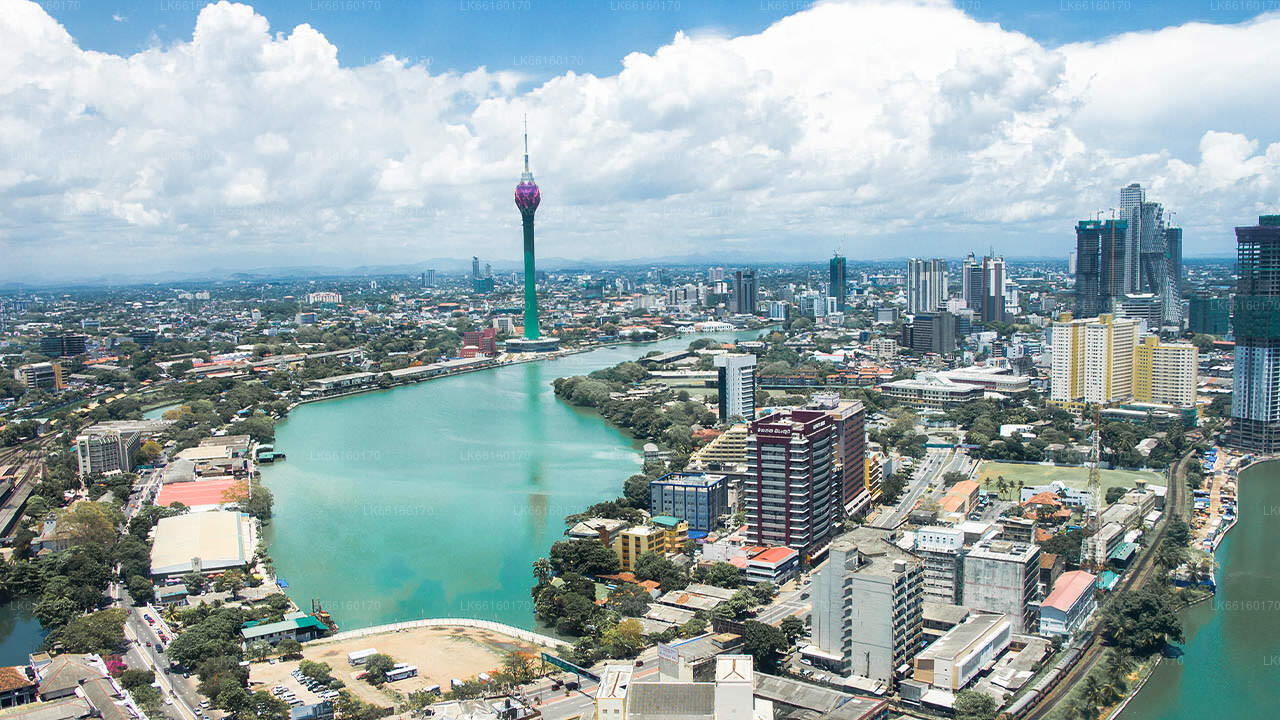
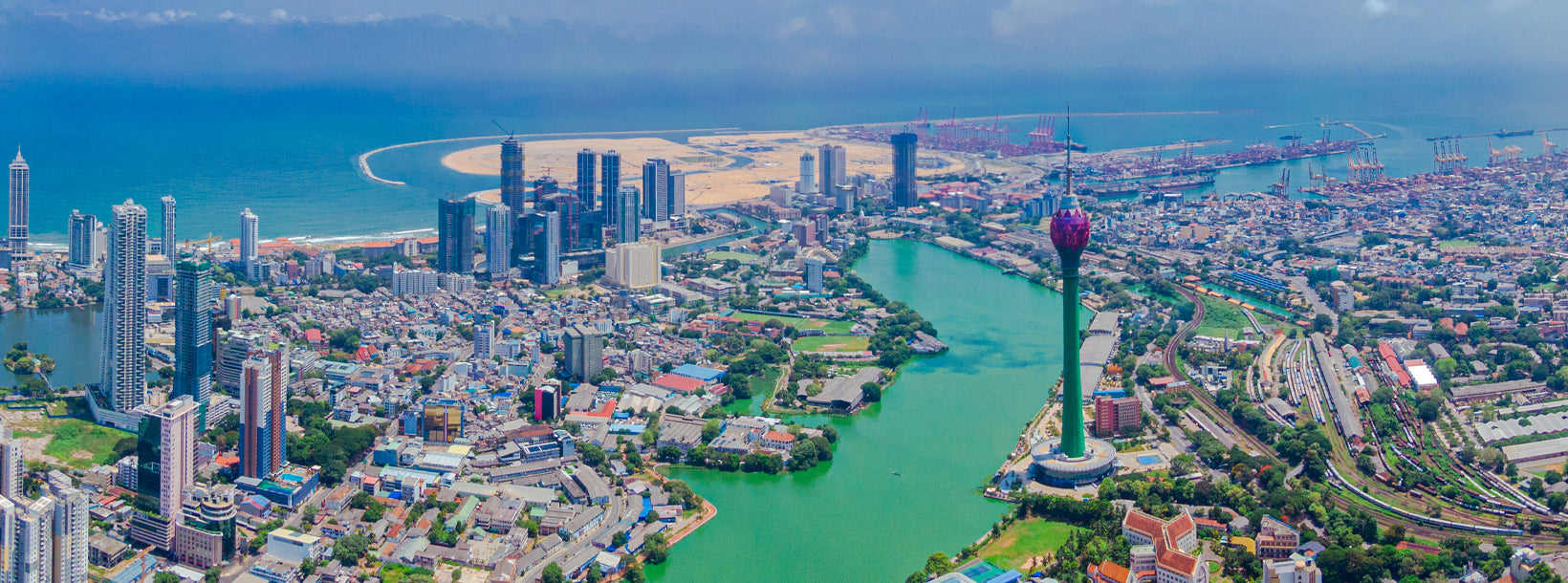
Further afield, the Colombo Lotus Tower — visible from many points in the city — is among the more recently developed landmarks worth adding to an afternoon itinerary.
When is the best time to visit Viharamahadevi Park?
The park is open year-round. Early mornings between roughly 6 a.m. and 8 a.m. are the quietest and coolest, popular with joggers and those seeking a contemplative start to the day. Weekends, particularly Sunday mornings, bring the most activity and the widest cross-section of Colombo life. Midday in the dry season (roughly December to April on the west coast) can be hot; the tree canopy provides reasonable shade, but an early or late visit is more comfortable. The park is particularly lively around national holidays and cultural events.
How does Viharamahadevi Park fit into a broader Colombo itinerary?
Most travellers visit the park as part of a half-day in Colombo 7 combined with the National Museum and a walk through the Cinnamon Gardens streets. It pairs naturally with a visit to Pettah Market or the Fort district for a full-day city programme. For those with more time, Colombo serves as a gateway to Sri Lanka's interior — the Cultural Triangle sites of Sigiriya and Polonnaruwa are accessible on day trips or as part of a longer tour, and the hill country and national parks lie a few hours beyond.
Is there an entry fee for Viharamahadevi Park?
As of the most recent available information, the park does not charge a general admission fee and is open to all visitors during its operating hours. Specific attractions or events within the grounds may have their own ticketing — it is worth confirming locally before visiting.