Lakpura
Lakpura®

Old Town Hall, Colombo

Hidden in plain sight among the crowded streets of Pettah, the Old Town Hall is one of Colombo's most overlooked heritage buildings. Thousands of people pass its Gothic facade daily without stepping inside — which makes a visit all the more rewarding for those who do. Free to enter and presided over by a single caretaker, this Victorian-era civic building holds a quietly eccentric collection of colonial artifacts, life-sized wax figures, and photographs that offer a vivid window into the administrative life of early Colombo.

What is the history of the Old Town Hall in Colombo?

The Old Town Hall was built in 1873, making it the first civic building to be formally opened in Colombo. It was designed by British architect J. G. Smither, who went as far as commissioning bespoke furniture to complement the interior. For over fifty years it served as the seat of the Colombo Municipal Council, hosting formal council sessions and civic administration in what was then a rapidly growing colonial port city.

Adjacent to the main hall stood Edinburgh Hall, built at the same time and sharing the same decorative vocabulary — filigreed cast-iron detailing, tall Gothic-arched windows, and a restrained but imposing facade. Edinburgh Hall functioned as a venue for street plays and dramatic performances, giving the quarter a dual identity as both a seat of governance and a small cultural hub.

In 1925, the municipal headquarters relocated to the current Town Hall beside Viharamahadevi Park, and both the Old Town Hall and Edinburgh Hall fell into prolonged disuse. By 1980 the structure had deteriorated significantly. President Premadasa took note and commissioned a full renovation, completed by 1984, which transformed the Old Town Hall into a heritage attraction. Edinburgh Hall was repurposed as Edinburgh Market, providing covered space for street traders who had previously operated in the open.

What architectural style is the Old Town Hall?

The building belongs to the Gothic Revival style that British colonial architects applied across Ceylon during the latter half of the nineteenth century. Pointed arches frame the tall windows, whose aged glass panes filter daylight into the interior in a way that amplifies the building's atmosphere considerably. The cast-iron detailing on balconies and railings is particularly fine — the kind of craftsmanship that would have been fabricated in Britain and shipped out as prefabricated components. The overall composition sits somewhere between a municipal courthouse and a modest English country church, a hybrid that reads as slightly incongruous but quietly dignified against the chaos of Pettah around it.

What can you see inside the Old Town Hall?

Entry is free and informal — visitors simply knock and are admitted by the building's caretaker, who will guide them through the space. The ground floor retains some active use for government meetings; rooms on this level are plainly furnished and noticeably cleaner than the rest of the building.

The upper floor is where the building becomes genuinely memorable. A large conference room contains a long central table around which fifteen life-sized wax figures are seated, each dressed in period suits and carrying a name card. On closer inspection the figures are somewhat dusty and the name cards carry an occasional surprise — including, reportedly, one bearing the name W. Shakespeare. Some figures wear incongruously colourful neckties, which adds an unintended note of surrealism to an already unusual tableau.

Beyond the council chamber, the upper floor holds additional life-sized statues representing servants and butlers, a selection of oil paintings, and old photographs documenting Colombo's colonial-era built environment and civic life. The windows on the upper floor offer elevated views over the rooftops of Pettah — a perspective that is itself worth the short climb.

  • Life-sized wax figures of former council members around an original conference table
  • Oil paintings and historical photographs of colonial Colombo
  • Period furniture designed by architect J. G. Smither
  • Rooftop views over Pettah from the upper-floor windows
  • Architectural details including cast-iron balustrades and Gothic window frames

Where exactly is the Old Town Hall, and how do I get there?

The Old Town Hall stands in Pettah, Colombo's oldest commercial district, a short distance from the Fort railway station and the main bus terminus. Pettah is easily reached from most parts of Colombo by tuk-tuk, city bus, or taxi. Because Pettah's streets are congested and parking is limited, arriving on foot from Fort station — roughly a ten-minute walk — is often the most practical approach.

Detail Information
District Pettah, Colombo
Province Western Province
Entry fee Free
Year built 1873
Architect J. G. Smither
Nearest landmark Colombo Fort railway station (~10 min walk)

What else is worth seeing in the same area?

Pettah rewards a longer wander. The Jami Ul-Alfar Mosque — the red-and-white striped structure that appears in most photographic surveys of Colombo — is within walking distance, as is the Dutch Period Museum. Edinburgh Market, the repurposed Edinburgh Hall immediately adjacent to the Old Town Hall, gives a vivid snapshot of informal Sri Lankan street commerce. The district's covered market lanes sell everything from spices to fabrics and are among the most atmospheric streets in the city.

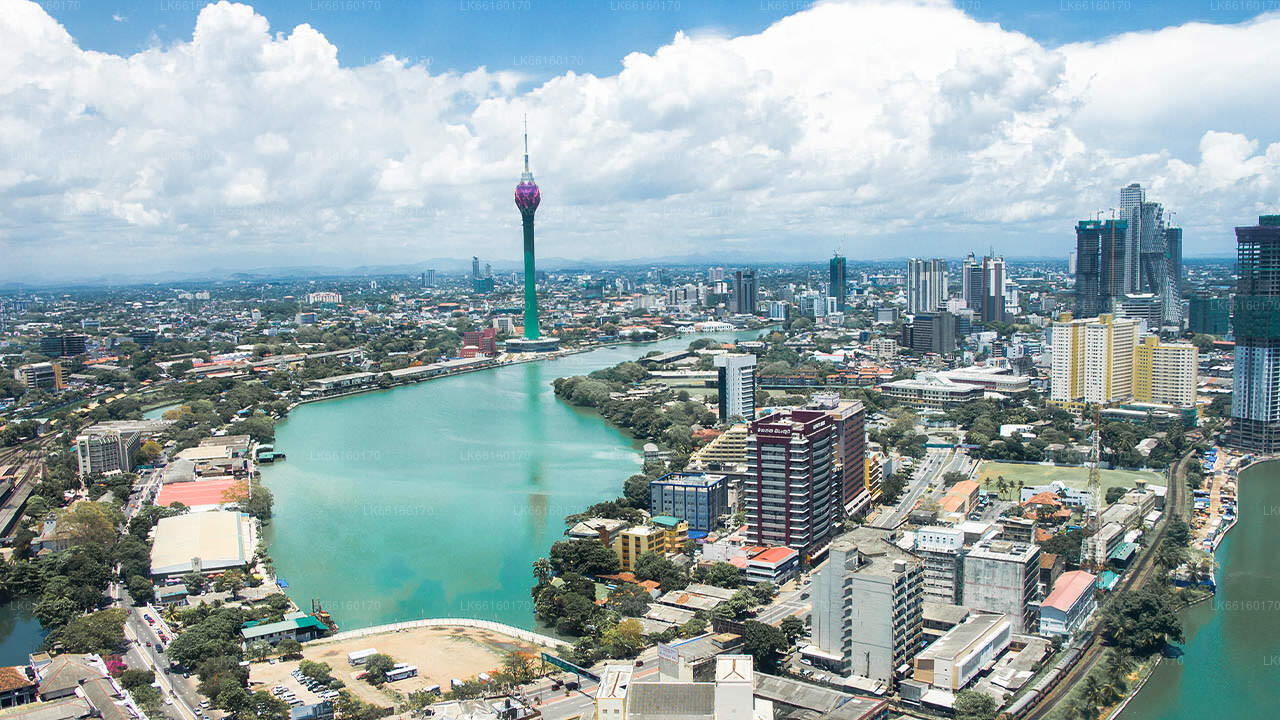
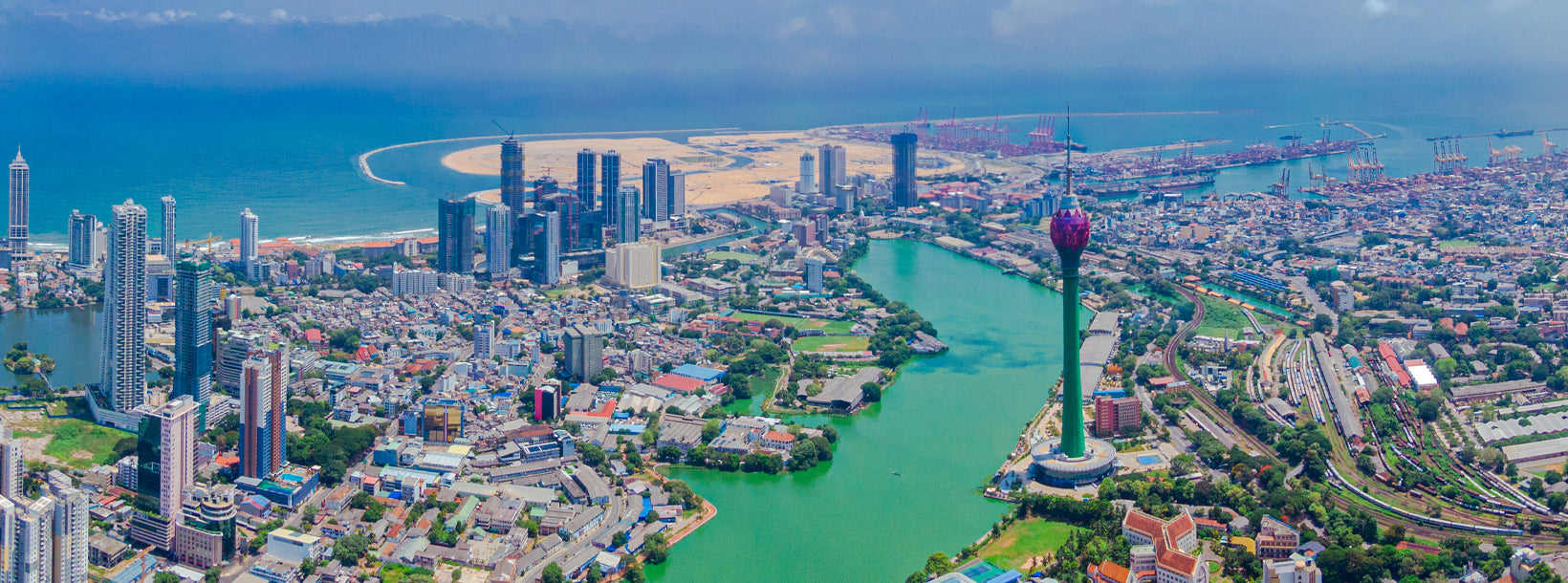
Visitors combining the Old Town Hall with other Colombo landmarks might consider the Colombo Lotus Tower for a contrasting perspective on the city — one colonial, one emphatically contemporary. A half-day that begins in Pettah and ends at the Lotus Tower covers a broad sweep of Colombo's architectural history in a manageable itinerary.

When is the best time to visit the Old Town Hall?

The building is typically accessible on weekday mornings, when the caretaker is most reliably present and foot traffic in Pettah is manageable. Visiting later in the day can mean heavier congestion in the surrounding streets. The Old Town Hall has no climate control, so an early morning visit is also more comfortable during the hotter months between April and September. There is no fixed ticketing or advance booking — it is an informal, walk-in attraction.

Is the Old Town Hall worth visiting for first-time travellers to Colombo?

For travellers who have already covered Colombo's better-known sites, the Old Town Hall offers something genuinely different: an unpolished, largely uncommercialized heritage space where the atmosphere is as much part of the experience as the objects on display. It is not a conventional museum — it has no climate-controlled galleries or printed interpretation panels — but that informality is precisely what makes it interesting. The combination of Gothic architecture, eccentric wax figures, and free admission makes it one of the more distinctive half-hours available in the city centre.

Book this experience with Lakpura

Curated by our local team. Direct booking, instant confirmation.

Ask Lakpura® Agent