National Maritime Museum Galle


The National Maritime Museum of Galle is a beautiful piece of old Dutch architecture filled chockfull of nautical and marine marvels, dug up from the sea and showcased here. The building has a long and interesting history that is well worth elaborating on.
History
Over 400 years ago, Sri Lanka fell to foreign invasions. Lands ruled by various royals and nobles were conquered after bitter wars, where rivers of blood ran. Religious and cultural symbols were burned to make way for the those of the invaders, the war-loving Portuguese. They made Galle their base. But their empire barely lasted for a century before they were succeeded by their conquerers, the profit seeking Dutch. These new invaders took over all the most profitable ports of Sri Lanka and used them to further the Dutch East India Company (or VOC as it was known then) that traded goods from all over the world. Sri Lanka, or Ceylon as it was called then, was a key point in their shipping routes, being practically smack-dab in the centre of the world and surrounded by the ocean.
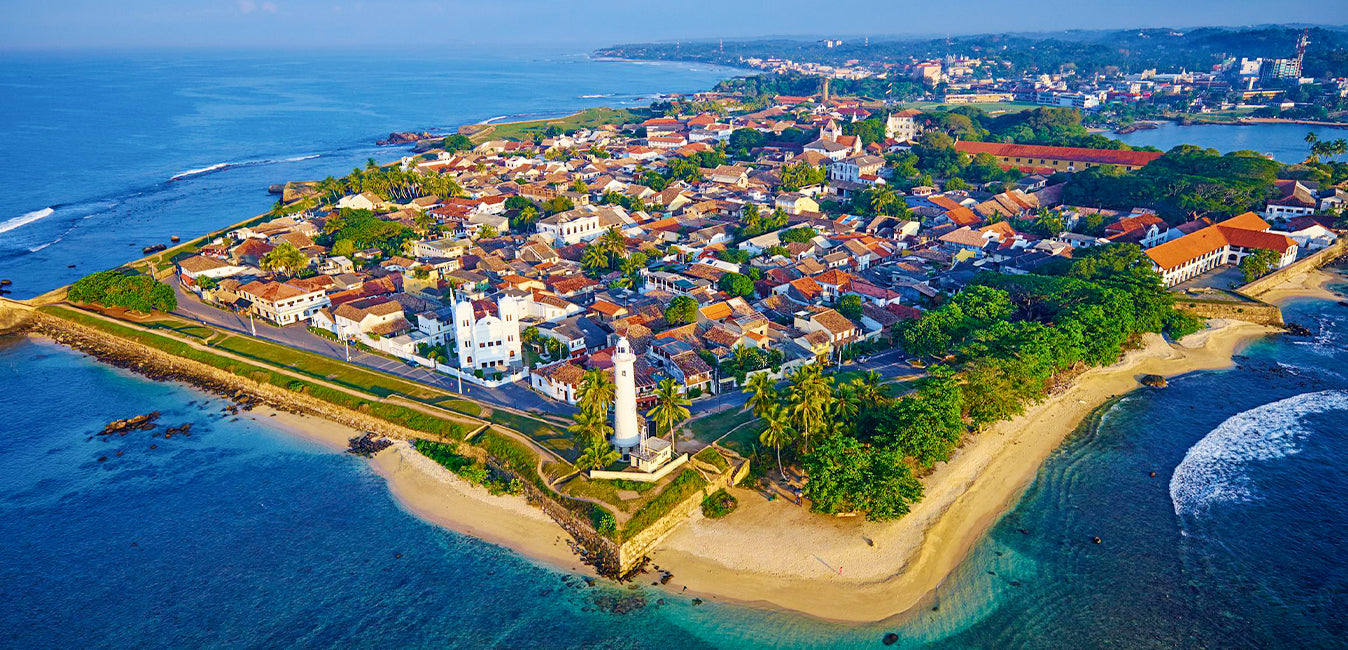
Galle has always been a major harbor, visited by ships and traders from across the globe for several millennia. As such it did not escape the clutches of the Dutch traders who put profit before all else. It served as their main base of operations. Unlike their Portuguese counterparts, the Dutch preferred not to bring areas under control by war and cruelty. They instead built up a very solid stone fort with three protective bastions and high ramparts, and then created a prosperous city within. Their buildings were beautifully made, and their shops had many unique unseen things. Most of all, the locals found that they could trade with them to some extent and make money. This encouraged the people to cooperate with them, though there were many areas that were not under Dutch control.
The fort had its man entrance in the western ramparts. And just beyond the imposing Gatehouse were a long strip of elaborately built Warehouses constructed in 1671. These spacious structures were used to store the goods that traders brought in, along with necessary food, weapons and other goods.
However, in the 18th century, nearly a hundred years after the Dutch took control of Ceylon, the British Empire began a storm of conquering. They defeated the Dutch and took over Ceylon, ruining any hopes that the Ceylonese had of freedom at that time. Under their rule, the entire island was conquered – whether by force or persuasion. Even those stray struggling free groups, who had managed to still stand under the other two invasions, fell under intense combat with highly trained and better equipped troops. Therefore, they were able to choose wherever they liked as their base, unlike the Portuguese and Dutch.
They chose Colombo as their base, and Galle slowly lost its importance. While ships of traders still visited the harbor, they were not as often or as large scale; preferring to