Kataragama City
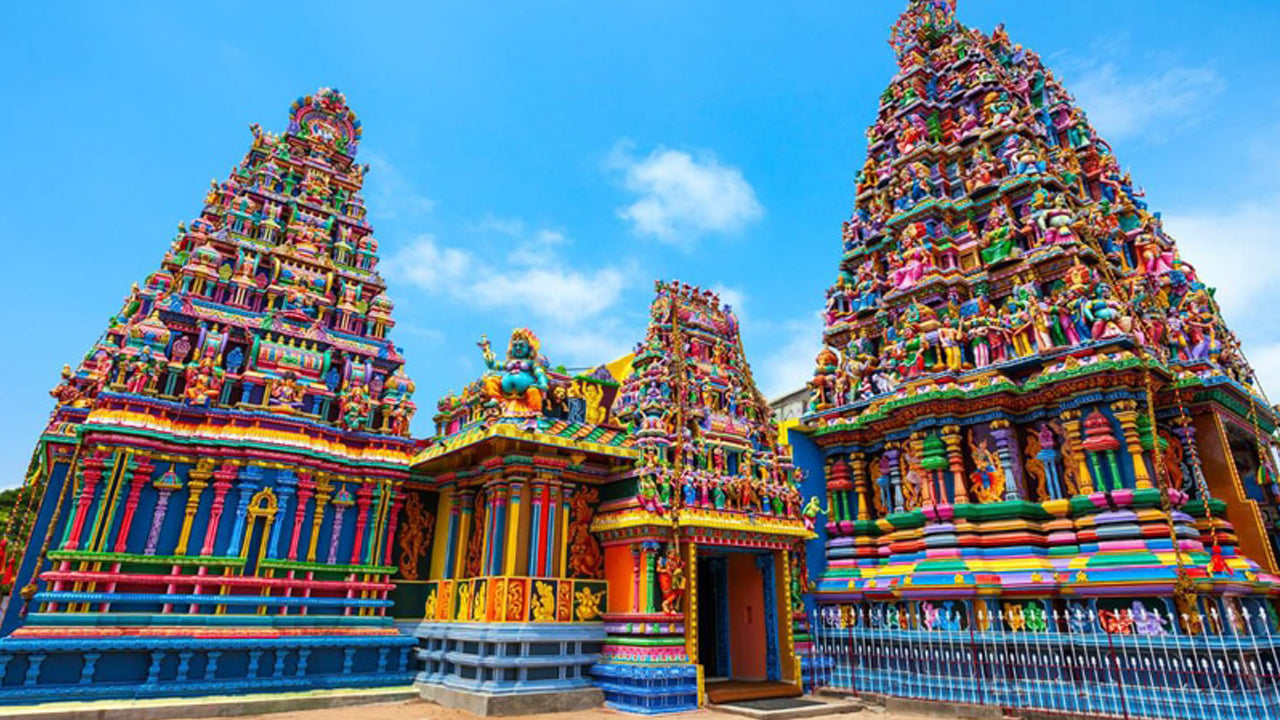
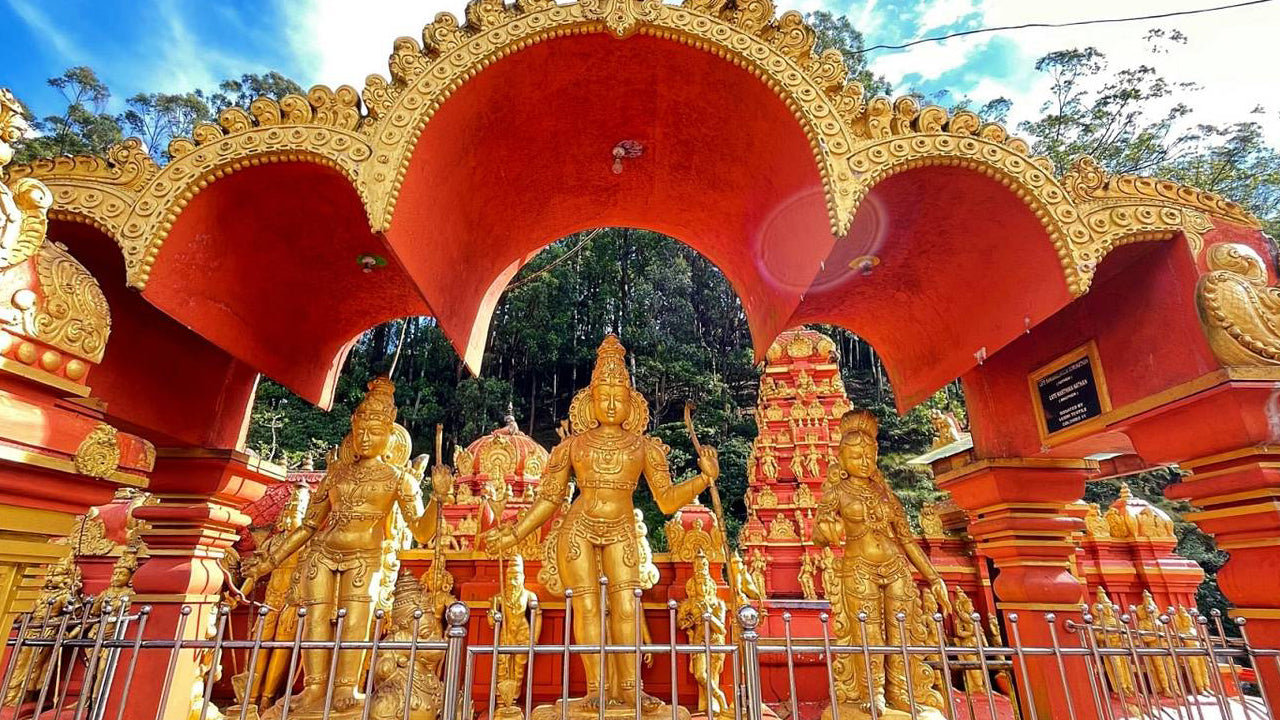
Kataragama in Sri Lanka is a well-known pilgrimage town in Sri Lanka, where many people from different religions from both Sri Lanka and South India visit. This place is commonly sacred to Hindus, Buddhists and some indigenous Vedda people residing in Sri Lanka. Hindus from South India visit here in high numbers.
Kataragama
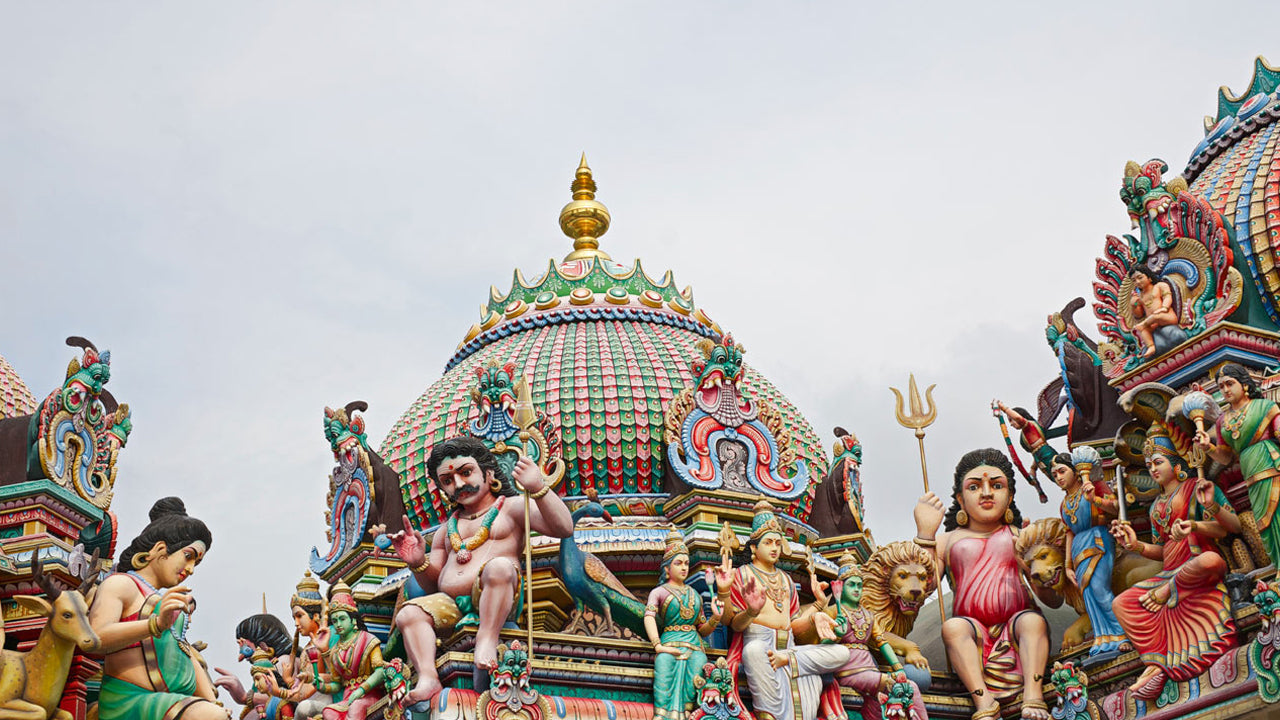
Kataragama (Sinhala: ?????, romanized: Kataragama , Tamil: ??????????, romanized: Katirkramam) is a pilgrimage town sacred to Buddhist, Hindu and indigenous Vedda people of Sri Lanka. People from South India also go there to worship. The town has the Kataragama temple, a shrine dedicated to Skanda Kumara also known as Kataragama deviyo. Kataragama is located in the Monaragala District of Uva province, Sri Lanka. It is 228 km (142 mi) southeast of Colombo. Although Kataragama was a small village in medieval times, today it is a fast-developing township surrounded by jungle in the southeastern region of Sri Lanka.
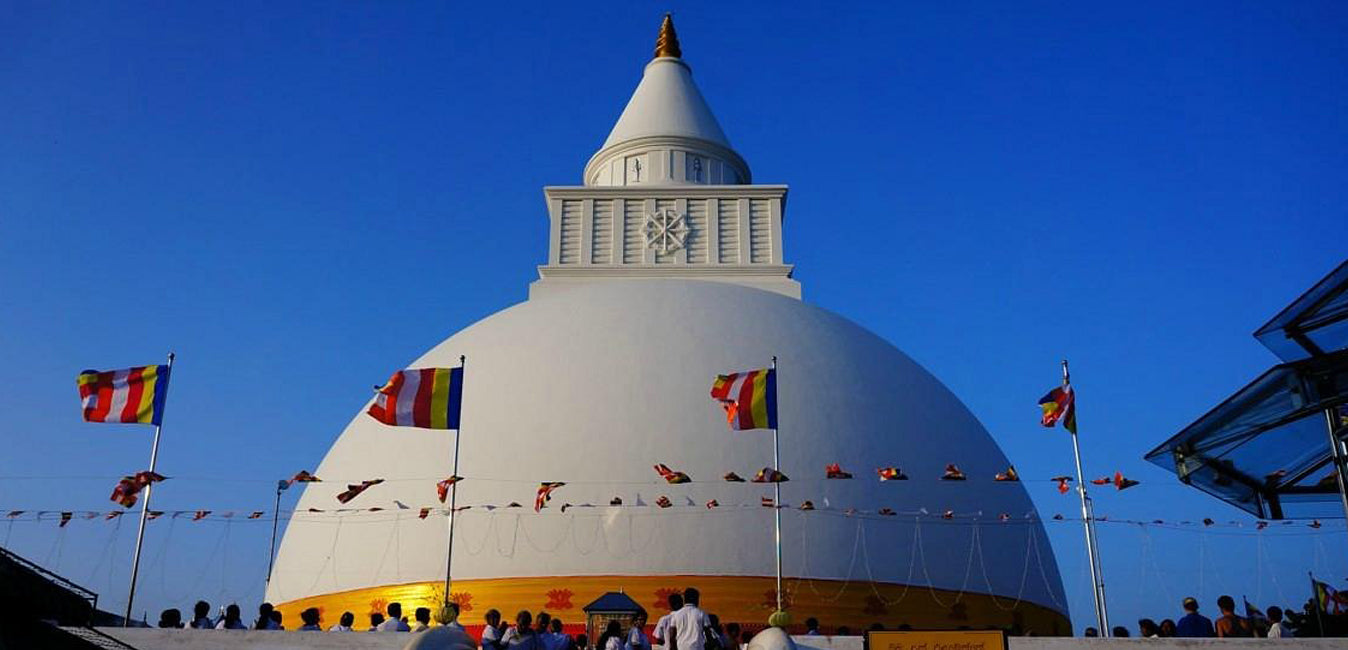
The ancient Kiri Vehera Buddhist stupa, which is believed to be built by the regional king Mahasena in the 6th century BC is also a major attraction in Kataragama area. The town has a venerable history dating back to the last centuries BCE. It was the seat of government of many Sinhalese kings during the days of Rohana kingdom. Since the 1950s the town has undergone many improvements with successive governments investing in public transportation, medical facilities, and business development and hotel services. It adjoins the popular Yala National Park.
EtymologyThe first reference to this village by this name is in the 6th century AD Pali chronicle Mahavamsa, referring to the place as Kajaragama. It is mentioned in Mahavamsa that the nobles of Kajaragama were among those took part in the festival of the Bodhi Tree when it was brought over by Sangamitta Theri. Some scholars derive Kataragama from Karthikeya Grama, literally meaning Village of Kartikeya, which was shortened in Pali as Kajaragama and later evolved to Kataragama. However, not all scholars accept this explanation.
The literal Sinhalese meaning of Kataragama is the "village in the desert", due to its location in a dry area, stemmed from the words Katara meaning Desert and gama meaning village.According to a folk etymology, the Tamil name Kathirkamam is said to be evolved from the combination of two words Kathir (meaning glory of light) and kamam (Love), which according to the legend is "where the light of Murugan mingled with the love of Valli".
The aboriginal Vedda community used to refer to this deity as O' Vedda or Oya Vedda, meaning "river hunter". The Sri Lankan Moors visiting this place pay homage to a Muslim saint known as al-Khidir, who according to them gave his name to the Islamic shrine at this place, and therefore attributing to the place etymology.
Historic period
Early historyThe general vicinity of Kataragama has yielded evidence of human habitation at least 125,000 years ago. It has also yielded evidence of Mesolithic and Neolithic habitations
Historic periodDuring the historic period, the general area was characterised by small reservoirs for water conservation and associated paddy cultivation. Kataragama village is first mentioned in the historical annals known as Mahavamsa written in the 5th century CE. It mentions a town named Kajjaragama from which important dignitaries came to receive the sacred Bo sapling sent from Ashoka’s Mauryan Empire in 288 BCE.
It functioned as the capital of number of kings of the Ruhuna kingdom. It provided refuge to many kings from the north when the north was invaded by South Indian kingdoms. It is believed that the area was abandoned around the 13th century.
Based on archeological evidence found, it is believed that the Kiri Vehera was either renovated or built during the first century BCE. There are number of others inscriptions and ruins. By the 16th century the Kataragamadevio shrine at
About Moneragala District
Moneragalais a district in Uva Province, Sri Lanka. Gal oya National Park, Yala National Park and Muthukandiya Reservoirs, Menik Ganga, Gal oya, Heda oya, Wila oya, Kumbukkan Oya are situated in Monaragala distict.
About Uva Province
The Uva Province is Sri Lanka's second least populated province, with 1,187,335 people, created in 1896. It consists of two districts called Badulla and Moneragala The provincial capital is Badulla. Uva is bordered by Eastern, Southern and Central provinces. Its major tourist attractions are Dunhinda Falls, Diyaluma Falls, Rawana Falls, the Yala National Park (lying partly in the Southern and Eastern Provinces) and Gal Oya National Park (lying partly in the Eastern Province). The Gal Oya hills and the Central Mountains are the main uplands, while the Mahaweli and Menik rivers and the huge Senanayake Samudraya and Maduru Oya Reservoirs are the major waterways in Uva province.