Kosgoda sits quietly on the south-west coast of Sri Lanka, roughly midway between Colombo and Galle. It is a small town rather than a resort strip, which is precisely its appeal: coconut palms lean over a wide, uncrowded beach, fishing outriggers are pulled up above the tide line each morning, and the loudest sound at dusk is usually the surf. For travellers driving the Southern Expressway or the coastal A2 road, Kosgoda is an easy stop — yet many people find themselves staying longer than planned.
What is Kosgoda famous for?
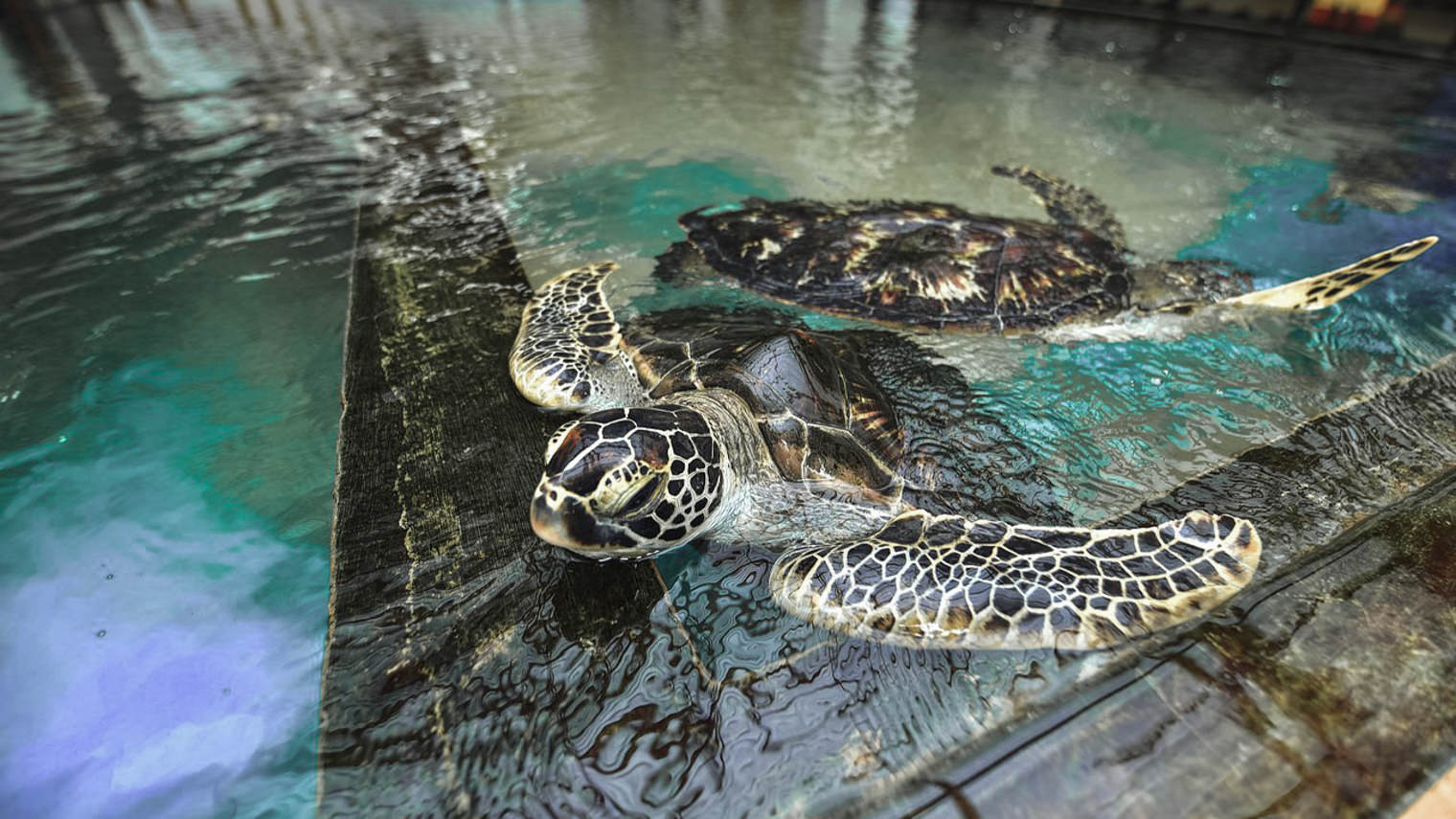
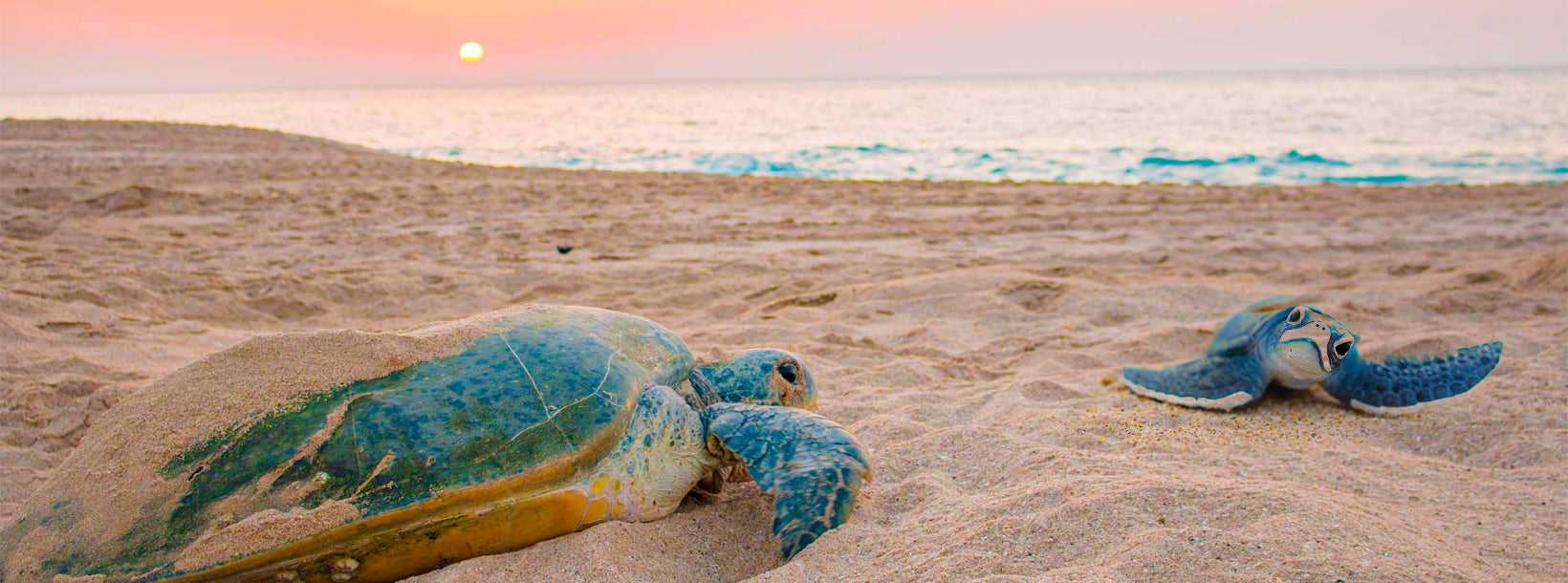
Kosgoda's defining identity is sea turtle conservation. Five species of marine turtle nest on Sri Lankan beaches, and several of them — including the green turtle (Chelonia mydas) and the loggerhead — use the Kosgoda shoreline. Since the 1980s, a cluster of community-run hatcheries has been protecting nests, incubating eggs, and releasing hatchlings into the Indian Ocean. The Kosgoda Sea Turtle Conservation Project is the most established of these, operating around the clock through nesting season and maintaining holding pools where injured adults receive rehabilitation before release.
Visits are possible in the daytime, but arriving at night during nesting season (broadly November to April, though turtles can nest in any month) gives travellers the rare chance to watch a female haul herself ashore and lay. The hatcheries also invite guests to carry a handful of hatchlings to the waterline — a moment that tends to stay with people for years.
What can you do in Kosgoda beyond the turtle hatcheries?
The beach itself is a long, palm-backed stretch of sand that rewards an early-morning walk when the light is soft and the fishing boats are returning. Swimming is possible, though as with most of the south-west coast, the sea can be rough between May and September — check conditions locally before wading in.
A short distance inland, the Madu Ganga estuary offers a contrasting experience. This UNESCO-recognised mangrove wetland is home to crocodiles, water monitors, and dozens of bird species. A Madu River Safari by flat-bottomed boat passes through tunnel-like mangrove channels, stops at a cinnamon island where bark is peeled and rolled by hand, and occasionally floats close enough to a basking crocodile to make passengers grip the gunwale. It is one of the more memorable two hours available on the southern coast.
Snorkelling directly from the Kosgoda shore is limited by visibility, but organised boat trips allow guests to snorkel in clearer water where turtles are regularly sighted — a very different perspective from watching them in hatchery pools. Whale watching by shared or private boat is available seasonally from nearby waters; blue whales and sperm whales pass through the deep channel off the south-west coast, typically between November and April.
How do I get to Kosgoda from Colombo?
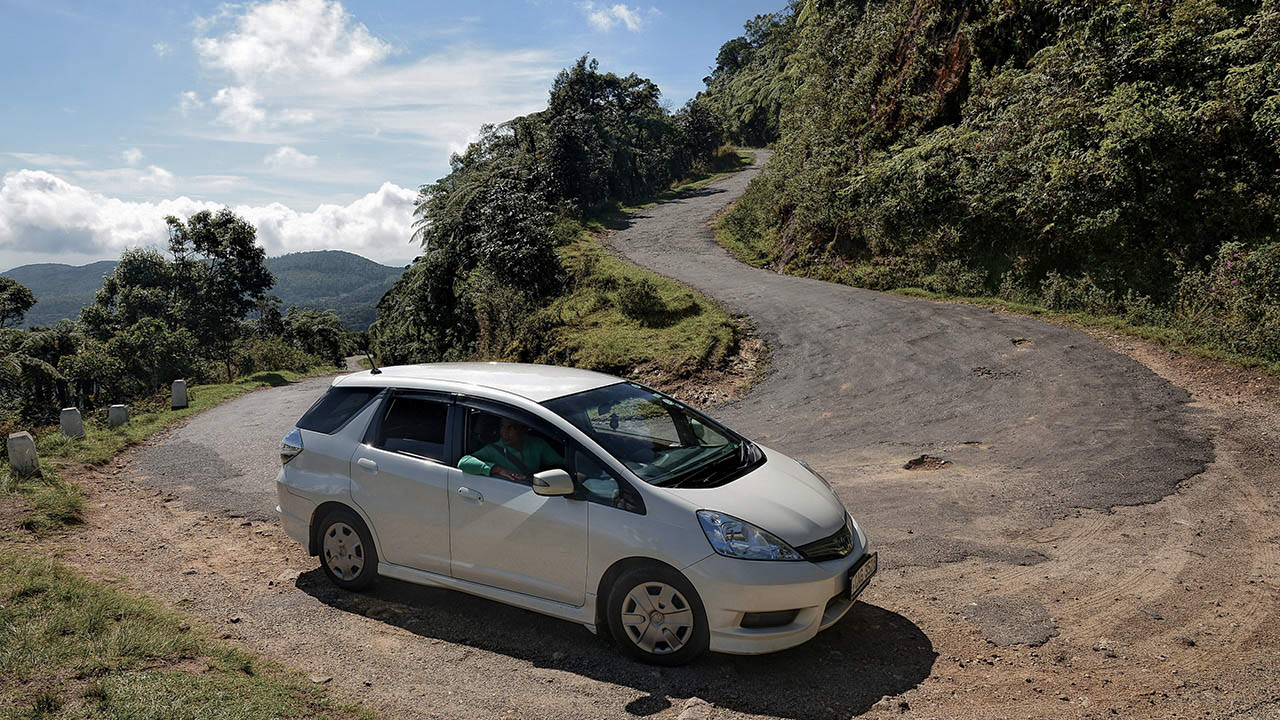
Kosgoda is around 85 km south of Colombo. By private car or taxi on the Southern Expressway (E01) the drive typically takes 90 minutes to two hours depending on traffic leaving the city. The coastal A2 road is slower but passes through Kalutara, Beruwala, and Bentota, giving a sense of how the coast unfolds.
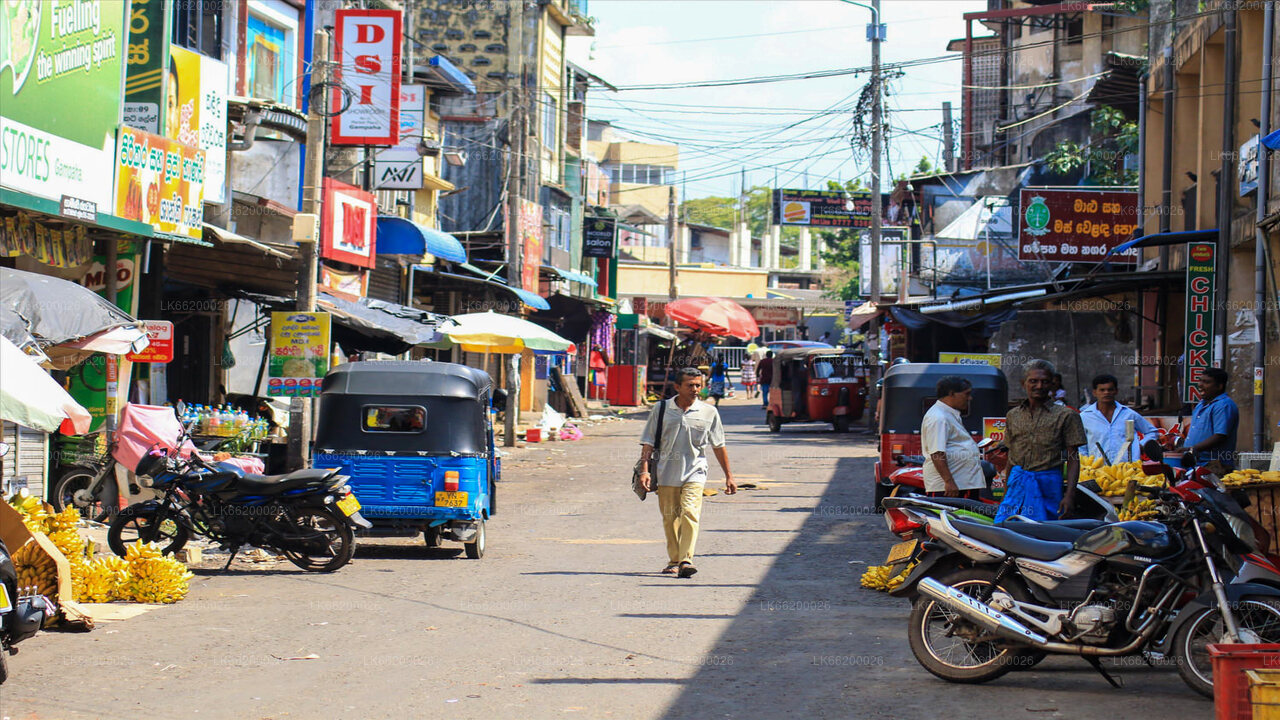
The Kosgoda railway station is served by intercity and slow trains on the Coastal Line from Colombo Fort; journey times vary from around two hours on the express to over three hours on stopping services. The station is close to the beach, which makes arriving by train unusually convenient. Tuk-tuks are available for short hops between the station, hatcheries, and hotels.
When is the best time to visit Kosgoda?
The south-west coast follows Sri Lanka's south-west monsoon pattern. The dry season runs roughly from November to April, when seas are calmer, skies are clearer, and turtle nesting activity is at its peak. December and January are the busiest months. May through September brings the south-west monsoon: rain is frequent, surf is rough, and some smaller guesthouses close. October is a transitional month that can go either way.
That said, the turtle hatcheries operate year-round, and the Madu Ganga boat trips run in almost any weather. Travellers prepared for occasional rain and lower-key beach days will find the shoulder months (October, April) quieter and noticeably cheaper.
Where does Kosgoda fit on a southern Sri Lanka itinerary?
Kosgoda sits between Bentota to the north and Hikkaduwa to the south, which makes it a natural overnight stop rather than a day-trip target. Travellers on a southern loop typically combine it with a Galle City Tour — the Dutch-colonial fort city is around 40 km further south — and use Kosgoda as a quieter alternative to the more developed resort towns nearby.
Bentota is 10–12 km north and offers river safaris, water sports, and a wider choice of restaurants if you want a livelier evening. Hikkaduwa, roughly 15 km south, has reef snorkelling and a well-known turtle hatchery of its own at Hikkaduwa. Kosgoda sits between these two towns without trying to compete with either, which suits travellers who prefer a calmer pace.
What accommodation is available in Kosgoda?
The town has a spread of options from international resort hotels on the beachfront to small Ayurveda retreats and family guesthouses set back from the shore. Several properties are built around turtle conservation themes — staying at one of these means your accommodation fee directly supports hatchery work. Ayurveda programmes are a genuine draw in this part of the coast; a number of clinics offer multi-day treatment packages combining herbal therapies, dietary guidance, and yoga.
Are there any practical tips for visiting the turtle hatcheries?
Most hatcheries ask visitors not to use flash photography near nesting turtles or hatchlings, as bright light disorients them. Wear dark clothing if you visit at night for a nesting watch. Handle hatchlings gently and only when staff direct you to — the wriggling motion helps the turtles develop muscle coordination, so there is a good reason staff limit how long each person holds them. Donations beyond the entrance fee go directly to feeding and veterinary care for injured adults kept in rehabilitation pools.