Lakpura
Lakpura®

Shanthipura

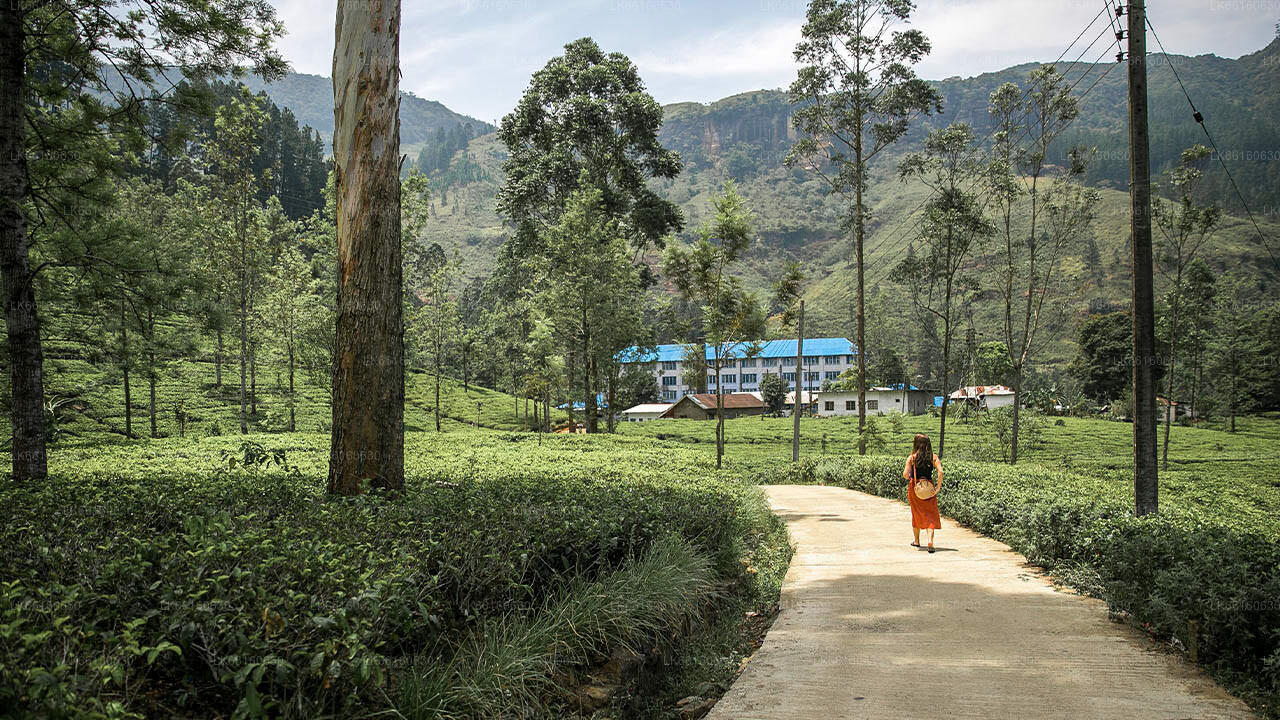
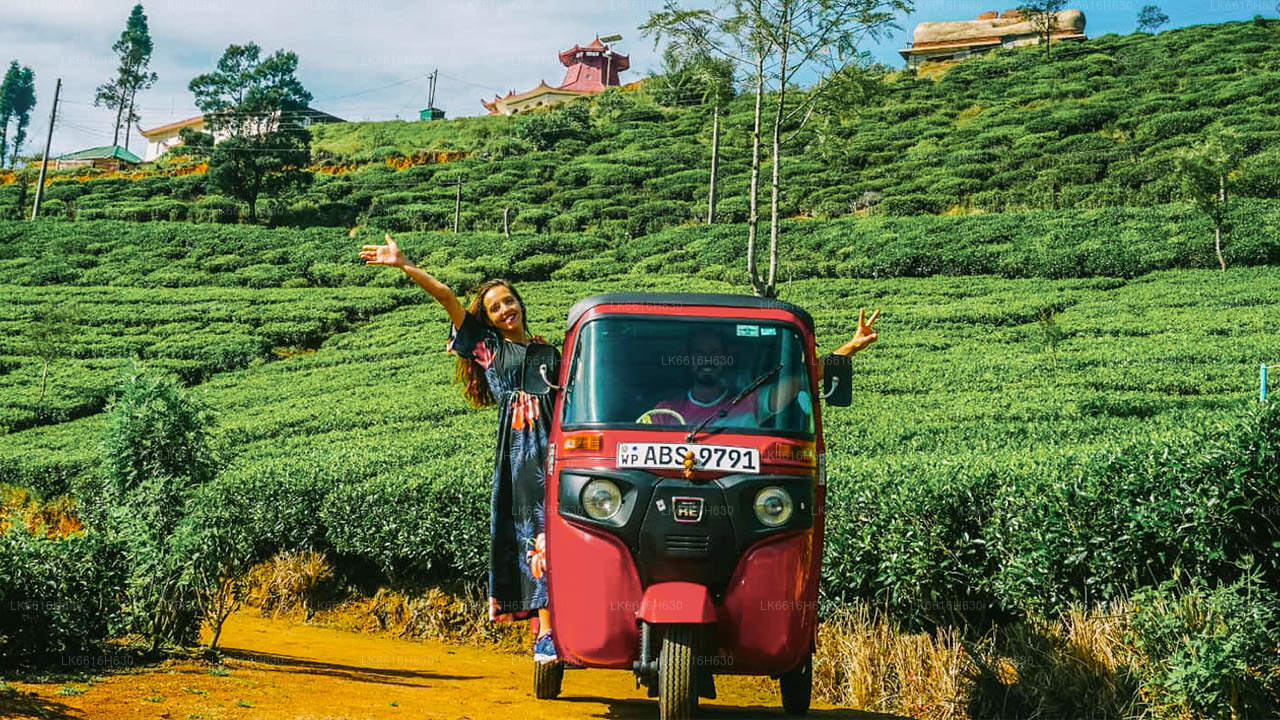
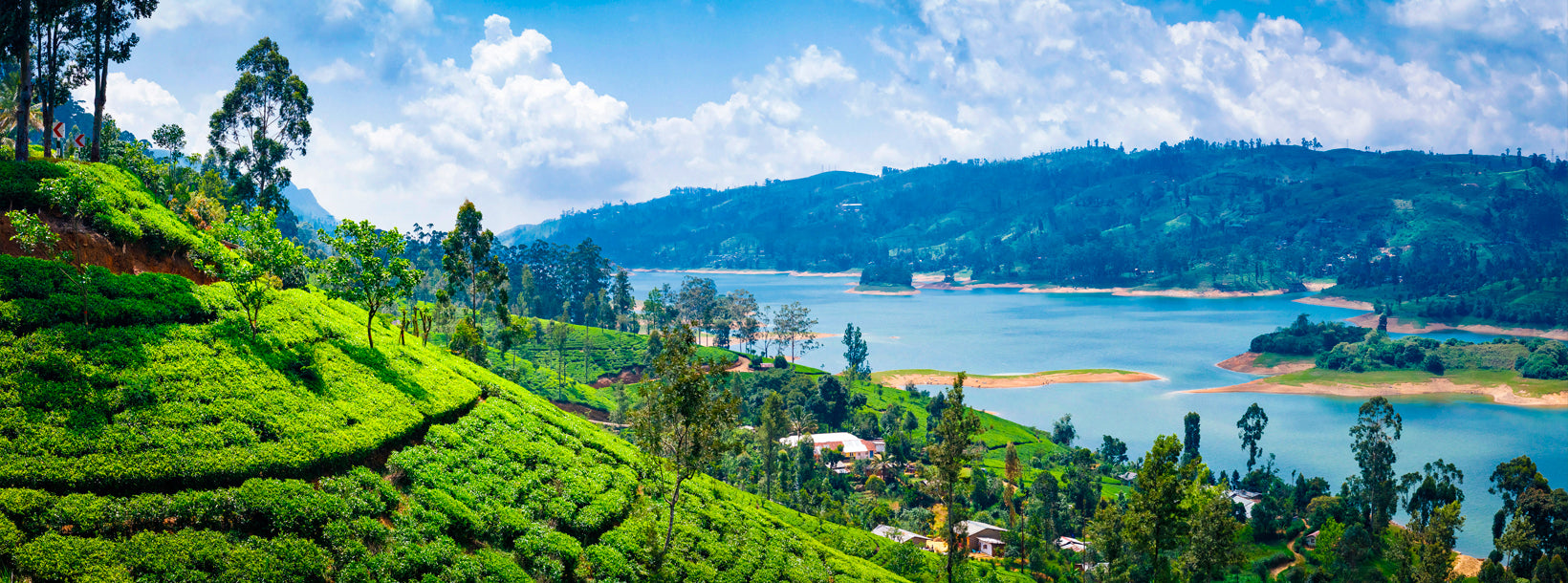
Perched at around 7,339 feet above sea level on the slopes of Kikiliyamana — the fifth highest mountain in Sri Lanka — Shanthipura holds a quiet distinction: it is the highest village on the island. The road that climbs toward it from Nuwara Eliya winds through mist-wrapped hillsides, past tea estates and cloud forest edges, before arriving at a community that has been settled for just over six decades.

How did Shanthipura come to exist?

The village was established in 1963, largely through the ambition of T. William Fernando, who served as the mayor of Nuwara Eliya at the time. Fernando had a particular drive for founding new settlements in the hill country, and during his tenure he initiated the creation of around 18 villages across the region.

His motivation was partly political and partly social. The high-altitude land around Nuwara Eliya had been shaped almost entirely by British tea planters, who had cleared it of its original forest cover and populated it with Indian Tamil labour brought to work the estates. Fernando hoped to resettle Sinhala families in the area and reclaim a foothold for communities that had little presence in that landscape. While his broader project met with mixed results, Shanthipura survived and grew into a small but functioning village community.

What makes Shanthipura worth visiting?

The village is compact, and that compactness is part of its appeal. At its highest point sits a small Buddhist pagoda — modest in scale but carefully maintained — that functions as the visual and spiritual centrepiece of the settlement. The houses of villagers step down the hillside at varying elevations, creating a layered arrangement that reflects the topography rather than fighting it.

Visitors who spend time here can observe how residents manage farming on steep gradients, adapting planting methods to slopes that would defeat conventional cultivation. The pace of life is unhurried, and the community remains largely off the international tourist trail, which gives it an authenticity that more visited hill-country destinations can struggle to maintain.

The village also supports a small number of accommodations — modest hotels, guesthouses, and village inns — that offer a quieter alternative to staying in Nuwara Eliya town itself.

What views can you see from Shanthipura's viewpoint?

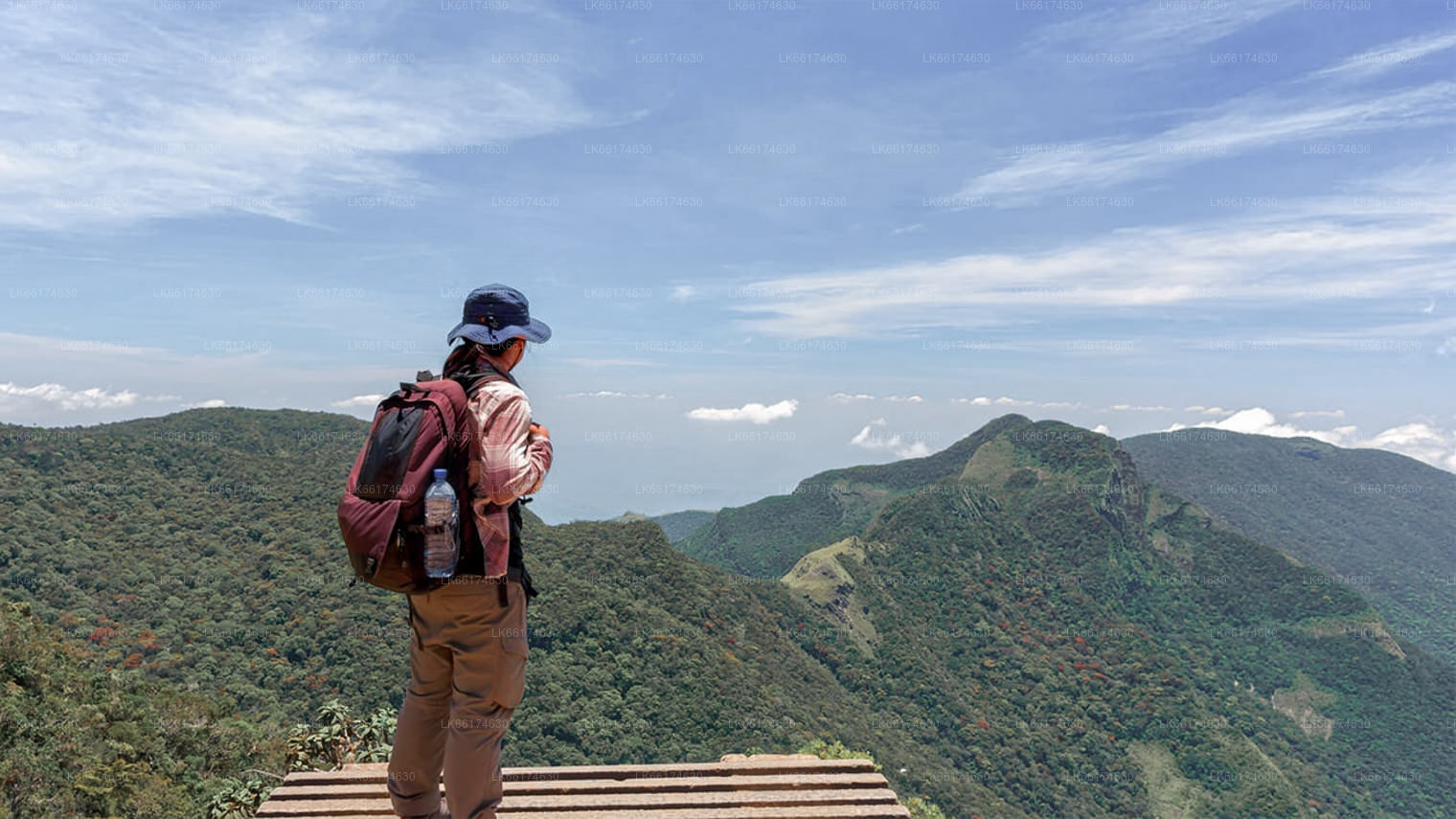
Within the village boundaries lies a spot called Kalapura, which includes a designated observation area. On a clear day, the panorama from here is genuinely broad. The landmarks visible from this point include:

  • Pidurutalagala Mountain — the highest peak in Sri Lanka, to the north
  • Adam's Peak (Sri Pada) — identifiable by its distinctive conical silhouette on the western horizon
  • Hakgala Mountain — rising above the botanical gardens that share its name
  • Gregory's Lake — the reservoir that anchors central Nuwara Eliya
  • Nuwara Eliya town — spread across the valley floor below
  • Kikiliyamana Mountain — the peak on whose slopes the village itself sits

The viewpoint is most rewarding in the early morning, before cloud builds on the upper ridges. Photographers tend to find the combination of settlement and landscape particularly compelling — the foreground of rooftops and garden plots against a background of mountain profiles is relatively unusual even by hill-country standards.

How does Shanthipura relate to the wider hill-country landscape?

The hills around Nuwara Eliya are among the most ecologically layered in Sri Lanka. Cloud forest habitat clings to the upper ridges, including on Kikiliyamana itself, providing refuge for species that are restricted to these high elevations. The area also connects culturally with Horton Plains to the south — Horton Plains National Park protects the plateau landscape that begins roughly where the tea estates end — and with the broader hill-country tea heritage that has defined this region since the nineteenth century.

The story of Ceylon tea is inseparable from the Nuwara Eliya highlands. The same colonial-era clearances that removed the original forest and brought in migrant labour to tend the tea bushes also created the demographic and land-tenure context that led figures like Fernando to found villages such as Shanthipura. Understanding one helps explain the other.

When is the best time to visit Shanthipura?

Nuwara Eliya and the surrounding hill country experience their most settled weather between January and April, when the northeast monsoon has passed and before the southwest monsoon arrives. During these months, mornings are typically crisp and clear, which makes for the best visibility from the Kalapura viewpoint.

The hill country can receive rain at almost any time of year, and the upper slopes of Kikiliyamana are prone to rapid cloud formation even in nominally dry months. Visiting early in the day significantly improves the odds of clear views. Temperatures at this altitude are cool year-round — noticeably colder than Colombo or the coast — so a layer of warm clothing is advisable regardless of season.

How do you get to Shanthipura from Nuwara Eliya?

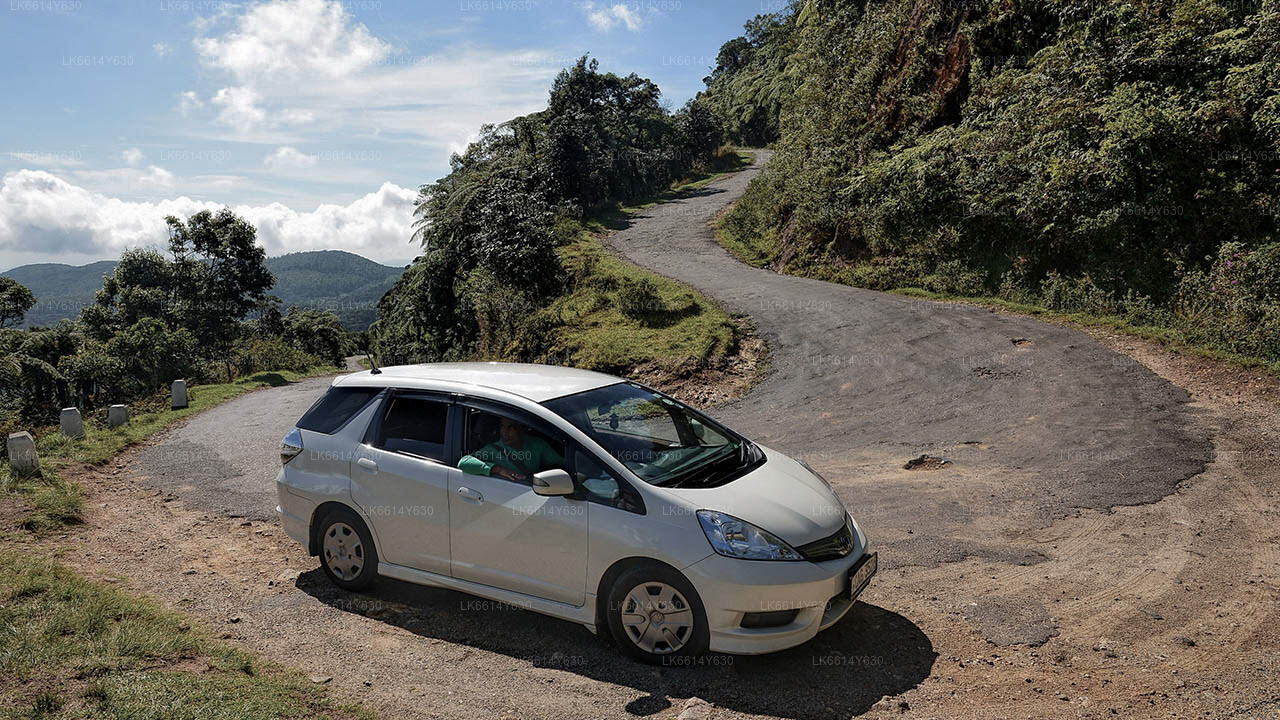
Shanthipura is accessible by road from Nuwara Eliya town, following the Kikiliyamana Mountain road. The drive is short in distance but demands careful navigation, as the road climbs steeply and narrows considerably in places. A private car or tuk-tuk is the most practical way to make the journey; the road conditions are not well suited to large vehicles.

Most visitors combine Shanthipura with a broader exploration of the Nuwara Eliya area, which might include Gregory's Lake, the nearby botanical gardens at Hakgala, or a tea estate tour. The village works well as a half-morning excursion, though those opting to stay in the village accommodation can take more time to walk the slopes and speak with residents.

Is Shanthipura suitable for family visits?

The village suits families comfortable with rural and semi-rural travel. There are no formal attractions in the commercial sense — no ticketed entry, no visitor centre — so the experience is shaped largely by what visitors choose to explore on foot. Children who enjoy open landscapes, hillside walks, and the novelty of a small mountain community tend to respond well. The observation deck at Kalapura requires no difficult hiking; it is reachable without specialist equipment or fitness levels.

Ask Lakpura® Agent