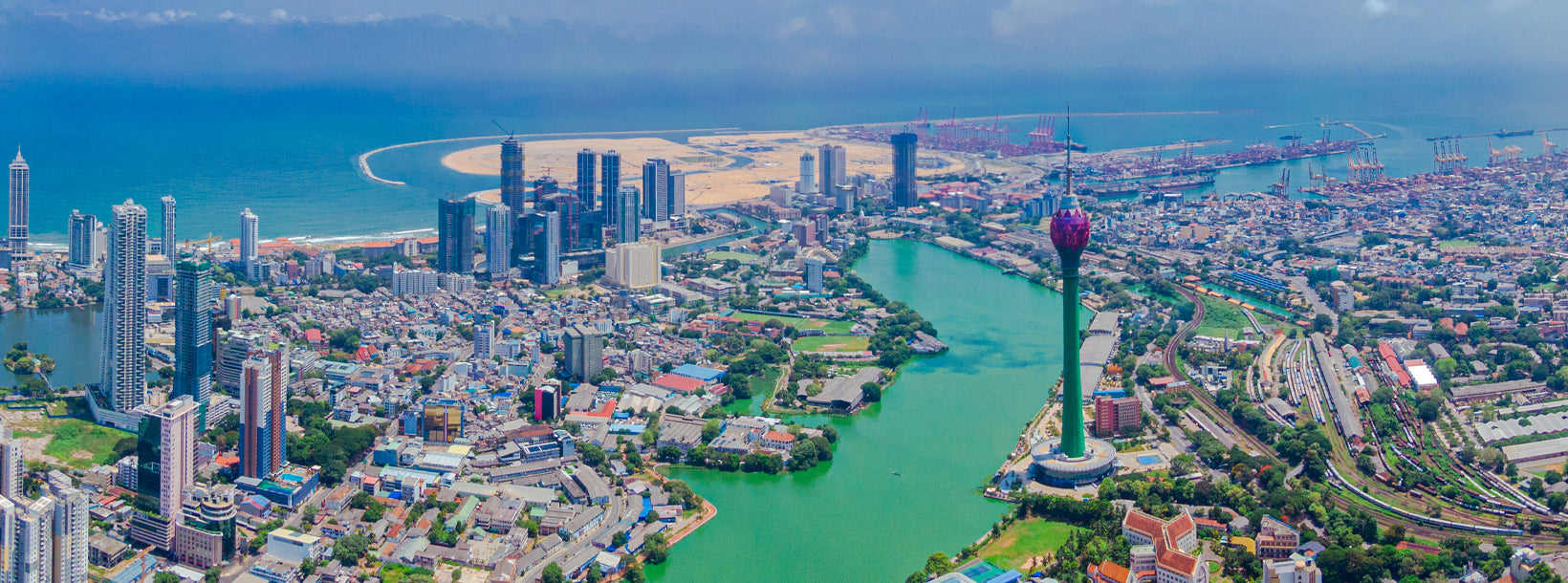
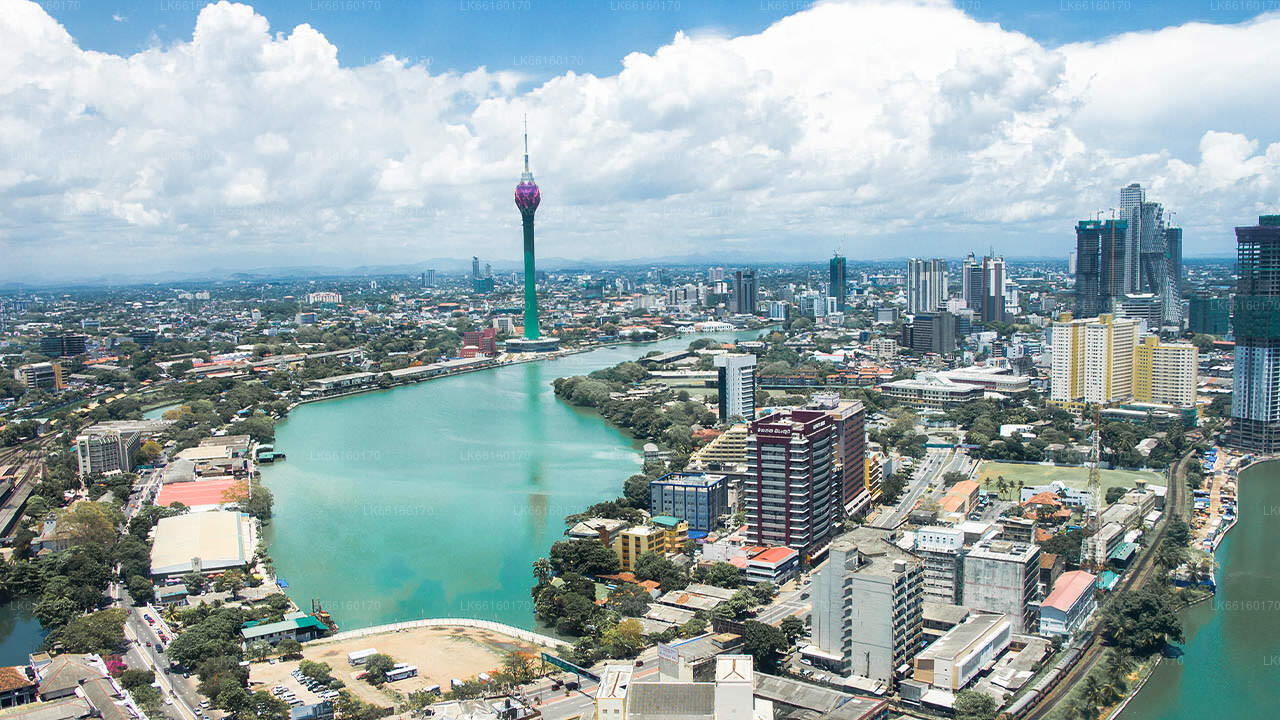
There was a time when Kollupitiya was known as Baradeniya. It was a beautiful rustic village with coconut gardens and cinnamon trees that grew wild and narrow cart-tracks which connected the few villas and homes here with the rest of the country. For the purpose of postal services ‘Colombo 03’ consists of Kollupitiya.
How Baradeniya became Kollupitiya
The year was 1664 and the king was Rajasinghe II whose cruel acts embittered his subjects. Three Kandiyan chiefs sought to slay the king and place his 12-year-old son on the throne. One of the conspirators was Udanuwara Ambanwela Appuhamy. When the plot failed, the king had two of the rebel leaders beheaded. However, instead of executing Abanwela Appuhamy, the most feared of the rebels, he handed him over to the Dutch to undergo what he thought would be a more brutal torture. Instead the Dutch set him free. Ambanwela Appuhamy took the Dutch name of Van Ry-cloff and built up a good relationship with the Dutch who gave him a large plot of land by the sea where he grew a coconut plantation which soon expanded over the ancestral farms of the natives who dared not complain. They could only retaliate by calling the plantation Kolla-ke-pitiya meaning 'Plundered land'. Today, there is still an area in Kollupitiya that is called Polwatte.
The footprints of Galle Face
Colombo 03 begins with Galle face south of Colombo Fort (Colombo 01). Originally a vast swamp, the Portuguese and Dutch used this piece of land as a strategic defense. It was the British who developed the Green into a leisure ground. The 19th century paintings of John Deschamps, show the Galle-Face esplanade with a high road running through the centre of it. Added later was a promenade by the sea and a driveway bordering the lake where the Dutch Military cemetery was. Deschamps describes it as forming not only the principal exercising ground of the garrison, but also the general promenade of the inhabitants of Colombo and its vicinity. “On foot, on horseback, or in carriages, people flocked to this salubrious setting to inhale the delicious breeze which is almost always to be found by the sea side of this part of the Island”. The Galle Face esplanade or Green was established by Governor Ward in 1859. An inscription reads "in the interest of the ladies and children of Colombo ".
Cricket, football and polo were played on the Green. In 1829, horse racing was established under the auspices of Sir Edward Barnes. A circular race stand was built by subscription. Initially it was a building of brick, coated with a plaster of chunam. Its conical roof was covered with an excellent thatch of kehjan (woven coconut leaves). From here a view of the whole course could be obtained. The race-balls were held here, the upper room being cool and airy for dancing; card-tables were placed in the verandahs, whilst the lower portion formed a good supper-room. Subsequently the roof was tiled. By the 1870s it had become a more substantial building and was known as the Colombo Club. This building still stands, even though maybe not in its original modest form, and is now the Crystal Ballroom of the Taj Samudra Hotel Colombo.
At one end of the green was the Galle Face Boarding House, forerunner of the present Galle Face Hotelwhich was constructed in 1887. Today the green has lost much in its extent but after a long period of neglect has recently been restored back to the ch
كولومبو هي أكبر مدينة وعاصمتها التجارية في سريلانكا. تقع على الساحل الغربي للجزيرة، بجوار سري جايواردينبورا كوتي، عاصمة سريلانكا. كولومبو مدينة نابضة بالحياة، تجمع بين الحياة العصرية والمباني والآثار الاستعمارية، ويبلغ عدد سكانها 647,100 نسمة. يُقدر عدد سكان منطقة كولومبو الحضرية، التي تضم مقاطعات كولومبو وغامباها وكالوتارا، بنحو 5,648,000 نسمة، وتغطي مساحة قدرها 3,694.20 كيلومترًا مربعًا. كولومبو مدينة متعددة الأعراق والثقافات، وهي المدينة الأكثر اكتظاظًا بالسكان في سريلانكا، حيث يعيش 642,163 نسمة داخل حدودها. يتكون سكان كولومبو من مزيج من مجموعات عرقية عديدة، معظمها من السنهاليين والموريين والتاميل. تقطن المدينة أيضًا جاليات صغيرة من أصول صينية وبرتغالية وهولندية وماليزية وهندية، بالإضافة إلى عدد كبير من المغتربين الأوروبيين. وتتخذ الغالبية العظمى من الشركات السريلانكية من كولومبو مقرًا لها. وتشمل بعض الصناعات الكيماويات والمنسوجات والزجاج والإسمنت والمنتجات الجلدية والأثاث والمجوهرات. ويقع في مركز المدينة ثاني أطول مبنى في جنوب آسيا، وهو مركز التجارة العالمي.
نبذة عن منطقة كولومبو
المقاطعة الغربية هي المقاطعة الأكثر كثافة سكانية في سريلانكا. تضم العاصمة التشريعية سري جاياواردنابورا كوتي، بالإضافة إلى كولومبو، المركز الإداري والتجاري للبلاد. تنقسم المقاطعة الغربية إلى ثلاث مقاطعات رئيسية هي كولومبو (642 كيلومترًا مربعًا)، وغامباها (1,386.6 كيلومترًا مربعًا)، وكالوتارا (1,606 كيلومترات مربعة). وباعتبارها المركز الاقتصادي لسريلانكا، تتواجد جميع الشركات المحلية والدولية الكبرى في المدينة، وكذلك جميع المصممين الرئيسيين وتجار التجزئة في الشوارع الرئيسية، لذا استعدوا لتجربة تسوق ممتعة في المقاطعة الغربية. ونظرًا لارتفاع عدد سكانها بين جميع المقاطعات، فإن معظم المؤسسات التعليمية الرائدة في الجزيرة تقع في المقاطعة الغربية. تشمل الجامعات في المقاطعة جامعة كولومبو، وجامعة سري جايواردينبورا، وجامعة كيلانيا، والجامعة المفتوحة في سريلانكا، والجامعة البوذية والبالية في سريلانكا، وجامعة الدفاع العامة السير جون كوتيلاوالا، وجامعة موراتوا. تحتوي المقاطعة الغربية على أكبر عدد من المدارس في البلاد، والتي تشمل المدارس الوطنية والإقليمية والخاصة والدولية.