Lakpura
Lakpura®

Nonchi Akka

Nonchi Akka is one of the most recognisable and enduring characters in Sri Lanka's traditional Kolam dance drama — a comedic elderly woman whose exaggerated appearance and sharp wit have entertained village audiences for generations. Her name translates loosely as "elder sister Nonchi," and she occupies a unique place in the Kolam tradition: simultaneously a figure of humour, gentle mockery, and genuine theatrical craft.

Who is Nonchi Akka in the Kolam tradition?

Kolam is a masked dance-drama form practised primarily in the Southern coastal regions of Sri Lanka. Its performances feature a cast of stock characters — royalty, demons, villagers, officials — each with a distinctive mask and a well-known role in the unfolding narrative. Nonchi Akka is the wife of the official drummer-announcer (the Tandel), and her character enters the performance space to the delight of the crowd.

She represents old age rendered through comic exaggeration: white hair, sunken cheeks, a toothless mouth, and failing eyesight. Her body trembles as she moves, and she is often portrayed as confused about where she is — wandering in the evening as though she has forgotten her own home. The verses that accompany her entry describe teeth falling, mucus from the eyes, and a shaking frame, yet she arrives running, full of energy that belies her apparent frailty.

This contradiction — the ancient body animated by youthful impulse — is the comedic and philosophical heart of the character. Nonchi Akka knows wiles. Despite her physical decline, her mind brims with cunning and vanity, a quality the audience both laughs at and, on reflection, recognises.

What does the Nonchi Akka mask look like?

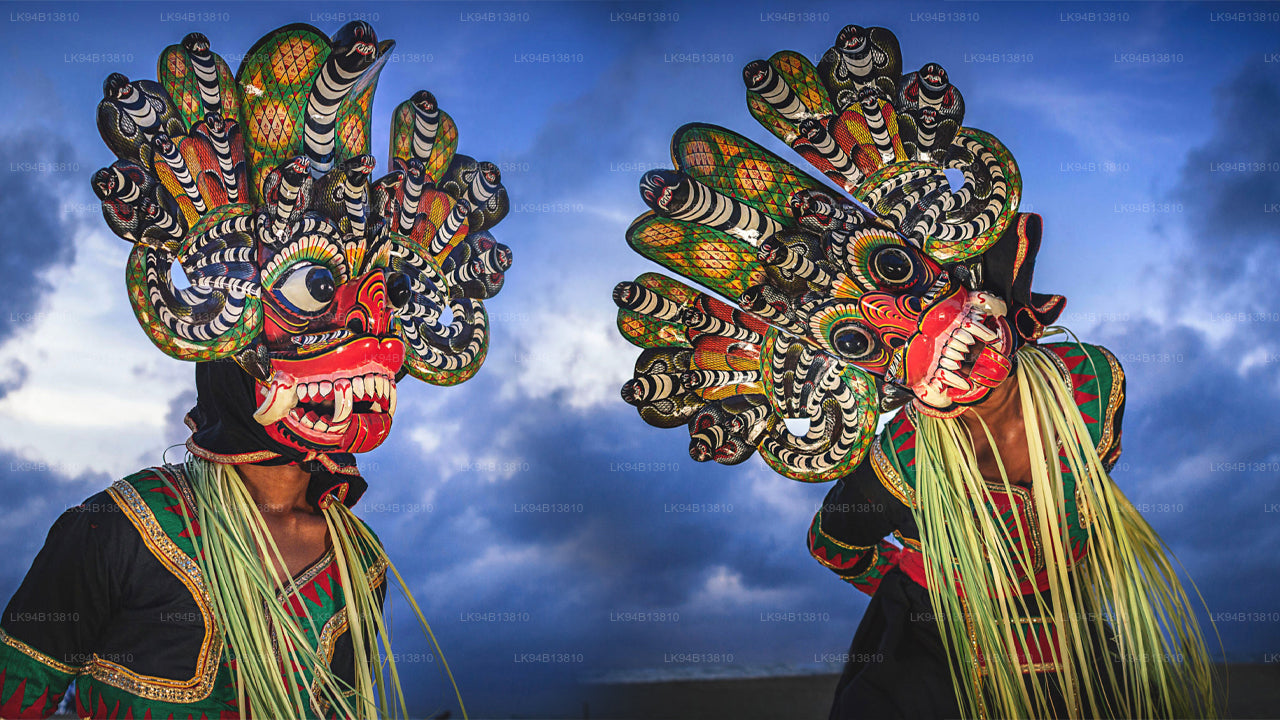
The mask is the centrepiece of any Kolam performance, and Nonchi Akka's is crafted with careful attention to grotesque realism. Carved typically from the lightweight wood of the Cocos nucifera (coconut palm) or Kaduru tree, the mask depicts:

  • A wide, toothless mouth with sunken, puckered lips
  • Deeply hollowed cheeks suggesting lost teeth and muscle wasting
  • Heavy-lidded, drooping eyes conveying dim sight
  • White or grey hair, often rendered in fibre or painted directly onto the mask
  • An overall expression that blends pathos with mischief

Scholars and mask collectors regard the Nonchi Akka face as a high-quality artistic creation precisely because it achieves several emotional registers at once — it is funny, a little sad, and quietly insightful about the human condition.

How do regional Kolam traditions differ in their Nonchi Akka masks?

Sri Lanka's Kolam tradition is not monolithic. Different coastal communities have developed their own schools of mask-carving over centuries, and the Nonchi Akka character reflects those local variations. The principal centres of production and performance are:

Region Known for
Ambalangoda The most celebrated centre of Kolam mask-carving in Sri Lanka; home to master craftsmen whose work is held in museum collections worldwide
Gonapola A distinctive local style with subtly different proportions in the face and more restrained colouring
Olaboduwa Masks noted for highly naturalistic carving of skin texture and wrinkle lines
Mirissa A southern school with its own lineage of performance troupes and mask-painters

Each troupe guards its own interpretations, passed down through families. When a trained eye compares masks from Ambalangoda and Mirissa side by side, the differences in proportions, colour, and expression become clear — evidence of a living, evolving tradition rather than a frozen museum piece.

What themes does the Nonchi Akka character explore?

On the surface, Nonchi Akka is pure comedy. Her entrance provokes laughter from the moment she appears, and the verses chanted during her performance are designed to elicit the crowd's delight at her misfortunes. But traditional Kolam scholars note that the character carries deeper cultural commentary:

  • The gap between appearance and desire. Nonchi Akka is physically aged but mentally young — she harbours ambitions and vanities that her body can no longer support. This is a universal human tension, and audiences recognise it.
  • The dignity of old age questioned and reasserted. The character is mocked, yet she is also resilient. She keeps moving, keeps arriving. In this sense, the mockery is ambivalent — it contains respect.
  • Social satire. As the wife of an official (the drummer-announcer holds a formal public role), Nonchi Akka's confusion and loss of decorum are a gentle jab at social pretension. Even people of status grow old and lose their bearings.

This layering of humour and social comment is characteristic of Kolam as a whole. Performances traditionally took place over multiple nights in village open spaces, with the entire community — men, women, children, elders — watching together. Characters like Nonchi Akka gave the crowd permission to laugh at the anxieties everyone privately held.

Where can visitors see Kolam performances in Sri Lanka today?

Authentic Kolam performances are most reliably encountered in the Southern Province, particularly around Ambalangoda, where several family troupes and cultural organisations maintain the tradition. The Ariyapala Mask Museum in Ambalangoda is one of the best places to see a comprehensive collection of Kolam masks — including multiple versions of Nonchi Akka — and to learn about the carving process from practitioners.

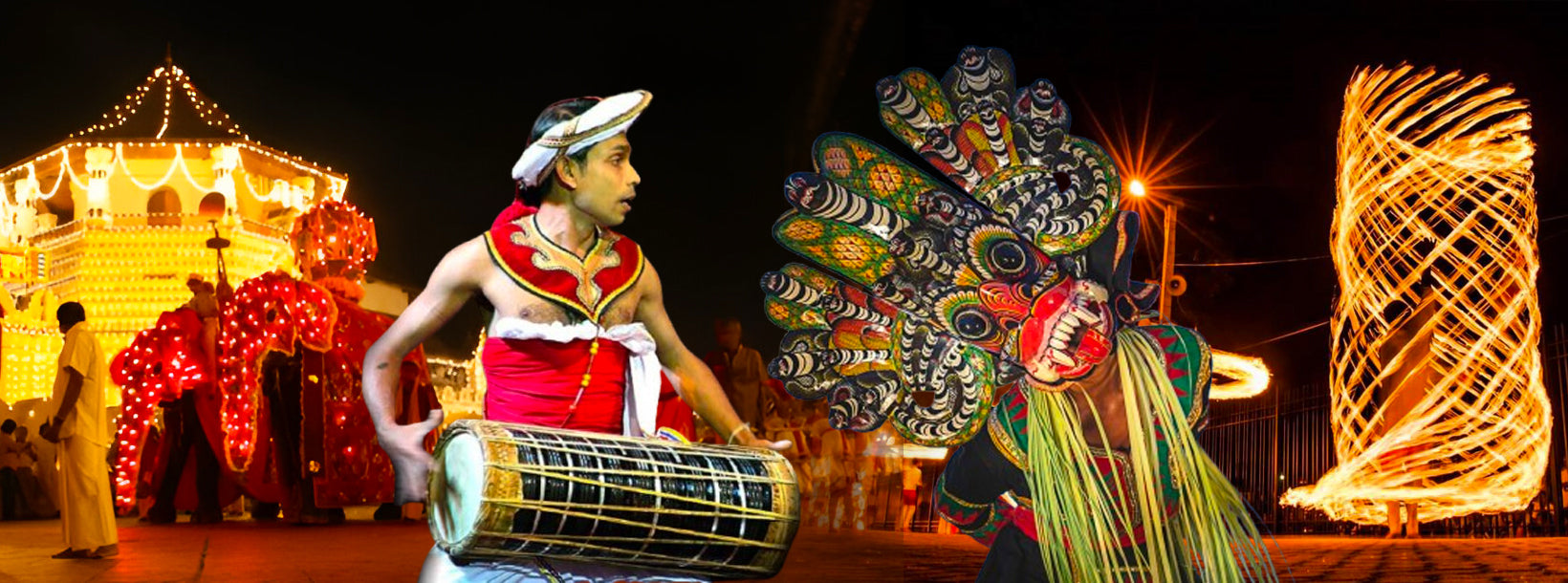
Performances are sometimes staged for the Esala Perahera Festival season and other major Buddhist calendar events, though village-context performances — the original setting for Kolam — are rarer today. Visitors with a specific interest in traditional performing arts should plan ahead, as scheduled performances are not always publicly advertised well in advance.

Cultural programmes in Kandy occasionally include Kolam sequences alongside other classical forms. The Kandy Tourist Information Center can advise on current schedules for cultural performances in the hill capital.

What is the significance of the mask-carving craft connected to Nonchi Akka?

The masks used in Kolam performances are not props — they are considered complete artistic works in their own right. Carving a Nonchi Akka mask requires a craftsman to understand anatomy, comic theory, and the specific movement vocabulary of the performer who will wear it. The mask must read clearly from a distance in firelight or torchlight, which means exaggeration is not mere crudeness but a technical requirement.

Masks from established carving families are collected internationally and are held in ethnographic museums across Europe and North America. Within Sri Lanka, they are recognised as part of the country's intangible cultural heritage. Purchasing a mask from a reputable Ambalangoda carver — as opposed to a mass-produced souvenir — supports a lineage of craft that has survived for several centuries.

Book this experience with Lakpura

Curated by our local team. Direct booking, instant confirmation.

Ask Lakpura® Agent