حديقة كومانا الوطنية
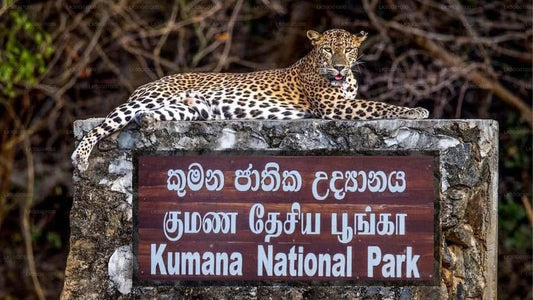
يعد منتزه كومانة الوطني، المعروف أيضًا باسم منتزه يالا الشرقي الوطني، يقع في منطقة أمبارة في الجنوب الشرقي من سريلانكا على بعد 391 كيلومترًا من كولومبو.
كيفية الوصول إلى منتزه كومانة الوطني: البوابة إلى منتزه كومانة الوطني هي في باناما. يقع مكتب المنتزه في أوكاندا، على بعد 22 كم جنوب باناما.
مناخ منتزه كومانة الوطني: يتلقى كومانة 1,300 ملم (51.18 بوصة) من الأمطار السنوية. متوسط درجة الحرارة السنوية هو 27 درجة مئوية.
منظر منتزه كومانة الوطني
يمتد منتزه كومانة الوطني على مساحة 35,664 هكتارًا. من الغرب، يحد المنتزه نهر كوموبوكان أويا؛ ومن الجنوب، يحده الساحل الجنوبي الشرقي الذي يمتد إلى باناما. هناك مستنقع منغروف يسمى "كومانة فيلو" داخل المنتزه، ويعاني من الغمر العرضي بمياه البحر. في هذا المستنقع، تعشش العديد من الطيور المائية خلال شهري مايو ويونيو. متناثرة في منتزه كومانة الوطني العديد من البرك المائية التي تعتبر مواقع مفضلة للحياة البرية: كوداويلا ويوا، وثومولا ويوا وكوتاليندا ويوا.
يوفر منتزه كومانة الوطني بيئات تغذية واستراحة ممتازة لعدد كبير من الأنواع المهددة في الأراضي الرطبة، بما في ذلك ثلاثة أنواع من السلاحف مثل السلحفاة الخضراء (Chelonia mydas)، وسلحفاة الرأس المسطح (Caretta caretta) والسلحفاة الزيتونية (Lepidochelys olivacea).
من بين الأنواع الأخرى المهددة من الزواحف، هناك التمساح المهدد عالميًا (Crocodylus palustris). أكثر الزواحف التي شوهدت في منتزه كومانة الوطني هي التمساح المجر، وسلحفاة القشرة الملتفة الهندية، وسلحفاة الهند السوداء.
الحياة الطيور في منتزه كومانة الوطني
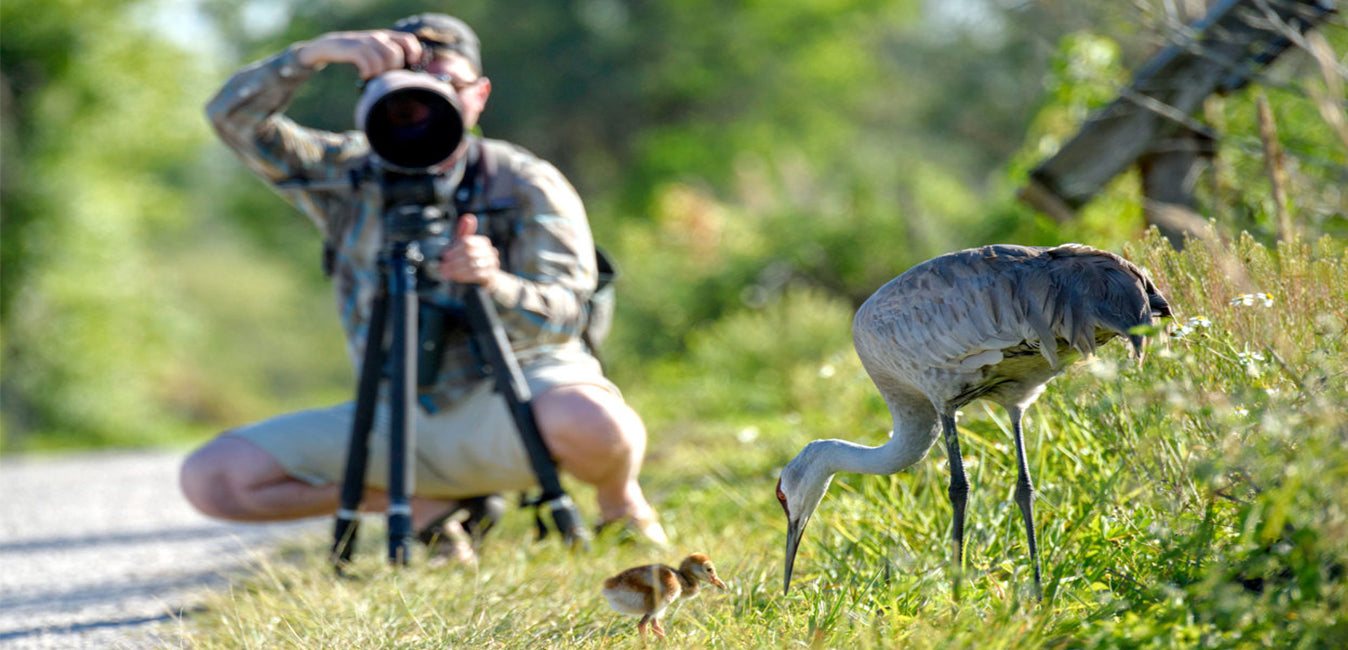
تسجل سريلانكا أكثر من 430 نوعًا من الطيور تضم الطيور المتوطنة والمقيمة والمهاجرة. من بين هذه الأنواع، يمكن لمراقبي الطيور مشاهدة أكثر من 200 نوع بسهولة. التنوع الواسع للطيور الموجودة في العديد من المنتزهات الطبيعية في سريلانكا يجعل هذه الجزيرة الاستوائية وجهة رئيسية لمراقبة الطيور في العالم. يُعد منتزه كومانة الوطني أهم وأشهر محمية طيور في سريلانكا. تدعم الحياة الطيور في كومانة بعض 20 بحيرة ومستنقع، مما يجعلها جنة لعلماء الطيور. خلال الفترة من أبريل إلى يوليو، تهاجر عشرات الآلاف من الطيور إلى منطقة مستنقع كومانة؛ وقد تم تسجيل ما يقرب من 255 نوعًا من الطيور في المنتزه سنويًا. تشمل الطيور التي يتم رؤيتها بانتظام الطيور الرفرافة، وطائر الرفراف المطلي، وطائر القارورة، واللقالق البيضاء، والبلشون، والرخمة الصغيرة، والمئات من طيور الغاق الصغيرة. تم أيضًا رصد اللقلق الأسود العنق في المستنقع.
من بين الطيور التي تتكاثر في كومانة فيلو هي الأنواع النادرة مثل اللقلق الأسود العنق، واللقلق الصغير، وطائر الرفراف الأوراسي، والطائر العريض الكبير.
تتجمع الطيور المهاجرة هنا في أسراب كبيرة. تشمل الأنواع المهاجرة هنا طائر الأوبنبيلا الآسيوي، وطائر الماء الأبيض الصدر، وطائر الإيبس اللامع الصفير، وطائر الرفراف الأرجواني، والبلشون العظيم، وبلشون البركة الهندي، وطائر الطقس، وطائر السوابفين الأرجواني، والبط، وطائر الرفراف الليلي ذو التاج الأسود، وطائر الرفراف المتوسط، وطائر الرفراف الصغير، وطائر الرفراف ذو المنقار المرقط، وطائر الغاق الهندي، وطائر الغاق الصغير، وطائر الماء المشترك وطائر الإوزة الصغيرة.
من بين الطيور النادرة التي تهاجر إلى المستنقع توجد الحمام الأخضر ذو القدم الصفراء، وطائر الدروغو ذو الذيل الرفيع الأكبر، وطائر المالكوه المالاباري، وطائر المالكوه ذو الوجه الأحمر وطائر المالكوه سيركير. طائر البوف الذهبية الباسيفيكية، وطائر الرمل الأكبر، وطائر الرمل الأصغر، وطائر الرملة الرمادي، وطائر التيرنستون الأحمر، وطائر الحلقة الصغيرة، وطائر الرمل الخشبي، وطائر الرمل المستنقعي، وطائر الرمان الأحمر المشترك، وطائر الرمل الشائع، وطائر الكيرلوي ساندبيبر، وطائر السنت الصغير، وطائر السنايب المشترك، وطائر السنايب ذو الذيل القلمي هي الطيور الواضحة التي تجدها في الحديقة.
الثدييات في منتزه كومانة الوطني
إلى جانب كونها مليئة بالحياة الطيور، يعد منتزه كومانة أيضًا موطنًا لبعض الثدييات الموجودة في منتزه يالا الوطني المجاور مثل الفيلة، والفهود، والذئب الذهبي، والخنازير البرية، والقندس الأوروبي وكذلك القط الأسماك المهدد بالانقراض.
المرتفعات الساحلية لمنتزه كومانة الوطني
المرتفعات الساحلية في كومانة بها سكان يعملون في صيد الأسماك في البحيرات وزراعة الأرز.
الطريق الساحلي المخطط من كيريندا إلى باناما
تراجعت أعداد الطيور في منتزه كومانة الوطني في السنوات الأخيرة. وقد أعرب البيئيون وعشاق الحياة البرية عن قلقهم بشأن الطريق المخطط بناءه من كيريندا إلى باناما، والذي سيمر على طول ساحل المنتزه، مما يزعج موائل الحياة الطيور.