Lakpura
Lakpura®

Coleus amboinicus

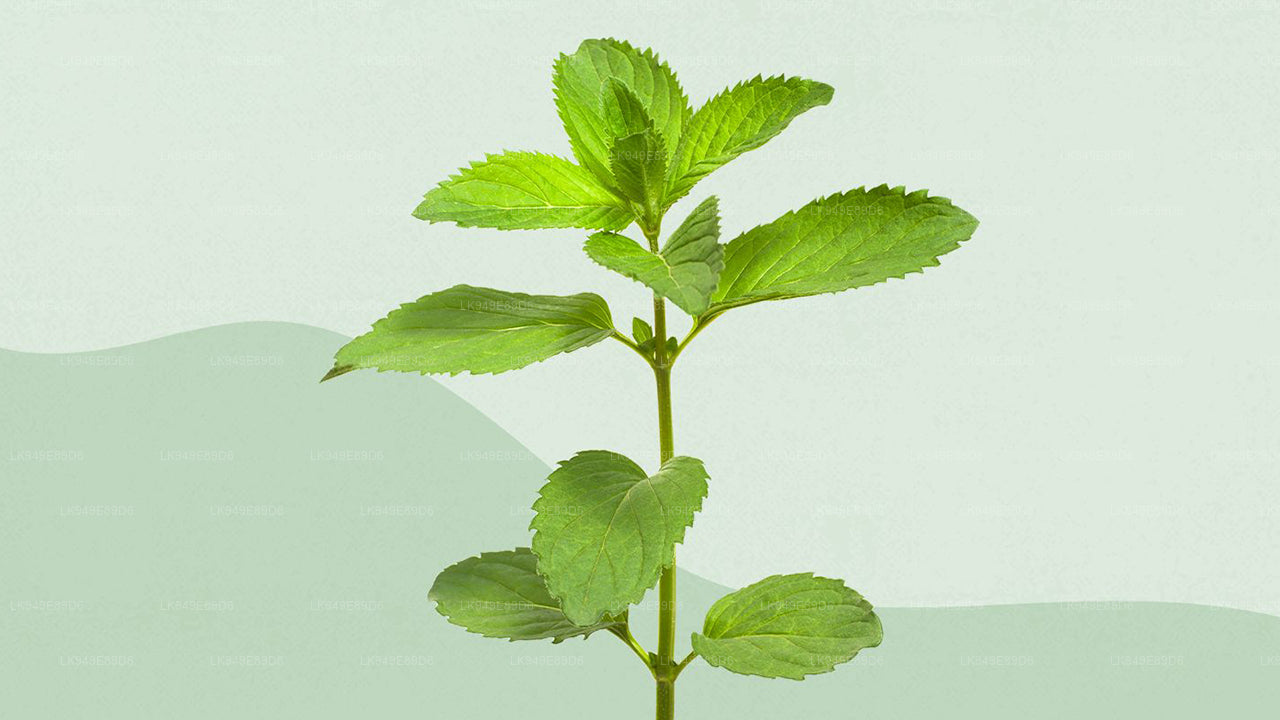
Coleus amboinicus, widely known as Mexican Mint or Indian Borage, is a semi-succulent perennial herb belonging to the family Lamiaceae. Its thick, fleshy leaves carry a pungent, oregano-like aroma — potent enough that even brushing against the plant releases a distinctive scent. Although its exact origin remains debated, botanists generally believe it is native to parts of Africa and possibly the Indian subcontinent, from where it spread across tropical and subtropical regions through human cultivation.

What are the common names for Coleus amboinicus?

Few herbs carry as many names as this one — a sign of how widely it has been adopted across cultures. In English alone it is called Indian Borage, Country Borage, French Thyme, Indian Mint, Mexican Mint, Cuban Oregano, Soup Mint, and Spanish Thyme. The plant is also known by its botanical synonym Plectranthus amboinicus, which appears frequently in scientific literature.

On the Indian subcontinent the names vary by region and language:

  • Hindi: Patharchur, Ajwain Leaves
  • Tamil: Karpooravalli
  • Malayalam: Muriyan Pacha, Murikooti
  • Sanskrit: Pashan Bhedi

In Sri Lanka the herb is cultivated as a kitchen-garden staple and is closely associated with Ayurvedic practice, sitting comfortably alongside better-known spices such as Ceylon black pepper in the island's rich herbal tradition.

What does Coleus amboinicus look like and how does it grow?

The plant is immediately recognisable by its fleshy, broad leaves, which are covered in fine hairs and have scalloped edges. Growth is low and spreading, rarely exceeding 50–100 cm in height. Because it is semi-succulent, it stores moisture in its leaves and stems — making it relatively drought-tolerant and well suited to the warm, humid conditions found across much of Sri Lanka.

Propagation is straightforward: stem cuttings root readily in well-drained soil with minimal attention, which partly explains the plant's global spread. It thrives in pots, kitchen gardens, and as a low border plant in home landscapes. The small tubular flowers — typically pale purple to white — attract pollinators but are produced infrequently in cultivation.

How is Mexican Mint used in cooking?

Culinary use is perhaps the most widespread application of Coleus amboinicus. The fresh leaves add a robust, oregano-forward flavour to a wide range of dishes, and the herb is commonly used as a substitute for oregano in tropical regions where that Mediterranean herb is less readily available.

Key culinary applications include:

  • Stuffings for meat and poultry — particularly beef, lamb, and game
  • Marinades and spice pastes for fish, mutton, and goat, where its intensity helps balance strong natural odours
  • Flavouring for soups, broths, and bean dishes across Caribbean and Southeast Asian cuisines
  • Fresh or dried addition to chutneys and condiments in South Asian cooking

Beyond the kitchen, fresh leaves are sometimes used to scent laundry and hair — a practice common in parts of Africa and South Asia — and the plant occasionally appears as an ornamental herb in gardens for its textured foliage.

What are the medicinal uses of Coleus amboinicus?

Coleus amboinicus has a long history in traditional and folk medicine across Asia, Africa, and the Americas. While contemporary research is still exploring many of these uses, the herb has been used for generations to address a range of common health concerns. Below is an overview of the most documented applications.

Respiratory support

The leaves are widely consumed — chewed raw, brewed as a tea, or inhaled as steam — to ease coughs, sore throats, congestion, and sinus discomfort. Certain compounds in the herb are thought to act as expectorants, helping to loosen and clear mucus from the respiratory tract. This makes it a popular home remedy during seasonal illness in Sri Lanka and across South Asia.

Urinary and kidney health

Leaf extracts have traditionally been used in India and Sri Lanka to support kidney function, address urinary tract infections, and assist with the management of kidney stones. These applications are rooted in Ayurvedic practice, though clinical evidence remains limited and should not replace professional medical advice.

Anti-inflammatory and joint support

The presence of omega-6 fatty acids in Indian Borage leaves has been cited in traditional medicine as a reason for its use in managing arthritis and reducing joint inflammation. Some practitioners recommend the herb as a dietary supplement for individuals prone to joint stiffness, and it has been suggested as a supportive herb for bone health, though scientific consensus on these claims is still developing.

Stress and anxiety relief

Certain organic compounds and minerals in Coleus amboinicus are mildly sedative in nature. In folk medicine across South Asia and the Caribbean, the plant has been used — typically as a tea — to promote relaxation, ease anxiety, and support restful sleep. It remains a component of some traditional formulas used in Ayurvedic practice alongside preparations such as Yogaraja Guggulu.

Fever management

Coleus amboinicus is classified as a sudorific herb — meaning it promotes sweating — and has traditionally been used to help manage fever associated with colds, flu, and other common illnesses. Induced perspiration was historically understood to aid the body in expelling toxins and accelerating recovery, particularly in the context of tropical infections.

Antioxidant and potential anti-cancer properties

Research has identified significant antioxidant activity in the stems and leaves of the plant. Preliminary laboratory studies have found that extracts may inhibit the proliferation of certain cancer cell lines and exhibit antiplatelet aggregation properties. These findings are early-stage, and no clinical conclusions should be drawn from them without further investigation.

Is Coleus amboinicus safe to use?

For most healthy adults, consuming Coleus amboinicus leaves in culinary quantities is considered safe. The herb has been eaten regularly across multiple cultures for centuries without widespread reports of adverse effects. However, medicinal doses — especially in concentrated extracts or teas consumed over extended periods — warrant caution. Pregnant women are generally advised to avoid therapeutic quantities, as some sources suggest the herb may stimulate uterine contractions. Anyone managing a chronic health condition should consult a qualified practitioner before using this or any herb medicinally.

How does Coleus amboinicus fit into Sri Lankan herbal traditions?

Sri Lanka has a rich Ayurvedic heritage, and plants like Coleus amboinicus are woven into everyday life in ways that visitors rarely see in guide books. Village home gardens — known as gedera wedathuru — typically feature a curated selection of medicinal and culinary plants, and Indian Borage is a common inclusion. The herb sits within a broader tradition of plant-based wellness that encompasses dozens of native and naturalised species, from the versatile coconut palm to specialised Ayurvedic compounds.

This living tradition is part of what makes Sri Lanka's cultural landscape so layered — botanical knowledge passed down through generations, practised quietly in kitchens and home gardens across the island.

Ask Lakpura® Agent