Fishing
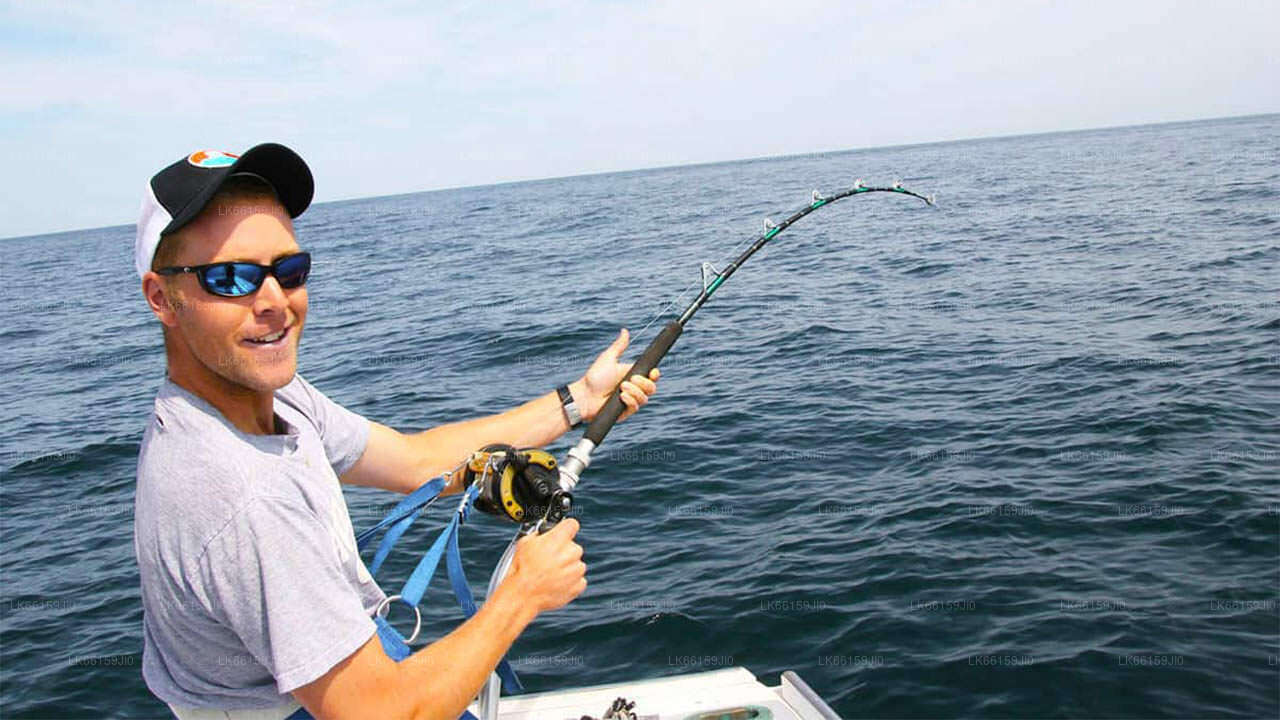
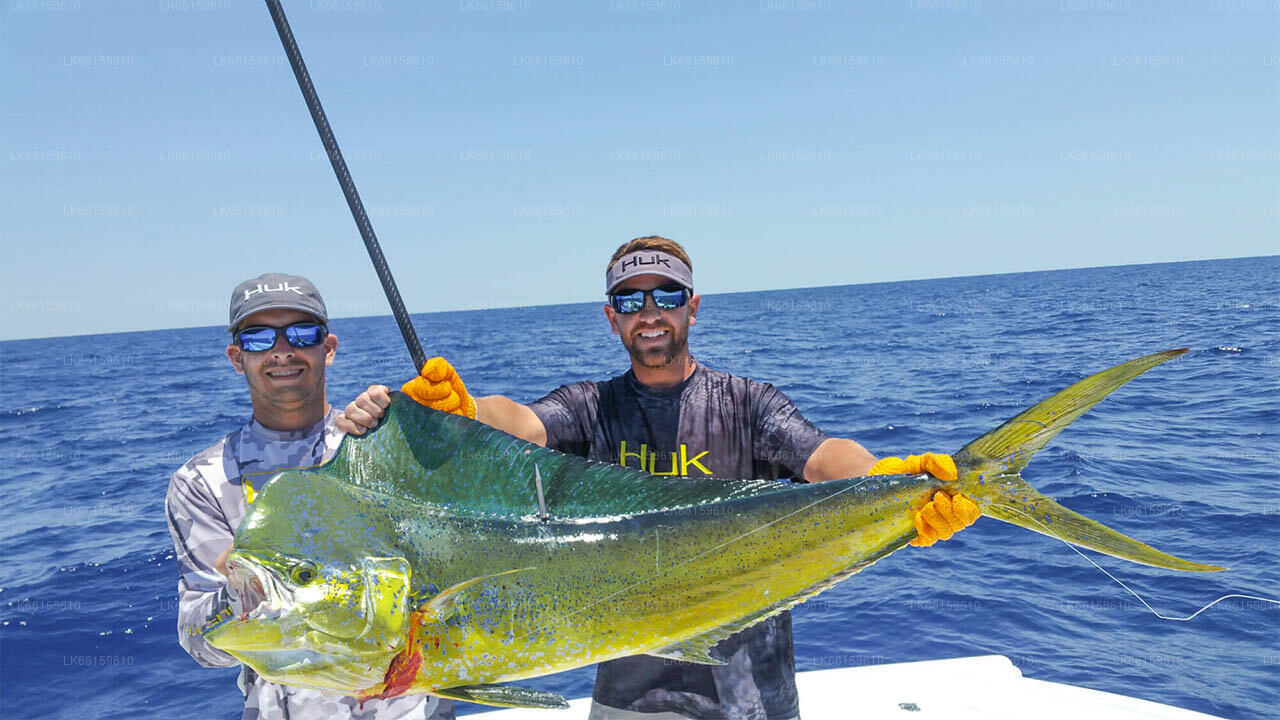
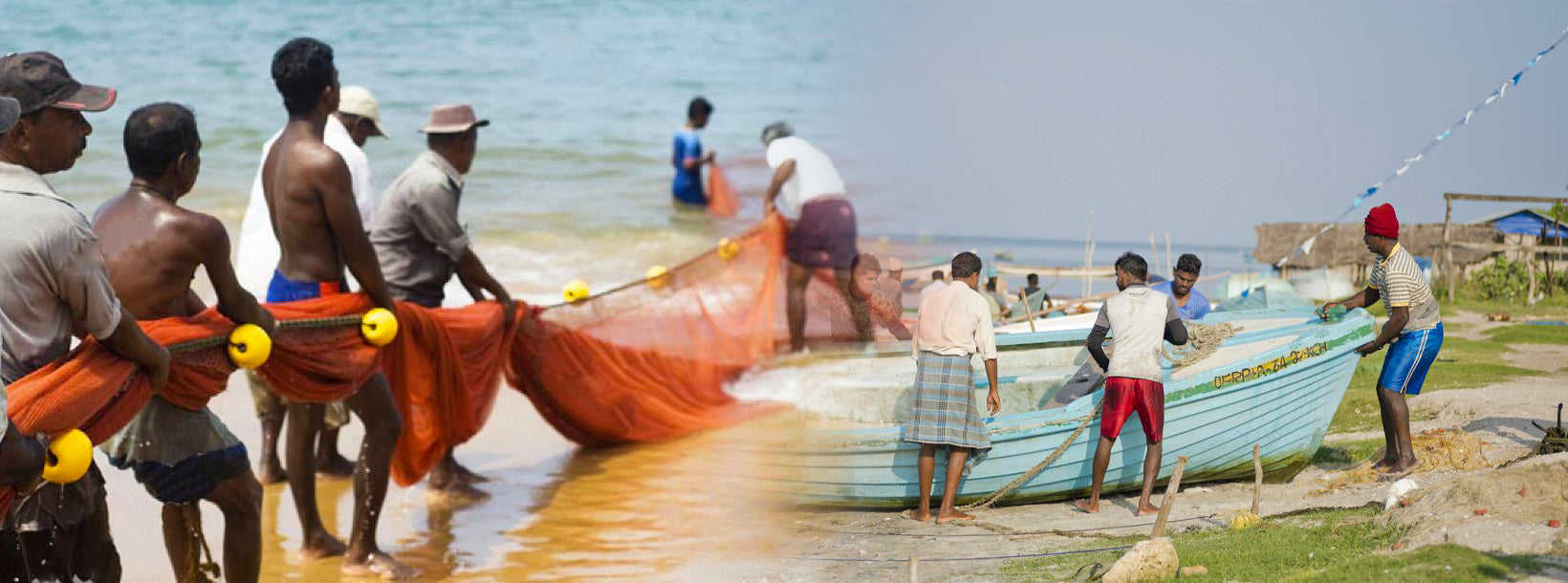
Fishing in Sri Lanka is a captivating experience for tourists, blending adventure with cultural immersion. The island’s rich marine biodiversity and diverse fishing grounds make it a paradise for anglers. Deep-sea fishing off the coasts of Negombo, Mirissa, or Trincomalee offers opportunities to catch marlin, tuna, and barracuda.
Reef Fishing
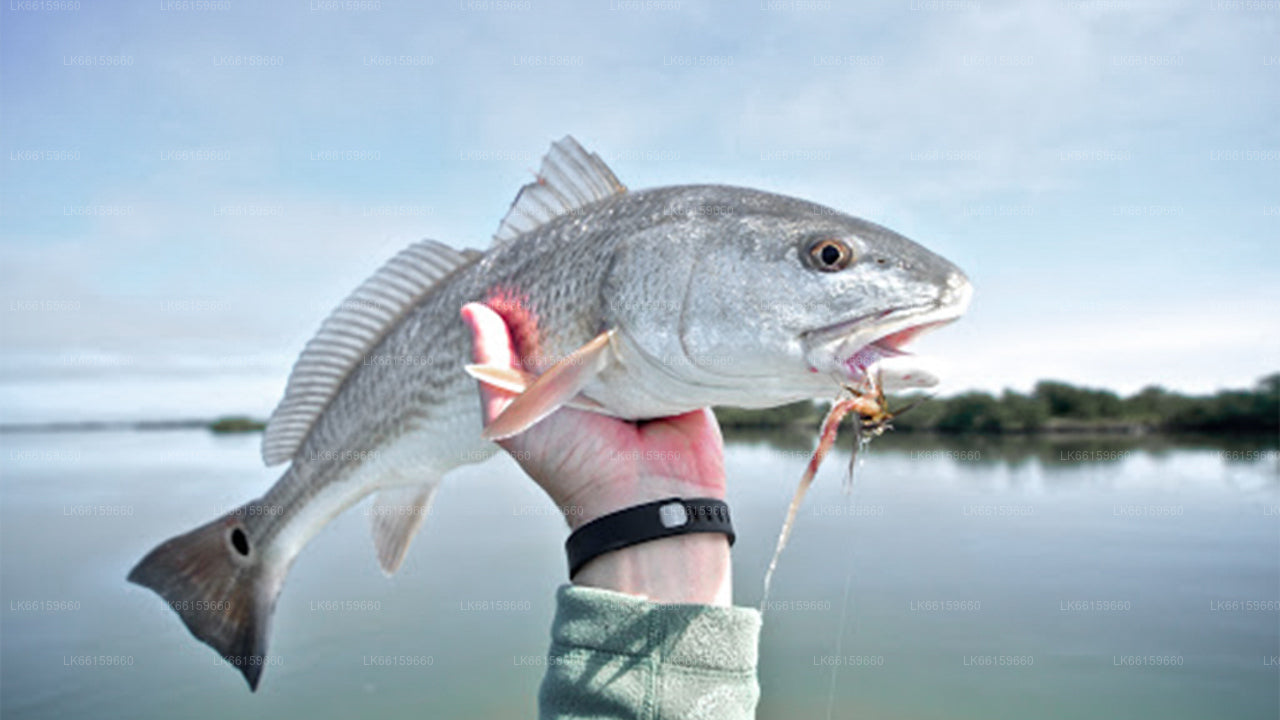
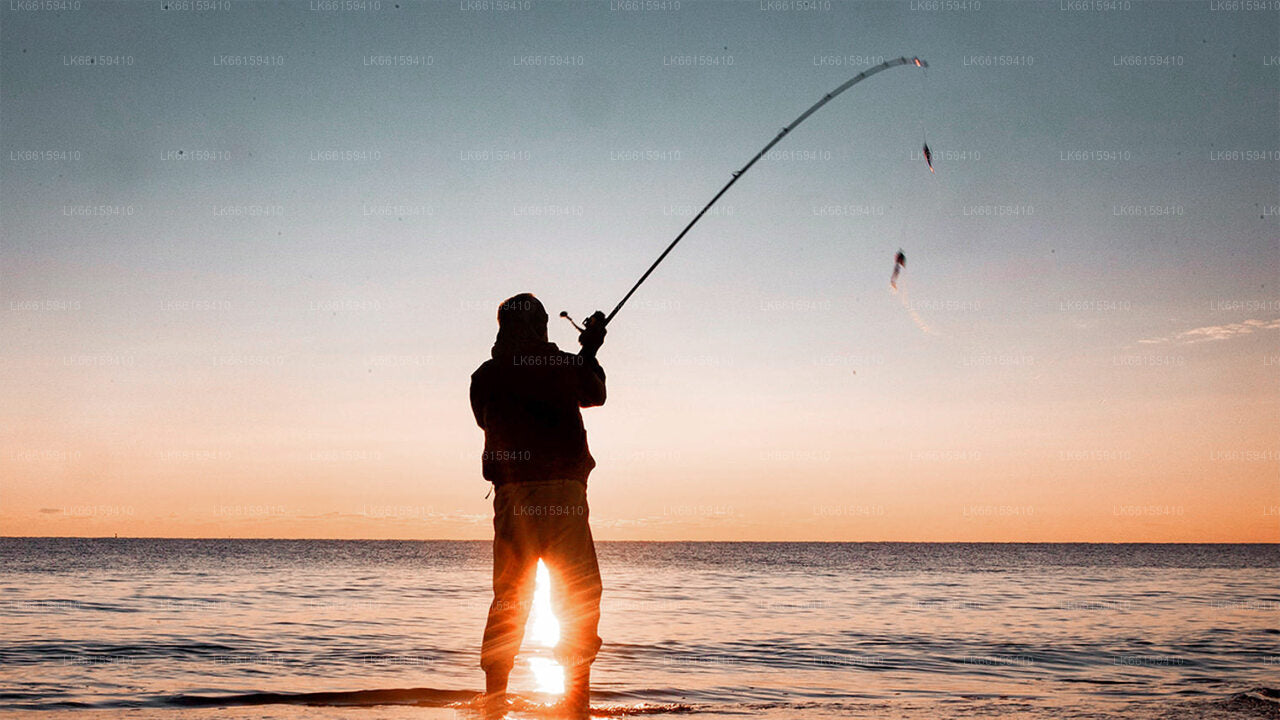
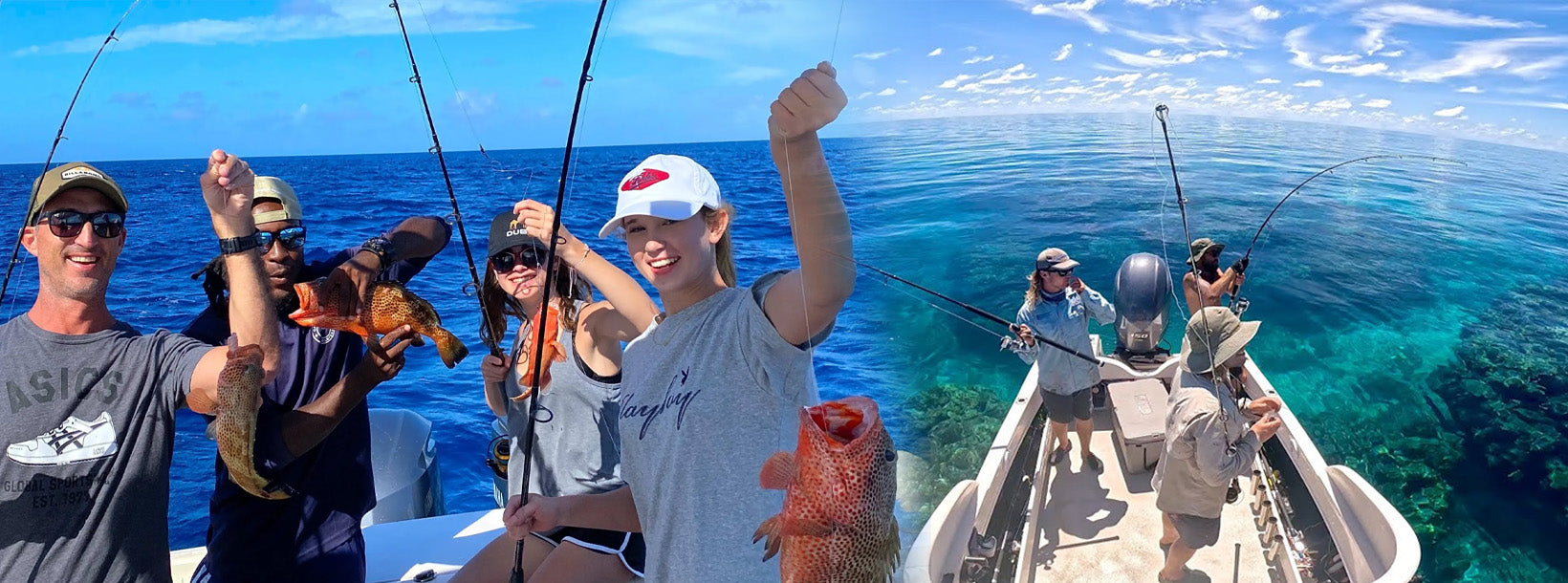
Reef fishing is a method that involves angling around coral reefs which are home to some of the most bio diverse ecosystems in the underwater world. These habitats which are found along the coastal belt of Sri Lanka offers you the opportunity to wade the clear waters and come across an array of tropical, colourful species of fish.
Sport Fishing
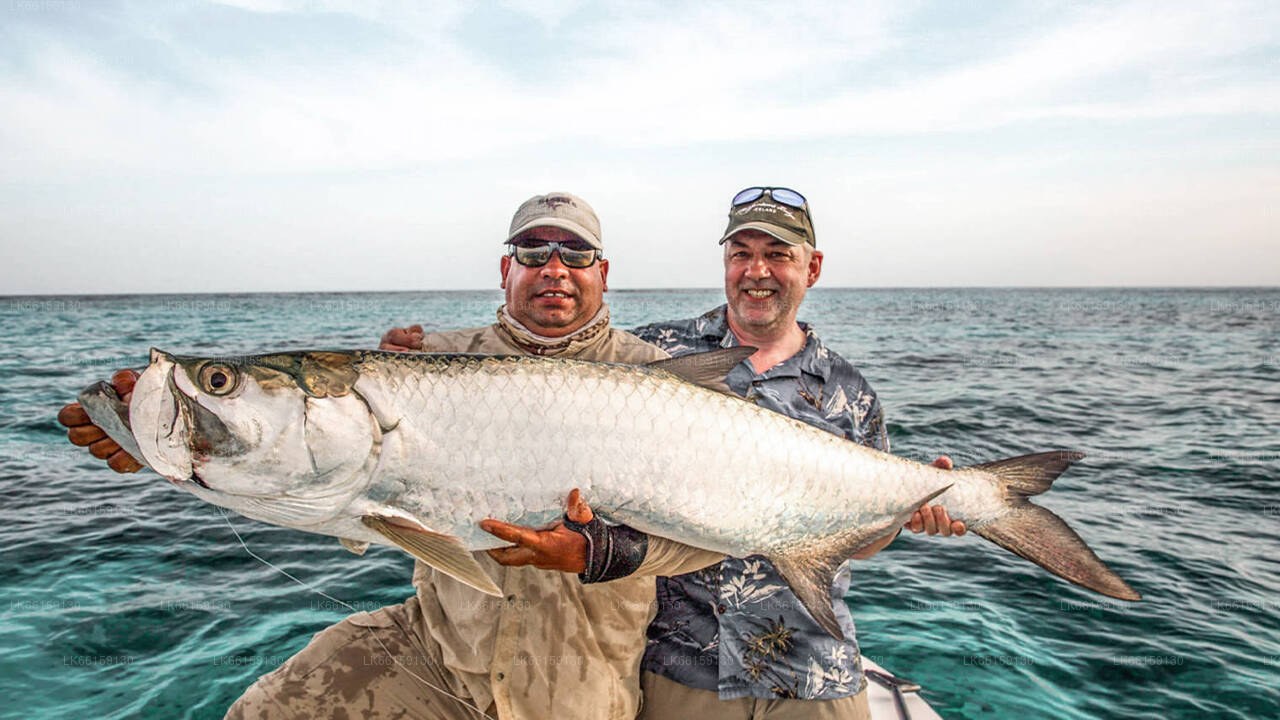
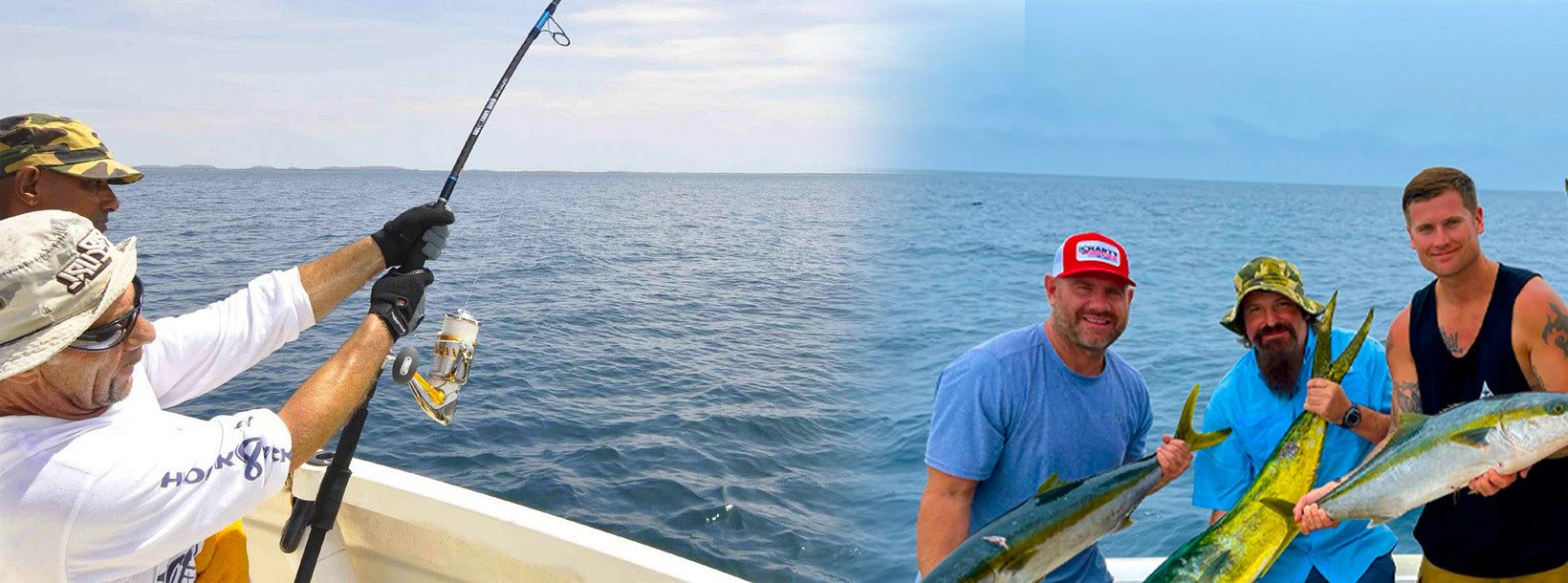
Sport fishing in Sri Lanka is a thrilling pursuit, offering exceptional opportunities for anglers seeking an adrenaline-packed adventure. The island’s waters are renowned for species like barracuda, giant trevally, yellowfin tuna, wahoo, and marlin, making it a top destination for big-game fishing.
Freshwater Fishing
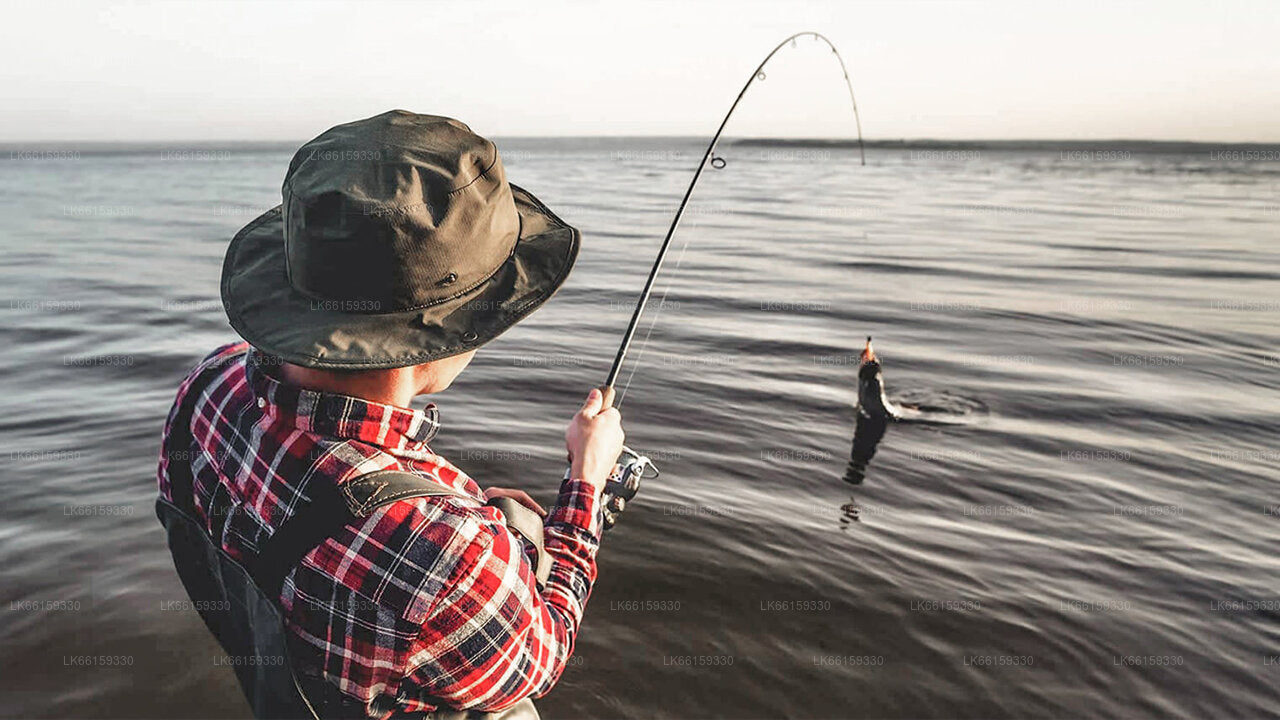
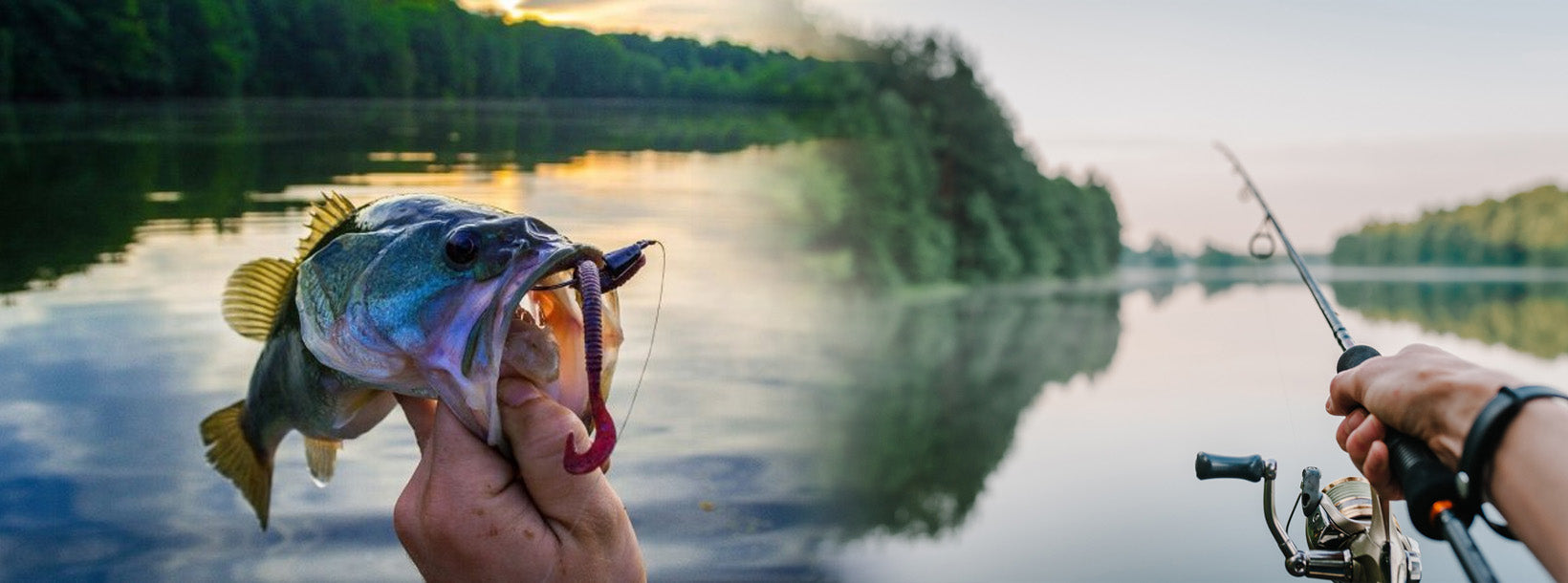
Freshwater fishing in Sri Lanka offers a serene and rewarding experience for nature enthusiasts and anglers alike. The island's inland water bodies, including lakes, reservoirs, and rivers, are rich with species like tilapia, catfish, snakehead, and mahseer. Popular freshwater fishing spots include the Mahaweli River, Victoria Reservoir, and the lakes of Tissamaharama.
Stilt Fishing
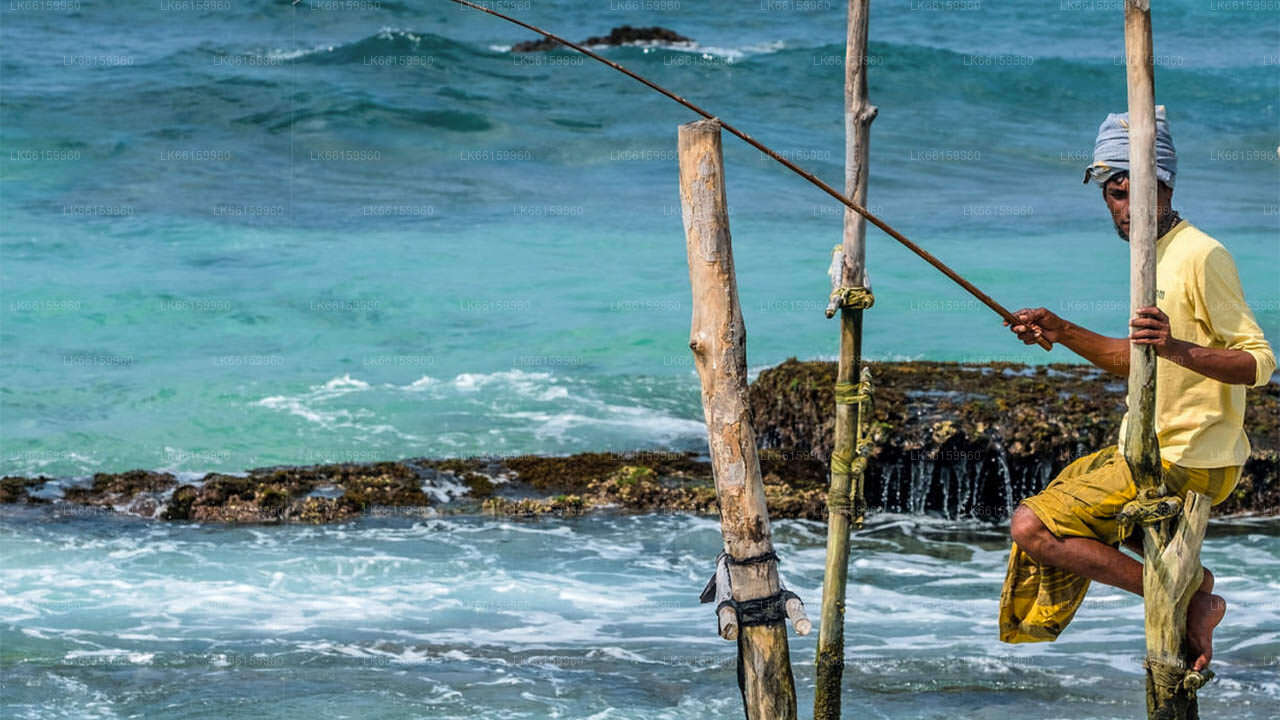
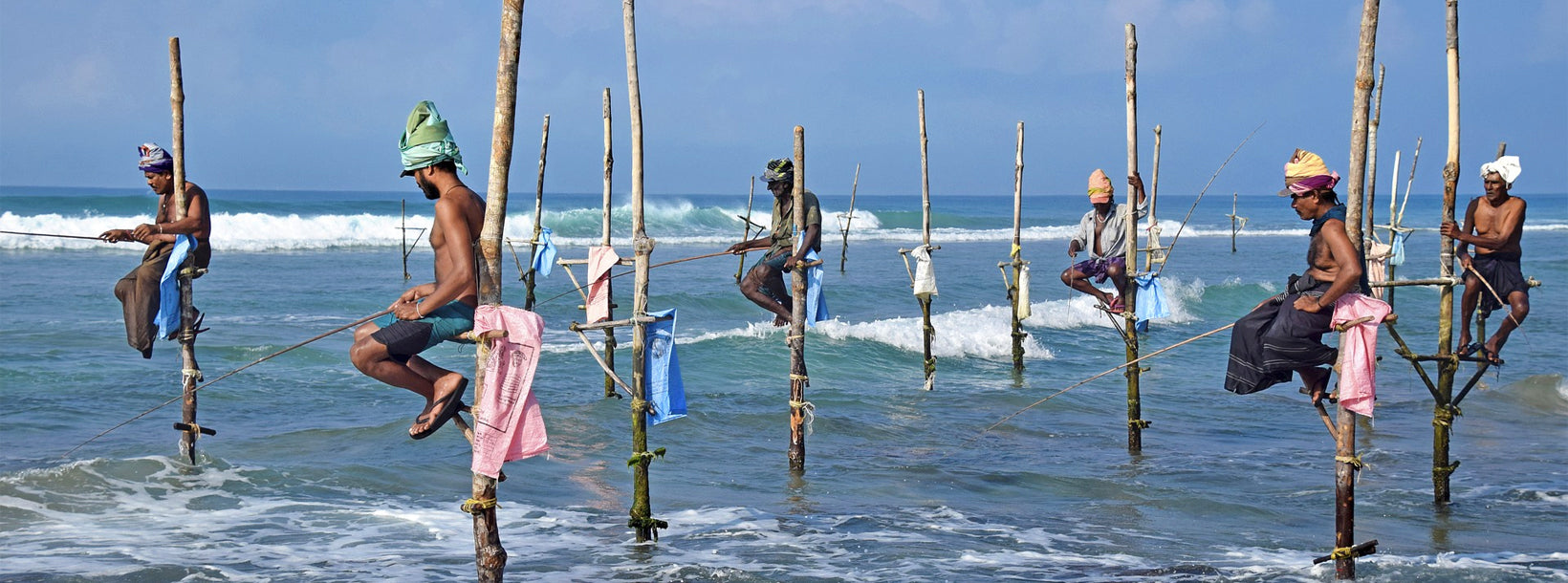
Stilt fishing is a traditional method unique to Sri Lanka’s southern coast. Fishermen perch on wooden poles planted in the shallow waters, casting lines into the sea. This centuries-old practice, passed down through generations, offers a striking, picturesque view at sunrise and sunset. It remains both a livelihood and cultural symbol of Sri Lanka’s coastal heritage.
泻湖捕鱼
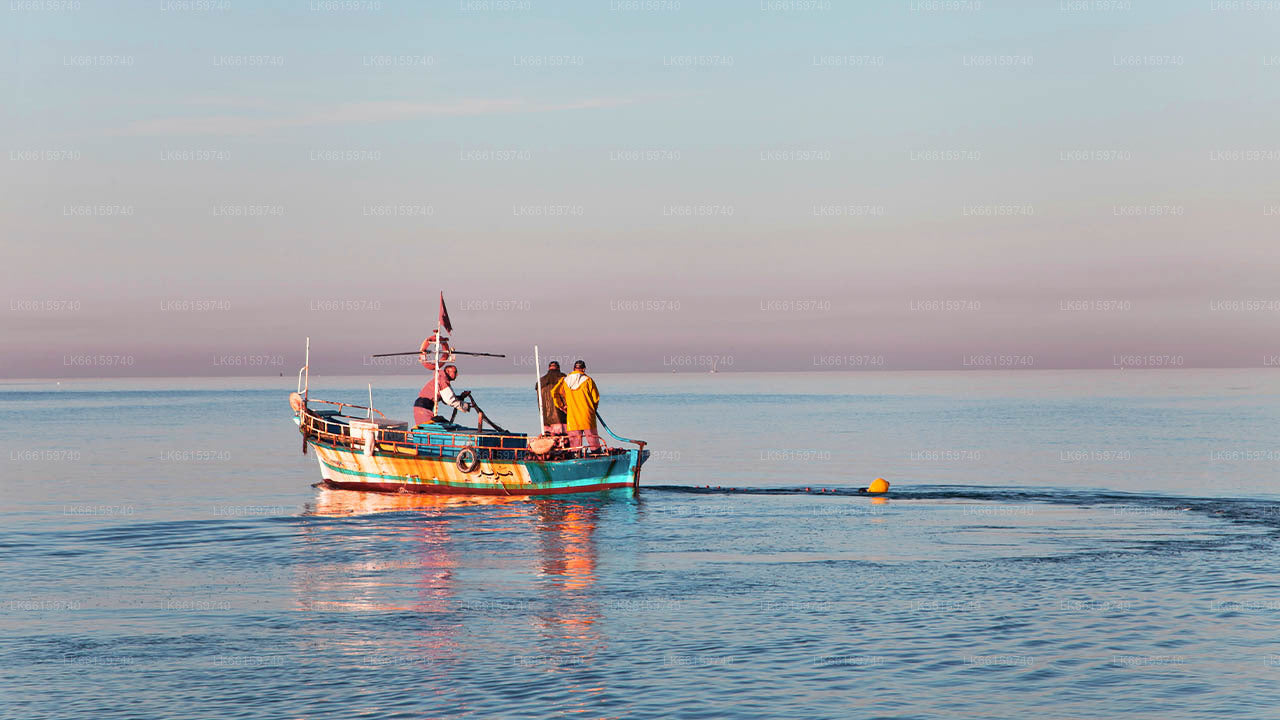
斯里兰卡的拉古恩捕鱼是一项传统且文化丰富的活动,仍然在沿海社区的生计中发挥着重要作用。该岛屿沿海布满了许多拉古恩,从北部的贾夫纳半岛到南部的地区,如加勒和马塔拉。这些咸水水域,在这里,来自河流的淡水与海洋相遇,创造了各种鱼类和甲壳类的理想栖息地,使它们成为非常富饶的捕鱼场所。几代人以来,当地渔民不仅依赖拉古恩作为食物来源,还将其作为收入来源,代代相传他们的知识和技术。
在斯里兰卡的拉古恩捕鱼技术多种多样,通常根据每个拉古恩的特性量身定制。传统方法包括使用小型独木舟,当地称为oruwa,这些独木舟配备了网、陷阱或手线。投网通常用于捕捉像鲻鱼和乳鱼这样的小鱼,而较大的鱼类和螃蟹可以通过在拉古恩入口处战略性地放置固定的篮式陷阱来捕捉。在某些地区,渔民还使用悬杆捕鱼技术,以捕捉特定物种,这需要技巧和耐心。现代的捕鱼方法逐渐进入这些社区,机动船只和改进的网具设计提高了效率,尽管许多人仍然保留传统的方法,以保持可持续性并尊重拉古恩的脆弱生态系统。
从生态角度来看,斯里兰卡的拉古恩不仅是鱼类的栖息地,还为各种鸟类和红树林提供了栖息地,这些都在保持水质和生物多样性中发挥着关键作用。这些拉古恩的健康直接影响到捕鱼活动的成功。过度捕鱼、污染和栖息地破坏是日益严重的问题,这促使一些社区采取更加可持续的做法。拉古恩资源的合作管理、季节性捕鱼限制和捕捞量的仔细监控正逐渐被鼓励,以确保拉古恩捕鱼能够继续支持当地社区,世代相传。
除了经济和生态方面,拉古恩捕鱼还有文化和社会意义。节日和社区聚会常常围绕着捕鱼日历展开,突出展示斯里兰卡沿海社区与环境的紧密联系。来访的游客也有机会见证或参与拉古恩捕鱼,为他们提供了一个了解一个在现代变化中仍然具有显著抗压性的生活方式的机会。