Lakpura
Lakpura®

Mattala City

Mattala is a small, unhurried settlement in Sri Lanka's Southern Province, positioned between the dry-zone plains and the Indian Ocean coast. Most travellers know the name from Mattala Rajapaksa International Airport, but the area around it rewards those who linger. Paddy fields, scrub jungle, and salt-tinged coastal wetlands define a landscape that feels genuinely off the beaten path, even as the south draws growing visitor numbers year on year.

What is Mattala known for?

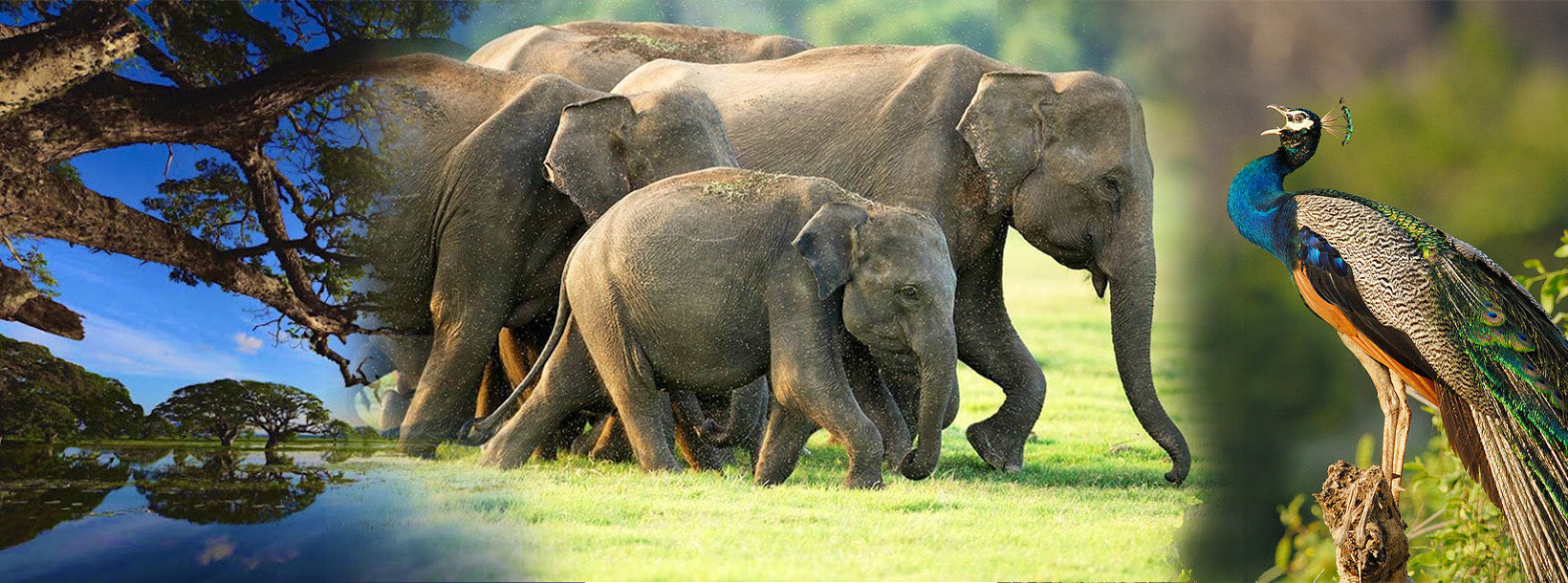
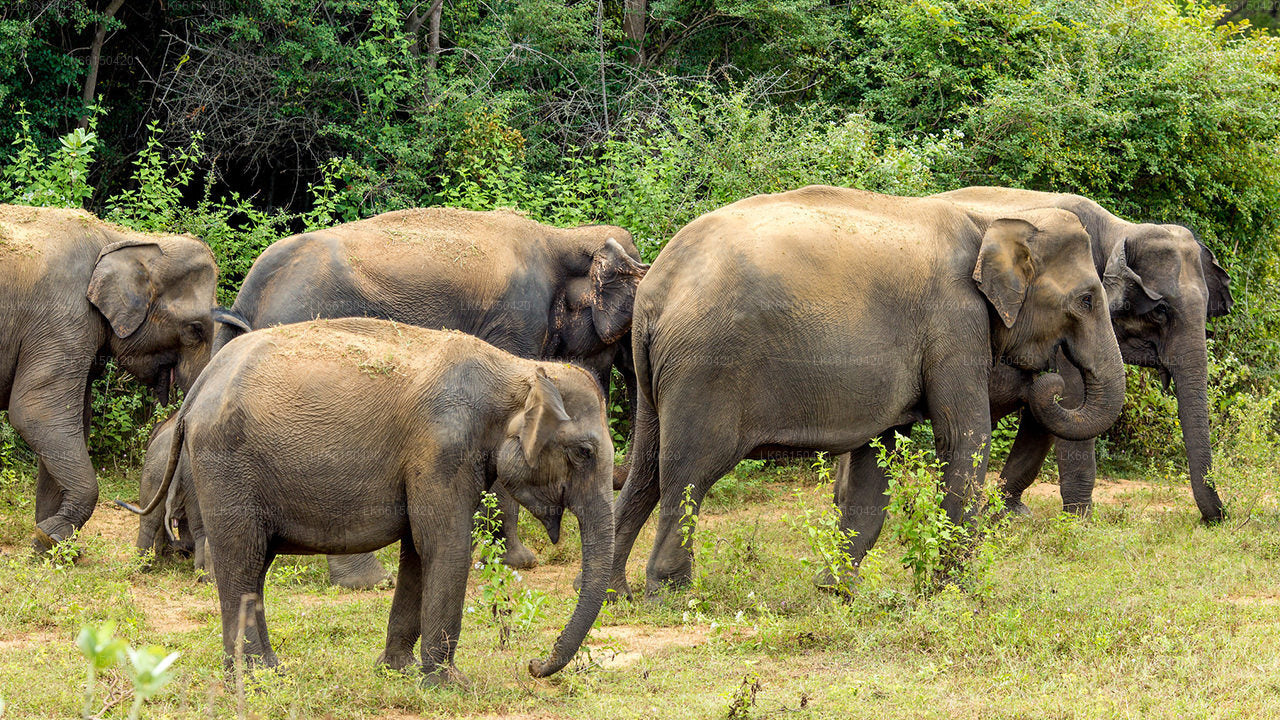
Mattala sits roughly 18 kilometres north of Hambantota town and within easy reach of several of the Southern Province's most ecologically important areas. The region is dry-zone Sri Lanka at its most characteristic: thorny scrub alternating with open grassland, shallow seasonal tanks, and a sky that feels enormous. Elephant sightings on the roads near the airport have become almost routine — the surrounding jungle corridors are active wildlife habitat, not just scenery.

The village itself offers a window into traditional Sri Lankan agricultural life. Paddy cultivation is central to the local economy, and the rhythm of planting and harvest shapes the community's calendar in ways that have changed little over generations.

What wildlife can I see near Mattala?

Bundala National Park, a UNESCO Biosphere Reserve located a short drive to the south-west, is the headline wildlife destination for the area. The park protects a chain of lagoons and marshes along the coast and is internationally recognised as a wetland of global importance. Birdwatchers will find it particularly rewarding: over 200 species have been recorded here, including greater flamingo, painted stork, black-necked stork, and a variety of raptors. Migratory shorebirds arrive in large numbers between September and March.

Beyond birds, Bundala supports healthy populations of Sri Lankan elephants, estuarine crocodiles, water buffalo, and several species of monitor lizard. The park's open terrain and well-maintained tracks make wildlife spotting relatively straightforward compared to the denser forests further north.

For those interested in observing crocodiles in their natural habitat, the lagoon margins around Bundala are among the most accessible sites in the country. Crocodile watching excursions can be arranged from nearby lodges and are best undertaken in the early morning or late afternoon.

Visitors who want to extend their wildlife itinerary should consider Udawalawe National Park, roughly two hours north-east of Mattala, which is widely regarded as Sri Lanka's best destination for reliable elephant sightings in open savanna habitat. The Elephant Transit Home adjacent to Udawalawe offers a chance to watch orphaned calves being rehabilitated before their release into the wild.

When is the best time to visit Mattala?

The Southern Province operates on the south-west monsoon calendar. The driest and most comfortable period for visiting Mattala and Bundala is typically between May and September, when the north-east monsoon brings rain to other parts of the island but leaves the south largely dry. Wildlife concentrates around remaining water sources during these drier months, making game drives particularly productive.

From October through January, the area can receive intermittent rain from the north-east monsoon, though the south coast is rarely as heavily affected as the east. Migratory birds peak between November and March, which makes this period the preferred season for serious birdwatchers despite the occasional shower.

Month Rainfall Wildlife Highlights
May – September Low Elephants, resident birds, clear skies for photography
October – January Moderate Migratory shorebirds, flamingos arriving
February – April Low to moderate Resident species active, good general wildlife viewing

How do I get to Mattala from Colombo?

The most straightforward route from Colombo to Mattala is via the Southern Expressway (E01), which connects the capital to Hambantota in around three to three-and-a-half hours under normal traffic conditions. From Hambantota, Mattala is a short drive inland. Self-drive car hire is possible, though hiring a driver familiar with the area is generally more practical for first-time visitors to the Southern Province. The road network in this part of the country is good by Sri Lankan standards, and the drive through the coastal hinterland is pleasant in its own right.

Travellers arriving at or departing from Mattala Rajapaksa International Airport can access the national park circuit and surrounding attractions with minimal additional travel time, making this airport a logical entry or exit point for a southern Sri Lanka itinerary.

What else is near Mattala?

Hambantota town, the closest urban centre, has a character quite distinct from the resort strips further west. The town's salt pans are a working industry that also doubles as a productive bird habitat — flamingos and waders are commonly seen picking through the shallows. The coast around Hambantota is quieter than beaches near Mirissa or Unawatuna, which suits travellers looking for space rather than activity.

The Sinharaja Forest Reserve, Sri Lanka's largest remaining area of primary lowland rainforest and a UNESCO World Heritage Site, lies roughly two hours to the north-west and makes a worthwhile half-day or full-day excursion for those based in the Mattala area.

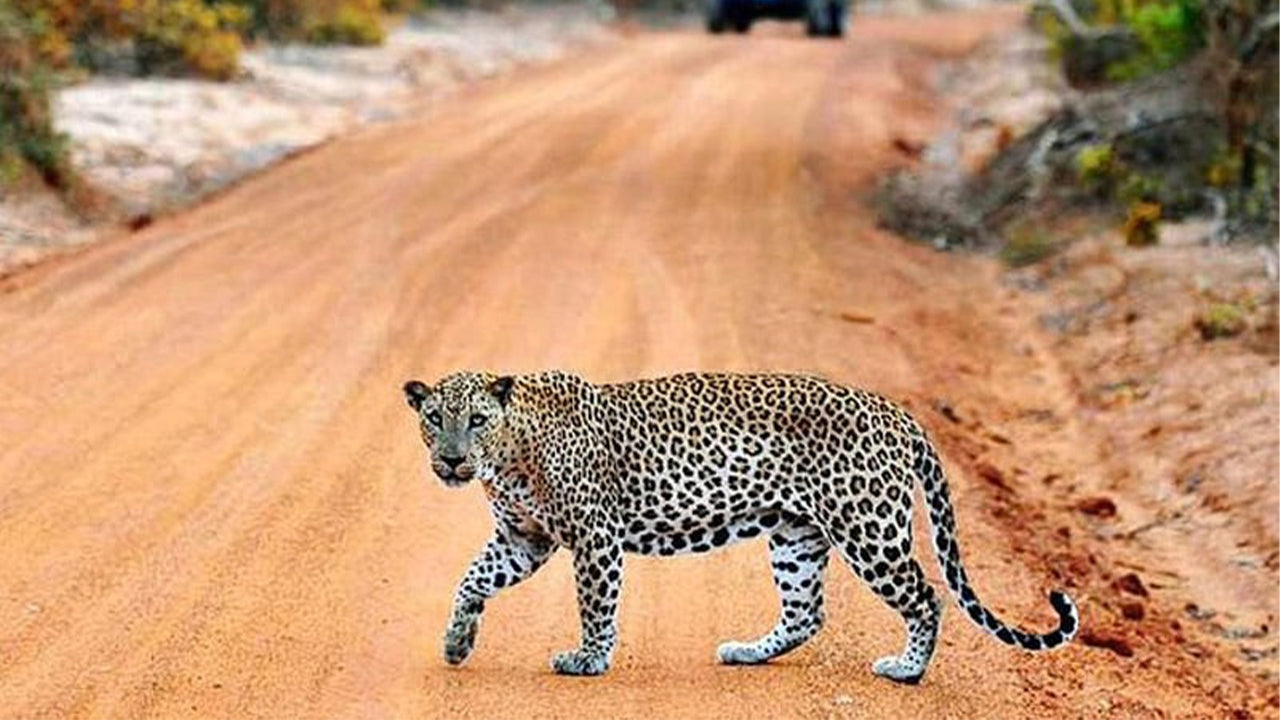
Heading north along the coast, the town of Tissamaharama serves as the main base for visits to Yala National Park — Sri Lanka's most visited wildlife sanctuary, renowned for its density of leopards. Yala's northern boundary begins within easy reach of Mattala, making the area an effective hub for exploring multiple protected areas in a single trip.

What should I know about local culture around Mattala?

The communities around Mattala are predominantly Sinhalese and Buddhist in character. Farming and fishing are the economic foundations, and the pace of life reflects this — slow, seasonal, and tied to the land. Visitors who take the time to explore village roads rather than staying on the highway often encounter the kind of ordinary, generous Sri Lankan hospitality that is harder to find in more heavily touristed areas.

Local markets in Hambantota are worth a visit for fresh produce, dried fish, and the cashew preparations for which this part of the south is well regarded. The broader Southern Province is also known for its association with traditional crafts and for producing some of the country's best coconut-based foods — coconut cultivation has deep roots in coastal Sri Lanka, and the palms that line rural tracks around Mattala are a working landscape as much as a scenic one.

Is Mattala suitable as a base for a southern Sri Lanka itinerary?

Mattala works well as a base for travellers who want to cover multiple sites across the Southern Province without doubling back to Colombo. Bundala, Yala, Udawalawe, and the Hambantota coast are all within a reasonable radius, and accommodation options — while less developed than in Mirissa or Tangalle — have expanded in recent years. For those whose itinerary includes the central highlands, Ella is accessible from the Hambantota area via a scenic drive through the tea country, though it is a longer journey than it appears on the map.

The area's relative lack of tourist infrastructure is, for many visitors, precisely its appeal. Mattala and its surroundings offer a version of southern Sri Lanka that has not yet been packaged for mass consumption.

Ask Lakpura® Agent