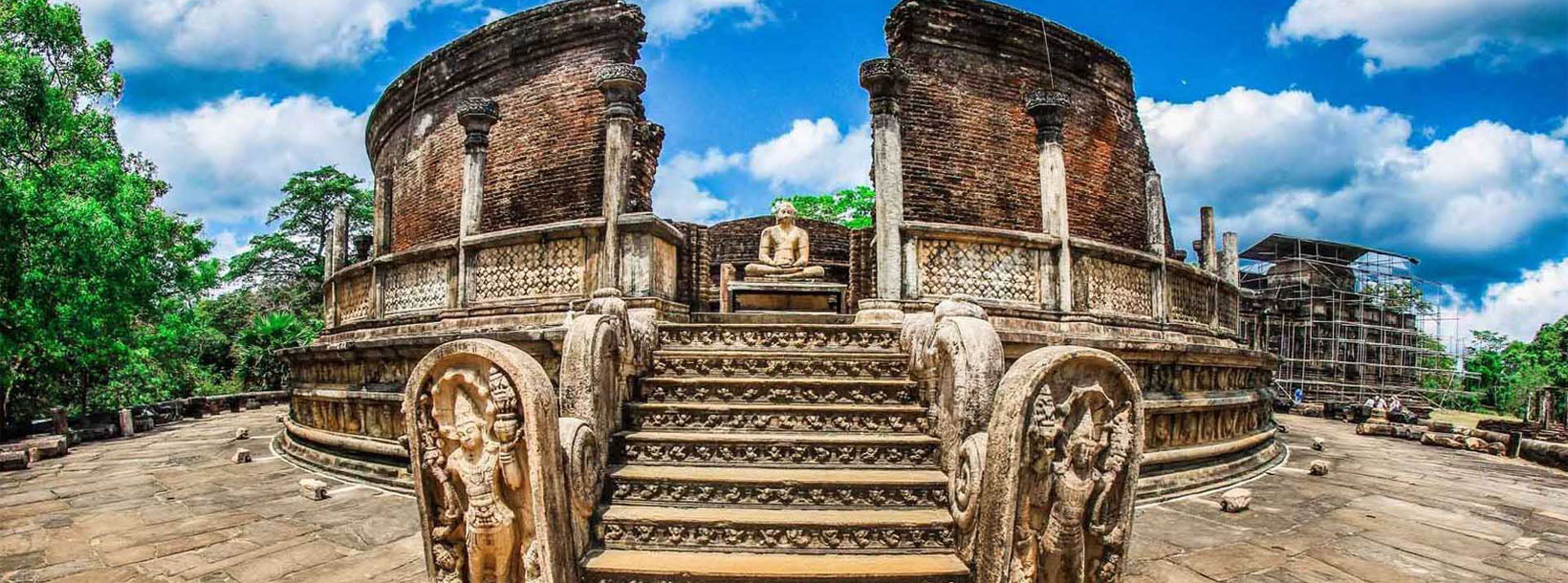
Lotus Pond (Ancient Nelum Pokuna)

Lotus Pond (Ancient Nelum Pokuna) Lotus Pond (Ancient Nelum Pokuna) Lotus Pond (Ancient Nelum Pokuna)

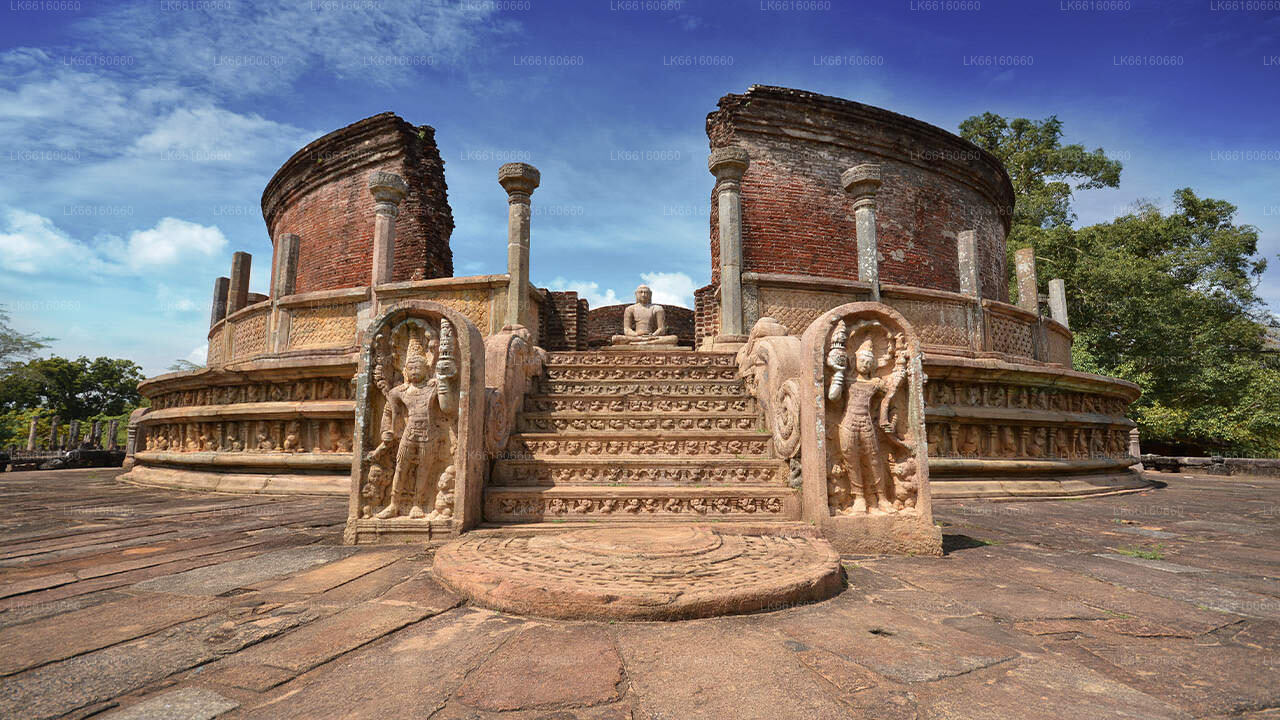
The Lotus Pond, known in Sinhala as Nelum Pokuna, is an ancient stone bath located within the archaeological precincts of Polonnaruwa in Sri Lanka. Thought to date from the reign of King Parakramabahu I (12th century), it is an iconic example of the skilled stonework and aesthetic sensibility of the Polonnaruwa era.

This pond is carved from granite in the shape of a fully bloomed lotus flower. Its design consists of five concentric tiers, each forming eight petals that slope inward in concave form toward a central stamen. The dimensions are remarkable, with the outer diameter measuring about 24 feet and 9 inches, contracting toward a central circle of roughly 5 feet and 4 inches across.

The Lotus Pond is believed to have served as a bathing tank for monks associated with the nearby Jetavana Vihara. Its architectural refinement and symmetry reflect both functional utility and spiritual symbolism. Visitors can walk around its perimeter, gaze into the layered lotus design, and appreciate how light plays across the smooth stone and petal contours.

The site is accessible year-round via the paths within the Polonnaruwa Archaeological Park. It is best visited in the dry season, when the light accentuates the stone curves and pedestrian access is more comfortable. Morning or late afternoon visits offer the most serene atmosphere and soft lighting to admire the structure.

Polonnaruwa Bölgesi Hakkında

Polonnaruwa, Sri Lanka'nın kuzey-orta eyaletinin en büyük ikinci şehridir. Antik Polonnaruwa şehri, UNESCO tarafından Dünya Mirası Alanı ilan edilmiştir. Polonnaruwa, arkasında büyük bir fetih ve mücadele geçmişi barındırır ve haklı olarak Kültür Üçgeni'nin üçüncü unsurunu oluşturur. Kandy'nin yaklaşık 140 km kuzeydoğusunda yer alan Polonnaruwa, sayısız önemli turistik yeri ile tarih ve kültür tutkunlarına saatlerce sürecek bir keyif sunar.

Bugün ayakta kalan fiziksel kalıntıların çoğu, parklar, yapılar, sulama sistemleri vb. dahil olmak üzere şehir planlamasına büyük miktarda kraliyet kaynağı harcayan Kral Parakrama Bahu I'e aittir. Hükümdarlığı dönemi, krallığın vizyon sahibi bir hükümdar altında gelişip zenginleştiği bir altın çağ olarak kabul edilir. Parakrama Samudra, devasa bir su deposudur ve adını koruyucusunun adından alır. Kralın popüler Kraliyet Sarayı, güzelce oyulmuş taş fillerle çevrili Kabul Salonu ve Yüzme Havuzu, dönemin üstün mühendislik yeteneklerini yansıtır.

Kuzey Merkez Eyaleti Hakkında

Ülkenin en büyük ili olan Kuzey Merkez Eyaleti, ülkenin toplam yüzölçümünün %16'sını kaplamaktadır. Kuzey Merkez Eyaleti, Polonnaruwa ve Anuradhapure adlı iki ilçeden oluşmaktadır. Anuradhapura, Sri Lanka'nın en büyük ilçesidir ve yüzölçümü 7.128 km²'dir.

North Central Province has numerous potentials for Investors to start their Businesses, especially Agriculture, agro based industries and Livestock sectors. More than 65% of North Central Province's people depend on basic Agriculture and agro base industries. NCP also called "Wew Bendi Rajje" because there are more than 3,000 medium and large scale tanks situated in the province. Sri maha bodiya, Ruwanweli seya, Thuparama dageba, Abayagiri Monastry, Polonnaruwa Rankot wehera, Lankathilake are scared