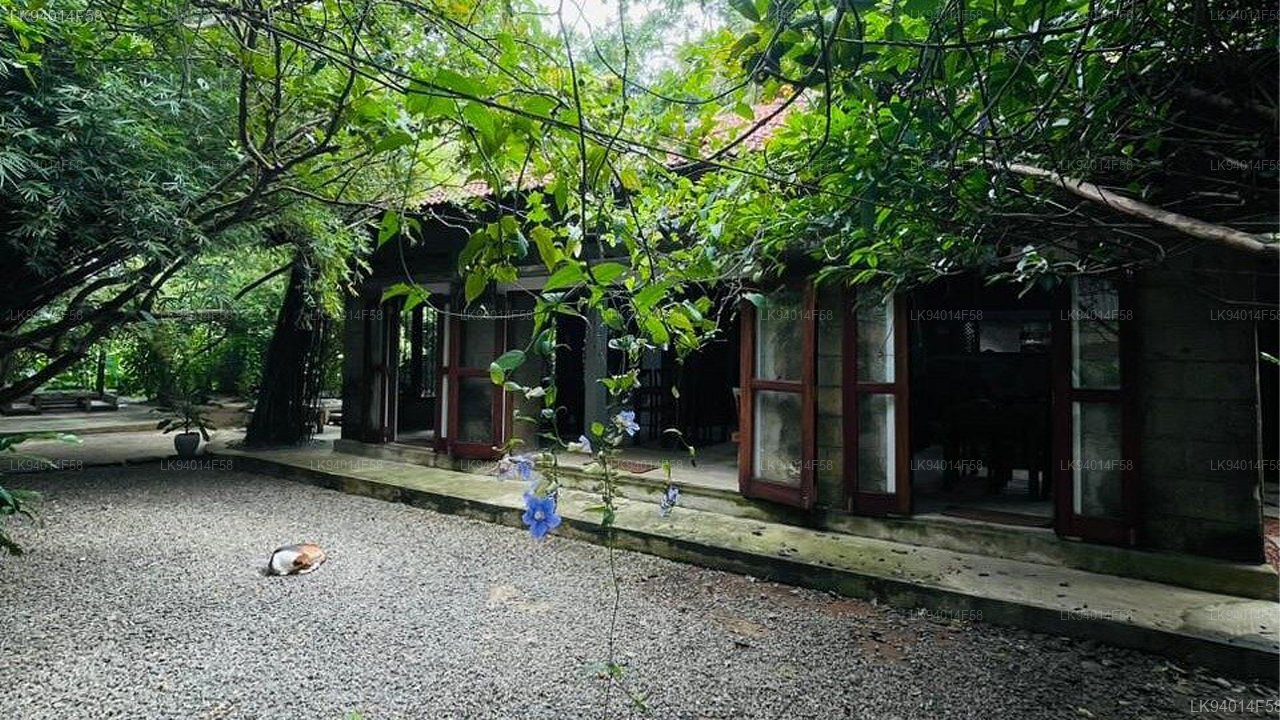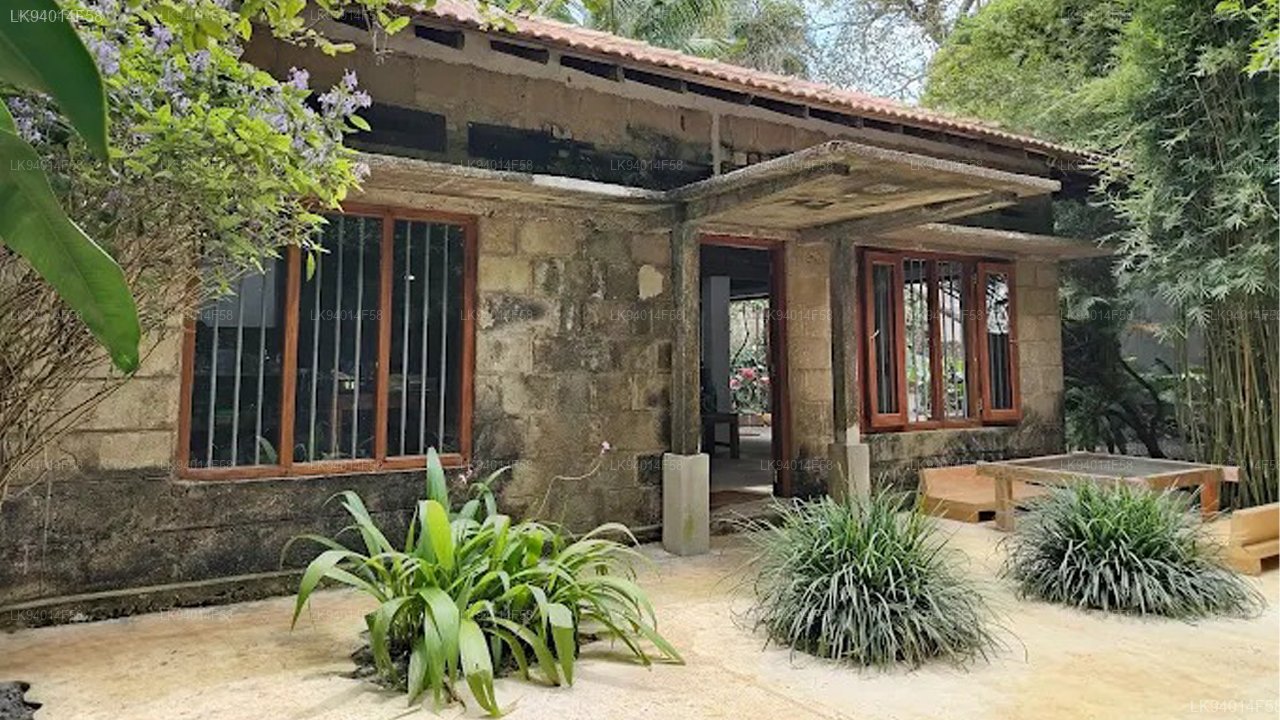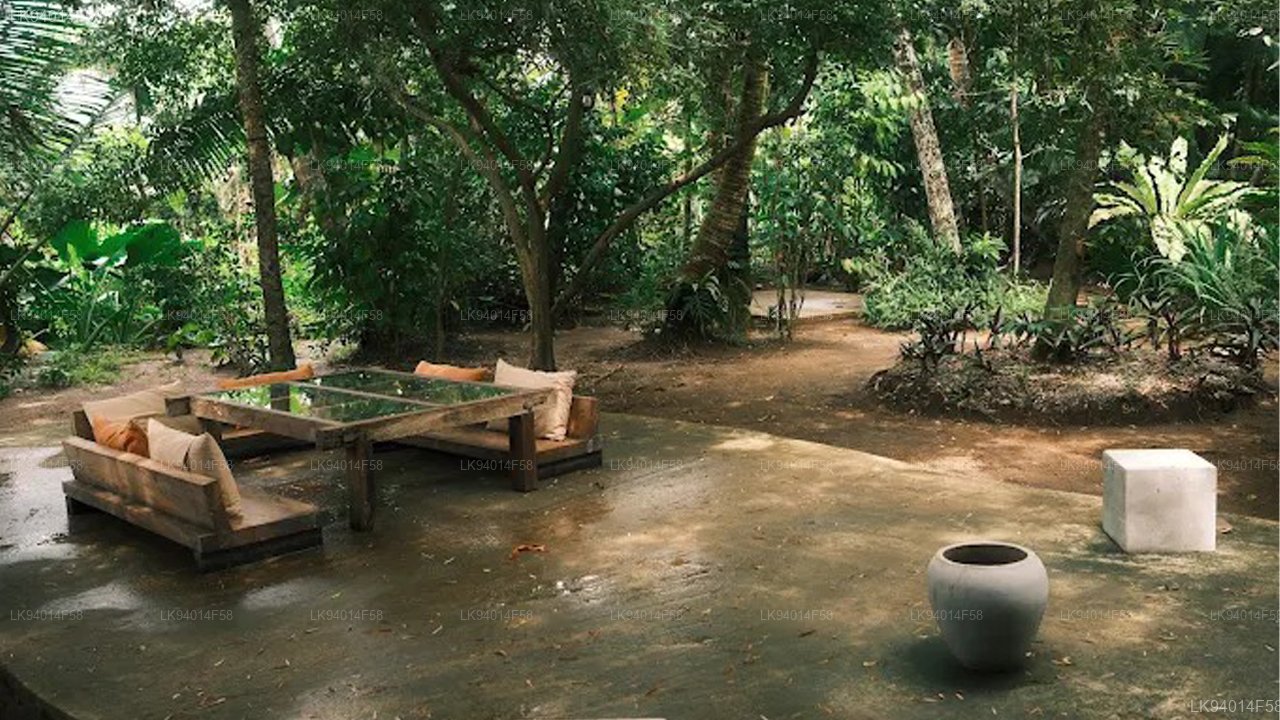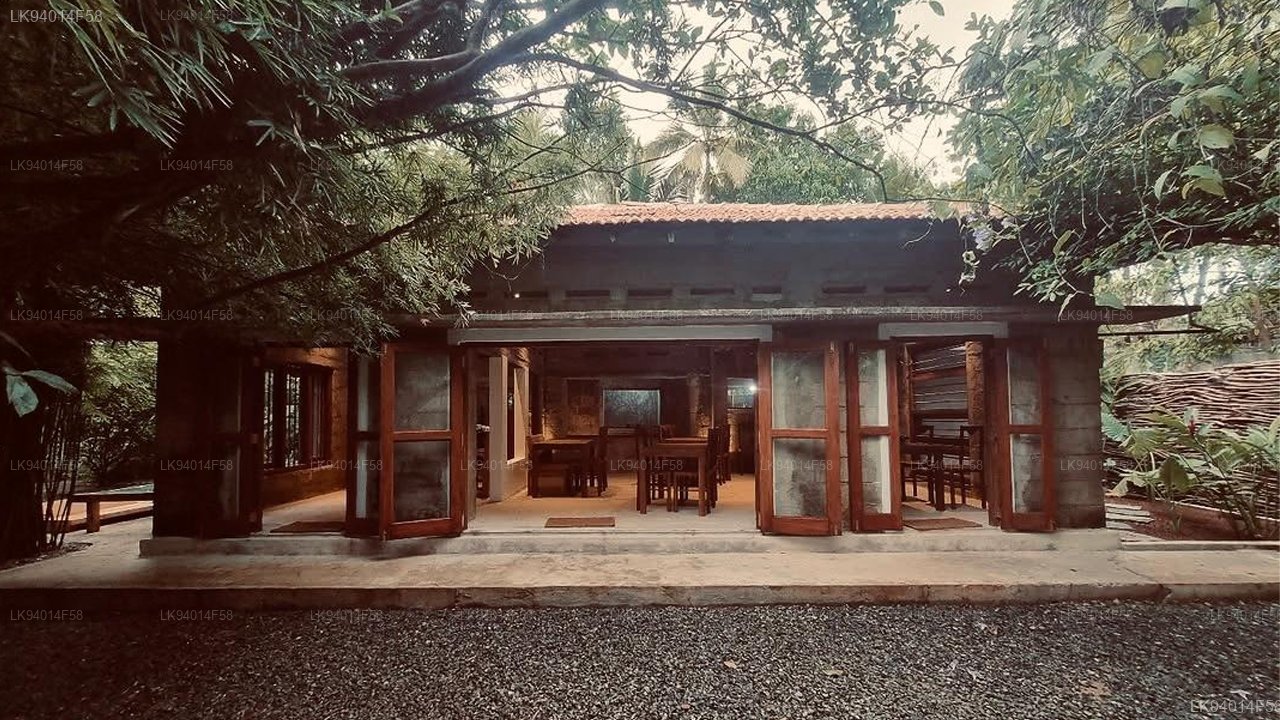
Tucked into the laid-back coastal town of Ahangama on Sri Lanka's Southern Province, Folklore Ahangama is a living cultural space where the island's oral and artistic traditions are kept in active practice. Unlike a museum, it is a participatory venue — visitors come to watch, listen, and often to try their hand at crafts that local communities have refined over generations. For travellers who want more than beaches and ruins, this is one of the south coast's most rewarding cultural stops.
What is Folklore Ahangama, and what can visitors expect?
Folklore Ahangama functions as a community-rooted cultural centre dedicated to Sri Lanka's folk heritage. Its programming draws on the rich performance traditions of the island's southern coastal communities, which differ in character from the highland Kandyan arts more commonly associated with Sri Lankan culture. Performances typically include drumming, mask theatre rooted in the Kolam tradition, and devil-dancing ceremonies (Tovil) that blend ritual, humour, and spectacle. These are not staged reproductions but living expressions of belief and community identity.
Beyond performance, the centre hosts exhibitions of traditional handicrafts — lacework, cane and bamboo weaving, coconut-shell carving, and batik. Several workshops allow visitors to work alongside local artisans rather than simply observe, making for a more meaningful souvenir than anything sold in a gift shop.
What folk traditions are specific to the Ahangama area?
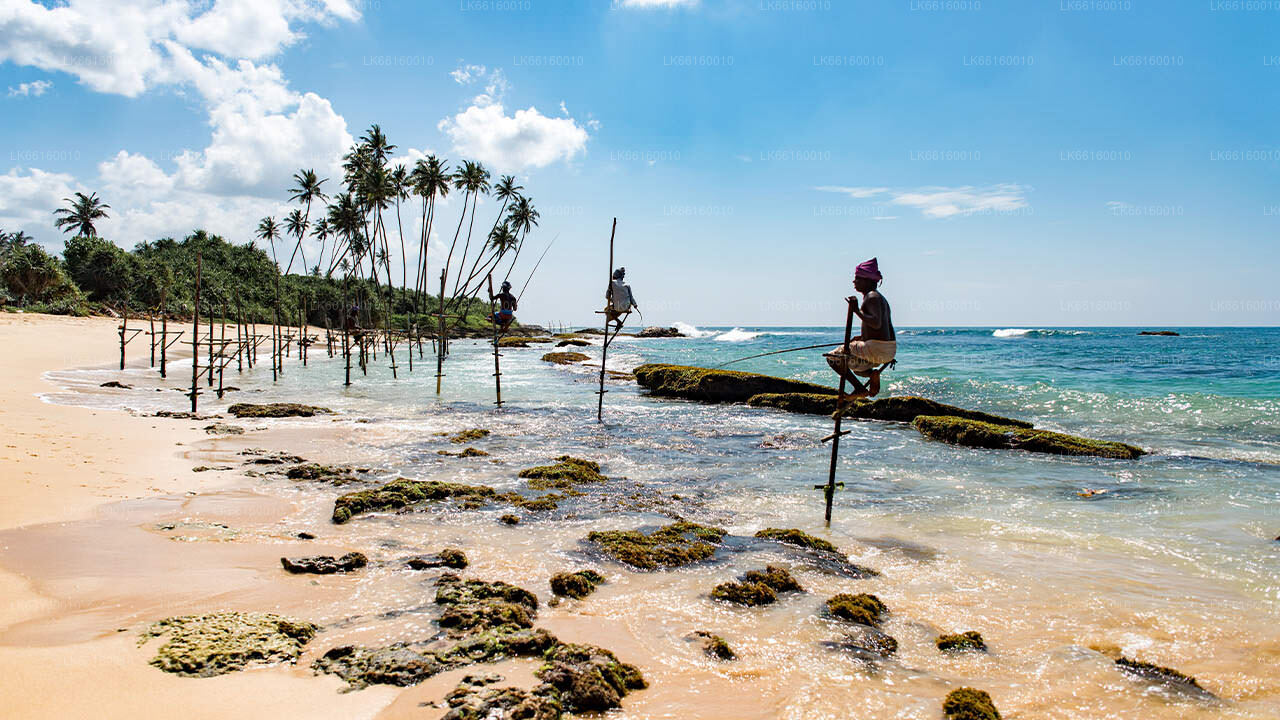
The south coast of Sri Lanka, stretching from Galle through Ahangama to Weligama, has its own distinct folk culture shaped by centuries of fishing, maritime trade, and a syncretic religious life that blends Theravada Buddhism with pre-Buddhist ritual. The stilt fishermen of this coastline — a practice still seen near Ahangama — are themselves a kind of living folklore, and their imagery appears frequently in the visual art showcased at the centre.
Mask carving is another craft particular to this stretch of coast. The town of Ambalangoda, a short distance up the road, is the island's recognised centre for traditional masks, and Folklore Ahangama draws on that same heritage. The masks used in Kolam drama and Raksha (demon) dances carry specific iconographic meanings that storytellers at the centre are typically willing to explain in detail. Nearby, the Koggala Sea Turtle Conservation Project reflects the same impulse to preserve what is local and irreplaceable.
When is the best time to visit Folklore Ahangama?
The southern coast experiences its dry season roughly from December through April, when low humidity and reliable sunshine make outdoor performances comfortable and evening events particularly pleasant. This period also coincides with peak tourist season, so cultural programming tends to be more frequent and elaborate. That said, the indoor craft workshops and exhibition spaces operate year-round, and visiting during the quieter May-to-November period means smaller crowds and more direct interaction with artisans.
If you are travelling around the time of major Sri Lankan festivals — Vesak in May or the New Year in April — it is worth checking whether Folklore Ahangama has special programming aligned with those celebrations, as folk performance and festival culture are deeply interconnected on the island.
How do I get to Ahangama from Colombo or Galle?
Ahangama sits on the Southern Expressway corridor and is straightforward to reach. From Colombo, the drive via the E01 expressway to the Pinnaduwa exit and then along the coastal road takes around two to two-and-a-half hours depending on traffic. From Galle Fort, Ahangama is approximately 18 km south and reachable in 25–35 minutes by road. The Coastal Railway line also runs through Ahangama, with the station a short tuk-tuk ride from the town centre — the train journey from Colombo Fort is scenic and typically takes around three hours.
What other cultural and natural experiences are nearby?
Ahangama's location makes it an excellent base for exploring a cluster of distinctive south-coast experiences. The historic Galle city with its 17th-century Dutch fort is less than half an hour away and warrants at least a half-day. The Madu River Safari on the Madu Ganga mangrove estuary — a Ramsar-listed wetland — offers a completely different perspective on the region's natural and cultural landscape, including a small island temple accessible only by boat.
For those extending their stay inland, the Sinharaja Forest Reserve, Sri Lanka's last viable area of primary tropical rainforest and a UNESCO World Heritage Site, is accessible as a day trip from Ahangama. The contrast between the coast's folk-art culture and the forest's ecological richness makes for a well-rounded few days in the south.
Are there hands-on craft workshops available?
Hands-on participation is central to what makes Folklore Ahangama worthwhile as a cultural visit rather than a passive spectacle. Typical workshop offerings include cane and basket weaving, traditional pottery, batik fabric dyeing, and instruction in preparing ceremonial offerings. Session lengths vary, but most workshops are designed to produce a finished object or piece within a single visit. Prior booking is advisable for group visits, and some experiences are available through Lakpura's own curated programme of artisan encounters in the Ahangama area.
Is Folklore Ahangama suitable for families with children?
The centre's blend of visual storytelling, percussion, mask display, and craft activity translates well across age groups. Mask theatre in particular tends to capture children's attention in a way that more formal cultural presentations do not. Workshops can be adapted for younger participants, and the open-air format of many performances means there is space to move around. Families planning to visit are advised to confirm the day's schedule in advance, as performance times may not always align with a general walk-in visit.