Cassia alata (Eththora)


Cassia alata (??????) is a large shrub up to 5 m tall. Stems and twigs densely pubescent. The leaves here are about 1 cm. 30-60 cm long, oblong. The leaflets are located in pairs. The flowers here are bright yellow. Karak cm. 10-15 and seeds large. They are dark brown. The leaves and seeds of the Eththora plant are used for medicinal purposes. As a drug multiplier, it kills atherosclerosis and flatulence.Eththora leaves have laxative properties. It should be taken in combination with other herbs. Eththora leaves cleanse the blood. Good for skin. Eczema relieves rashes and hemorrhoids are very good for constipation, gonorrhea, insect bites and migraines.here are many types of varieties and they vary in shape, characteristics and properties. Eththora can be introduced as one of them. An easy-going plant, it is native to the United States.
Shimbi is a tongue medicine that cures many ailments such as leprosy, rheumatism and blood clots which are especially afflicting the skin. These diseases affect the skin and spread to other parts of the body. In addition to the internal reactions, external skin care drugs are used in the therapeutic process to prevent these diseases. Oils and ointments are the mainstay of this medicine and can be described as one of the most widely used medicinal substances.
Cassia Alata Common Names
It is commonly called Candlestick Plant | Candle Bush | Candlestick Cassia | Candle Tree Plant | Candle Bush Plant | Yellow Candlestick Plant as the inflorescence of the plant looks like a candle. It is also commonly called as Ring Worm Bush plant as it is very famous for treating ringworm. It is called Seemai Agathi in Tamil, Dadmurdan In Hindi, Shima Agati in Malayalam and Shima Avasi in Telugu,Cassia Alata is popularly called Akapulko in Philippines, Eth Thora in Sinhalese, Chumhet Thet in Thai, Bois Dartre in French, Kerzenstrauch in German, Kasshia Arata in Japanese and Dadrughna in Sanskrit.
What is Cassia alata used for?
Senna Alata or Cassia Alata is a very important medicinal plant with amazing medicinal uses and health benefits. Traditionally, it has been used for treating insect bites, ringworm, wounds, as a laxative, hypertension, skin diseases harischandra aththora herbal soap, decoction of the leaves are used for cough and to get rid of intestinal worms.
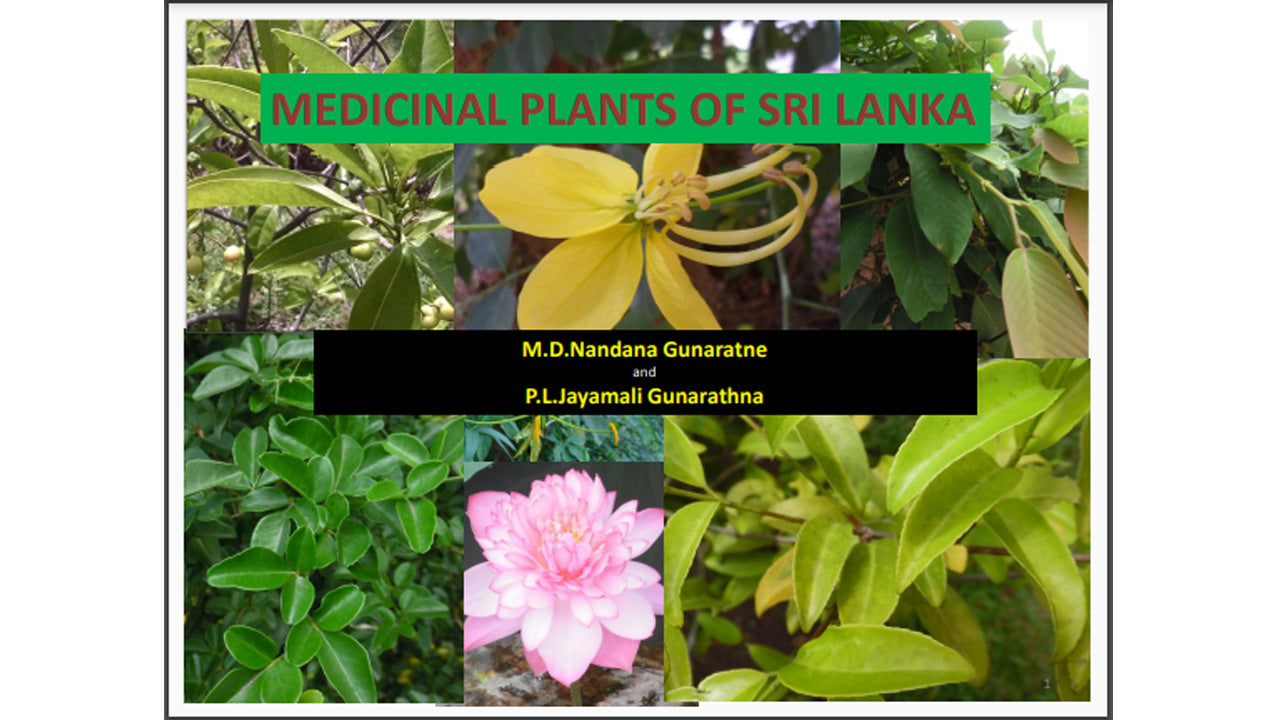
Cassia alata is part of the catalog of ayurvedic medicinal plants of Sri Lanka.


-
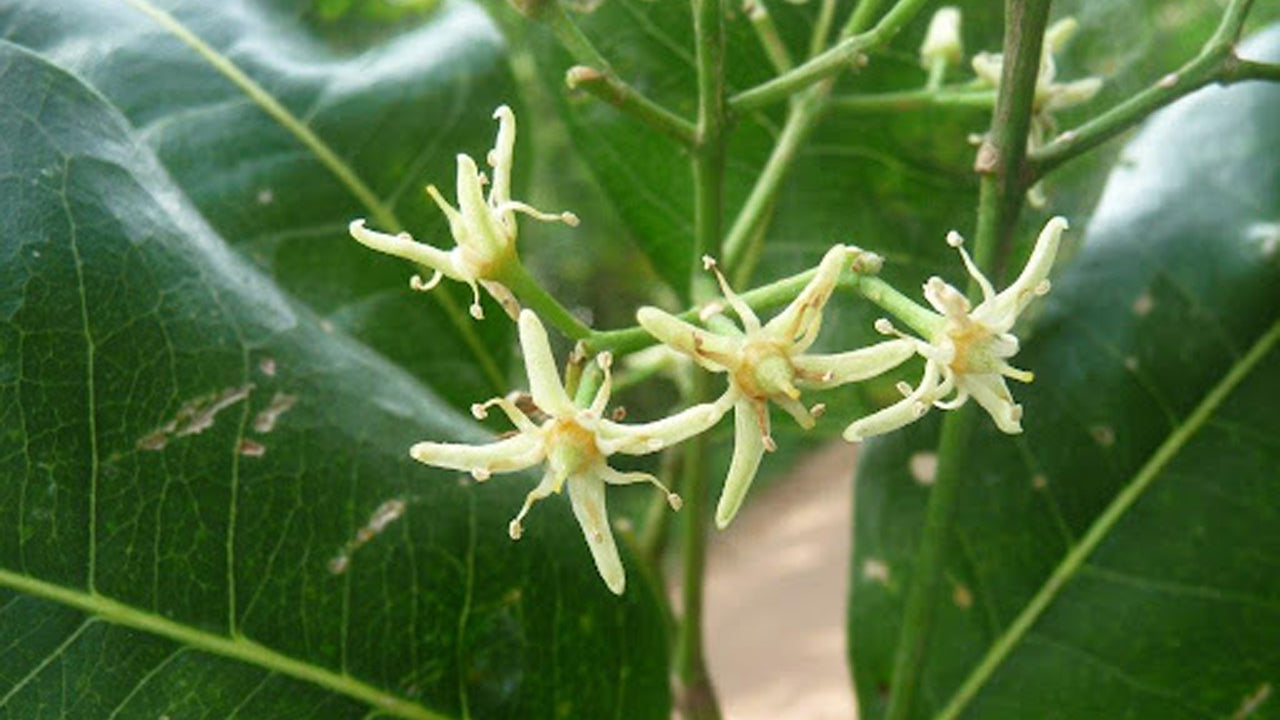
Claw-flowered laurel
Acronychia pedunculata -
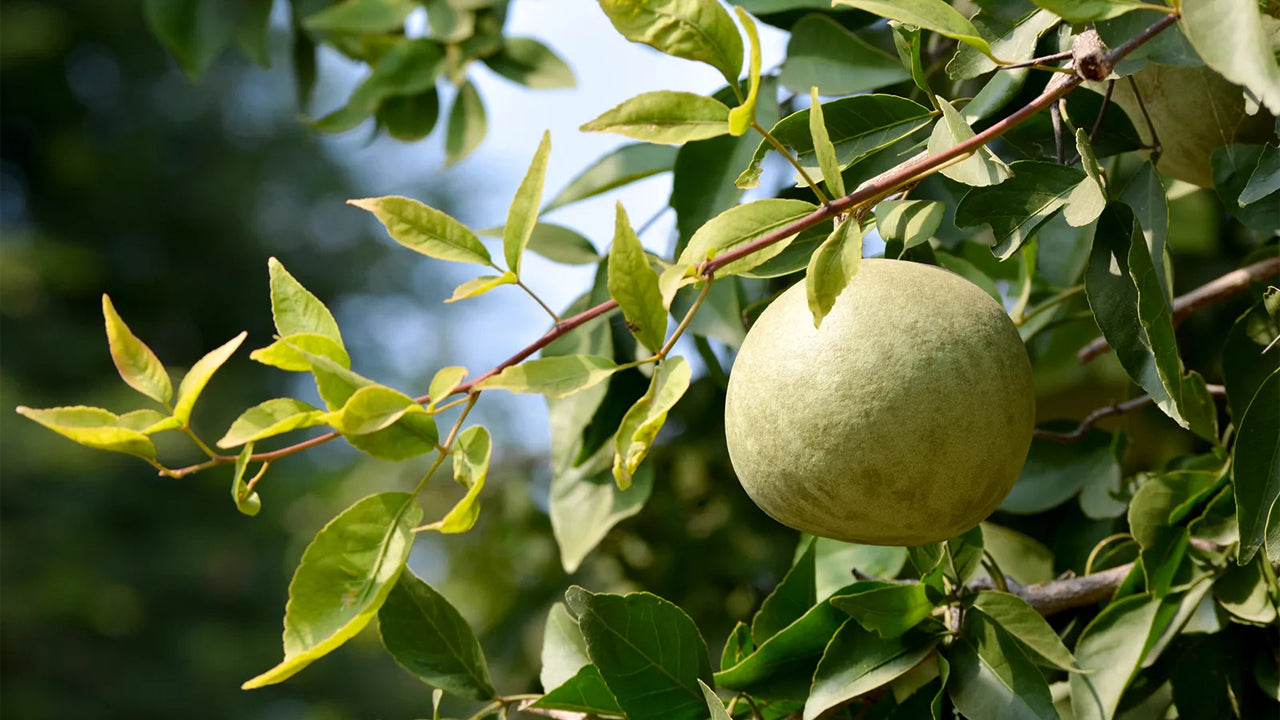
Bael
Aegle marmelos -
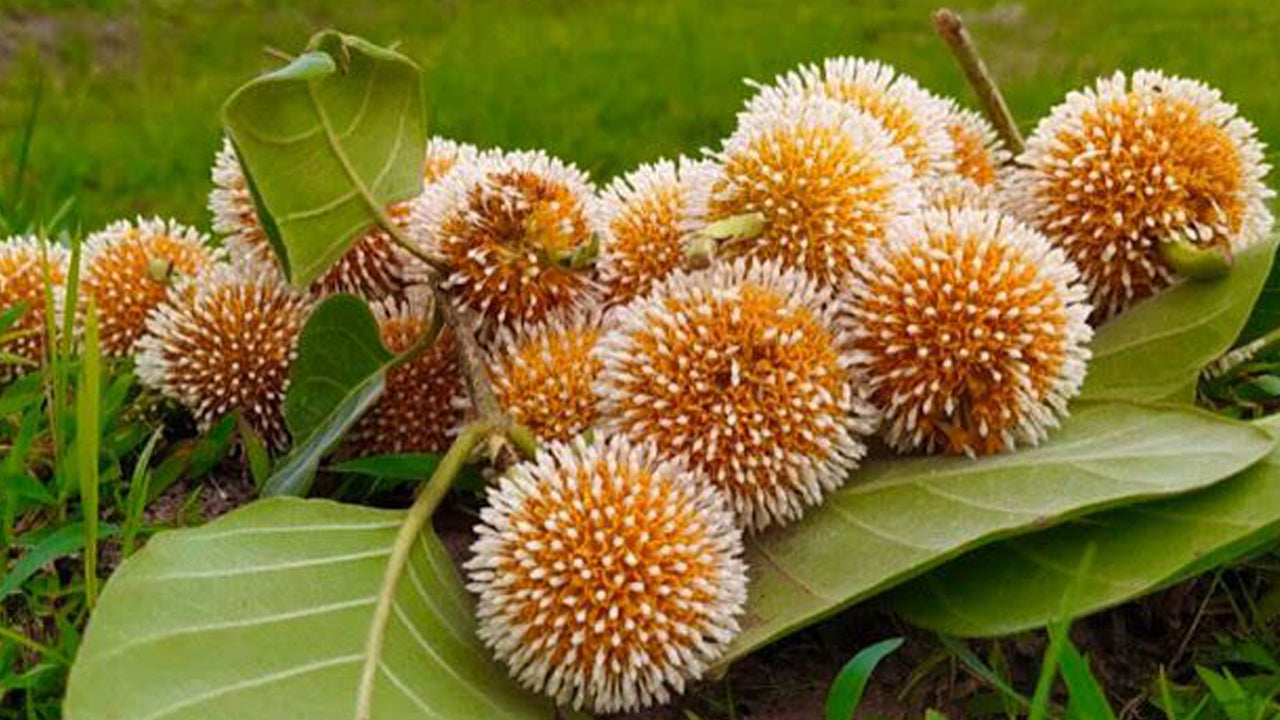
Leichhardt tree
Nauclea orientalis -
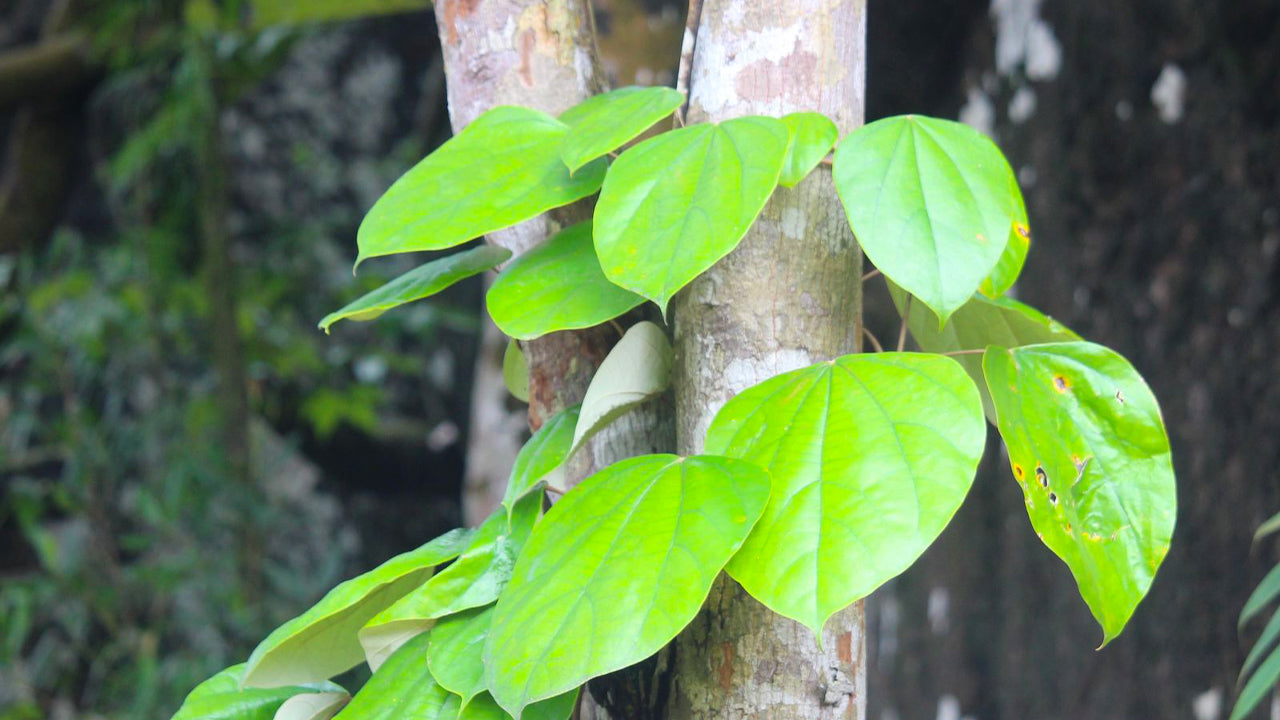
False Calumba
Coscinium fenestratum -

Malabar Gulbel
Tinospora malabarica -
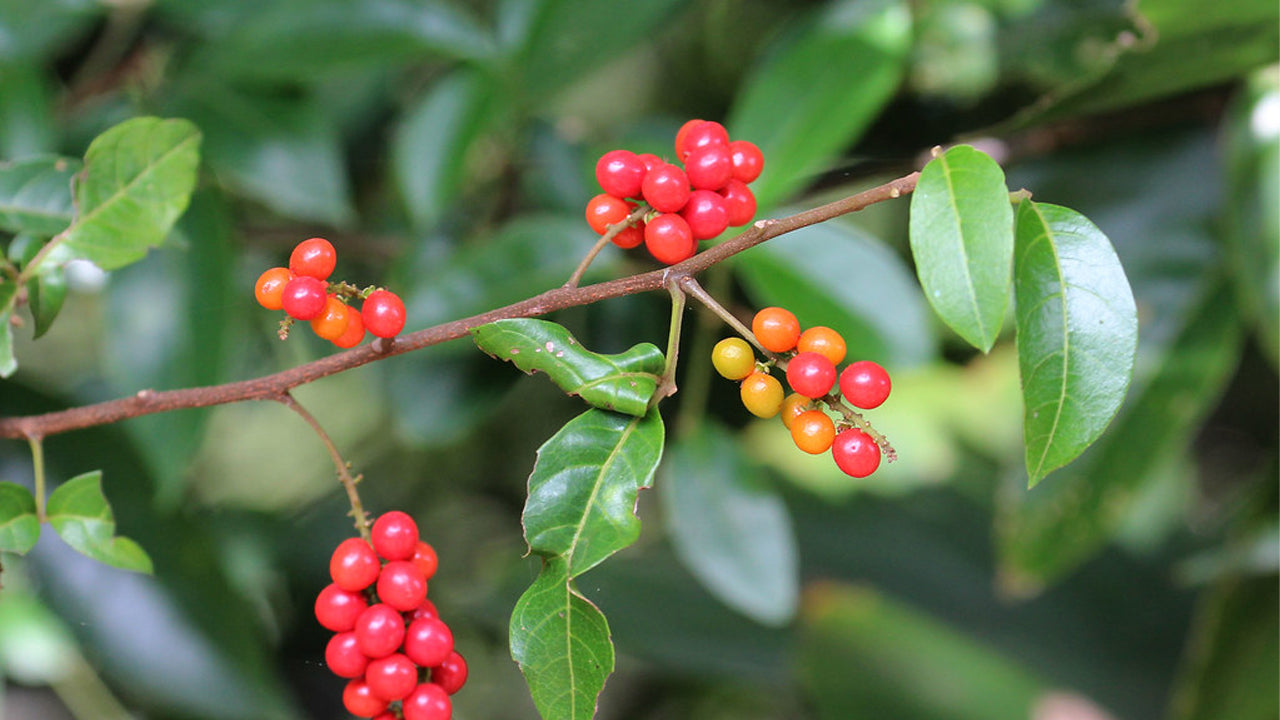
Titberry
Allophylus cobbe -
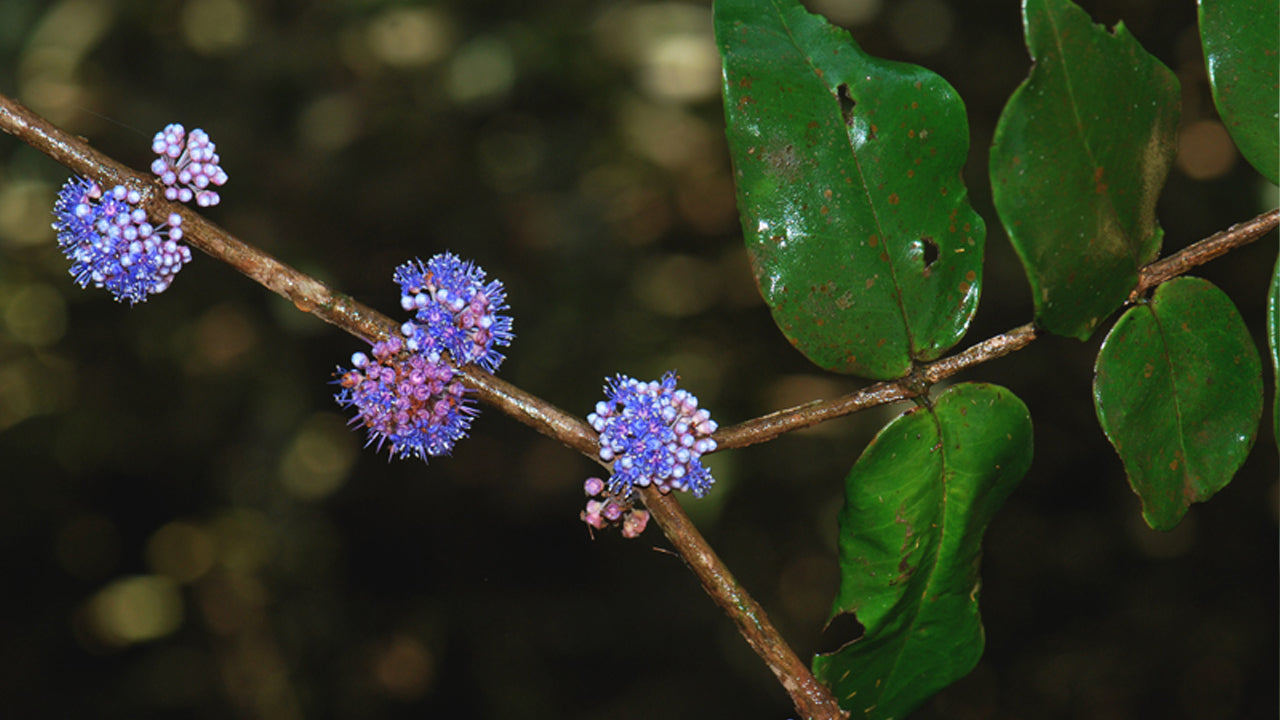
Ironwood Tree
Memecylon capitellatum -
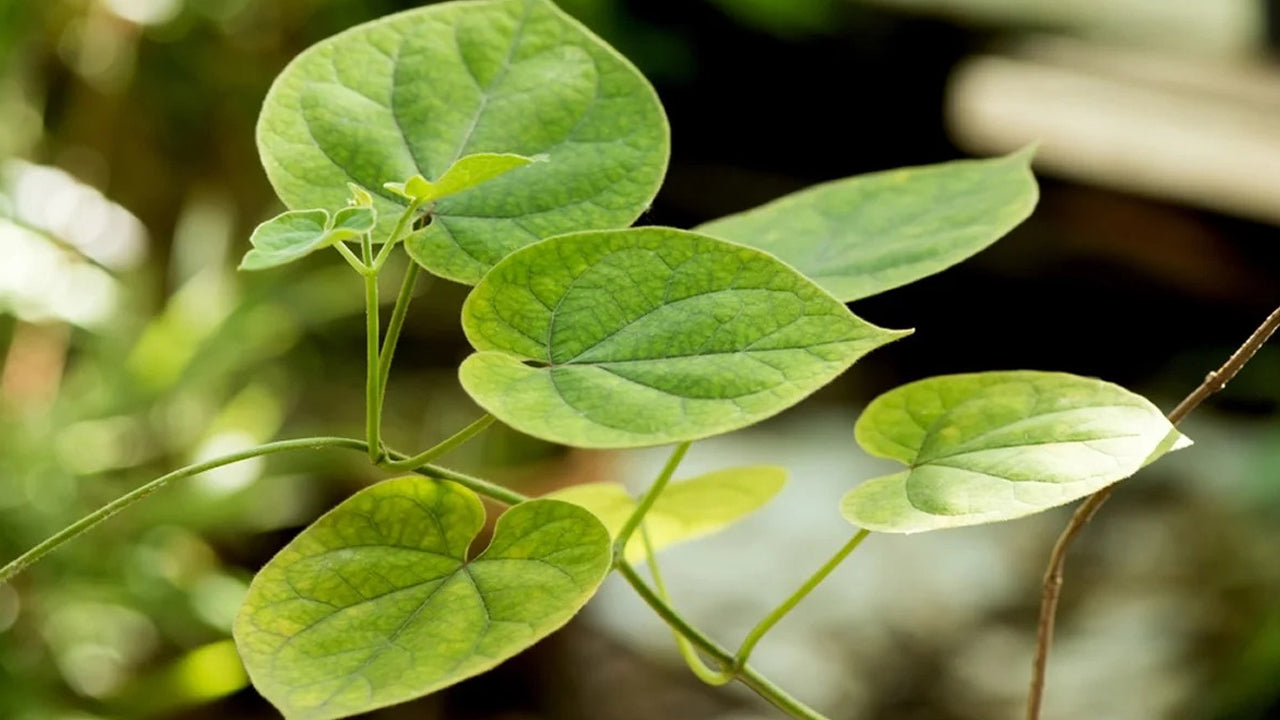
Velvet Leaf
Cissampelos pareira -
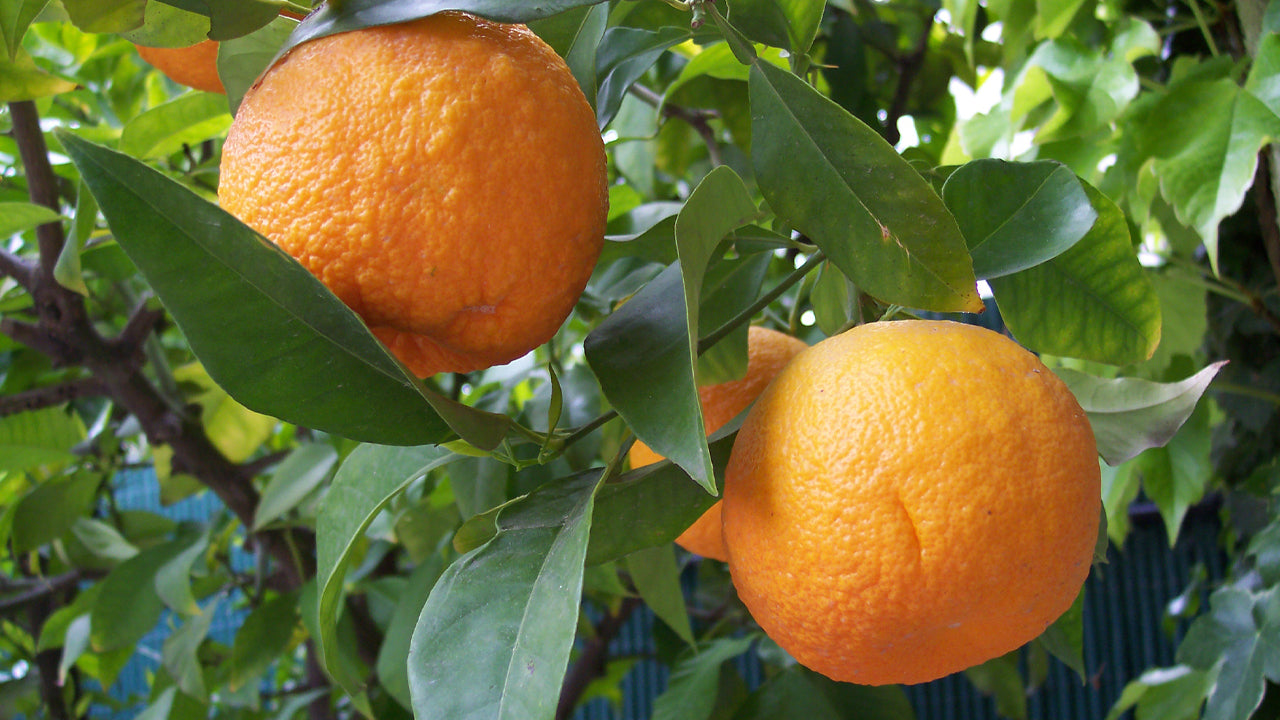
Bitter orange
Citrus aurantium -

Reinwardt's Tree Plant
Biophytun reinward -
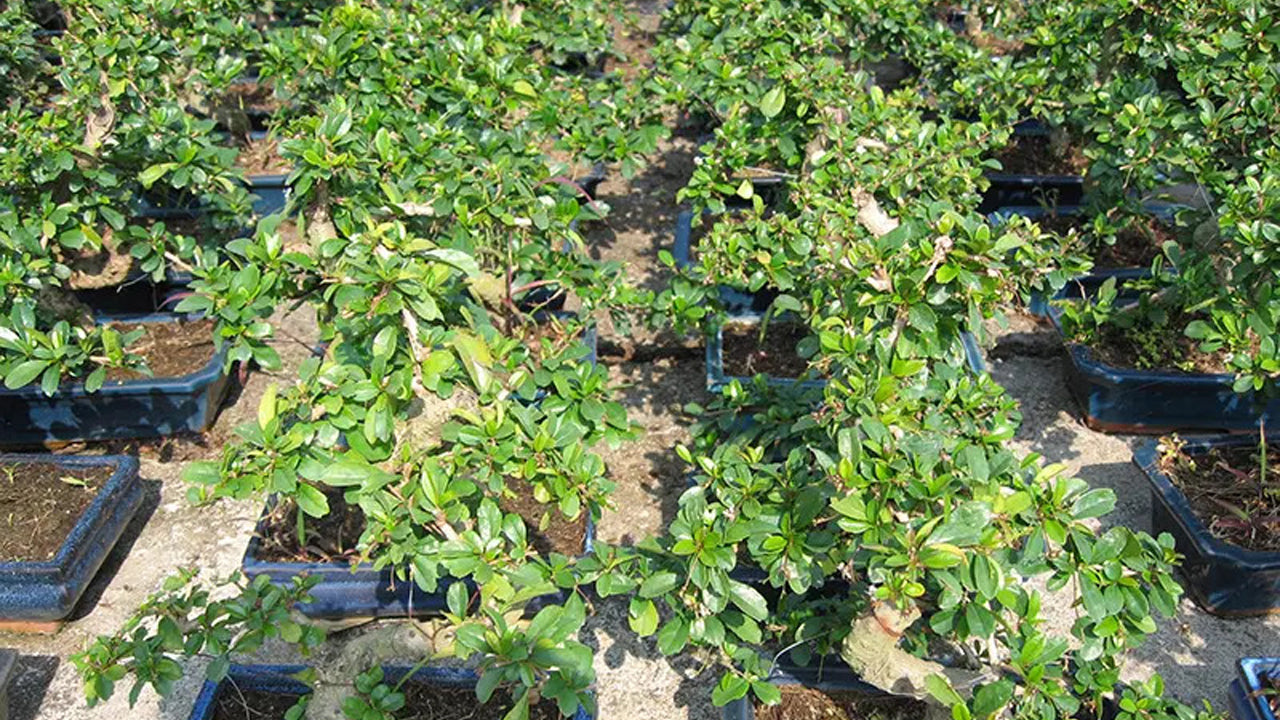
Fukien tea
Carmona microphylla -
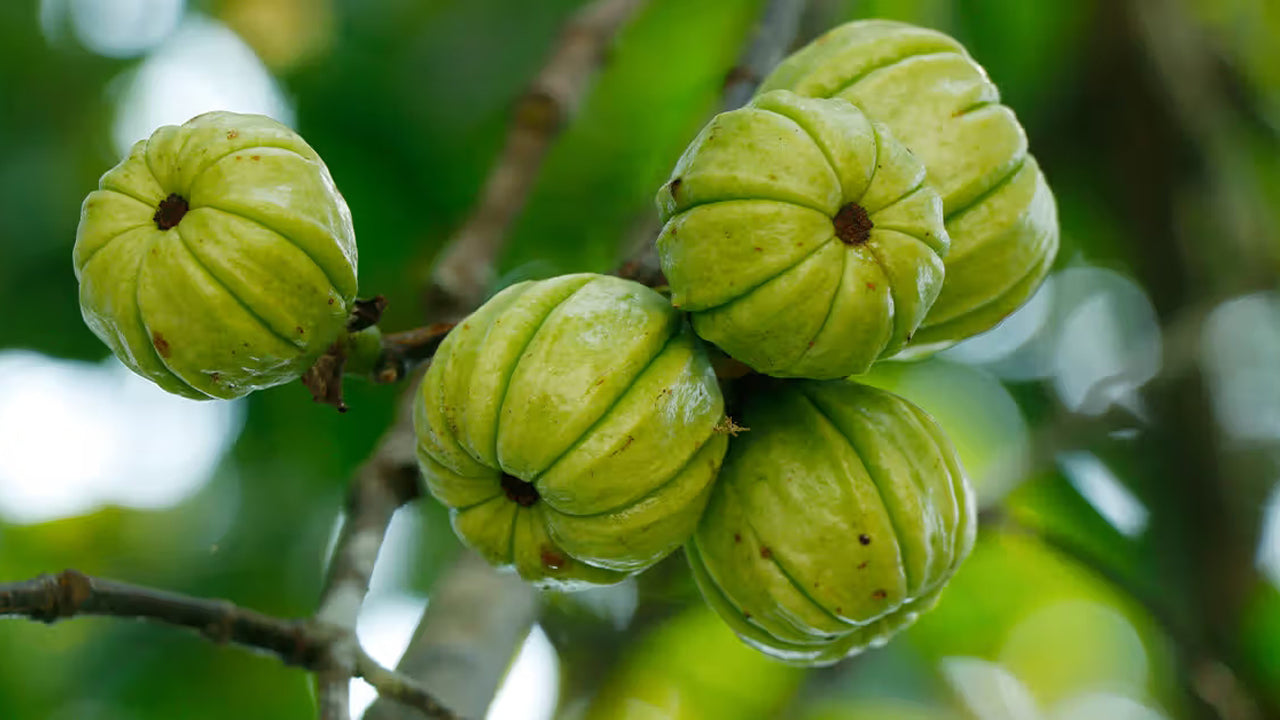
Malabar tamarind
Garcinia cambogia -
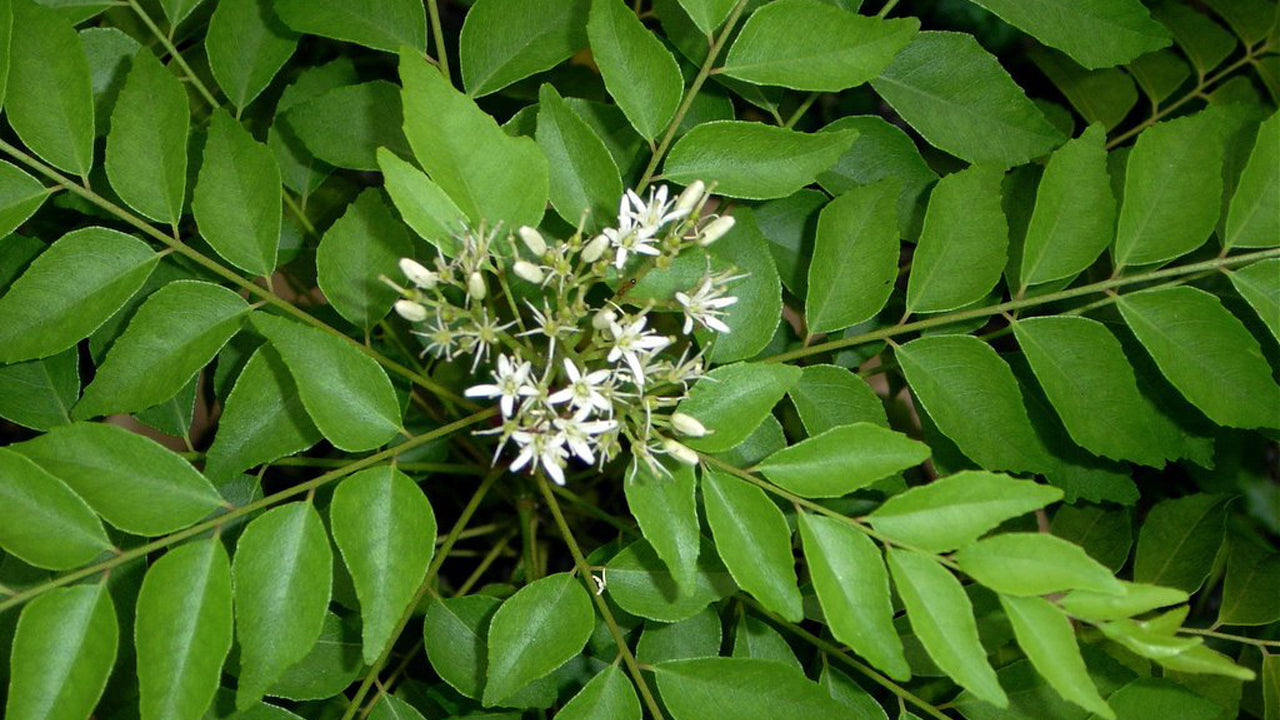
Curry leaf tree
Murraya koenigii -
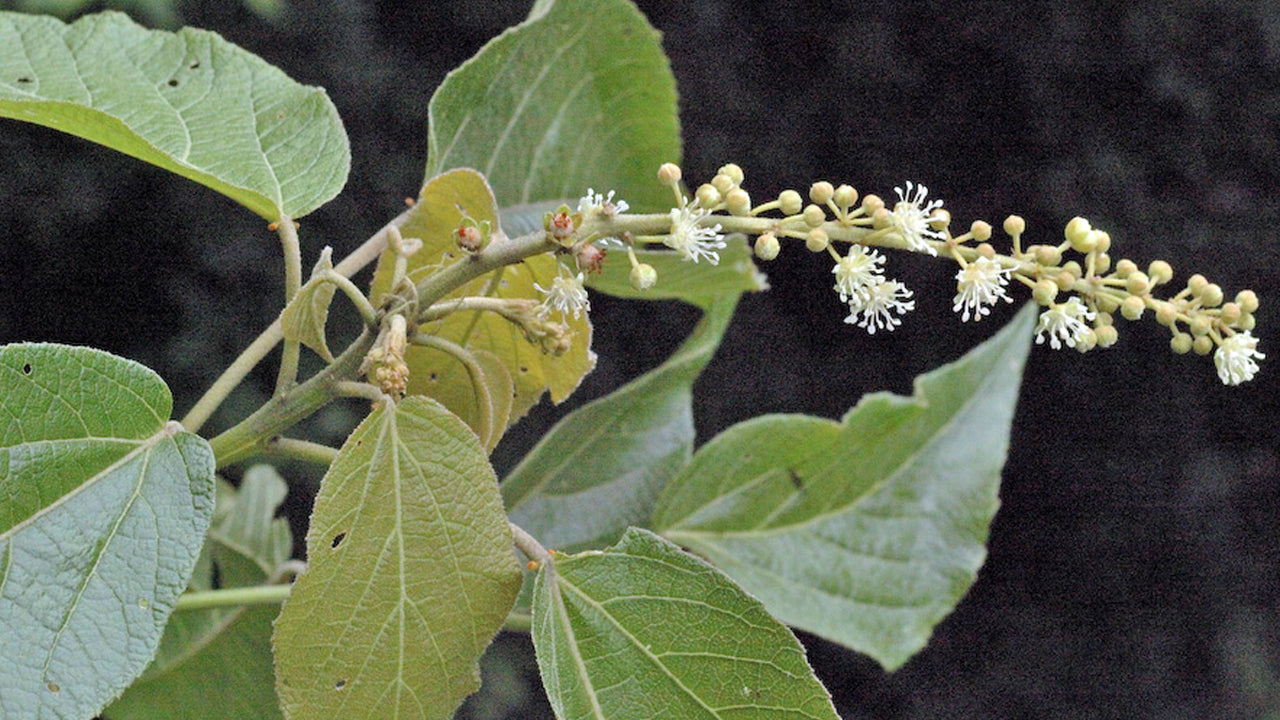
Kappetiya
Croton laccifer -
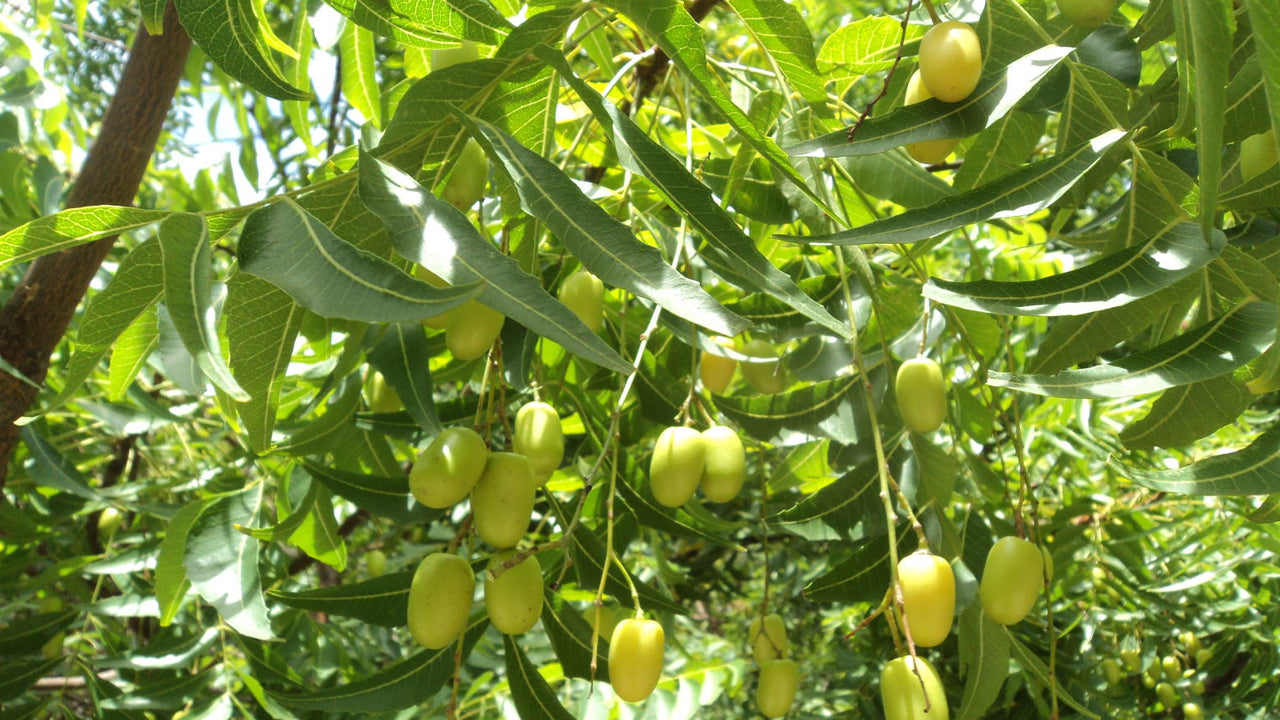
Indian lilac
Azadirachta indica -
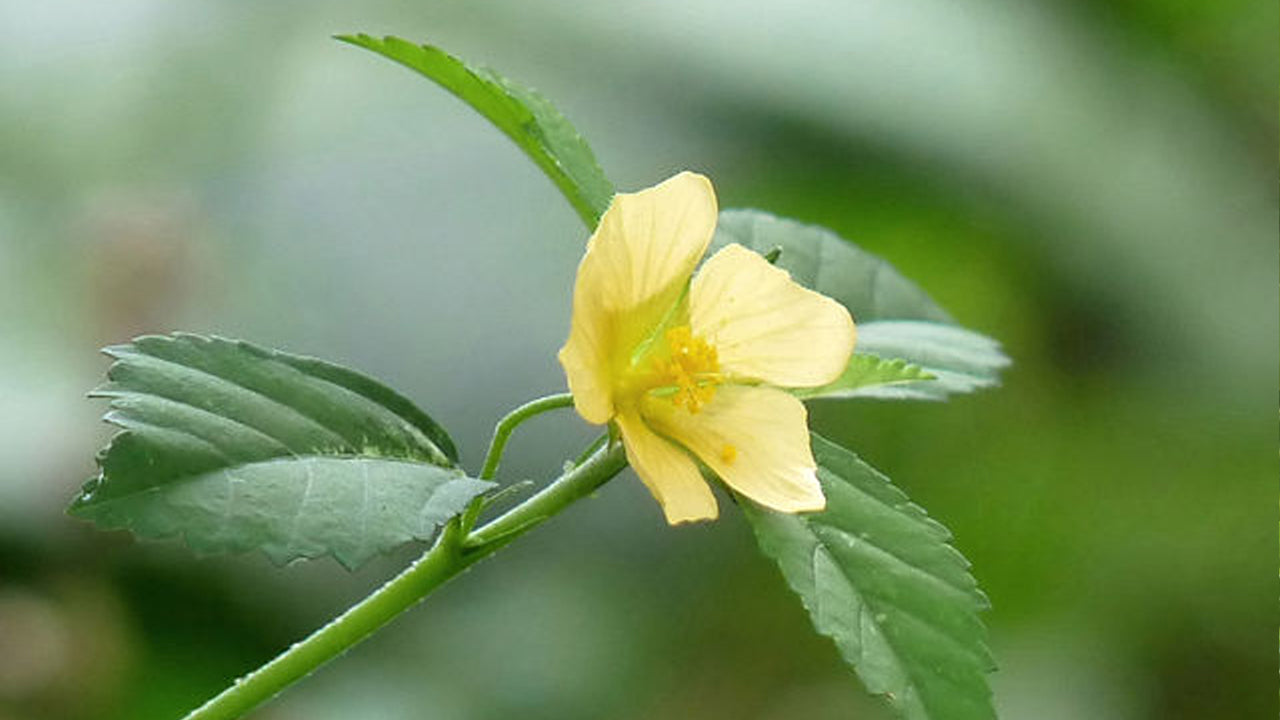
Spiny sida
Sida alba -
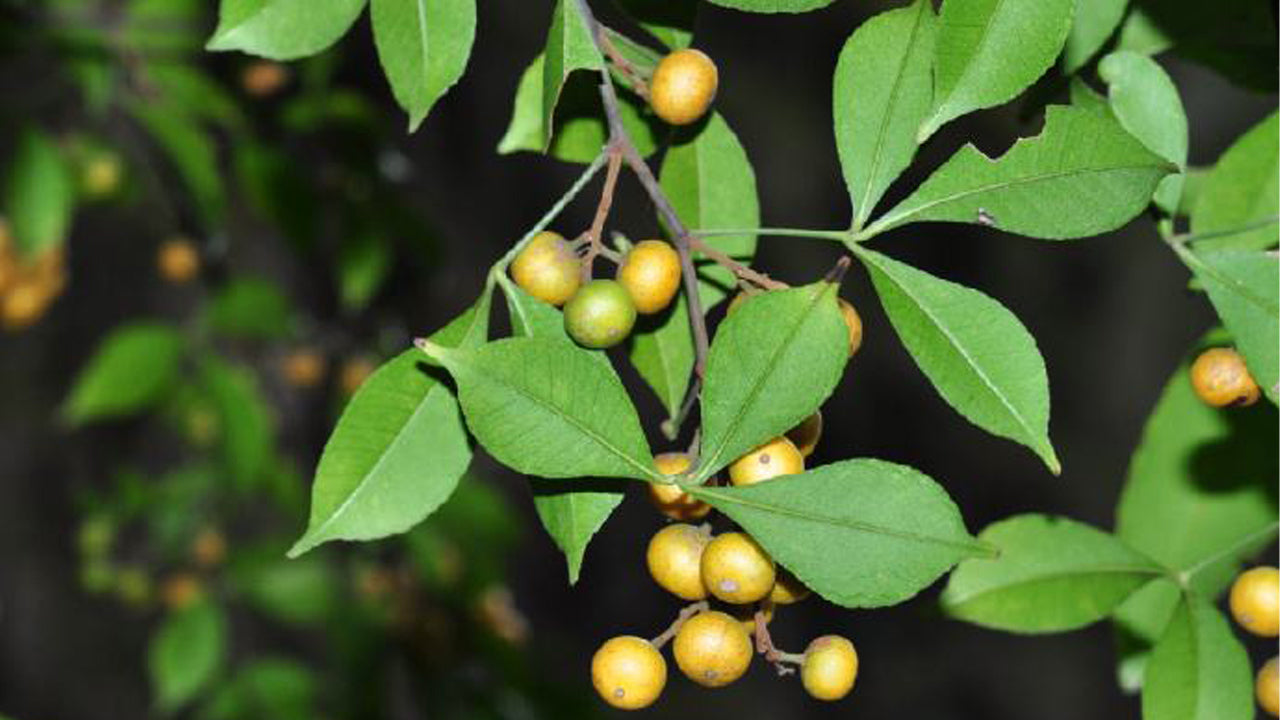
Orange climber
Toddlia asiatica -
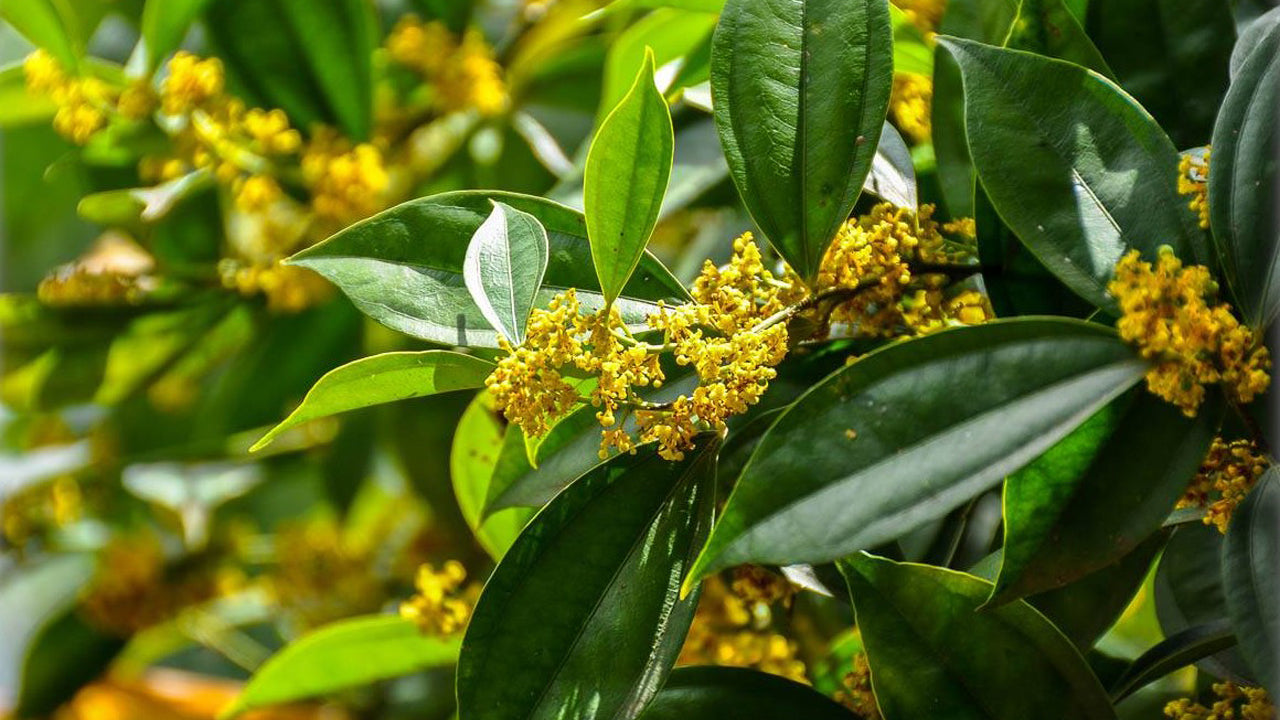
Ceylon cinnamon
Cinnamomum zeylanicum -
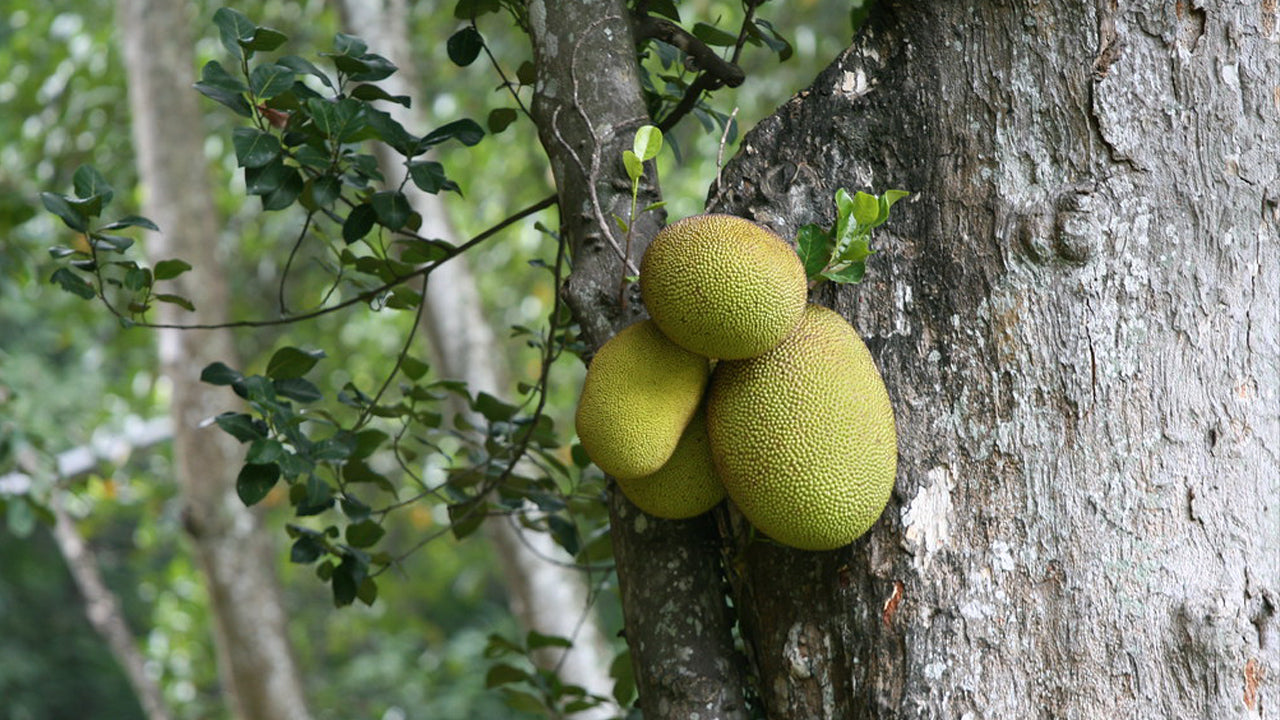
Jackfruit
Artocarpus heterophyllus -
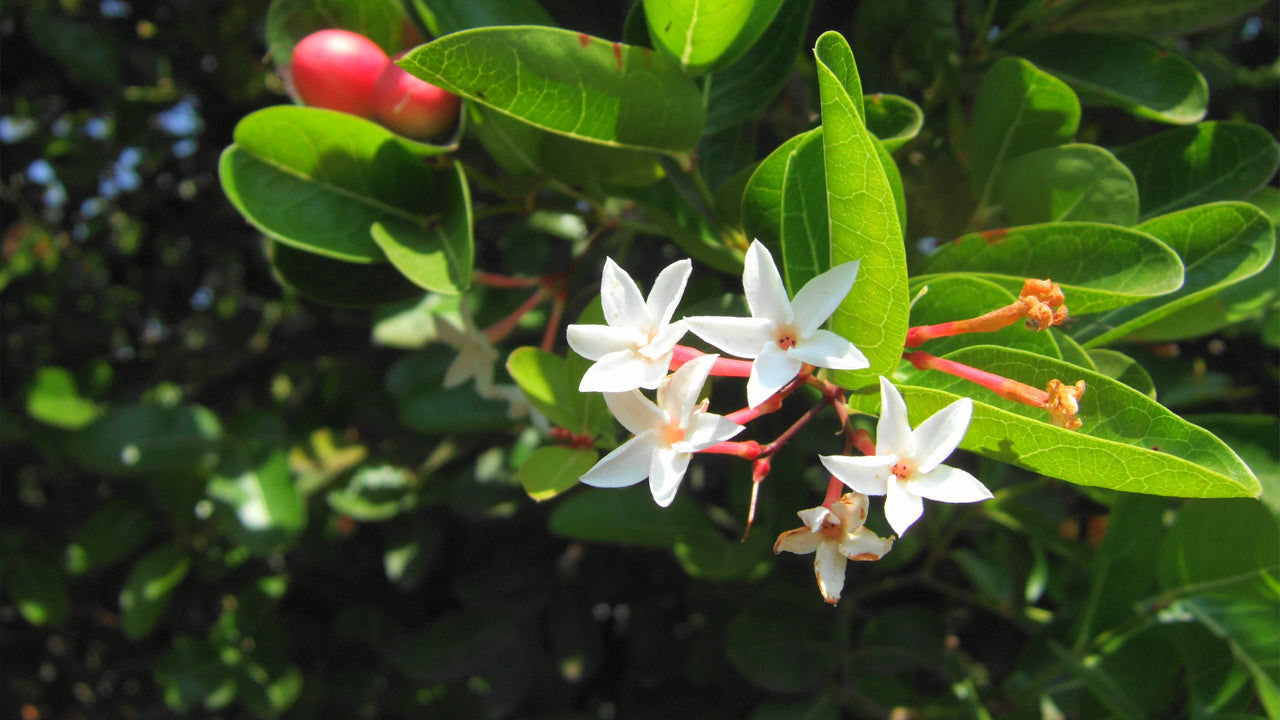
Karonda
Carissa carandas -
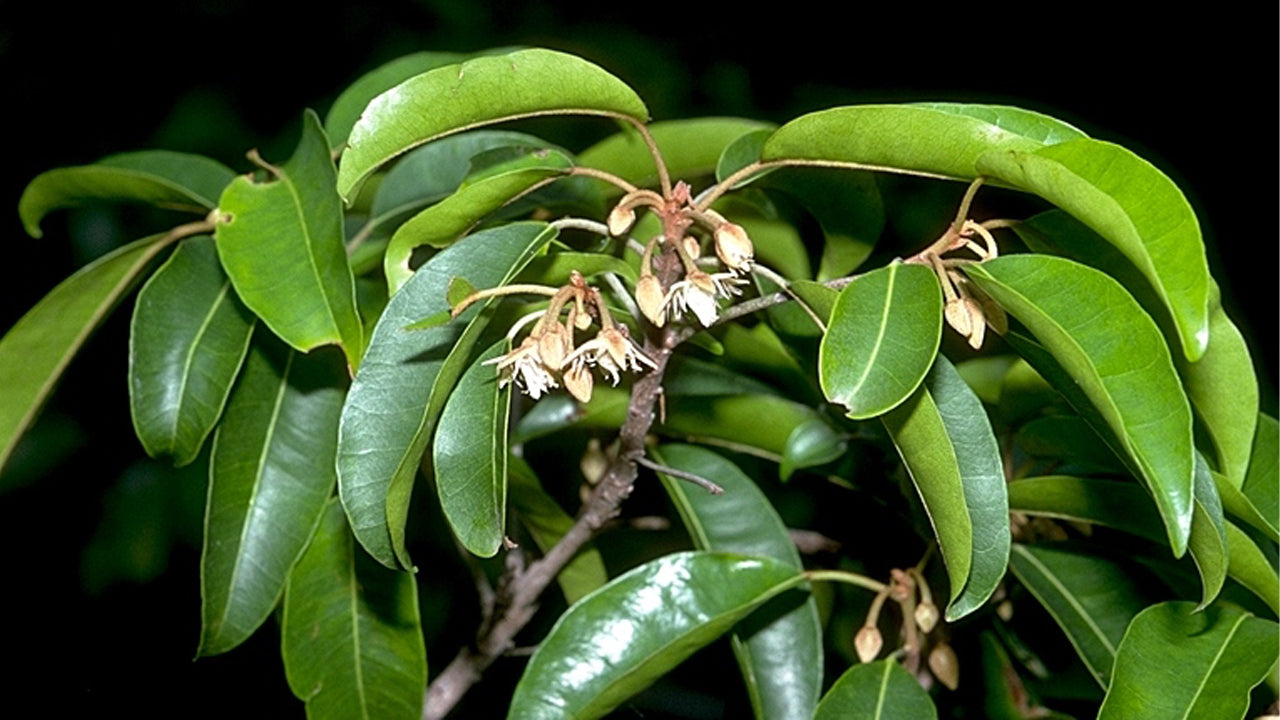
Spanish cherry
Mimusops elengi -
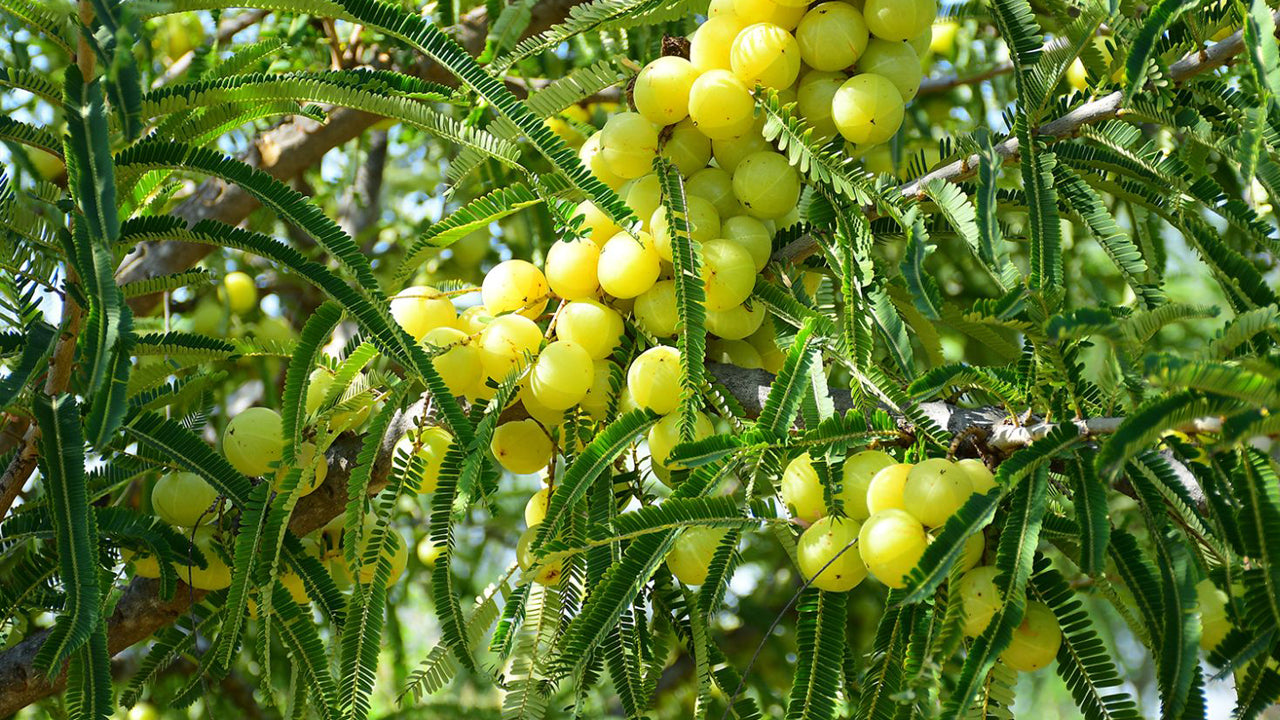
Indian gooseberry
Phyltanthus emblica -
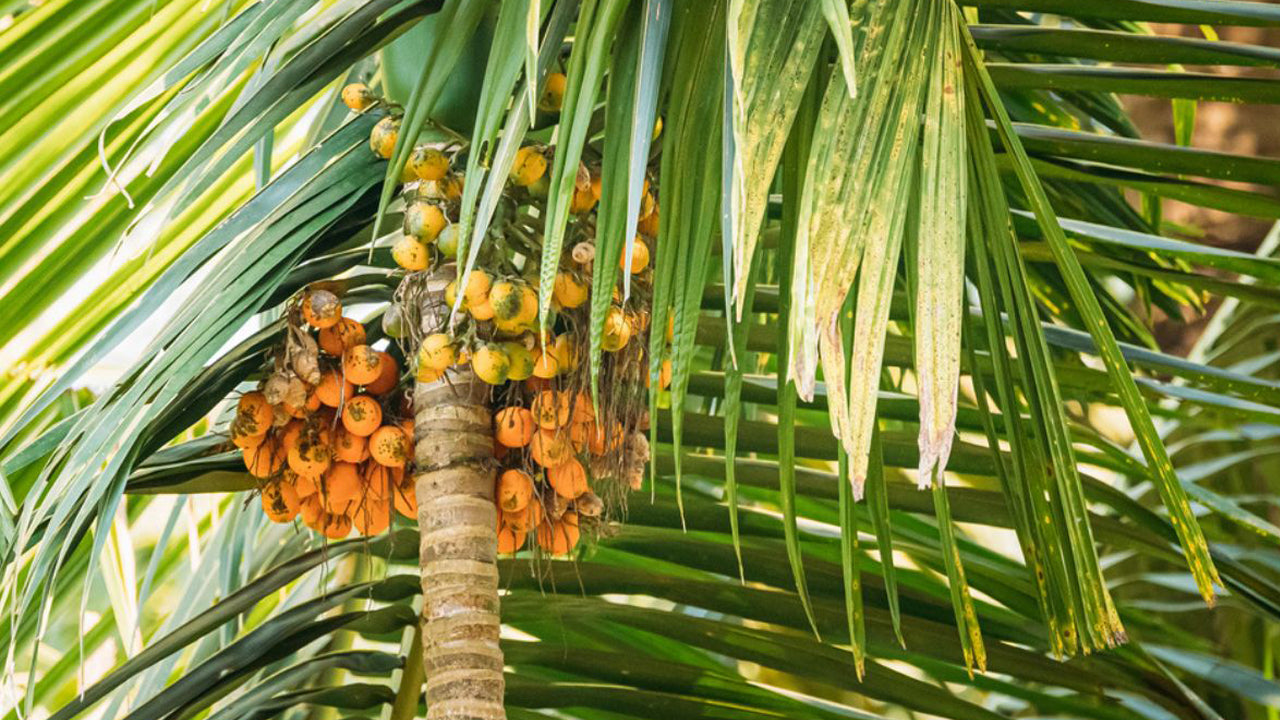
Betel palm
Areca catechu -
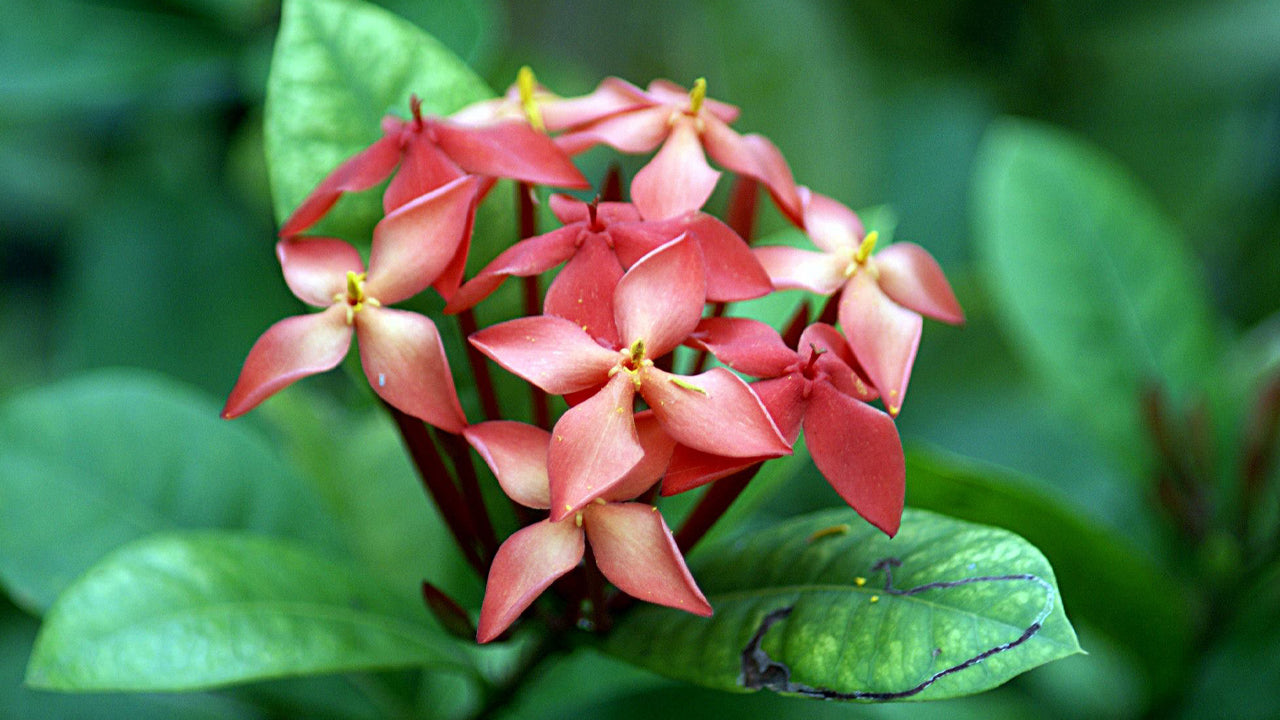
Jungle geranium
Ixora coccinea -
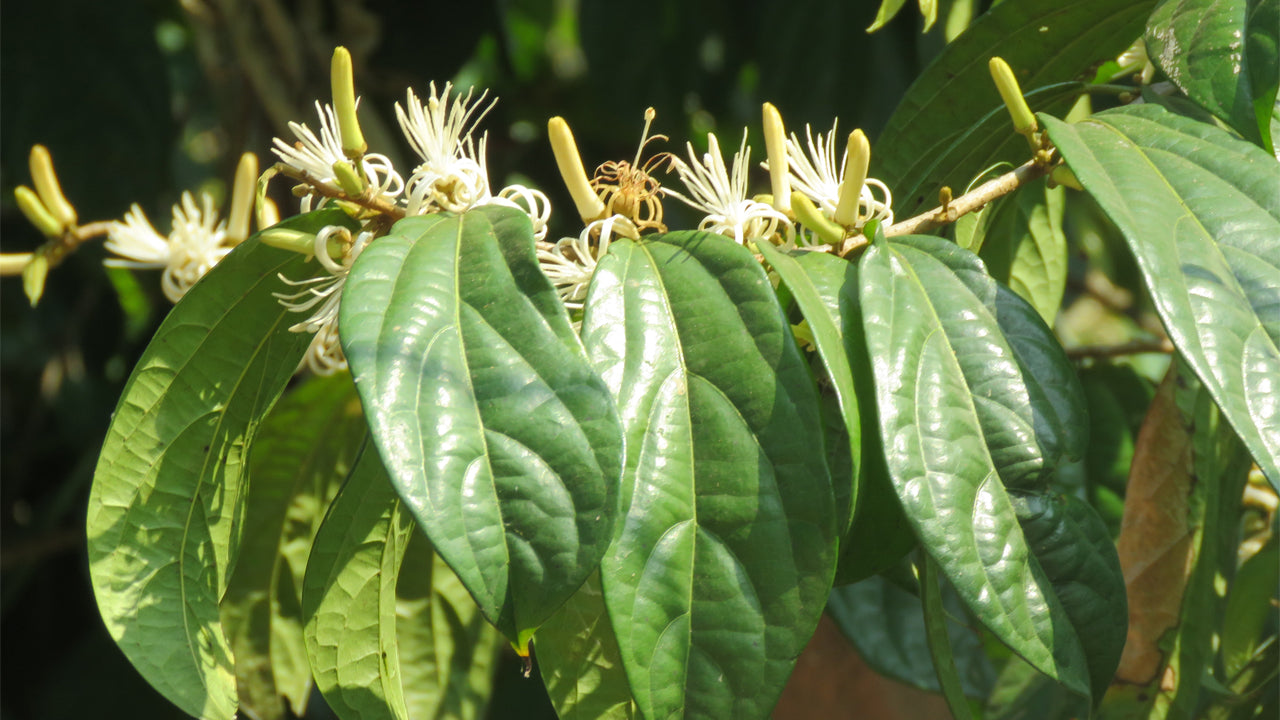
Sage-leaved alangium
Alangium salviifolium -
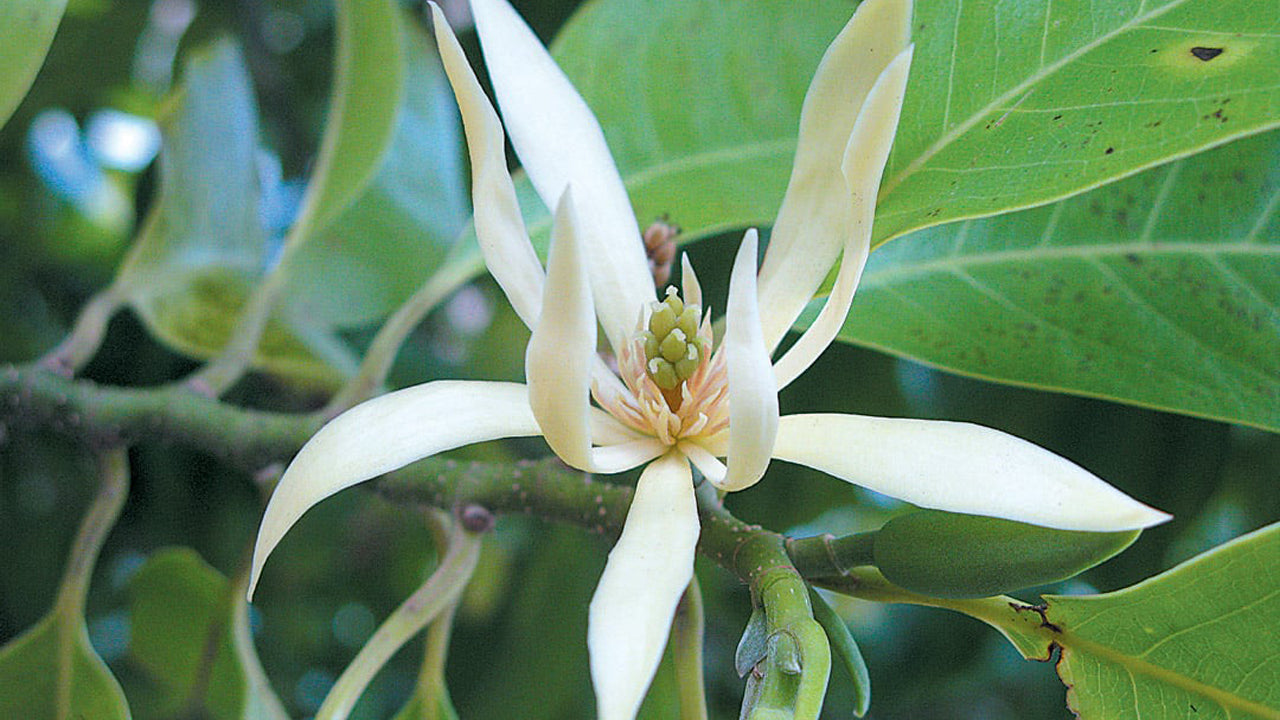
Champak
Michelia champaca -
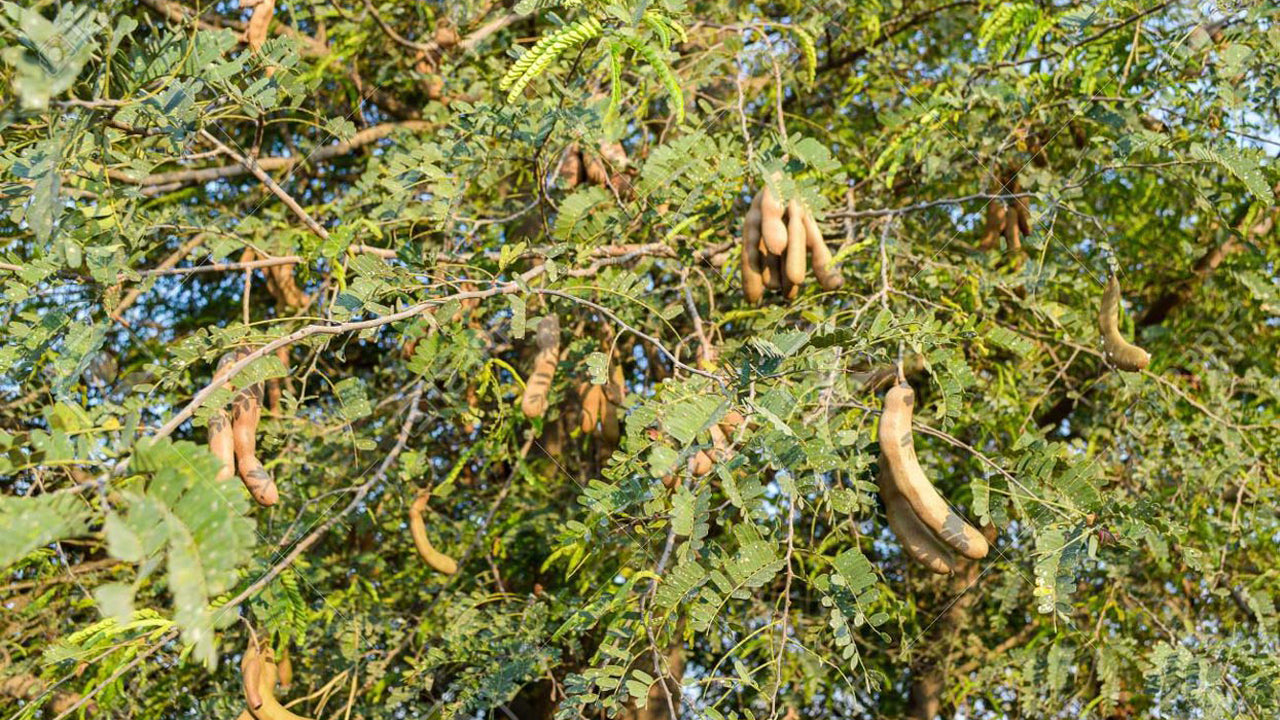
Tamarind
Tamarindus indica -
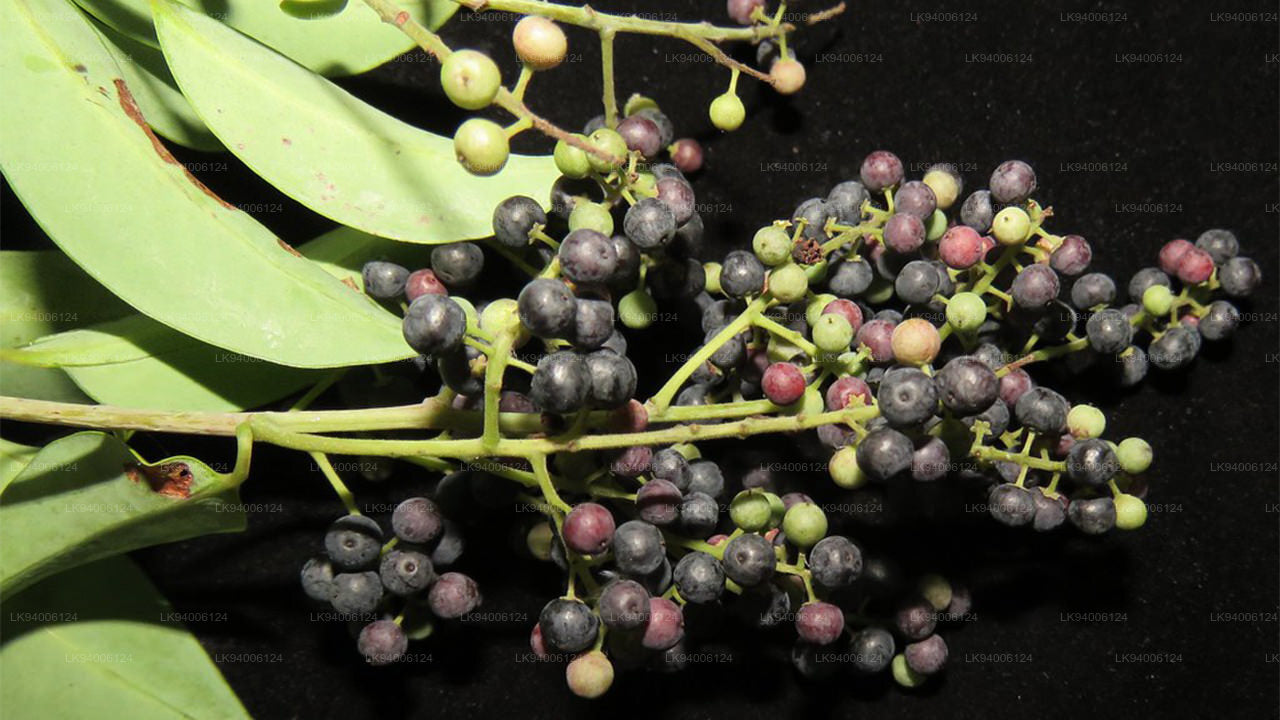
False Black Pepper
Embelia ribes -
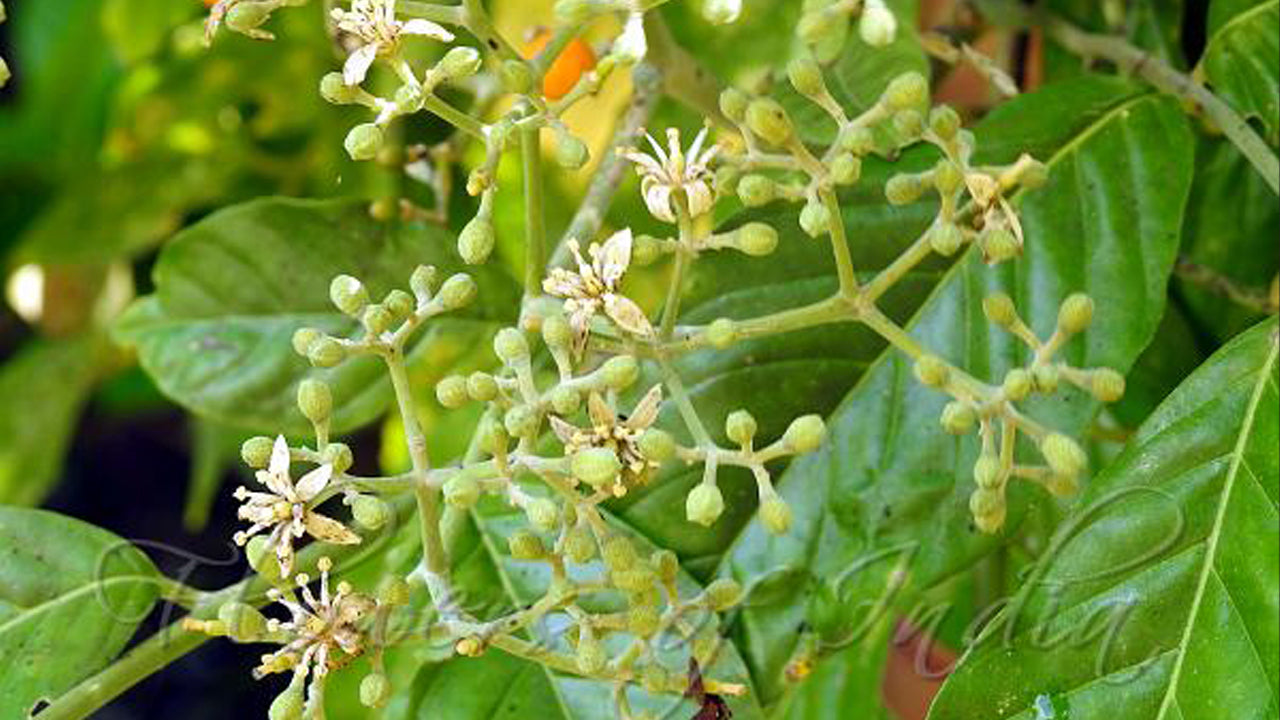
Limeberry
Micromelum ceylanicum -
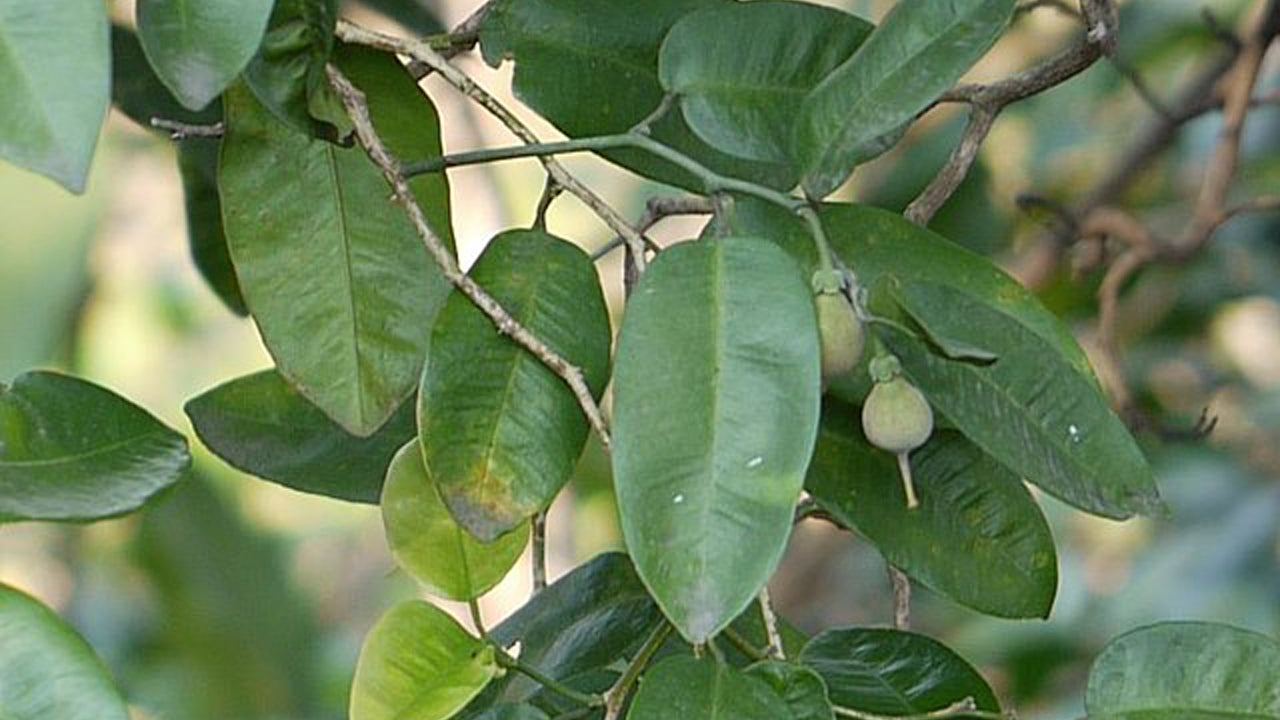
Climbing Atalantia
Paramignya monophylla




Ayurvedic and Herbal
-
Siddhalepa Ayurveda Bitkisel Balsam
Normal fiyat Başlangıç fiyatı: $0.48 USDNormal fiyat$0.54 USDİndirimli fiyat Başlangıç fiyatı: $0.48 USDİndirim -
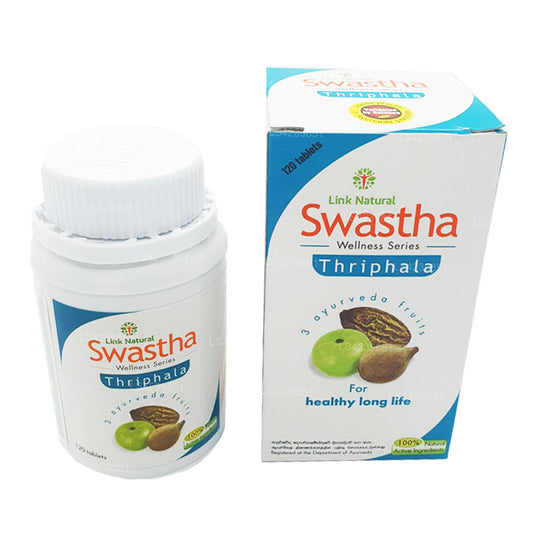
Bağlantı Shastha Thriphala (30 Tablet)
Normal fiyat Başlangıç fiyatı: $1.74 USDNormal fiyat$1.93 USDİndirimli fiyat Başlangıç fiyatı: $1.74 USDİndirim -
Lakpura® Yabani Ekşi Elma (Guanabana, Graviola, Guyabano) Kurutulmuş Yapraklar
Normal fiyat Başlangıç fiyatı: $0.72 USDNormal fiyat$0.81 USDİndirimli fiyat Başlangıç fiyatı: $0.72 USDİndirim -
 İndirim
Setsuwa Pranajeeva Yağı
Normal fiyat Başlangıç fiyatı: $3.85 USDNormal fiyat$4.28 USDİndirimli fiyat Başlangıç fiyatı: $3.85 USDİndirim