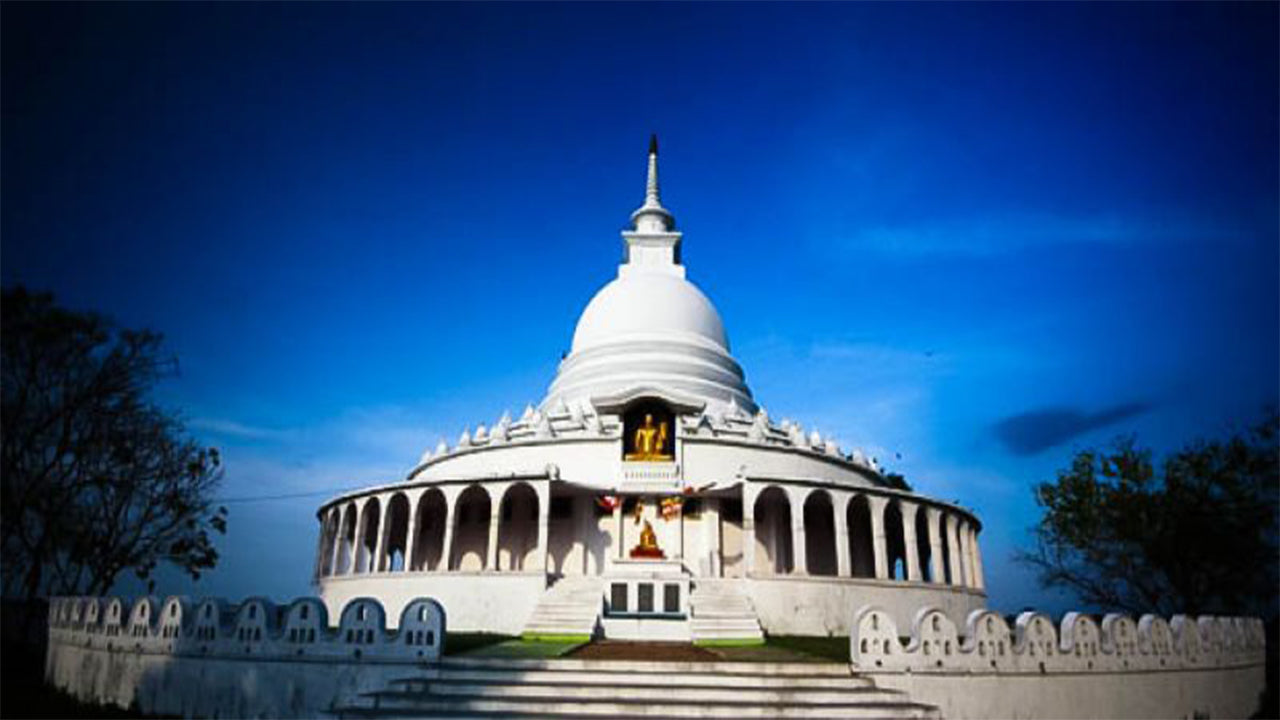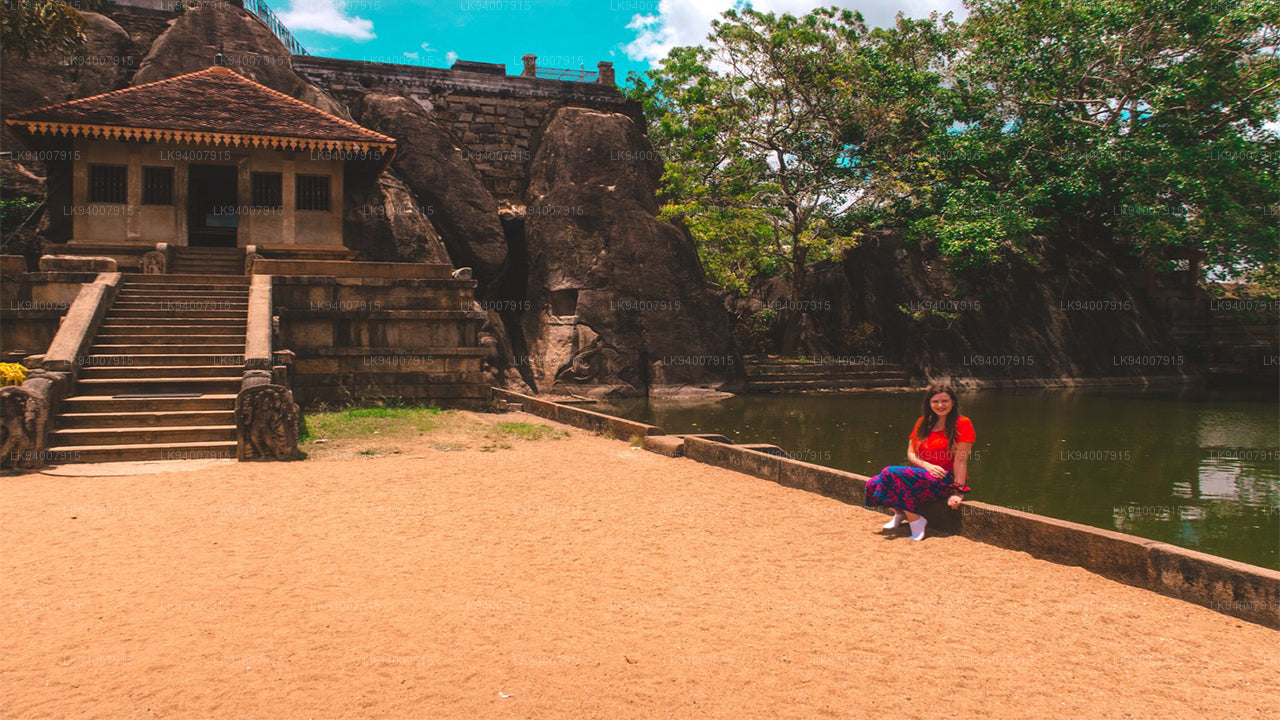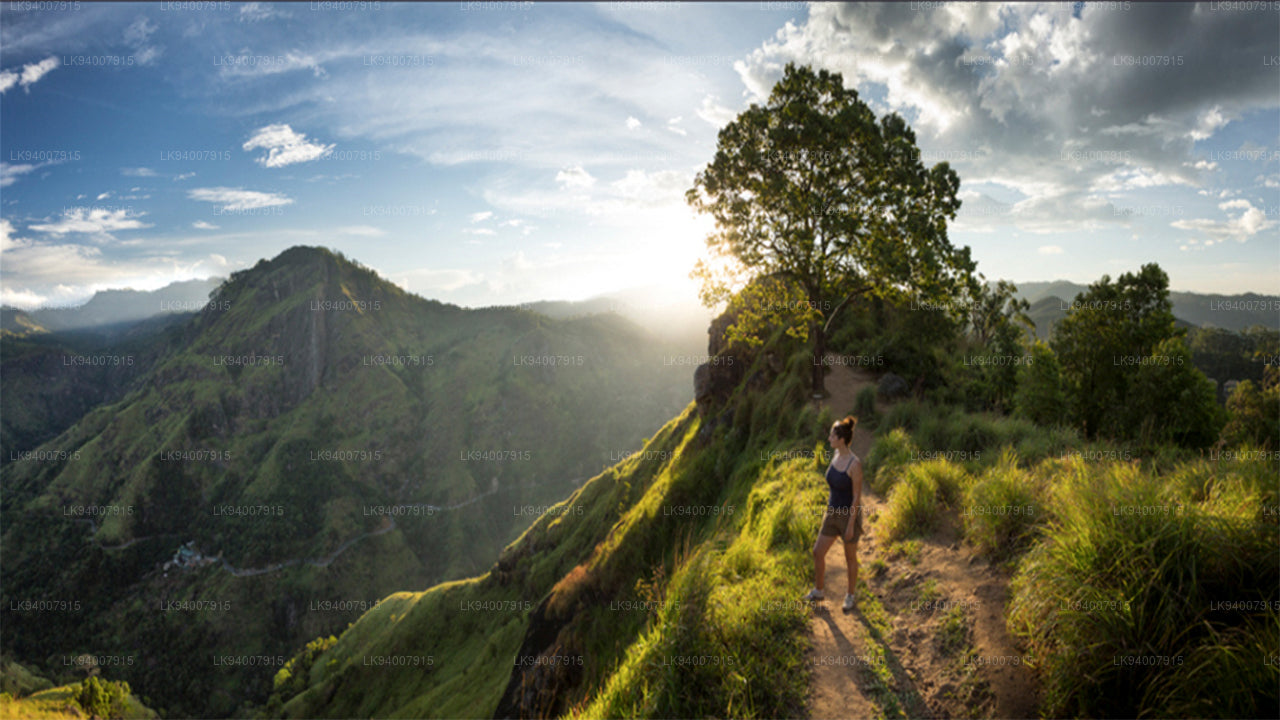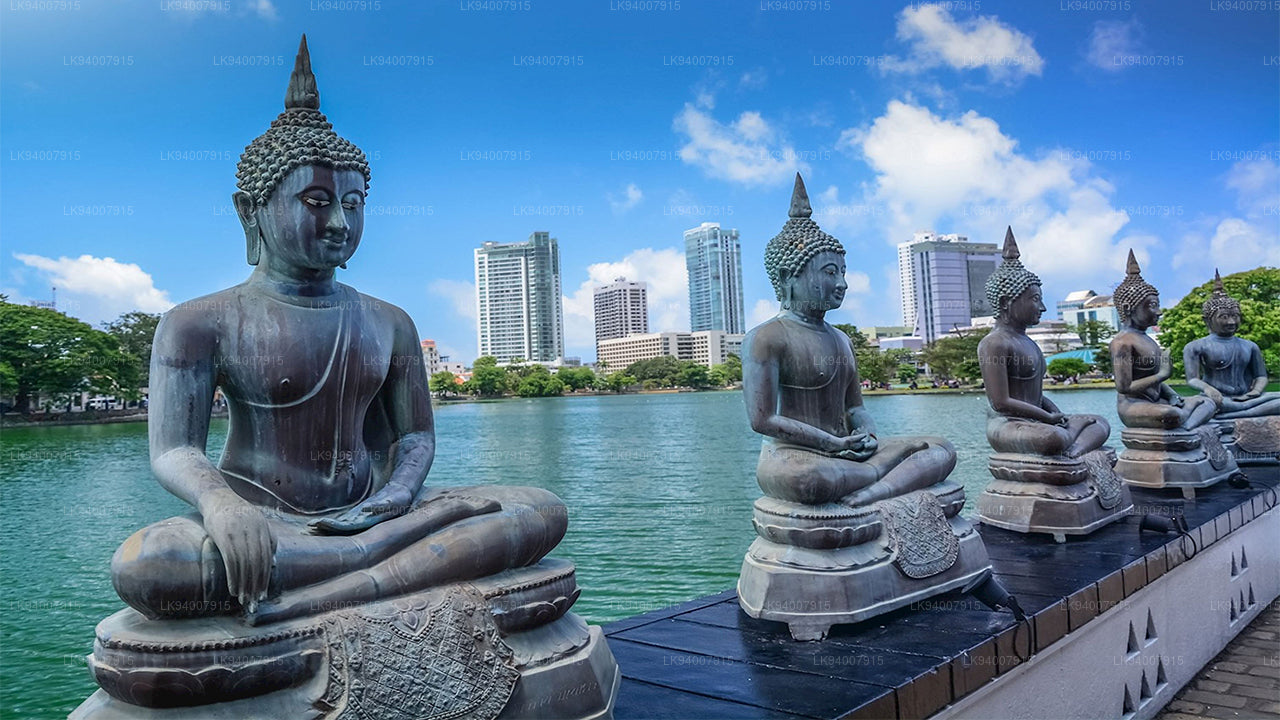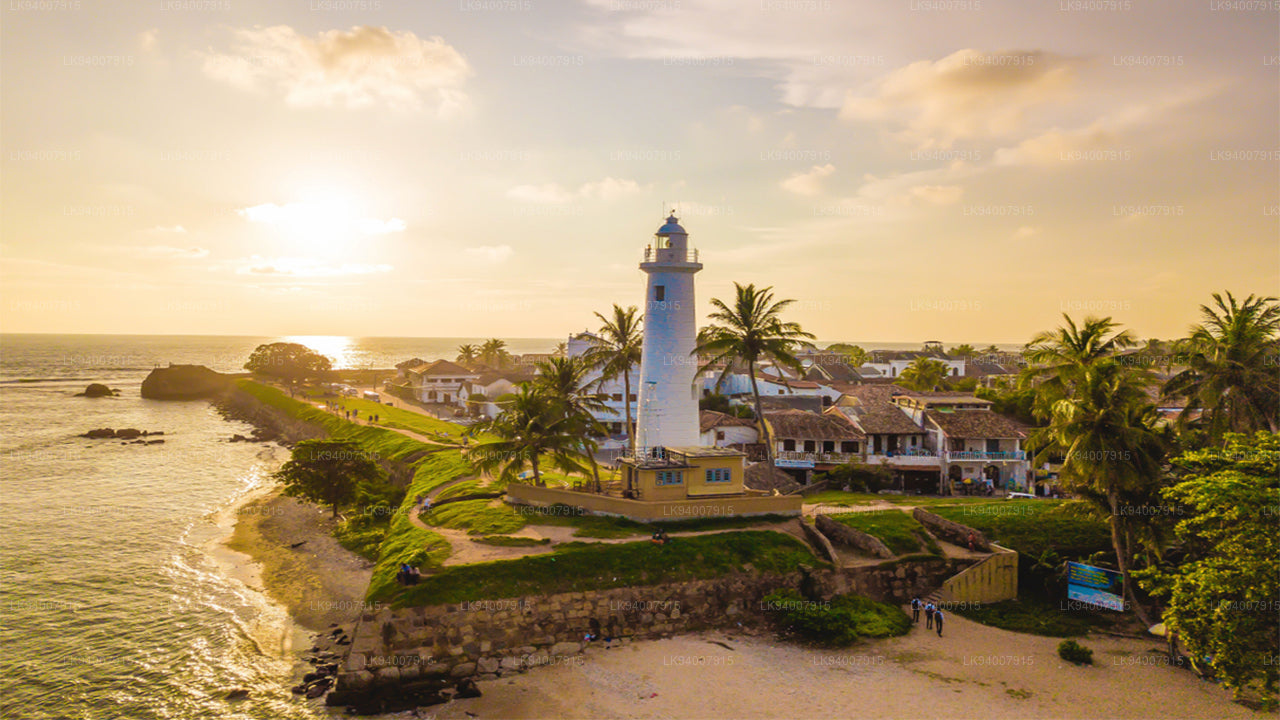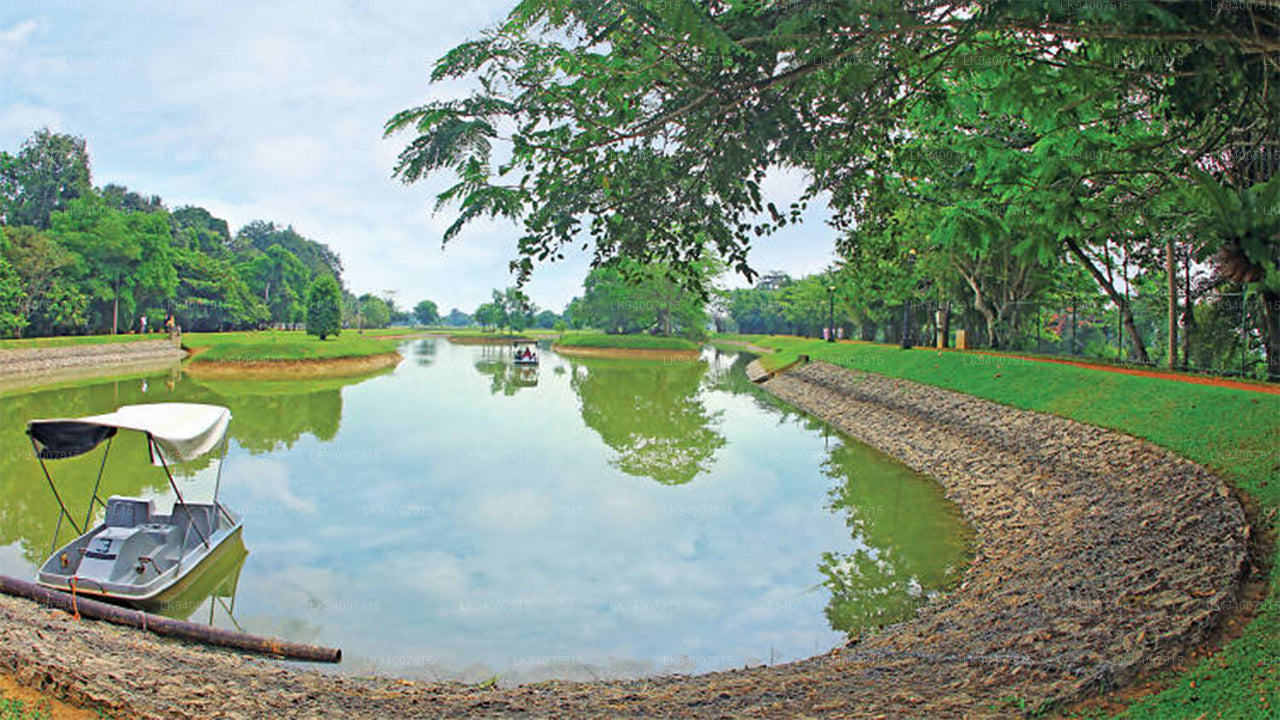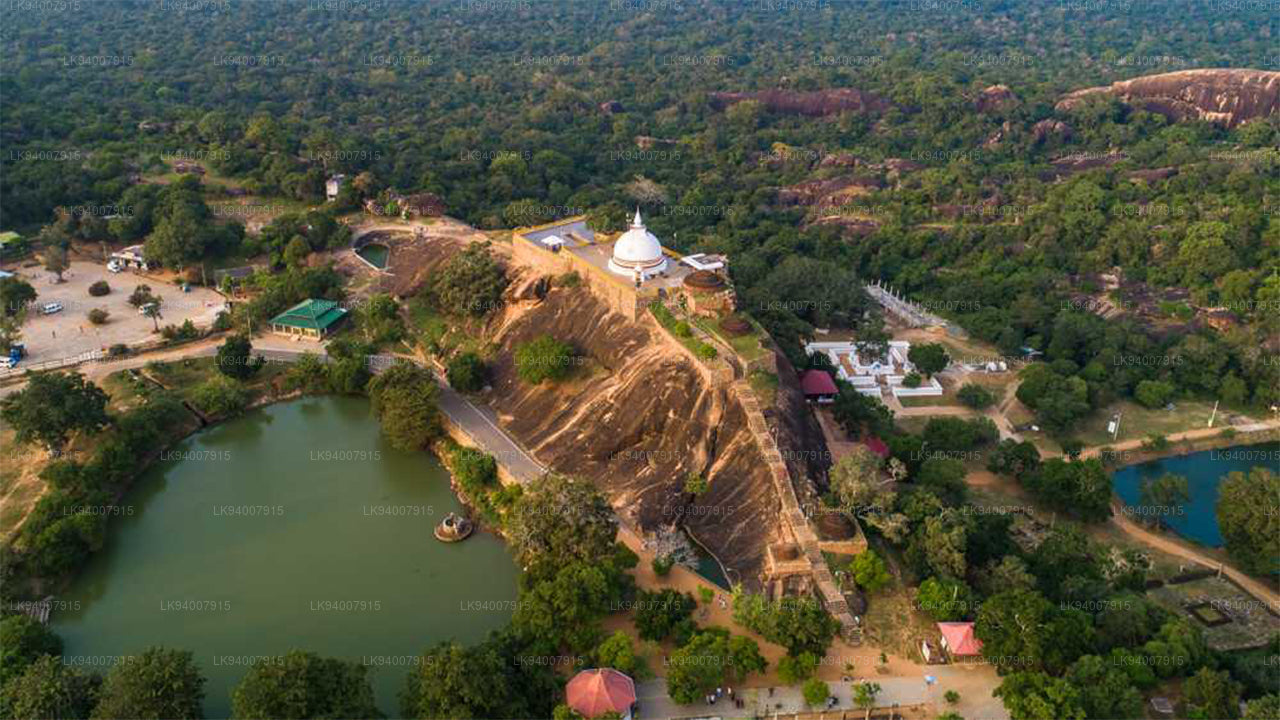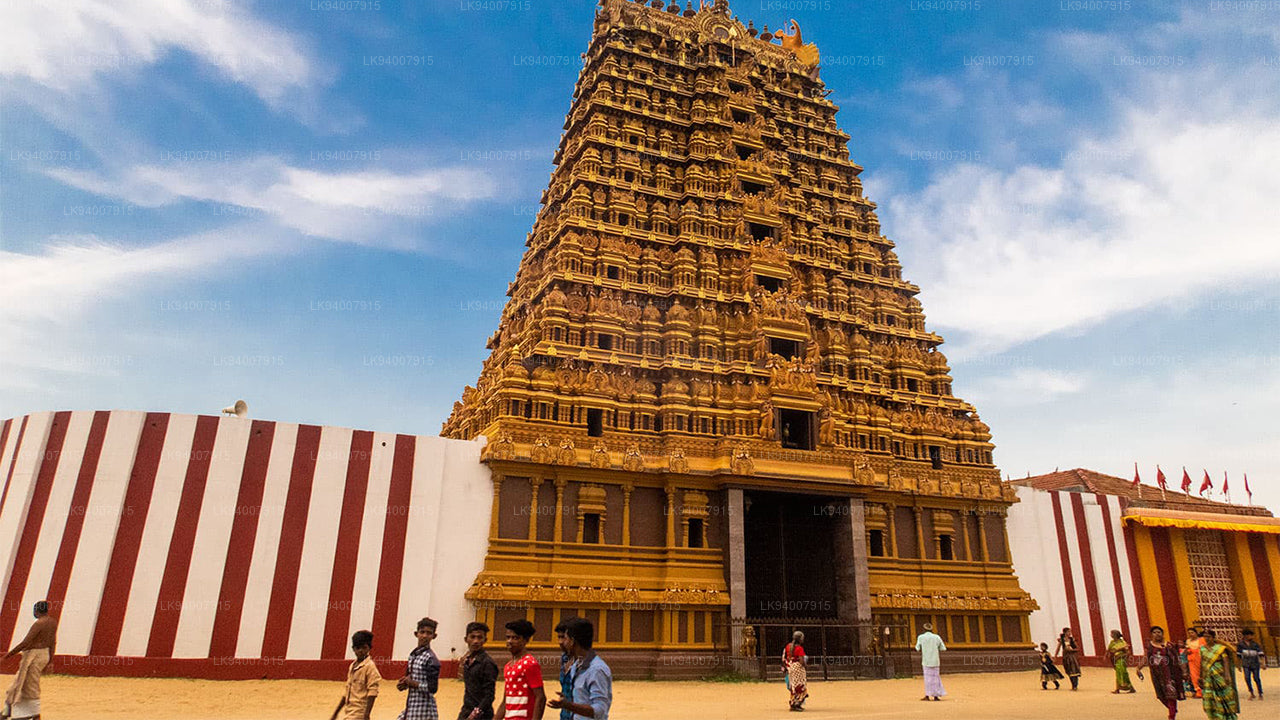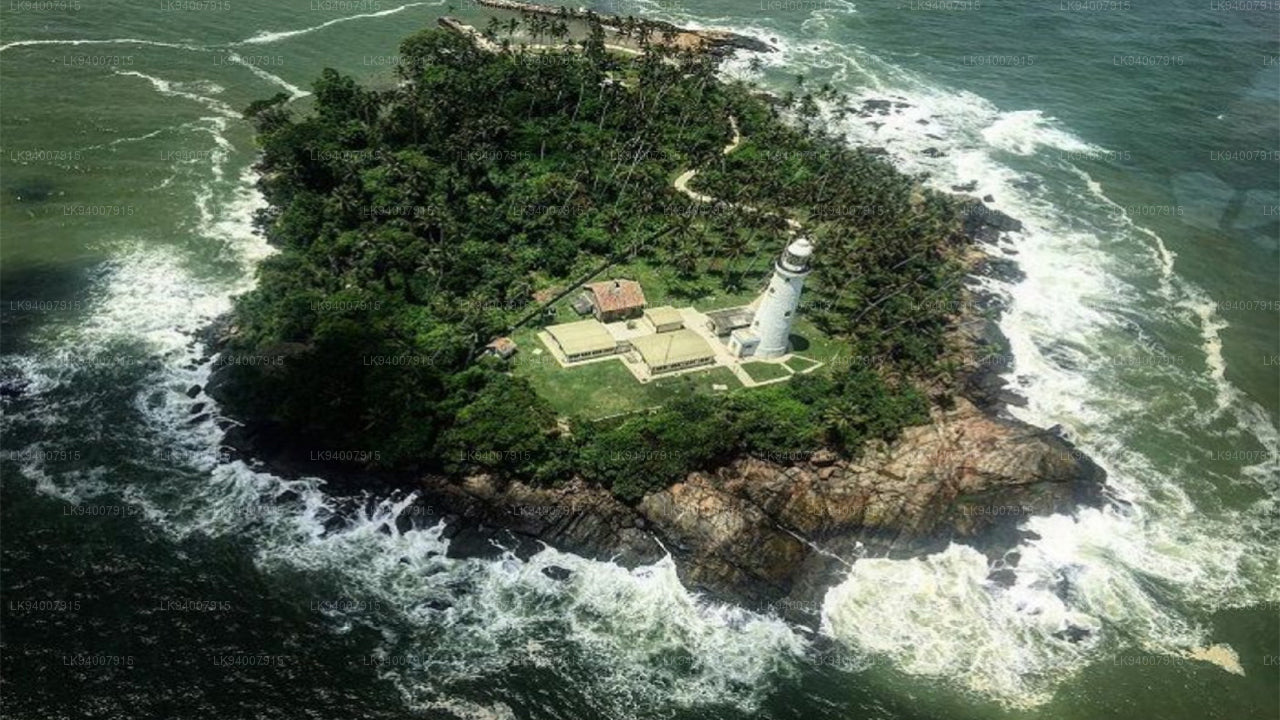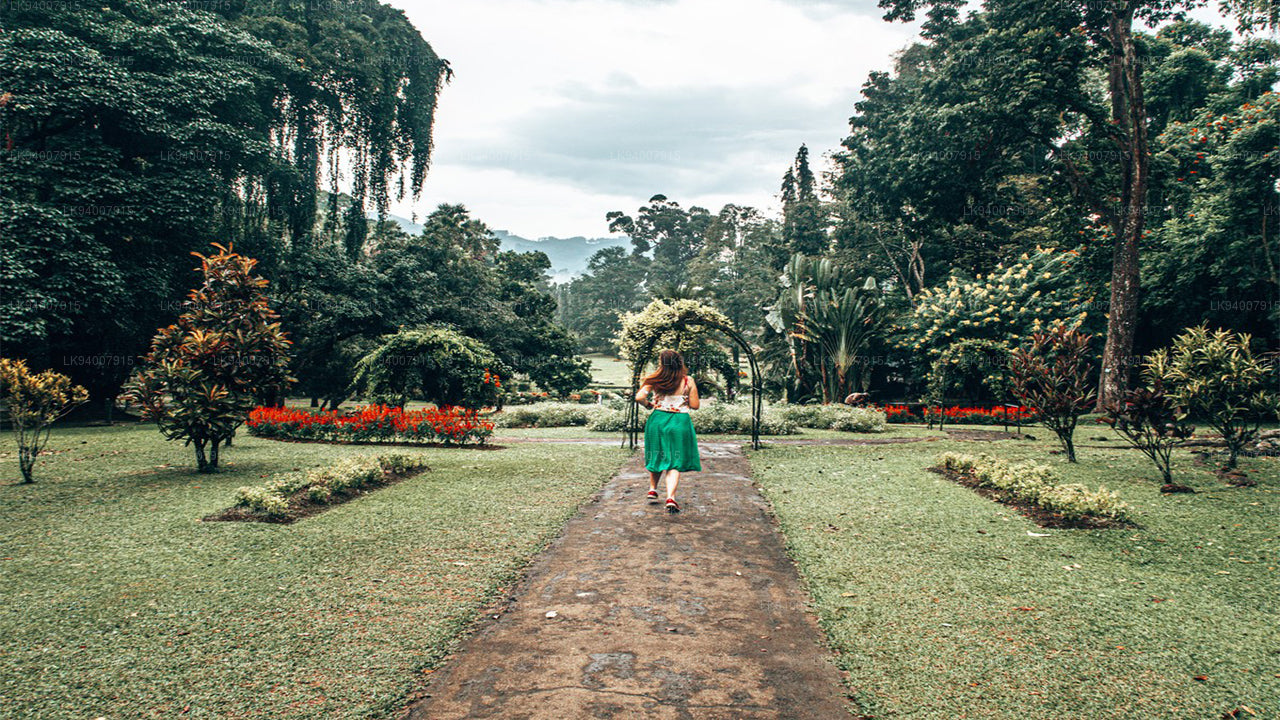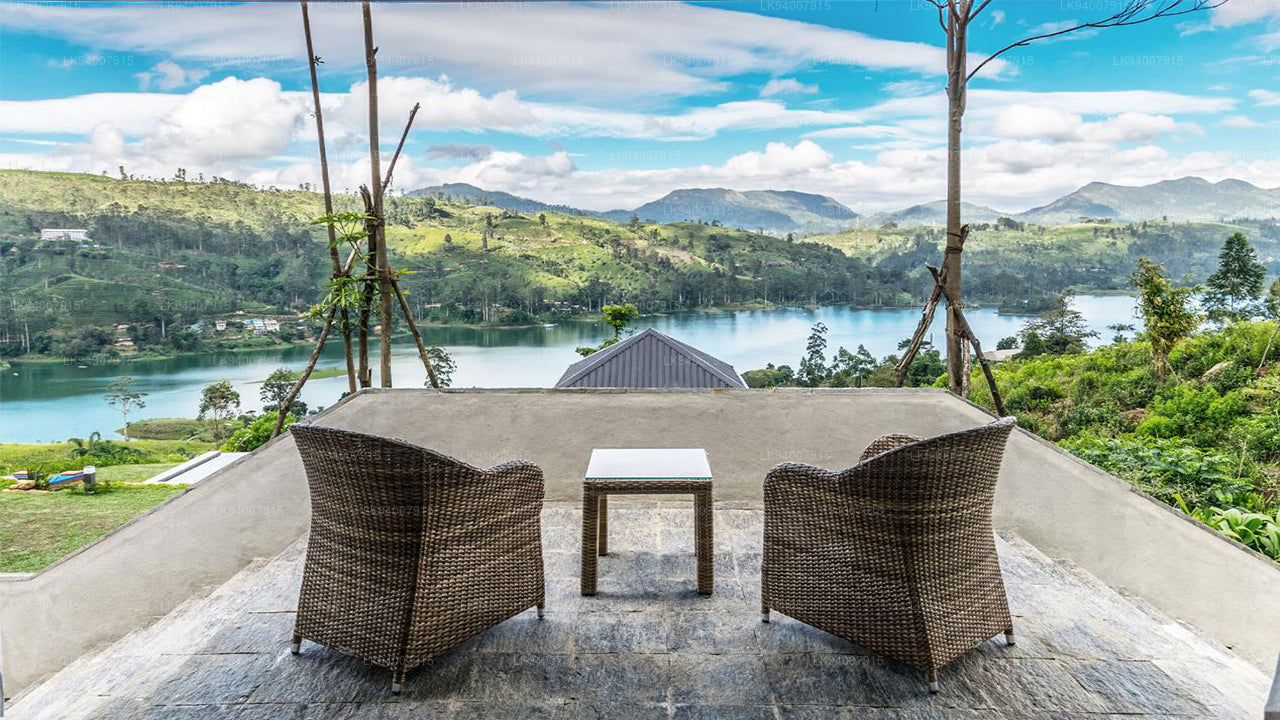
Perched at an altitude of 1,868 metres (6,128 ft) in Sri Lanka's Central Province, Nuwara Eliya District is the island's highest and coolest highland region. The district takes its name from the Sinhalese for "city of light" or "city on the plain," and its temperate air, rolling tea estates, and distinctly colonial streetscapes set it apart from every other corner of Sri Lanka. Whether you are drawn by the misty walks across Horton Plains National Park, the ritual of an afternoon cup of single-origin Ceylon tea, or the festive energy of April racing season, the district rewards unhurried exploration.
What is the geography and climate of Nuwara Eliya District?
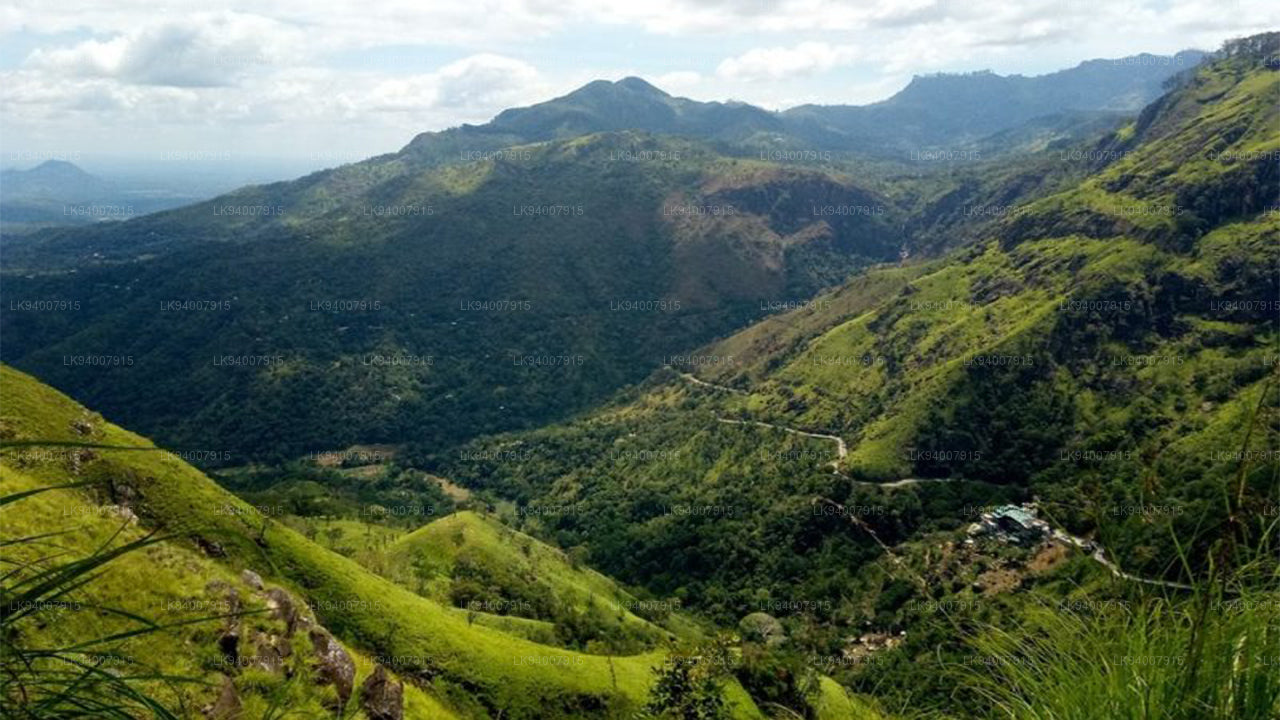
The district sits within a ring of peaks that form the spine of Sri Lanka's central highlands. Pidurutalagala, at 2,524 metres, is the tallest mountain in the country and overlooks the town directly. The terrain transitions from steep forested escarpments to open grasslands and cultivated tea slopes, creating a mosaic of habitats unlike anywhere else on the island.
The climate is subtropical highland — mild year-round, with a mean annual temperature of around 16 °C (61 °F). There is no pronounced dry season; mist and light rain arrive with both monsoons. In the coldest months (December to February), night temperatures can dip close to freezing in exposed areas, though days remain clear and bright. April brings drier, sunnier weather that coincides with the district's biggest festival season.
What is Nuwara Eliya's connection to Ceylon tea?
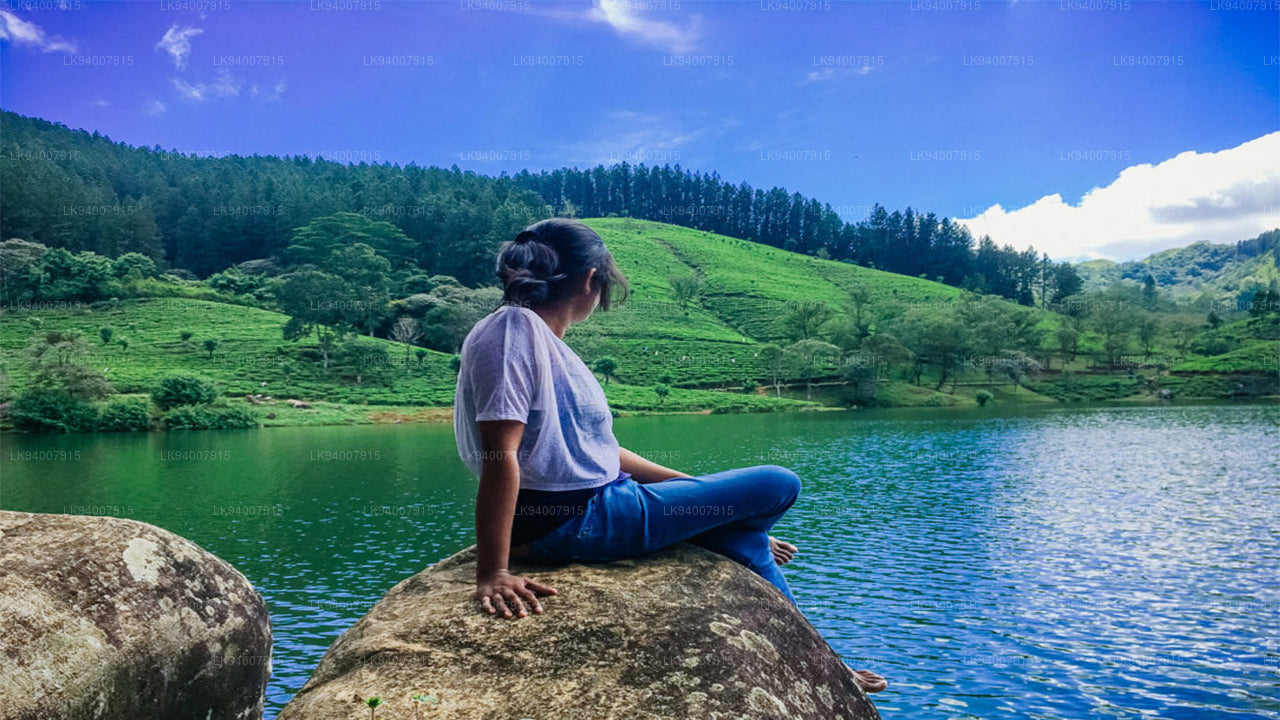
Nuwara Eliya is widely regarded as producing Sri Lanka's most refined teas. The high elevation, cool temperatures, and low humidity encourage slow leaf growth, which concentrates the delicate, floral compounds that distinguish Nuwara Eliya-grade Ceylon tea from the bolder low-country varieties. The district's estates typically produce teas with a light liquor, brisk character, and a clean, slightly grassy finish.
Many estates welcome visitors for factory tours, where you can follow the leaf from the withering troughs through rolling, oxidation, and firing. Bluefield Tea Gardens, located just outside the town, is one of the more accessible working estates open to the public. The Heritance Tea Factory hotel has converted a historic factory building into a full hospitality property, allowing guests to sleep among the original machinery.
How did Nuwara Eliya become "Little England"?
The town was established in 1846 by Sir Samuel Baker, the British explorer best known for his navigation of the upper Nile and Lake Albert. Baker recognised that the highland climate was unusually well suited to European settlement and recreation, and he set about building a farm and hunting lodge. Within a generation, the town had evolved into a fully formed hill station — complete with a racecourse, golf club, English-style gardens, and Tudor-influenced guesthouses.
British civil servants and planters retreated here during the hottest months of the year, recreating the pastimes of home: fox hunting, polo, cricket, and golf. The legacy of that era is visible today in the district's architecture. The Hill Club, the Grand Hotel, and a number of private bungalows still carry the hallmarks of late Victorian and Edwardian design — stone facades, fireplaces, and manicured lawns. The Grand Hotel, Nuwara Eliya remains one of the most storied addresses in the country.
What are the main natural attractions in Nuwara Eliya District?
The district's natural assets are anchored by Horton Plains National Park, a UNESCO World Heritage-listed plateau that stretches across roughly 3,160 hectares of montane grassland and cloud forest. The park's most famous feature, World's End, is a near-vertical escarpment with a drop of around 1,050 metres — one of the most dramatic viewpoints in South Asia. The return circuit also passes Baker's Falls, a wide cascade set in dense forest. Arrive before 9 a.m. to catch clear views before cloud rolls in.
Galway's Land National Park, a compact patch of montane forest close to Lake Gregory, protects a number of species endemic to the Sri Lankan highlands. Wild boar, barking deer, and the purple-faced langur are resident here. Birdwatchers come for the dull-blue flycatcher, the Sri Lanka white-eye, and the yellow-eared bulbul — all highland endemics rarely seen at lower elevations.
- Lake Gregory: A reservoir built during the British period, now popular for boating and lakeside walks. The surrounding parkland is a quiet spot in the early morning.
- Victoria Park: A well-maintained public garden in the town centre, particularly colourful during the flowering season between March and May and again in August.
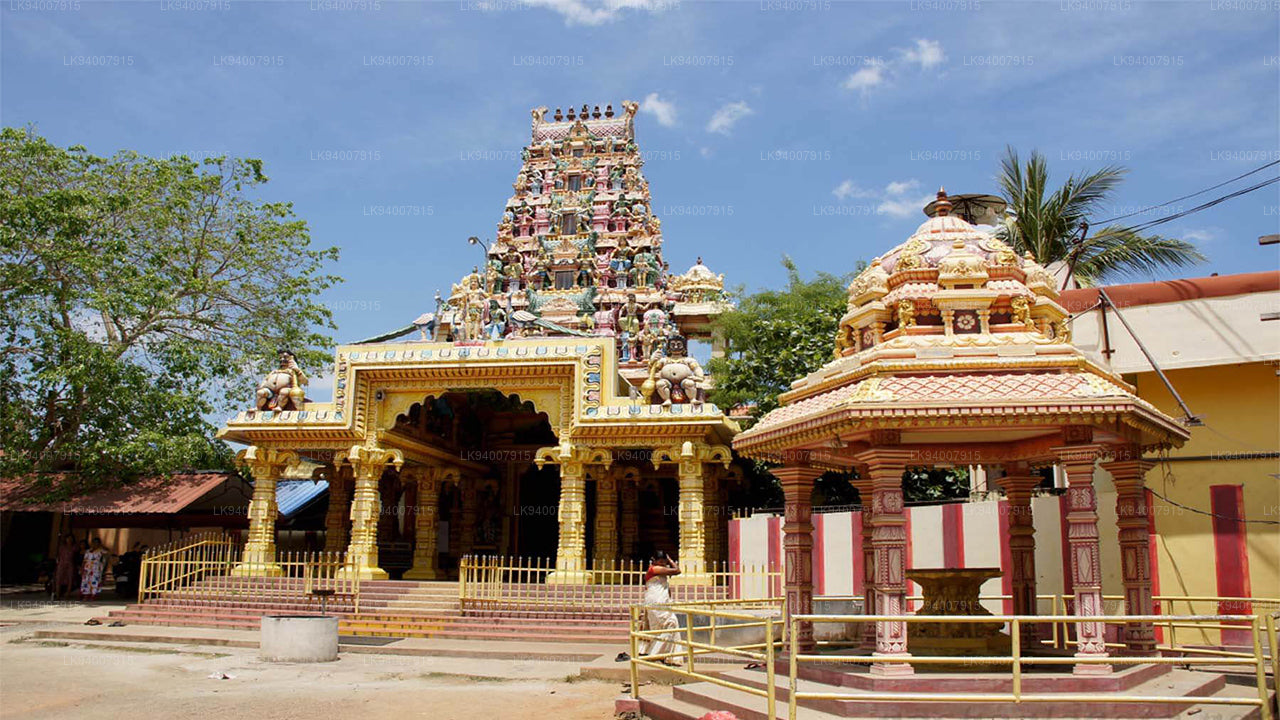
- Seetha Amman Temple: A Hindu shrine set beside the Sita Eliya stream, linked in tradition to the Ramayana epic and worth a brief stop for visitors interested in the island's religious landscape.
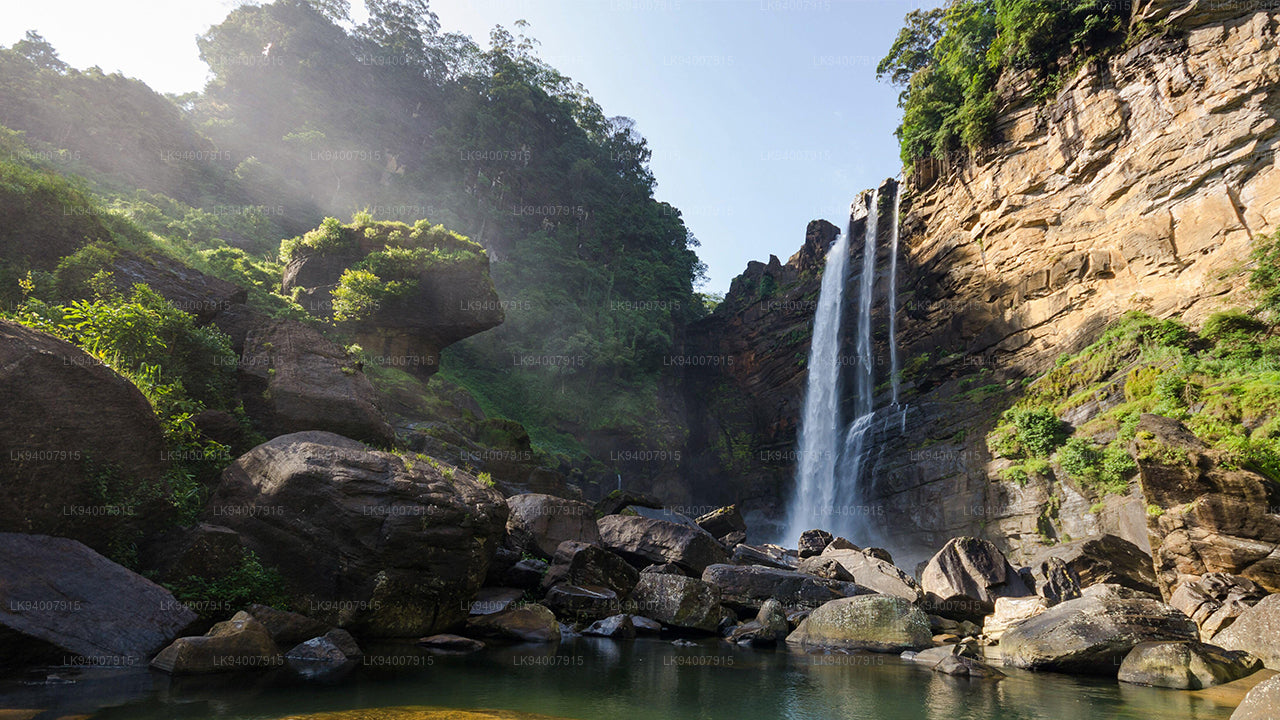
- Lover's Leap Waterfall: A slender cascade reachable by a short walk from a nearby tea estate, offering views across the surrounding slopes.
When is the best time to visit Nuwara Eliya?
The district is accessible year-round, but the two most distinct windows suit different kinds of travellers. January to March brings cold, clear days ideal for walking in Horton Plains — wildlife is active and the grasslands are at their greenest after the northeast monsoon. April is festival season: the town fills for Sinhala and Tamil New Year celebrations, and the atmosphere is festive and energetic.
May to July can bring heavy southwest monsoon rain, particularly on the western slopes, though the mist lends a particular atmosphere to the tea country. August through November is generally drier on the eastern side of the hills, making it a reliable window for day trips to Horton Plains and birdwatching in Galway's Land. Travel during long weekends and April holidays is best booked well in advance — the district is extremely popular with domestic tourists during these periods.
| Month | Weather | Best For |
|---|---|---|
| Jan – Mar | Cool, dry, clear | Horton Plains walks, wildlife |
| April | Warm, dry spells | New Year festivals, racing season |
| May – Jul | Southwest monsoon, misty | Tea estate visits, atmosphere |
| Aug – Nov | Drier on east side | Birdwatching, photography |
| Dec | Cold nights, clear days | Quiet travel, colonial ambience |
What happens during Nuwara Eliya's April season?
The festive calendar opens on 1 April and builds over four weeks to the Governor's Cup, a nine-furlong flat race at the historic Nuwara Eliya Racecourse. The racing programme draws crowds from across the island. Motoring enthusiasts attend the Mahagastotte and Radella Hill Climbs — the Mahagastotte event has been running since 1934, making it one of the longest-standing motorsport fixtures in South Asia. The Nuwara Eliya Road Race and the 4x4 Lake Cross at Lake Gregory round out the programme for driving and off-road fans.
The Nuwara Eliya Golf Club hosts tournaments throughout the month on one of the highest golf courses in Asia. The season closes with a flower show that reflects the district's Victorian horticultural traditions. Hotels are lively with events most evenings, and accommodation books out months in advance.
How do I get to Nuwara Eliya from Colombo?
The most scenic option is the train from Colombo Fort to Nanu Oya, the nearest mainline station to Nuwara Eliya town — a journey of roughly six hours through the hills, with the stretch between Kandy and Nanu Oya considered one of the most spectacular railway rides in Asia. From Nanu Oya, taxis and tuk-tuks cover the remaining 9 kilometres into town. Book observation-car or first-class seats well ahead for weekend and holiday travel.
By road, Nuwara Eliya is approximately 180 kilometres from Colombo via the A7 highway, typically a five- to six-hour drive depending on traffic and road conditions through Kandy. Private transfers can be arranged through Lakpura for a comfortable door-to-door journey. The district is also a natural link between a Kandy itinerary and destinations in the Uva Province, particularly the town of Ella, roughly 60 kilometres to the southeast along the A16 mountain road.
What wildlife can I see in Nuwara Eliya District?
The district supports a remarkable concentration of endemic highland species. In Horton Plains, leopard, sambar deer, and the shaggy bear monkey (purple-faced langur) are the most sought-after mammals, though sightings require patience and early starts. The grasslands host a range of highland birds rarely found elsewhere: look for the pied bush chat, the Sri Lanka bush warbler, and the Indian blue robin during the northern winter months when migratory species add to the resident count.
The cloud forest patches within and around Horton Plains also shelter endemic reptiles and amphibians. Streams running through the reserve are home to the endemic mountain stream frog, and after rain the forest edges can be productive for day-active lizards. Galway's Land, being closer to town and less visited, is often a calmer setting for birding in the early morning.