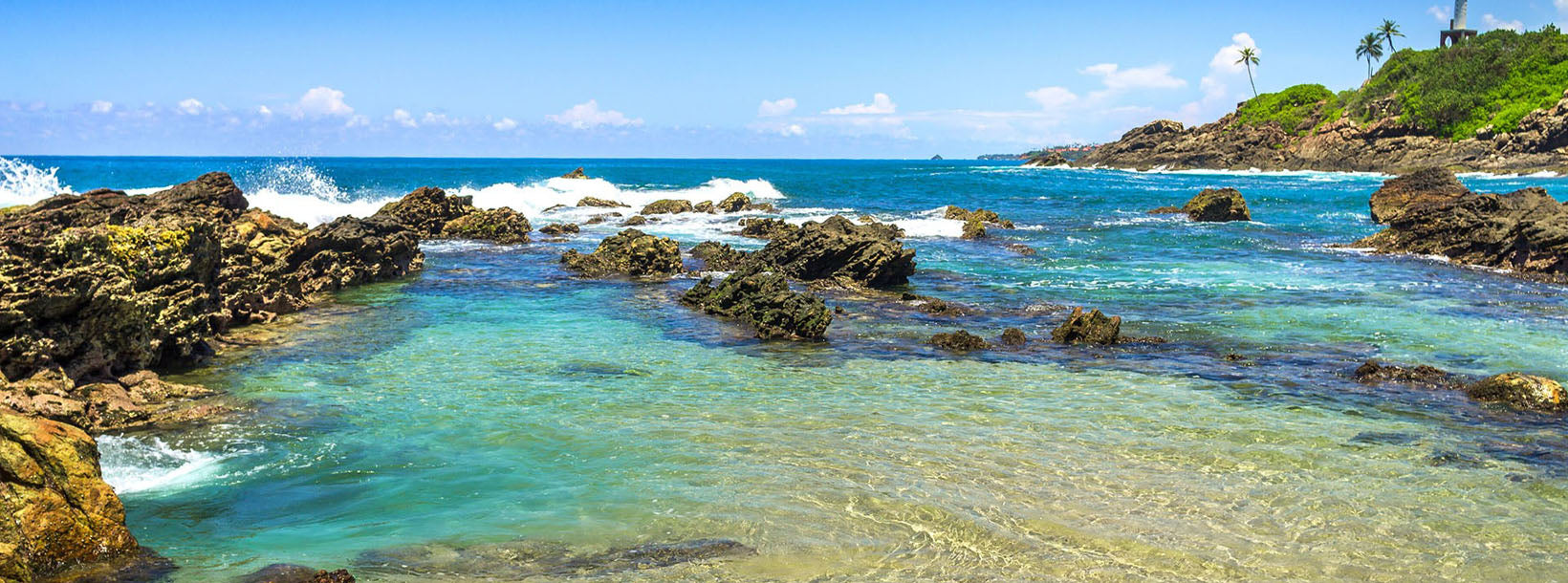
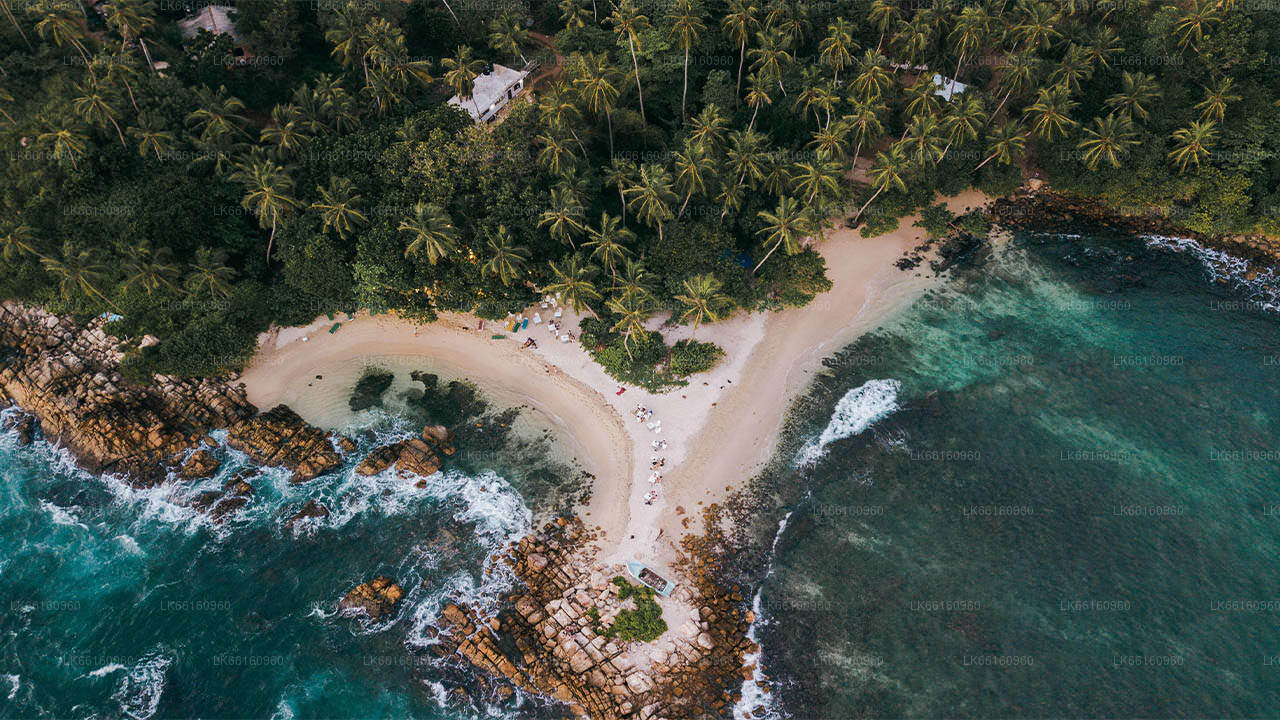
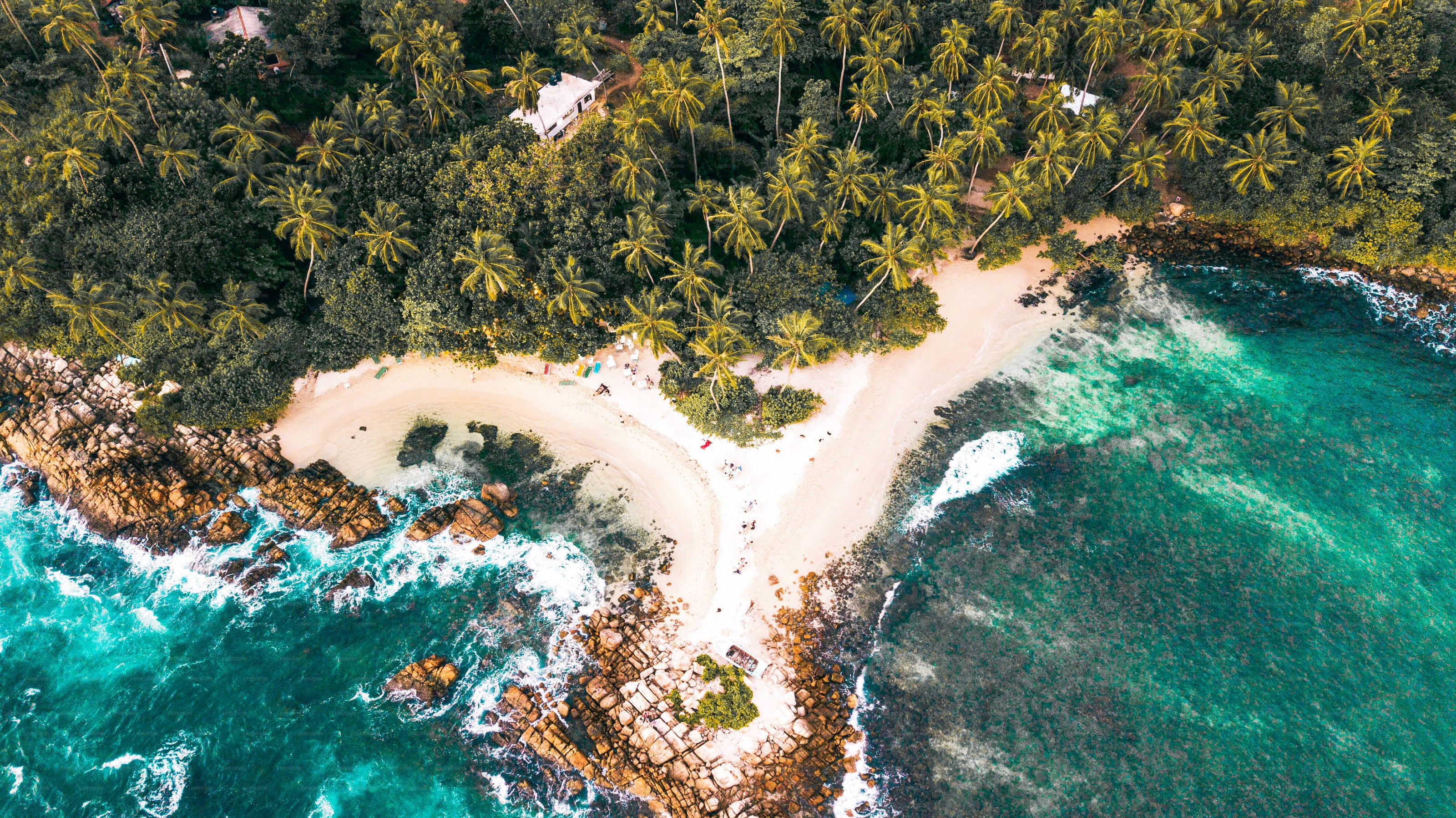
Mirissa sits at the southern tip of Sri Lanka's coastline, roughly 146 km from Colombo, tucked into a crescent bay that curves gently between two headlands. Coconut palms lean over the sand, a small rocky island anchors one end of the beach, and fishing boats share the harbour with whale-watching vessels. It is both a working fishing village and one of the country's most rewarding beach destinations — a combination that gives it a character many southern beaches have lost.
How do I get to Mirissa from Colombo?
The most comfortable road route follows the Southern Expressway (E01) from Colombo to Pinnaduwa, then continues along the coastal A2 highway through Galle and Weligama, a total journey of around two and a half to three hours by private vehicle. Alternatively, the Colombo–Matara coastal railway stops at Weligama, from where a short three-wheeler ride brings you to Mirissa. Weligama is about 3 km west of Mirissa's beach; the train journey from Colombo Fort takes roughly three to four hours on an intercity express. For travellers coming from the hill country or the east coast, a private driver is the most practical option.
What is Mirissa best known for?
Mirissa has two reputations that coexist without friction: as a beach for relaxed swimming and water sports, and as one of the world's most accessible blue whale watching locations. Between November and April, the warm waters off the southern coast become feeding grounds for blue whales, sperm whales, and spinner dolphins. Few places on earth let you board a boat within an hour of breakfast and return before lunch having seen the largest animal that has ever lived on this planet.
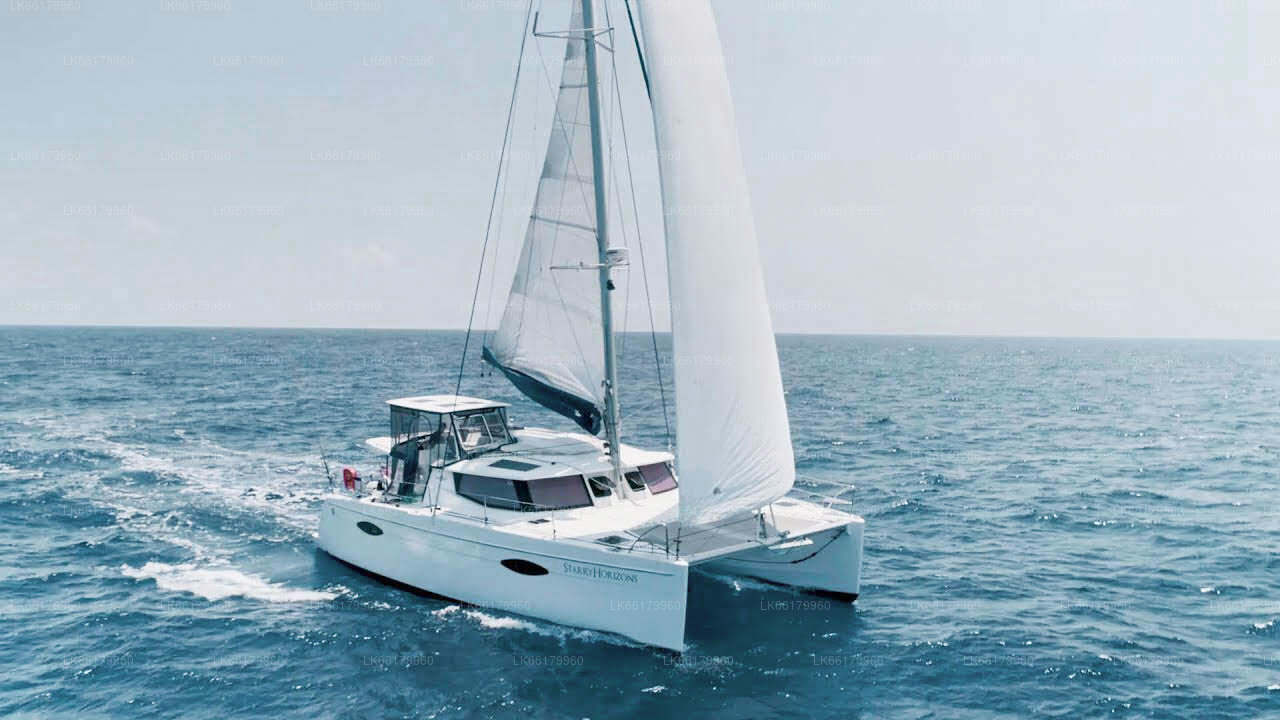
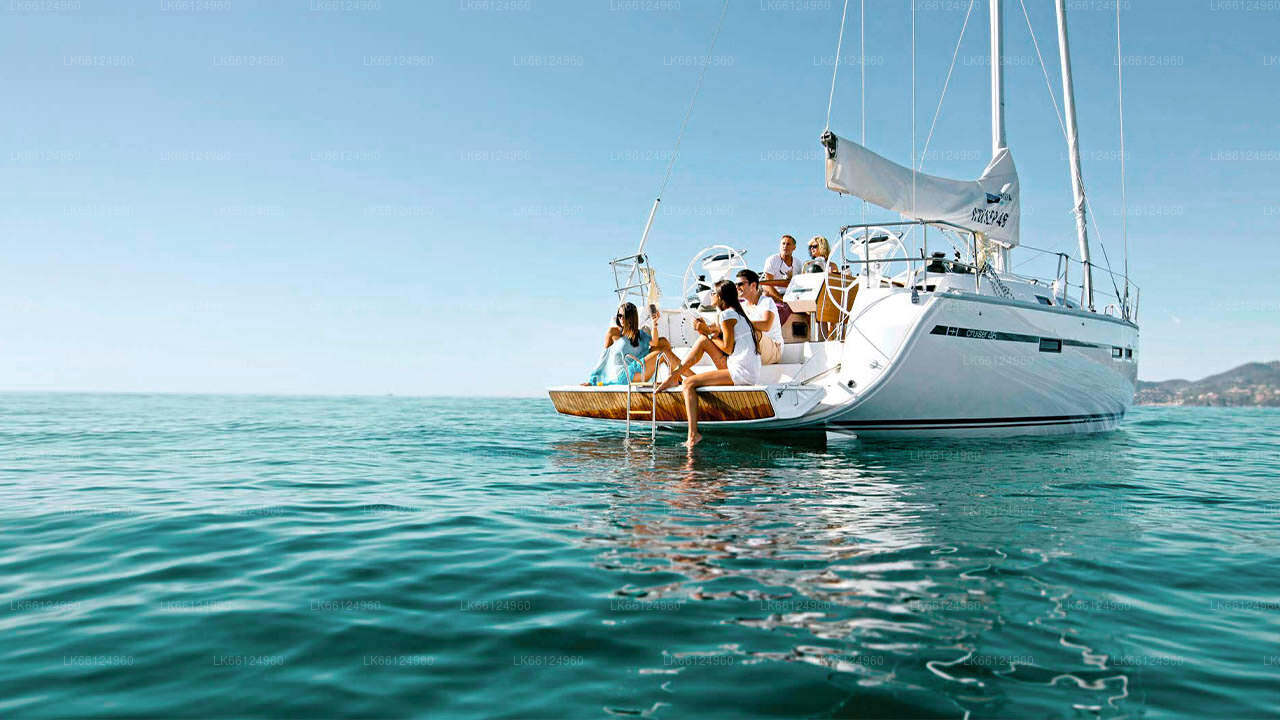
Beyond whales, the bay is well suited to snorkelling, sea kayaking, outrigger cruises, and sport fishing. The reef at the eastern headland shelters enough marine life to reward snorkellers of all experience levels. For those who want to go deeper, scuba diving trips operate out of the harbour.
When is the best time to visit Mirissa?
The dry season on Sri Lanka's south coast runs from approximately November to April, making those months the most reliably sunny and sea-calm period. This window also aligns with peak whale-watching season, which officially runs from December through April — blue whales are most consistently sighted between January and March. The southwest monsoon arrives around May and brings rougher seas that make whale-watching boats pause operations; beach conditions remain tolerable but swimming is best approached with caution.
- December – April: ideal swimming, whale watching, water sports
- May – June: monsoon onset, fewer crowds, surfing conditions improve
- July – October: wetter on the south coast; the east coast becomes the preferred beach destination during this period
- November: transitional — seas begin to settle and the tourism season restarts
What can I do in and around Mirissa?
Whale and dolphin watching
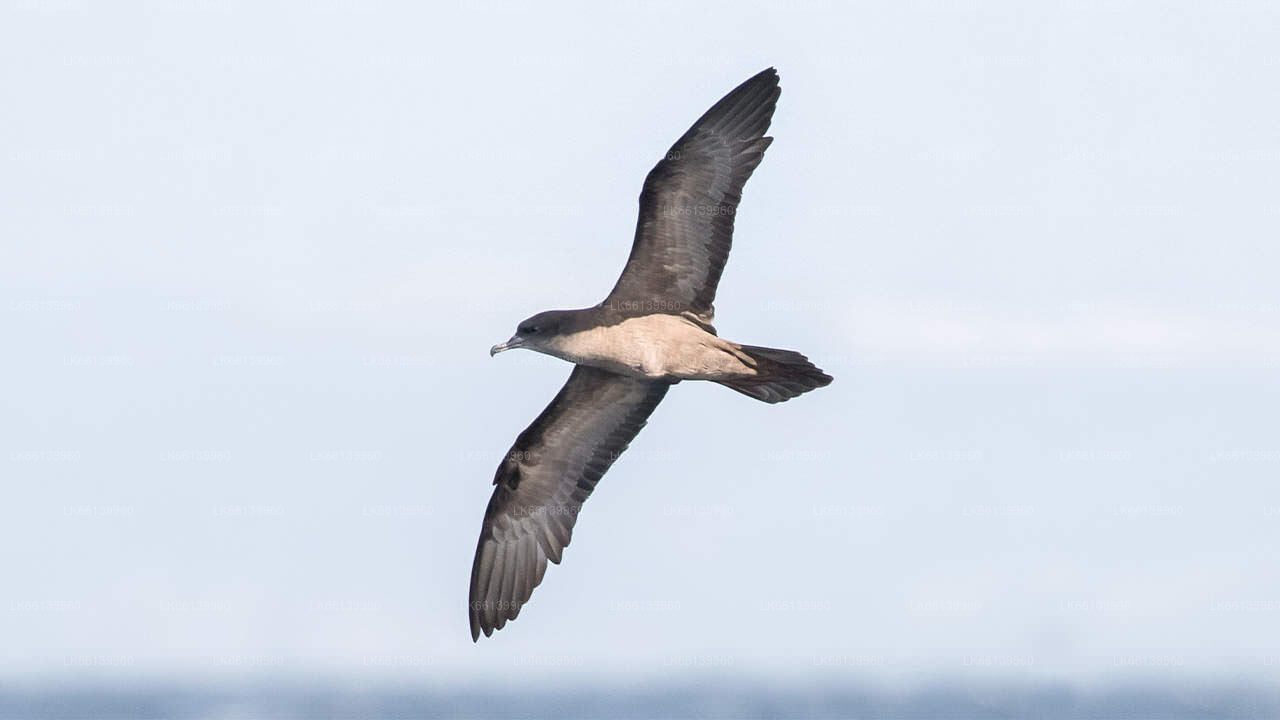
Blue whale watching departs from Mirissa harbour early in the morning, typically around 6–7 am, and tours last four to six hours. Spinner dolphins are common year-round and are often encountered on the way out to deeper water. Responsible operators follow guidelines that avoid pursuing or encircling animals; it is worth choosing a vessel that adheres to these standards. Sperm whales and occasional sei whales and orcas have also been reported off the Mirissa coast.
Snorkelling and scuba diving
The rocky reef at the eastern end of the bay — near Parrot Rock — is the main snorkelling site in Mirissa. Sea turtles feed on the reef regularly and are routinely encountered. The water is warm year-round, averaging around 27–29°C. Scuba diving trips from Mirissa explore nearby reefs and occasional wreck sites; most dive schools cater to beginners as well as certified divers. A deep-sea fishing trip is another popular half-day excursion from the harbour.
Parrot Rock and the beach
A short swim or wade from the eastern end of the beach leads to Parrot Rock, a small islet with views back across the full bay. It makes a simple, free, and rewarding short excursion at low tide. The main beach itself is wide enough that it never feels crowded outside the peak weeks of December and January, when visitor numbers are highest.
Day trips from Mirissa
Mirissa's position on the south coast places it within reach of several compelling day-trip destinations. Galle Fort, a UNESCO World Heritage Site with Dutch colonial ramparts and a thriving arts scene, is around 35 km to the west — a Galle city tour pairs well with a Mirissa base. The Kosgoda and Induruwa turtle hatcheries on the coast between Mirissa and Colombo are worth a stop if you are travelling north. Inland, Udawalawe National Park is accessible in roughly two hours; it offers some of the country's most reliable elephant sightings. The wetland waterways of Madu Ganga are also within comfortable day-trip distance.
Where does Mirissa fit into a Sri Lanka itinerary?
Most visitors reach Mirissa as part of a southern coastal route that includes Galle and often extends east toward Tangalle and Yala. A stay of three to five nights is enough to experience the beach at a relaxed pace, join a whale-watching excursion, and make at least one day trip. Travellers combining the hill country — Ella, Nuwara Eliya, Kandy — with the coast typically arrive from the highlands via the A4 or A23 road through Embilipitiya or Wellawaya, which also provides access to Udawalawe. The drive from Ella to Mirissa takes around four hours on a clear day.
What is Mirissa village like?
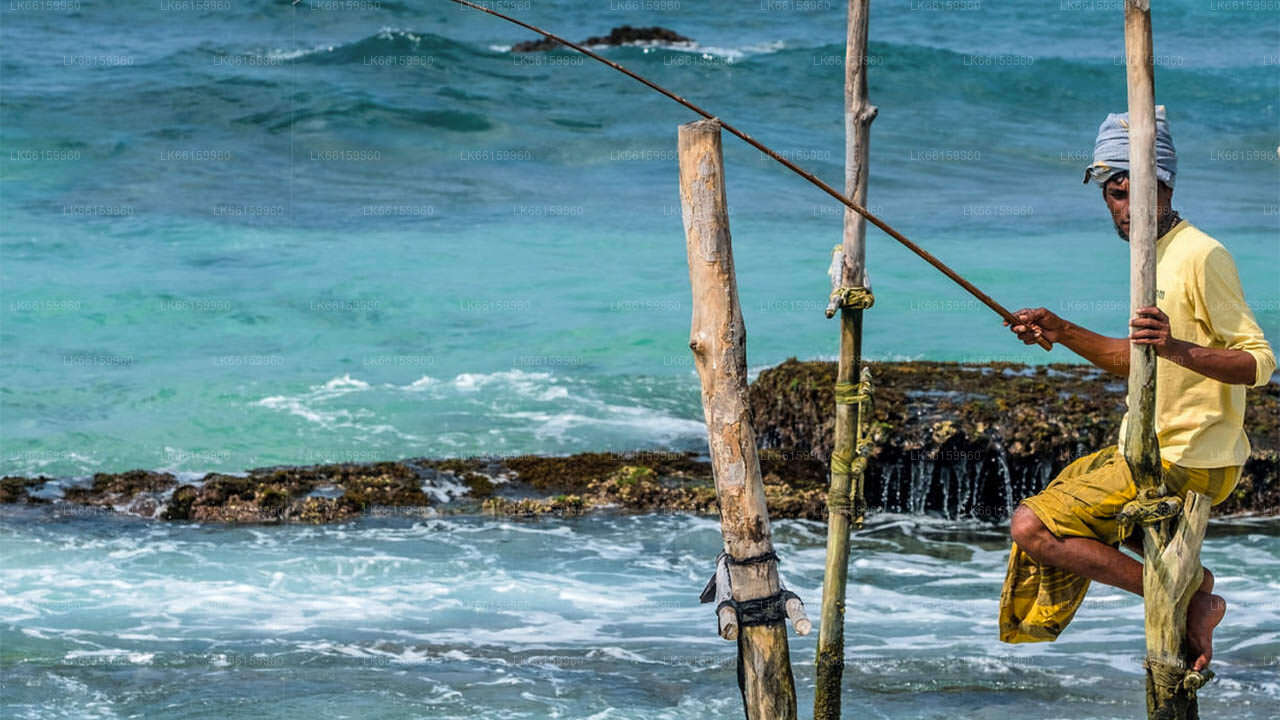
The village beyond the beach retains its fishing-community roots. The harbour is active before dawn, and the catch — tuna, seer fish, and prawns among others — supplies the restaurants lining the beach road. In recent years, guesthouses, boutique hotels, and beach bars have multiplied, but the scale remains human. The absence of large resort complexes is part of what distinguishes Mirissa from more developed southern beaches. Streets a few blocks back from the seafront are lined with family homes, small shops, and coconut smallholdings.
Is Mirissa suitable for families?
The bay's relatively sheltered shape means the sea is calmer here than on more exposed southern beaches, making it reasonable for families during the dry season. The whale-watching excursions can be long for very young children; sea conditions vary, and some mornings the ocean is choppier than others. Snorkelling near the reef is manageable for older children with basic swimming confidence. Turtle nesting activity on nearby beaches, including supervised hatchery visits, tends to appeal strongly to children and adults alike.