Few evenings in Sri Lanka leave as lasting an impression as the Kandy Lake Club Cultural Dance Show. Staged in the heart of the hill capital, this performance brings together the island's principal classical and folk dance traditions under one roof — a rare opportunity to see styles that would otherwise take weeks of travel to encounter in their local ceremonial contexts. The show has run continuously since 1982, making it one of the longest-standing cultural programmes for visitors in the country.
What is the Kandy Cultural Show?
The Kandy Lake Club Cultural Dance Show was founded in 1982 with a specific purpose: to gather Sri Lanka's regional dance forms onto a single stage so that visitors could experience the breadth of the island's performing arts traditions in a single sitting. It was the first multi-tradition cultural dance performance established in Sri Lanka, and it continues to serve that original mission today.
The performances are carried out by trained artists who have inherited dance techniques passed down through generations, typically taught within families and communities for use at local ceremonies, temple rituals, and harvest celebrations. Seeing these dances outside their ritual context is a privilege, and the production is presented respectfully, with programme notes available in multiple languages to explain the cultural significance of each piece.
What dances are performed at the Kandy Cultural Show?
The programme draws from three main classical traditions of Sri Lanka — Kandyan (Udarata), Low-Country (Pahatharata), and Sabaragamuwa — as well as selected folk and ritual dances. The following are among the regular highlights:
- Magul Bera — The show opens with the blowing of the conch shell, a traditional Sinhala invocation used at the commencement of important ceremonies. Drummers perform ritual music as an offering to the Guardian Deities of the land, grounding the performance in spiritual custom from the outset.
- Puja Natuma — Female dancers carry oil lamps and offer their dancing skill as a devotional act to the Guardian Deities. The choreography is precise and meditative, reflecting the devotional intent behind the form.
- Devol Natuma — A dance performed to seek general immunity from malevolent forces. The movements and drumming rhythms specific to this form differ markedly from the more celebrated Kandyan styles, highlighting the regional diversity of Sri Lanka's ritual dance.
- Gajaga Wannama — This piece depicts the majestic gait of the elephant, one of the island's most revered animals. The dancer mimics the animal's movements through a stylised vocabulary of footwork and hand gestures.
- Mayura Natuma — A colourful portrayal of the peacock, featuring elaborate costumes that reflect the bird's plumage. This is one of the most visually striking pieces in the programme.
- Cobra Dance (Naga Natuma) — Slow, hypnotic movements evoke the cobra's bearing. Drawn from the tradition of serpent worship, the piece conveys the mysticism associated with nagas in Sinhalese folk belief.
- Mask Dances — Low-country mask dances (Kolam) and devil-dance masks (Raksha) appear in vivid, sometimes comic routines that serve apotropaic purposes in their original village settings.
- Traditional Drumming Sequences — Throughout the performance, drummers playing the traditional geta beraya, yak beraya, and other instruments maintain the rhythmic architecture of each piece. The drumming is itself a performance art, and certain sequences showcase the musicians' skill directly.
- Fire-Walking — The show closes with fire-walking across red-hot coals, a devotional act traditionally associated with the worship of local deities. It is a fitting conclusion: elemental, culturally embedded, and unlike anything in contemporary stage entertainment.
How does the Kandy Cultural Show relate to the Esala Perahera?
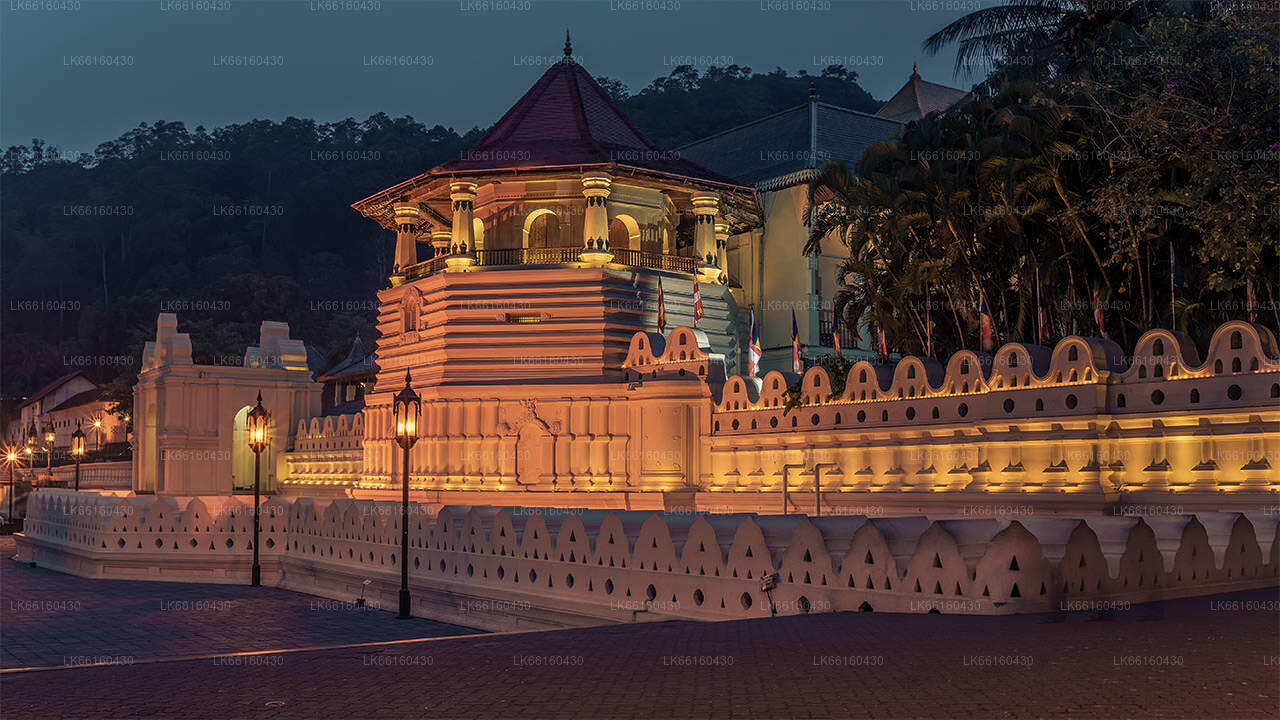
Kandy's fame as a cultural capital rests substantially on the Esala Perahera Festival, the annual procession around the Temple of the Tooth Relic that draws hundreds of thousands of visitors each July and August. The Cultural Dance Show exists in the same tradition — Kandyan drumming, costumed dancers, and elephant ceremonial — but operates year-round and in an intimate indoor setting accessible regardless of when you visit. For those who cannot time their trip to coincide with the Perahera, the Cultural Show provides meaningful access to the same artistic heritage.
When and where does the Kandy Cultural Show take place?
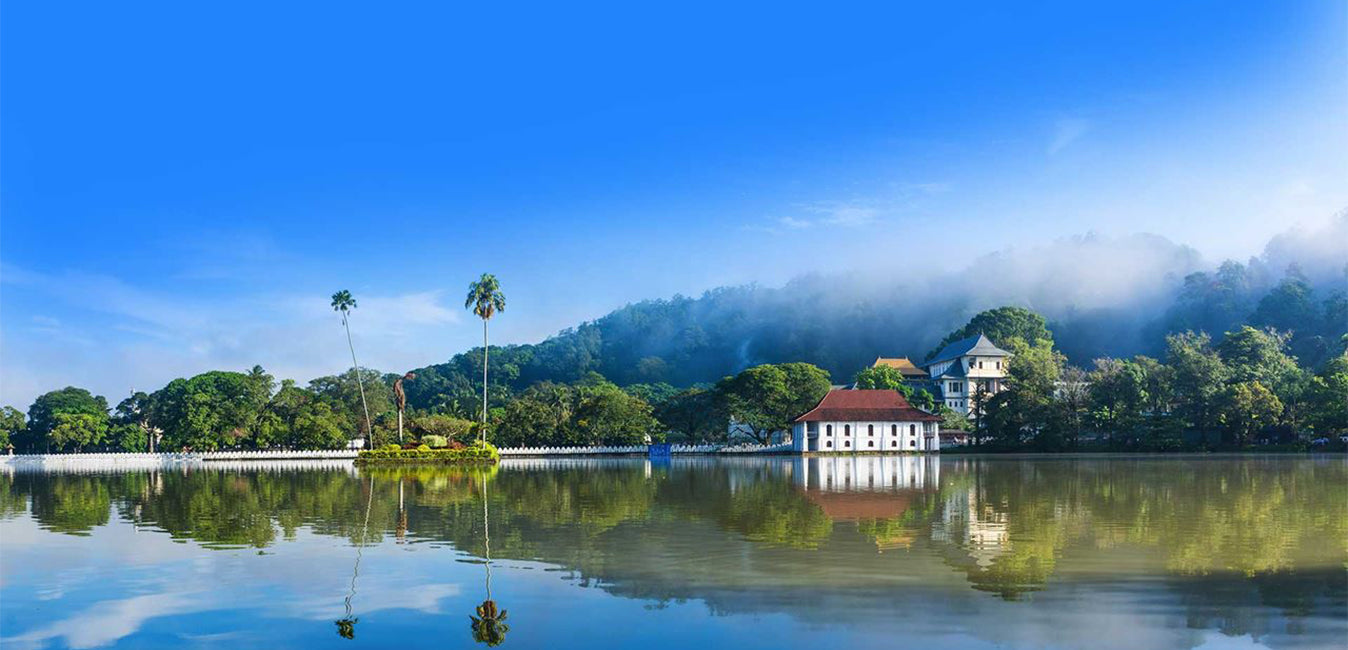
The show is held at the Kandy Lake Club, situated close to Kandy Lake in the centre of the city. Performances run on most evenings throughout the year, making them straightforward to incorporate into a broader Kandy city itinerary. The typical format begins with a pre-show period during which guests can observe drummers and costumed performers at close range before taking their seats. The main performance runs for approximately one hour.
Visitors are advised to arrive early to secure better seating and to have time to read the multilingual programme notes, which substantially enrich the experience by explaining the ritual context and regional origins of each item.
What should I know before attending?
- Programme notes are provided in several languages, including English, explaining each dance's cultural significance.
- Photography is generally permitted from the audience during performances, though flash photography is discouraged during certain ritual sequences.
- The venue is an indoor theatre; modest, comfortable clothing is appropriate.
- The show suits visitors of all ages, including children, though the fire-walking finale may be intense for very young children.
- Booking in advance through a Sri Lanka destination management company is recommended during peak season (December to March and July to August), when tickets can fill quickly.
How do I get to the Kandy Lake Club from central Kandy?
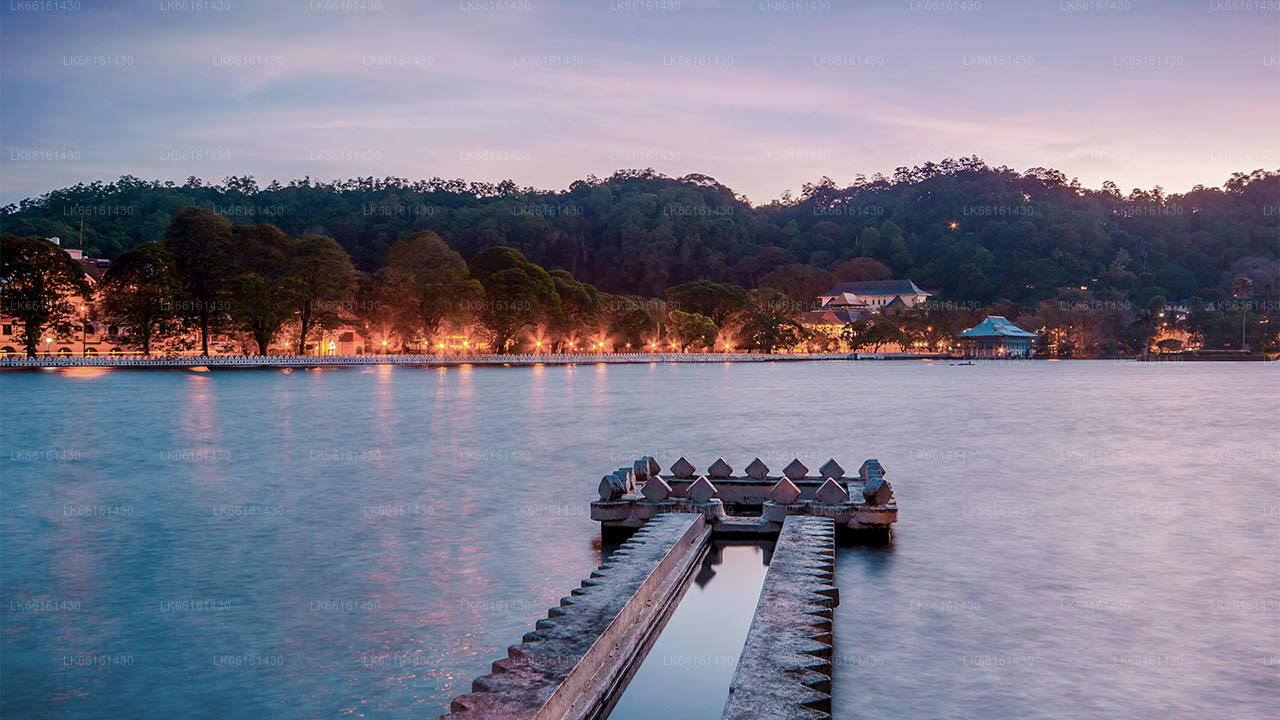
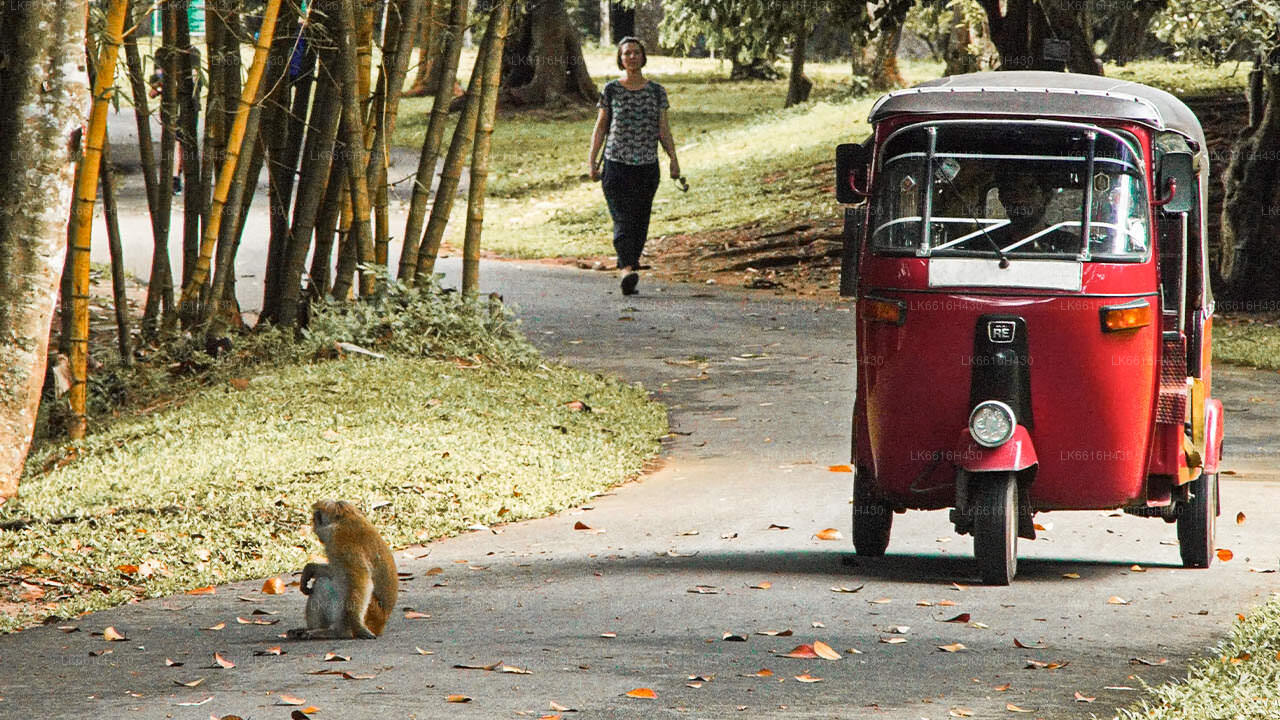
The Kandy Lake Club is within easy walking distance of the Kandy Lake promenade and the Temple of the Tooth Relic. From most hotels in the Kandy town area, the journey on foot takes under fifteen minutes. Tuk-tuks are readily available if you prefer not to walk, and most drivers in the city are familiar with the venue. If you are staying outside the immediate town centre, arranging a hotel transfer or a private driver for the evening is the most convenient option.
Is the Kandy Cultural Show suitable for first-time visitors to Sri Lanka?
It is one of the most consistently recommended introductions to Sri Lankan performing arts for first-time visitors, precisely because it compresses regional diversity into a single accessible programme. Travellers who arrive with no prior knowledge of Kandyan dance, ritual drumming, or Sinhala religious custom typically leave with a sharper sense of the island's cultural depth. Those who have already visited temples, ancient cities such as Polonnaruwa, or rural communities will find the show provides useful context that reframes those earlier experiences.
Tips for getting the most from your visit
- Read the programme notes before the show starts, not during it — you will follow the performance more attentively.
- Sit towards the middle or front rows to observe the detail in footwork and hand gestures, which are central to classical Kandyan technique.
- Combine the evening show with a daytime visit to the Temple of the Tooth Relic and the Kandy National Museum, both of which provide historical context that enriches the performance.
- Allow time after the show to walk the lake promenade; Kandy Lake at dusk is pleasant and most restaurants are within a short distance.